



Why a game without stylish abstraction loses its audience
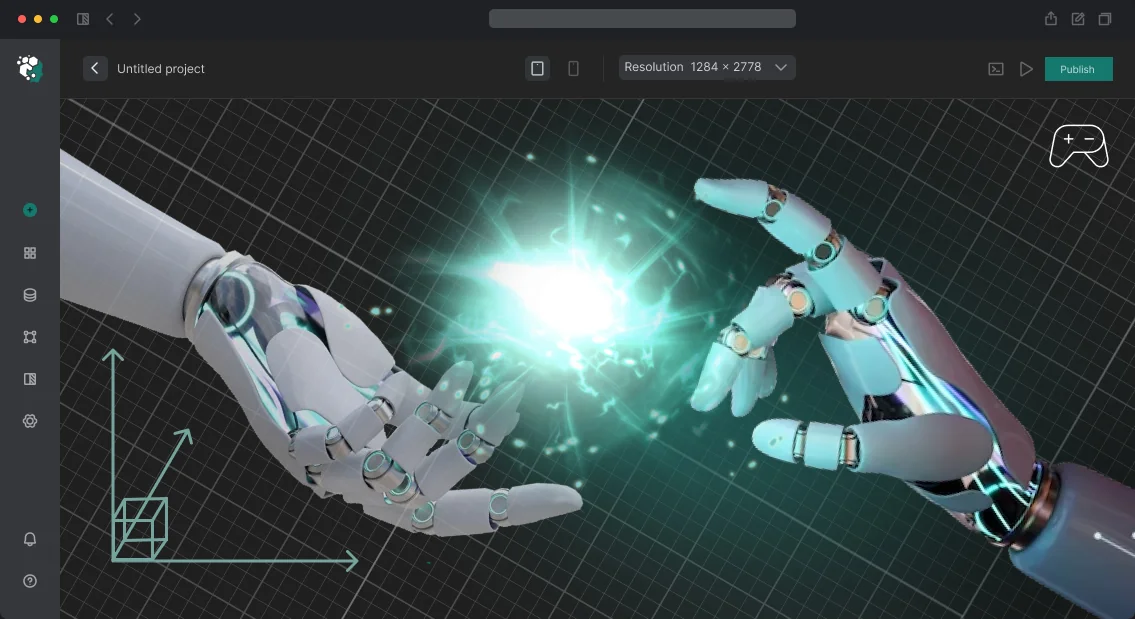
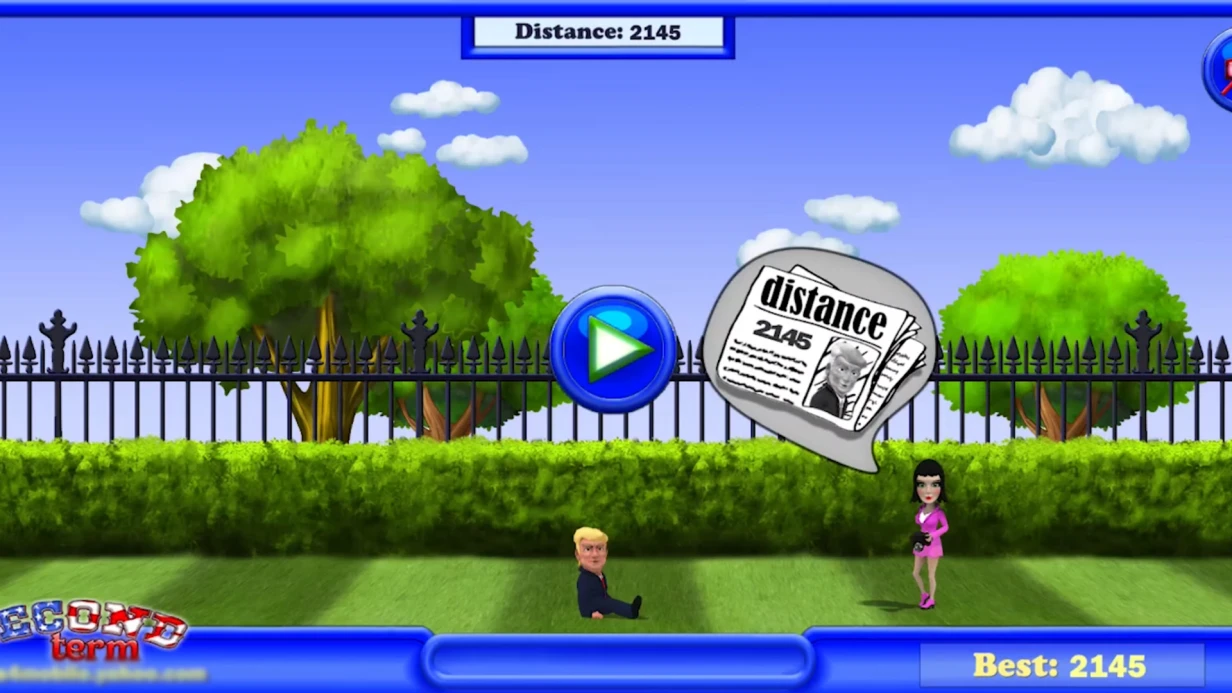
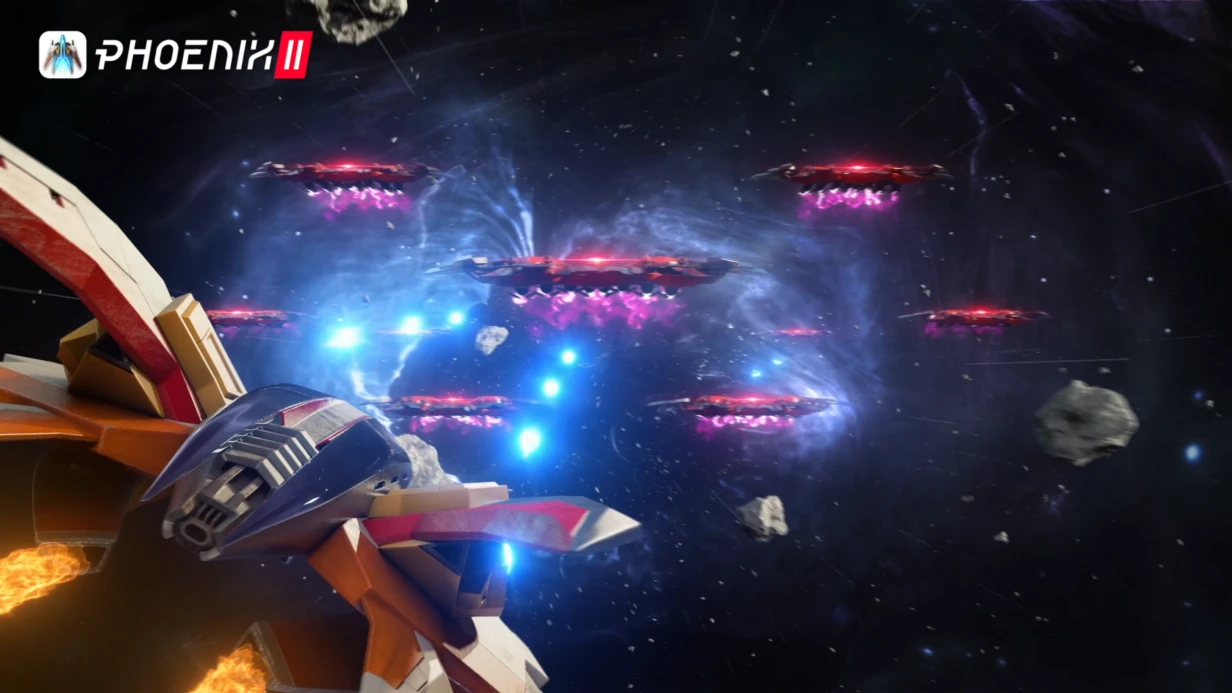
Visual style is the first thing a player sees before they even evaluate the mechanics. If the visuals don't grab attention, even deep gameplay goes unnoticed: the person scrolls past the store page and moves on to projects that look more interesting.
In indie development, where the promotion budget is limited, art becomes the main tool for attracting players — it works like a storefront, instantly communicating the genre, mood, and quality of the game.
Stylish abstraction solves two problems at once: it sets the project apart from hundreds of similar ones and makes it recognizable. Abstract forms aren't tied to realistic detailing, so they look fresh and don't age a year after release.
Such visuals are easier to adapt across different platforms and key art, and they also trigger an emotional response — the viewer either remembers the image or passes it by.
In an oversaturated gaming market, it's often the expressive visual language that makes a user decide to install.
Retaining the audience also directly depends on style. Players stay in a project when the visuals continue to please even after the hundredth hour: abstraction makes it possible to create a cohesive universe without the extra details that tire the eye.
Well-chosen color combinations and shapes hold attention without overloading perception, and a comfortable visual style reduces fatigue during long sessions. As a result, users return more willingly, recommend the game to friends, and stay in the community longer.
For indie teams, this is also a matter of survival. When there are no resources for expensive 3D graphics or photorealism, abstraction becomes an honest and effective solution: it highlights the author's signature style and turns limitations into an advantage.
Players value uniqueness — projects with a distinct style are more likely to get attention from the press, streamers, and viral distribution on social media. That's exactly why professionally crafted game art pays off even at the pre-order stage.
Wecreate abstract graphics that strengthen your concept and help the game stand out in the catalog. Our approach is not "just draw pictures," but building a cohesive visual language that works for retaining and attracting players.
Contact us — we'll show project examples where stylish abstraction became the deciding factor for success.
What 2D art development brings to your project
A unique style — your competitive advantage
In a sea of similar games, art decides whether the project is remembered. Abstract graphics let you create an image that can't be confused with others: the game stands out in the app store and draws attention on screenshots and covers. This is the first step toward a player choosing you.
Brand recognition on every screen
When the art follows a unified style, the game becomes part of the company's brand. Users recognize your product by colors, shapes, and characters even without a logo.
That recognition works for you constantly: after release, players share screenshots, and your other projects gain extra attention.
Engaging players through atmosphere
The abstract style creates a unique mood that keeps people in the project. Thought-out colors and shapes help players immerse faster without distracting from the mechanics. As a result, users progress level after level and keep coming back, spending more time in the game.
Direct impact on monetization and retention
Attractive art increases the game's value in the user's eyes: they want to unlock new heroes, buy cosmetics, and share their impressions. Combined with smooth performance in Unity, 2D art gives the game a professional look that justifies in-game purchases. The longer a player stays in the project, the higher their lifetime value to the business.
2D art formats for your game project's needs
Abstraction-style art is not just pictures — it's a tool that shapes the first impression of a game. Choosing the right delivery format lets you launch the project on time, avoid redrawing the graphics at later stages, and avoid paying extra for what you don't need.
That's why, before starting, we suggest looking at what stage the game is at and which elements will be needed in the next couple of months.
We've split the work into three levels: a minimum for a quick start, an expanded version for release or promo campaigns, and full support for ongoing game updates. Below is what these levels look like in practice.
The right format for your task
| Format | For whom | What it gives the client |
|---|---|---|
| Art pack "Start" | For small projects and prototypes that need to ship a version quickly | Basic backgrounds, sprites, and interface in a unified abstract style — the game looks cohesive from the first screens |
| UI design | For pre-release campaigns or advertising promotions | Clear buttons and menus that support the style and don't distract from gameplay |
| Level backgrounds | For games with multiple locations and story progression | A series of backgrounds that immerse players in the atmosphere and help them track progress |
| Character sprites | For projects where characters are a key part of the player experience | Expressive heroes that are consistent with one another and ready for animation and various game mechanics |
| Full support | For studios that are scaling up and releasing updates regularly | A unified art library, support, and new elements as the project grows — less manual work and faster releases |
If you're not sure where to start — go with the "Start" art pack. It covers the basic needs and lets you test audience reaction. When the game starts growing, just add the formats you need: interface, backgrounds, characters, or full support.
You focus on mechanics and promotion, while the art always stays in one style with no need for rework.
How art is created from brief to release
We've structured the process so you always know what stage the art is at and what you'll get as a result. Every step is coordinated with you, so the final result matches expectations exactly — no surprises and no drawn-out revisions.
-
Art brief — we conduct a short interview or accept a ready-made spec: style, goals, references, and where the art will be used. The outcome is a clear understanding of the task, documented in writing.
-
Work plan and timeline — we break the project into stages with specific dates and intermediate deliverables. You know in advance when the first sketches will appear and when the final set will be ready.
-
Sketch approval — we show 2–3 options in the chosen style, discuss them together, and make revisions. We approve the reference that guides all further work.
-
Art production — we create all the elements: characters, backgrounds, objects, animation-ready assets. You receive intermediate versions for review, not just the final file.
-
Project integration — we bring the art into the game environment and verify that everything looks cohesive and works correctly. You see the result in the context of the game, not as isolated pictures.
-
Technical support — after art handoff, we stay in touch. If details need adjusting, adapting for a new task, or explaining how to use the files — we're available.
What's included in stylish 2D art delivery
When you order 2D art in an abstract style, you get not just pictures, but a complete working package for launching the project.
We assemble the delivery so your team can use the art in the game right away, and you don't have to chase missing files or negotiate copyrights separately.
- Source files of all illustrations in editable layers. You can make changes for new tasks without going back to the contractor — just adjust colors or shapes with your own designer.
- Files in the required formats: from universal ones for previews and approvals to optimized ones for the game engine. You know in advance which file goes where.
- Direct Unity integration: characters, interiors, and backgrounds are already sorted into folders and ready for import with correct display settings.
- A commercial license with clear terms of use. The art can be used in your game projects, advertising materials, and presentations without additional payments or hidden restrictions.
- Instructions for working with the package: folder structure, export recommendations, what can be changed without losing quality, and what's better left as is.
- A preview of all interface elements assembled — you can see how the art looks in a real game scene before the final build.
This package saves your team time on preparation and approvals. You get a predictable result — and a foundation for further developing the style in future updates and projects.
Case study: how abstraction in art increased player retention
Initial situation
The client is a mobile game studio. Their puzzle game was downloaded well, but the audience churned after the first level: the interface felt overloaded, and the characters sparked no emotion.
Retention didn't hit the targets, and the budget for user acquisition kept growing — every lost user translated into money lost.
What we did
We redesigned the visual style into abstraction: large geometric forms, a calm palette, and clear accents on game objects. We also simplified navigation and made the transition animations smooth — this reduced cognitive load, and players understood what to do faster.
We worked at our team in tandem with the client's team: gathered references, drew the key screens, and ran a focus test before scaling the art across the entire project.
Result
A month after the update, day-one retention grew by 20%, and the share of players returning on day two increased by almost 1.5 times. The average session length also grew noticeably — people began completing more levels in a single sitting.
The client confirmed that abstract art isn't decoration but a retention tool. They've now ordered art for the next location from us and are preparing a second game in the same style. The case proved: a visual rethink pays off even without changing the mechanics.
How to choose 2D art for your game's tasks?
Choosing 2D art starts not with pictures, but with your game's goals: where it lives, who plays it, and what impression it should leave.
The abstract style is convenient because it isn't tied to a narrative — it works equally well in puzzles, educational apps, and arcades where holding attention without extra noise is key.
The art budget and timeline depend on the scope of work: one character and three backgrounds is one level of complexity, while twenty locations with animation is a completely different one.
To avoid inflating the budget, at the start we specify not the number of images, but the scenes where they'll be used. That way you get a transparent estimate and accurate deadlines before release.
Project specifics also drive the choice. Mobile and social games need art that reads well on a small screen, while a desktop version allows for more detailed textures.
Also decide in advance whether the game will be static or have motion — in the second case, each element needs additional source variants, and that affects production time.
Properly chosen art isn't an expense, but an investment: it makes the game recognizable, improves its position in app catalogs, and keeps players longer. When the style is unified, every frame of the game works for your brand.
We help you choose the scope of work for your budget: we send a clear plan with priorities and stages, then create art that solves your specific game's tasks. In the end, you get a visual foundation that pays off from launch day.
Answers to common questions about ordering 2D art
Most doubts when ordering 2D art concern not the quality of the artwork, but the processes: "will it be ready by release," "who owns the art," "how are revisions handled," and "what happens if something goes wrong." We've gathered answers to these questions so you can make a decision without guesswork or extra risk.
We work officially, with a contract and a clear scheme for every stage. Below are the key cooperation terms in brief.
What are the timelines for the art work?
The exact timeline depends on the scope: for a set of abstract textures or backgrounds, 5–7 working days are usually enough; for a complete game art package, two weeks or more. We fix the duration in the plan before work starts and stick to it.
You're never left in the dark: every stage (sketches, refinement, handoff) has its own deadline. If we see the timeline might shift, we warn you in advance and offer a solution.
Who owns the rights to the art?
After full payment, all rights to the created images transfer to you. This is secured as a separate clause in the contract, so you can use the art in the game, marketing materials, and on the website — without restrictions and without payments to the author.
We don't reserve the right to publish your art, resell it, or use it in our portfolio without your written consent.
How many revisions are included in the price?
The base price includes two rounds of revisions for each piece of art. That means you know in advance: the result will be exactly what you expect. If additional refinements are needed, one more round can be arranged within reason, subject to agreement.
Revisions are made before final delivery, not after. This protects your budget from unexpected surcharges and guarantees that the art will match your task.
How is transaction safety guaranteed?
We work under a service agreement. It specifies timelines, price, rights, acceptance rules, and confidentiality. Payment is split into stages: a prepayment to start and the final portion after the finished art is accepted.
This way you don't risk the full amount and always understand what you're paying for. If you need closing documents for accounting — we also handle that without any trouble.
Ordering art from a studio that takes responsibility for the process and is willing to put the terms in a contract is ordering a result without extra risks. We produce abstract style quickly, and we handle all organizational matters ourselves.Order 2D art and get a style people will remember
A style that sticks in memory is what sets a game apart from thousands of others. Abstract 2D art creates a unique atmosphere and triggers emotions even before the first moment of gameplay.
This turnkey art helps the audience recognize the product and return to the project even after time has passed.
A project's visual language is an investment in reach and player retention. We refine it from the first sketches to the final graphic elements so every detail works for the overall image and for your benefit.
Ordering 2D art from us, you get:
- A style for the game that strengthens the project's uniqueness and boosts memorability.
- A full work cycle: concept, sketches, final files, and engine adaptation.
- Ready graphics for game objects, backgrounds, interface, and marketing materials in a unified style.
- Post-delivery support: we quickly make revisions and refine details if requirements change.
- Transparent timelines and a fixed cost before work begins.
- A guarantee of originality and copyright ownership for all the art.
Ordering 2D art in an abstract style is choosing the path to a bold visual identity that doesn't get lost in catalogs. Leave a request on the website: we'll discuss your idea, show relevant examples, and calculate the cost.
After a short brief, we launch the process — and in a few weeks you'll have a finished style that players will remember.
Translate the above into English. Preserve structure exactly.