



Futuristics in 2D Art: How to Make Your Game Stand Out Among Competitors
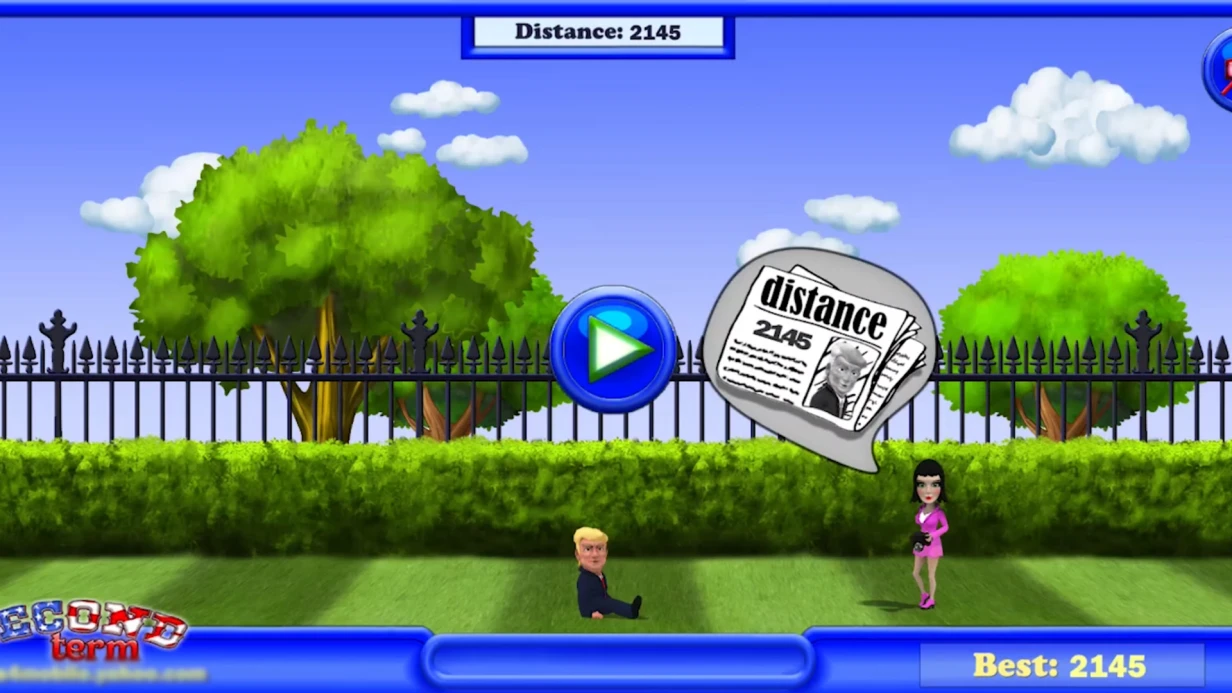
In game dev today, the main enemy is generic visuals. Every month, hundreds of games are released, and most of them use the same palettes, shapes, and techniques.
Users scroll through an app store in a couple of seconds — if the art doesn't grab attention from the first screen, the project goes unnoticed. In this situation, futuristics acts as a strong differentiator.
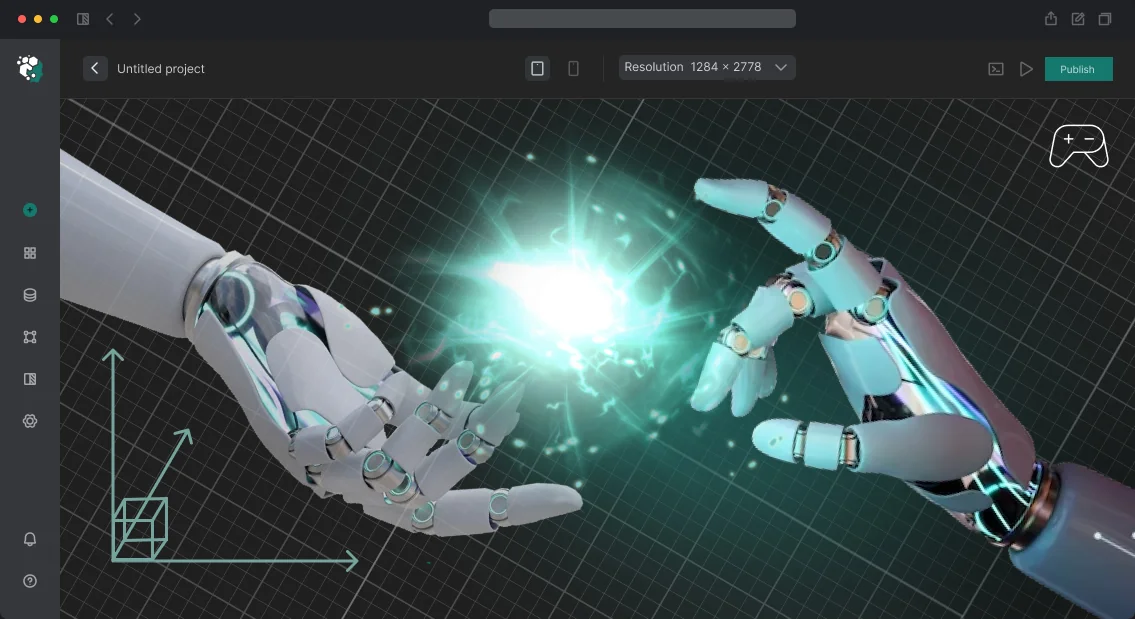
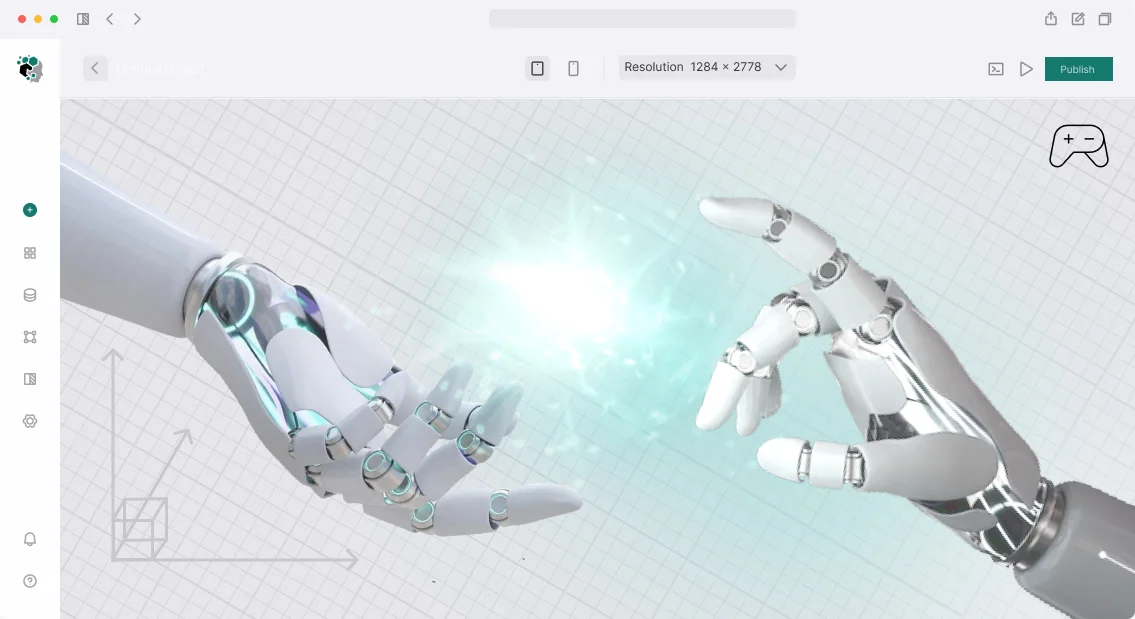
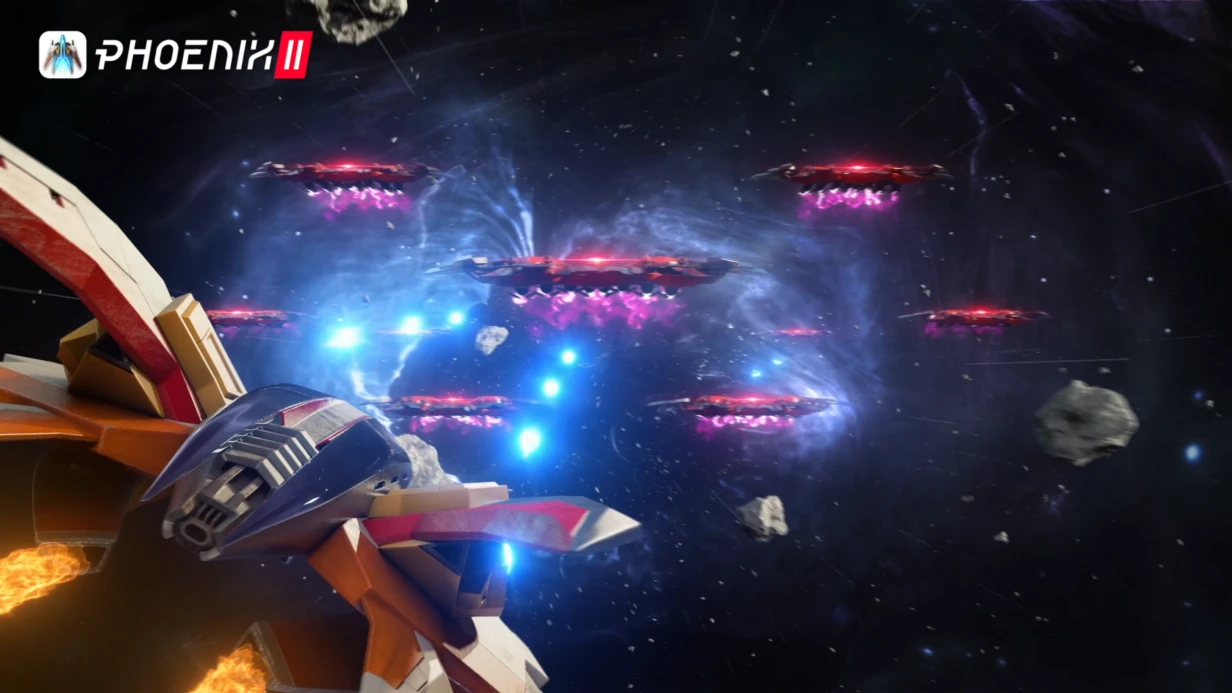
A futuristic art style is not just "neon colors." It's a cohesive visual concept that reads immediately: your game is about the future, technology, mystery, or ambition.
Such 2D art for games evokes emotions even before launch — it shapes the user's perception of the product, its mood, and quality expectations. And that means a higher chance of installs and first purchases.
For the client, this translates into a measurable result in the competitive landscape. A game with a recognizable style gets more organic traffic, is mentioned more often on social media and streams, and needs less aggressive advertising.
We've built experience in creating futuristic worlds — from gritty cyberpunk to clean, bright interfaces of the future. We help you choose a direction that matches your audience and budget.
We develop the concept together with you: we discuss the idea, target audience, and gameplay features — and only then do we pick up the brush. In the end, you get not just images, but a foundation for marketing: cover art, promo materials, hero and environment animations. Such an art style pays off not only in sales but also in brand recognition.
If you want your game to be noticed at first glance, consider the futuristic direction. We've already helped dozens of projects stand out — we'll tell you how we can do it for you.
What High-Quality 2D Art in a Futuristic Style Brings
High-quality 2D art in a futuristic style is not just pictures — it's a way to stand out and keep players engaged. Without stylish graphics, even good gameplay goes unnoticed.
When the visuals are consistent with a single aesthetic, the game is instantly understood and remembered. Check what such art delivers:
- Game recognition. An original style sets a project apart from thousands of similar ones: screenshots and cover art resonate with the audience, and gamers happily share them on social media.
- Player engagement. Environmental details, neon accents, and cohesive locations create an atmosphere players want to return to. Players spend more time in the game and get to know its mechanics better.
- Sales growth. Visuals directly affect conversion: a page with striking futuristic art attracts more clicks and more often leads to a purchase.
- Savings on rework. A clear stylistic direction from the start reduces the number of revisions and speeds up update releases — the team doesn't redraw objects after every piece of feedback.
Each point contributes to the main result: a game that gets noticed, gets played, and gets talked about. This is exactly the kind of 2D art we create for Unity — from concept to final sprites.
Go through the checklist: if at least one point falls short, it's worth refreshing the art. Leave a request — we'll discuss how to make your project visually strong.
Work Formats: From Concept to Finished Artwork
In game development, what matters is not just the idea, but how quickly it turns into an image the player will see. We offer three work formats so you can choose the one that matches your task, budget, and timeline — from testing a single hypothesis to full project support.
| Format | For whom | What the client gets |
|---|---|---|
| One-off art | Need a single concept, sprite, or background for a prototype | Fast result at a fixed price, no long-term commitment. Perfect for testing a style. |
| Turnkey set | Preparing a release or a major update | A complete set of graphics in a unified style: from characters to UI. Saves time coordinating multiple freelancers. |
| Outsourced team | Need new objects, characters, and animations regularly | A dedicated team that immerses itself in your project and works like an in-house department. Scales with your plans. |
Each format is structured so you see results at every stage. Start with one-off art — get a sense of the style and speed of work.
Then, if the task grows, move on to the turnkey set or ongoing support — without losing quality and with the confidence that all art will be compatible with each other.
We work closely with your team: you send references, we offer options, and we deliver final files in source form, ready to use in your Unity project. This way, you get not just images, but a working tool for your product.
How We Create 2D Art: Project Stages
Working on art is not "magic in a closed studio" but a clear route with checkpoints. You always know what stage the project is at, what's already done, and where you can step in to adjust direction.
We've structured the process so you get results without surprises: from the first brief to the final files. Below are five steps every project goes through.
-
Brief and references. We start with your task: game genre, platform, mood, and key scenes. We lock in expectations — style, complexity, timeline. You receive a description of the scope of work and a cost estimate before we start.
-
Concept and sketches. The artist offers 2–3 style and color scheme options. You choose the direction, and we establish it as the standard for all sprites and backgrounds.
-
Art approval. We show every key element at intermediate stages. You see progress and make revisions while changes are still cheap — without redoing finished scenes.
-
Final rendering. After your "OK," we polish the art to completion: detailing, lighting, animation layers. We use professional tools so sprites work correctly in the engine without distortion.
-
Project delivery. We hand over source files ready for integration into Unity. We do a quick check together with you — and make final adjustments if needed.
This process removes the client's biggest fear — "what if it turns out nothing like I imagined." All key decisions are made together, not after the finished result is delivered. You get art that strengthens the game's atmosphere, not just a set of pictures.
What's Included in the Delivery: A Complete Package for Your Game
After project completion, you receive not just a set of images but a complete working package — everything the team needs to load the art into the game right away and continue development without rework or surprises. Every file is checked, named according to project standards, and ready to use.
The delivery includes:
- 2D art set — all characters, objects, backgrounds, and UI elements in a unified futuristic style: from initial sketches to final versions.
- Art source files — editable layered files so your artists can quickly change a costume color, object scale, or add details for new mechanics.
- Sprite sheets — ready-made atlases with all character states and animations. Just drag them into the project and set up the logic.
- Separate layers for frame-by-frame animation — arms, legs, torso, and equipment elements on individual layers. The team can easily assemble new movements without redrawing.
- Art documentation — description of the palette, proportions, form-building principles, and drawing rules for your setting. Any new artist can continue the style without a learning curve.
- Technical specification — sprite dimensions, file formats, and import settings that we've verified in a build. Developers won't have to adjust everything manually.
We deliver the entire package in a structured form — organized by folders and events. You can immediately assess the scope and composition of the art, show it to investors or a publisher, and start game production without delays.
Case Study: How Futuristic Art Boosted a Game's Conversion
A client — a mobile game development team — had strong mechanics, but players left after the first launch. The problem turned out not to be gameplay but visuals: the art looked dated and didn't meet audience expectations.
Conversion to installs and in-game purchases remained low, even though the project was already on the market.
We proposed replacing the 2D art with a unified futuristic style — bright, tech-forward, with recognizable characters. We worked with a studio specializing in sci-fi projects.
This wasn't "just a redraw": the new art set the mood for the entire game, raised its visual quality, and increased trust in the product.
We measured the results two weeks after the update release. Day-two player retention grew by 40%, and the share of users making purchases increased by a quarter.
Conversion from page views to installs also rose noticeably — futuristic art became the main selling point when choosing a game in the store.
After that, the client renewed the contract and ordered art for the next levels. For us, this is the key indicator: when an art update directly affects product metrics, studios come back for more.
This case study is an example of how a well-chosen style turns visual design into a conversion growth tool, not just decoration.
How to Choose the Right Format for Your Task?
Choosing an art format comes down to three questions: what budget is allocated for 2D art, by what deadline the result is needed, and how complex the style needs to be.
There's no one-size-fits-all solution — sometimes off-the-shelf assets are enough, sometimes a unique futuristic style is needed from scratch. We help assess the task and offer a format that fits within your constraints without sacrificing quality.
Below is a comparison table of popular formats. This is a guide, not a strict cost estimate: at the brief stage, we define the scope of work and choose the optimal option for your game.
| Format | For whom | Budget | Timeline | What the client gets |
|---|---|---|---|---|
| Ready-made solutions and customization | Prototypes, first builds, indie projects | Economical | 1–2 weeks | Fast results, low cost, but limited uniqueness |
| Art based on references | Games with a clear visual style | Medium | 2–4 weeks | A recognizable style without lengthy detailing |
| Unique art from scratch | Flagship projects, futuristics | High | 4–8 weeks | Full authenticity, strong differentiation from competitors |
How do you know which one is right for you? If the game needs to get to testing quickly — choose the first format. If the "futuristic" style is critical to the atmosphere and there's time to spare — choose the third. The second covers most intermediate scenarios.
We also help with art style selection: we show examples, refine the palette and shapes so the visuals match your expectations and business goals.
After choosing the format, you receive a clear plan with stages and examples. From there, it's our job: from sketches to final rendering, with regular demos of intermediate versions. You always see how the art is evolving and can influence the process.
Common Client Concerns and Our Answers
Before ordering 2D art, many clients worry: what if the image doesn't convey the right atmosphere, revisions drag on, and deadlines slip? These are normal risks, and we've structured the process so each one is addressed before work begins.
What if the art doesn't match the expected futuristic style?
Before rendering begins, we lock in references and a visual direction: neon cities, digital interfaces, clean geometry. At every stage — from sketch to final render — you receive intermediate versions and confirm the direction.
If something isn't right, we make adjustments within the agreed revision scope. As a result, the art matches the style from the first presentation, not after lengthy rework.
How long will approvals and revisions take?
All revision timelines are built into the project plan from the very start. Typically, several iterations are allocated for each illustration — enough to bring the image to the desired level.
You're not left alone with the task: we proactively suggest how to improve the art and document our agreements. Additional changes are discussed separately, but unforeseen circumstances don't derail the overall schedule.
What if you don't make it in time for an event or launch?
Before starting, we create a detailed stage plan with dates and checkpoints. Every week you see progress on specific art pieces, not vague "work in progress" updates.
If we see that a stage is running late, we warn you right away and propose a solution. Over ten years of work, we've made it a habit to deliver projects on time, because it affects our own results.
These answers address clients' main fears: revisions don't turn into an endless process, the style hits the mark, and deadlines stay realistic. You get art that strengthens your game — and peace of mind at every stage of the project.Order Futuristic 2D Art Today
In futuristic games, atmosphere is everything: the player first reads the world — light, technology, textures, and interface. That's why it's so important to order 2D art that's stylish, cohesive, and won't slow down your project launch.
We help create visuals for Unity games turnkey: from initial sketches to final files.
Before ordering 2D art, run through this quick checklist:
- You've articulated your idea at least at the level of "neon city" or "space station."
- You've gathered a few reference images by mood and color so the artist can hit the style more easily.
- You've defined the scope: characters, locations, interfaces, or the entire game at once.
- You've indicated your desired timeline — we'll be able to match a team to your working pace.
- You know which platform the art is needed for: mobile, PC, or both.
- You're ready to receive art samples within one day of submitting your request.
The 2D artist services we offer are designed so you take no risk. After a short brief, we send several sketch options directly in your style. You immediately see how accurately we hit the futuristic look you need — before paying for the full scope. If the direction doesn't fit — we adjust the image rather than patching everything at the end.
If you're looking for where to order futuristic art for your game, you've come to the right place. Submit a request for game art: within a day, you'll receive several art samples adapted to your project. Then you can calmly decide whether to continue working with us. It's a convenient way to test the team without unnecessary commitments and with clear timelines.