



Does Your Game Look Flat? Isometric Art Will Solve the Problem
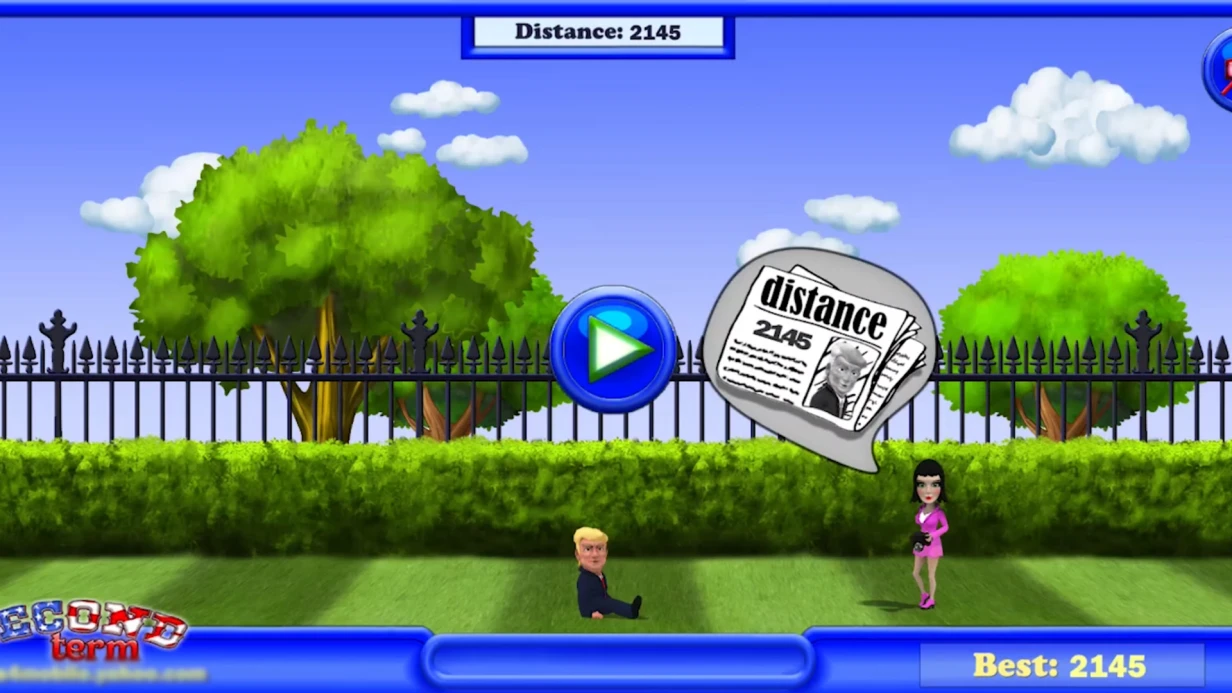
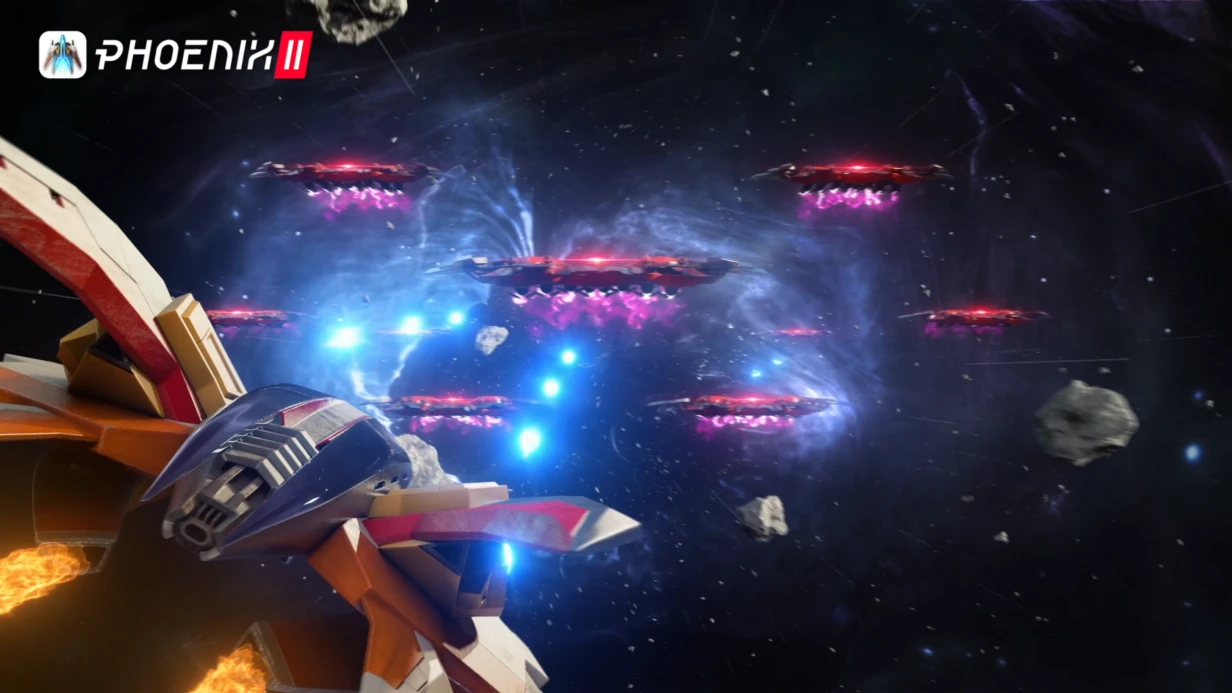
Players choose games with their eyes: the store cover, screenshots, first impression of the preview. If 2D art looks flat and generic, the project loses attention before it is even installed, even with strong gameplay.
Isometric art adds volume and depth — the image comes alive, and the game's style becomes recognizable and gripping.
Visuals affect not only first impressions, but also retention. Players want to return to an isometric game: the unusual angle and detailed elements create a sense of presence, and it feels comfortable to stay in a world that is pleasant to explore. This directly impacts sales and how much time the audience spends in the project.
For Unity projects, such art is a particularly strong move. We create 2D art for Unity games in a unified style: from first concepts to final sprites and environments.
We think through lighting, palette, and level of detail so the image stays vivid on any screen and device, and Unity art does not lose its character when scaled.
This approach solves the key problem — the game stops being “just another” title in the catalog. It gains a face, a memorable image, and a reason to be chosen. If you feel your project lacks a visual core, isometric art will help fix that and take the game to a new level.
5 Reasons to Order 2D Art from Professionals
When a player first sees a project, art creates the main impression. The first reason to order it from professionals is game recognizability.
High-quality 2D art builds a unique visual identity that cannot be confused with competitors, and well-thought-out characters and locations work like a brand: the game is recognized from a single image in the store or on a stream.
The second reason is engagement. Detailed worlds and expressive characters hold attention, help immerse players in the story, and evoke emotions. The better the art, the longer players stay in the project, the more willingly they return and tell friends about it.
The third reason is conversion. Art is what decides whether a potential player clicks on a banner or icon. In app stores and ad campaigns, professional visuals increase click-throughs, boost downloads, and positively affect sales of in-game items.
The fourth reason is style consistency. A professional team maintains a unified visual language across all elements — from interface to backgrounds. This makes the game polished and complete, simplifies further development, and helps avoid costly reworks.
The fifth reason is saving time and effort. Experienced artists build a clear process, meet deadlines, and deliver a result that does not need to be redone.
As a result, the benefits of quality 2D art directly affect project success: recognizability, engagement, and conversion grow along with the visual level.
2D Art Formats: Isometric and Other Styles
Choosing a 2D art format is not only about aesthetics: it affects development pace, content cost, and how the user reads gameplay.
In some cases, it is faster to launch a top-down view to test an idea; in others, you need the depth of an isometric style that immediately gives a “premium” look. We will help you choose a format that fits your goals and budget.
We draw each option on professional equipment and prepare it for Unity: sprites, atlases, and animations are already optimized for mobile devices and PC. Below are the main formats our clients order.
| Format | Best for | What it gives your business |
|---|---|---|
| Isometric | Strategies, simulators, top-down RPGs | Volumetric image without complex 3D graphics: faster to draw, easier to scale, looks expensive and catches the eye |
| Top-down (bird’s-eye view) | Casual games, arcades, rail shooters | Fastest level and art creation cycle — ideal for testing hypotheses and frequent updates |
| Side view (side-scroller) | Platformers, action games, story-driven quests | Focus on the character and emotions, simpler animations, players immerse in the story faster |
Thanks to a well-tuned pipeline, you get build-ready sprites and animations that easily integrate into the game. This saves weeks of development and accelerates the project launch — meaning you start earning sooner and get a return on investment.
Leave a request: we will show you examples of isometric projects and select the optimal format for your task.
How 2D Art Development Works: Stages
It is important for the client to see how the work is going and to know the result will be delivered on time. We structured the process so you control quality at every step, and revisions do not break the overall style. Below are the stages of creating 2D art for an isometric Unity game.
- Brief and requirement gathering. We discuss the genre, mood, and examples of games you like. We fix deadlines and the scope of work — you get a clear plan and budget before drawing starts.
- Style selection. We propose two or three isometric directions, show examples from our projects, and agree on the overall look. You approve the style before mass production begins — this saves time.
- Key object concepts. We draw test elements: a character, a building, or a central location. You see how the game will look and can make edits without redoing the whole work.
- Setting art standards. We choose sizes, proportions, and unified standards so the art stays cohesive on any device. This stage is invisible, but it guarantees the image will not “fall apart” in the game.
- Mass production. We create all objects according to approved concepts: environment, buildings, details. Every few days we show intermediate results — you see progress, not only the final file.
- Review and final revisions. We assemble the art into a single scene and check color and object compatibility. You give comments on details, and we bring the image to perfection.
- Source file delivery. We hand over all files in a convenient format, with structure and descriptions. You can easily pass them to developers or continue working with any other specialist.
As a result, you receive an art pack that does not need to be redone: every stage is approved, and the source files easily integrate into the game project.
What a High-Quality 2D Art Delivery Includes
When you order 2D art, you get not just pictures, but a complete development package: all scene objects, animations, and editable source files. This allows your team to start building immediately and avoid wasted time on reworks.
- All objects in a unified isometric style. Buildings, characters, trees, vehicles — all made on the same grid, with consistent lighting and color palette. Every element connects to its neighbors without seams, so the in-game image looks whole.
- A library of elements for levels. Ground, roads, water, walls, and decorative details — a ready-made set for building game maps. You simply place objects like a construction kit instead of drawing every location from scratch.
- Character and object animations. Walk cycles, work actions, interactions — already configured and integrated into the game engine. Characters and machines look alive, and your developers save weeks of creating animations from zero.
- Editable source files. You get the originals: you can change colors, shapes, sizes, or create variations of objects without paying again. Want to repaint a building facade? It takes a few minutes, not a full redraw.
- Ready for Unity use. All files are exported in universal formats and import into the engine without issues. Developers will not need to convert, configure, or rebuild the art — it already works.
- Documentation and support after delivery. The package includes folder structure, naming rules, and a description of every element. If questions come up during integration, we stay in touch and help — “done and forgotten” is not our approach.
Case Study: How Art Affected Game Sales
For isometric games, art is not decoration but the language the game uses to communicate with the player from the first screenshot. When the visuals are assembled in a unified style, users immerse faster and leave less often after the first launch.
A strong 2D art case study is measured not in drawings made, but in behavioral metrics: retention, session length, and willingness to recommend the game.
Case Study: We Redrew an Isometric World — Retention Grew by a Third
A studio contacted us. Their game had solid gameplay but was stuck on conversion to a paid action. The audience praised the mechanics, but dropped the project by the third level.
We conducted an audit and found the reason: the environment “argued” with the characters, objects blended into the background, and players lost visual reference points.
Over two months, we reworked key locations, the inventory, and the interface to a unified isometric grid without changing the mechanics.
The result of the art was direct: day-two retention grew by 32%, and the share of players reaching the final content increased by one and a half times.
These numbers also led to revenue growth: repeat purchases rose by a quarter, and the average session became almost twice as long.
Why This Works
In isometric games, the player looks at the world at an angle — visual noise directly interferes with navigation. When art solves this problem, the game “sells itself”: the user does not waste effort recognizing objects and stays in the project longer.
Since then, the studio has ordered art from us for two out of every three of its projects, and we provide ongoing support for Shadowforge. An investment in isometric art pays off not through pretty pictures, but through stable growth in retention and profit.
How to Choose an Art Style for Your Project?
Choosing an art style is not a matter of taste, but a strategic decision that affects how players perceive the game. The same project with different visuals can look either expensive and enticing or cheap and boring, even if the mechanics are exactly the same.
So before development starts, it is important to define what emotions and associations the product should evoke in your audience.
The isometric style is especially good when you need to show the volume of a world and the detail of objects without overloading the image.
It suits strategies, simulators, puzzles, and story-driven quests where it is important for the player to easily read the space and understand the logic of levels.
The key is to choose the right mood: warm cartoonish graphics relax, cold realistic graphics set a serious tone and deep immersion.
When choosing, we rely on several criteria: target audience, platform, genre, and project timeline. For example, a casual mobile game needs bright colors and simple shapes, because the screen is small and the player makes decisions in seconds.
A PC strategy can afford more detail and scene depth, but the art budget will be higher in that case.
It is also important to consider resources: the same isometric image can be drawn in different techniques, and production speed and cost directly depend on that.
We help you choose a style that gives maximum expressiveness for your investment, and we do not recommend overpaying for detail the player will not notice.
We start with references and test scenes — you see the result before full production and can adjust direction without extra costs.
In the end, art works for your business: it raises install conversion, holds attention, and builds brand recognition. Come to a consultation — we will discuss your project, audience, and goals, and we will offer 2–3 style options with examples and a cost estimate. This way you make an informed decision without risking time and money on unsuitable graphics.
Frequently Asked Questions About Ordering Art
You have already seen our work and are thinking about how isometric art will fit your game project. Before starting, clients most often ask about three things: timelines, revisions, and formats. We answer directly.
We structure our work so you have full clarity at every stage — from brief to final file delivery. This lets you plan the game launch or content updates without surprises.
How long does creating isometric art take?
The timeline depends on the number of objects and detail level. A standard set of 10–15 objects usually takes about two weeks. But we fix the exact timeline in the contract right after the brief, so you know the delivery date in advance and can plan accordingly.
What revisions are included in the price?
At the sketch stage, you can make any changes without extra charge. After the style and color palette are approved, the price already includes two rounds of revisions — that is enough to bring the art to perfection without unexpected surcharges. The terms are fixed in the contract.
What formats do you deliver art in?
You receive source files with separate layers — they are easy to open, refine, and move into Unity. We also prepare export copies that are immediately suitable for publishing. All elements are organized so you can quickly animate objects or change the color palette.
Let’s Discuss Your Project and Prepare Art
After your request, we do not start drawing blindly. First, we get to know your project, task, and audience so isometric art moves in the right direction from the first sketch. This saves your time and budget — fewer revisions, faster results.
Once you send a request, you go through a clear six-step path. Here is what happens after you decide to order 2D art.
- You leave a request on the website or write to us in any convenient way. A manager contacts you within one business day and clarifies project details.
- We hold an art consultation: we analyze the style, color palette, scene atmosphere, number of objects, and timelines. You get recommendations even if you are not yet sure about the details.
- We prepare task descriptions and select references. This is a visual foundation that lets you see how the game will look before any drawing begins.
- We create the first sketches of isometric objects and locations. At this stage, you can make edits to composition and detail without extra costs.
- We approve the final art and deliver files in the formats you need — for Unity, presentations, and promo materials.
- After delivery, we stay in touch: if you need to change details or refine assets, it happens quickly and without bureaucracy.
What do you get after submitting a request? A clear understanding of the scope and timelines, a preliminary cost estimate, and a ready action plan. All communication revolves around your product, not the studio’s internal processes — you always know what stage the art is at.
To order isometric 2D art and get a consultation, fill out the form below. We will reply within a day and offer a solution that suits your project specifically.