



Your game is losing players because of the art? Comic style will solve the problem
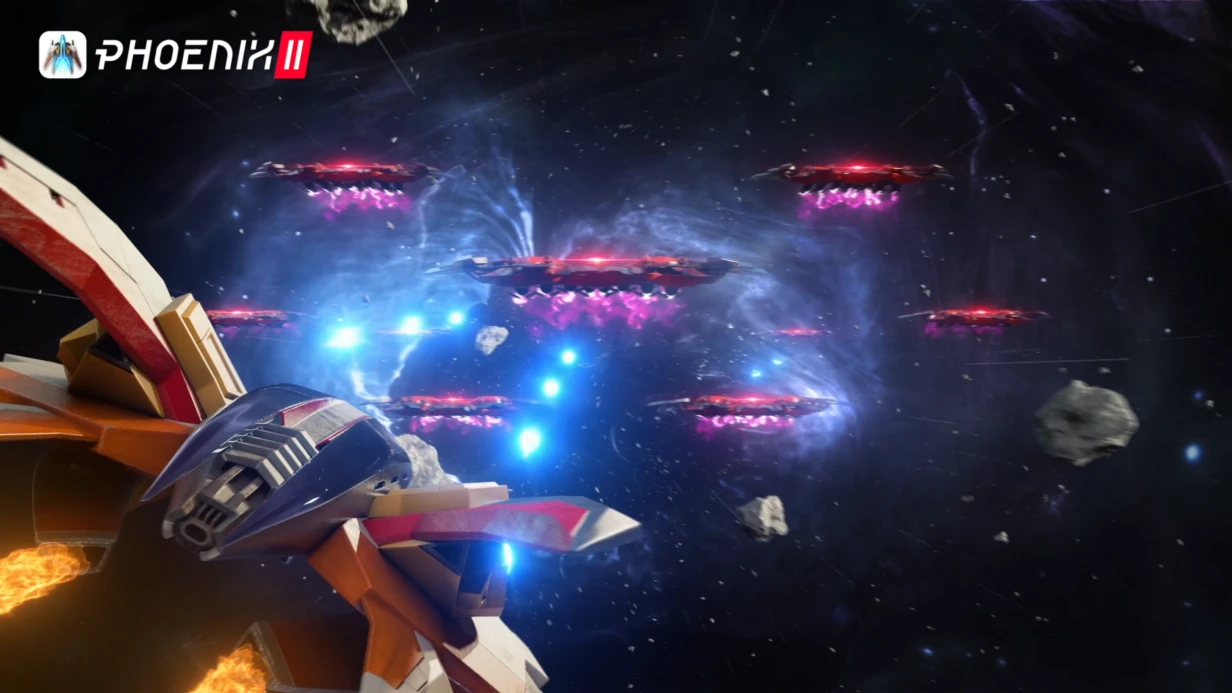
Players make their decision in seconds: they scroll through the storefront, see the preview, and move on if the image doesn’t grab them. Standard assets and faceless game art don’t inspire trust — the game seems like “one of thousands,” even if the mechanics are excellent.
Visuals are the first thing that speaks to the quality of your project, and without them it’s hard to get installs and keep attention.
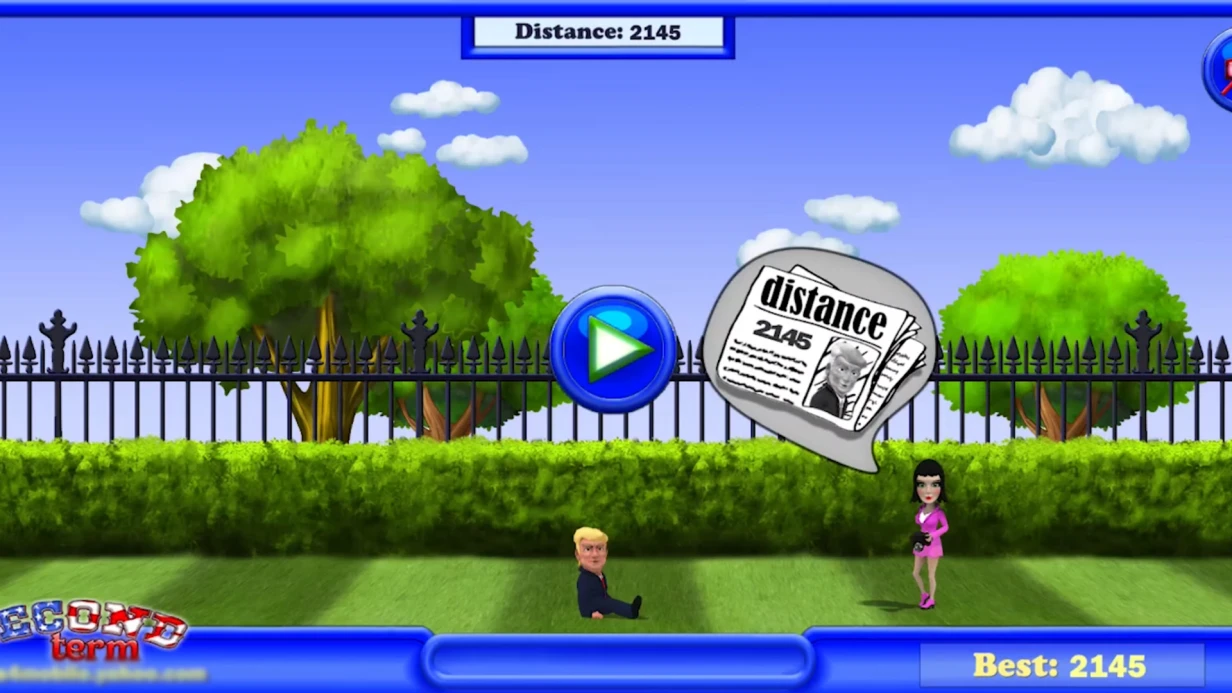
Comic style in games solves this problem: it instantly sets the product apart, gives characters personality, and creates an emotional connection with the player.
Bold outlines, dynamic poses, and expressive faces aren’t just a picture — they’re a way to tell a story without words. Such graphics are memorable, encourage screenshots and discussions, and that means free reach and higher engagement.
At our team we understand this well and solve the visual problem in your project. We create 2D art for games in comic style from scratch to match your product’s needs: from character design to backgrounds and interface.
As a result, you get not just a set of images, but a cohesive, unique art system that works for brand recognition and install conversion.
Such game art pays off at every stage: higher CTR on the storefront, longer sessions, more repeat visits, and more recommendations. Players come back not only for the mechanics but also for the atmosphere — and that atmosphere is created by the style.
Want your game to be remembered at first glance? We’ll create art that sets you apart from competitors.
What benefits a project gets from professional 2D art
Visitors see screenshots and the cover before installing — that’s what they use to decide whether the game is worth their time. A blurry or faceless image gets lost among thousands of competitors, while a bold style catches the eye and creates the desire to try.
Comic style has a special expressiveness: characters and scenes are read instantly, and that’s the first thing that makes your project stand out.
Well-thought-out 2D art directly retains players. When the world inside the game is drawn cohesively and carefully, users dive deeper into the story and come back to see new characters and locations.
This style builds loyalty — players recognize the game from a single frame in a trailer or a social media post, which means they share screenshots with friends more often. That leads to repeat sessions and higher retention without spending on additional marketing.
A unified visual style turns the game into a recognizable brand.
After several releases or episodes, the audience will start associating your project with a distinctive drawing style — it acts as a mark of quality and makes it easier to launch future installments, merch, and collaborations.
This is a huge resource for marketing: reach grows because fans spread the art and quote the style themselves.
A professional team creates art that adapts easily to different platforms: store covers, ad previews, blog banners. You get not just illustrations but a complete system that looks equally impressive on a small smartphone screen, a large monitor, or a short ad video.
In the end, comic style brings you both new players and a stable audience that stays with the project for a long time.
Formats for creating 2D comic-style art for games
For each project, we choose a work format that solves the task without unnecessary costs. When creating 2D comic-style art, we use two main approaches: a full cycle — from idea to a complete graphics set, and targeted refinement of existing art. The difference is not in quality but in scope and timeframes.
| Format | Who it’s for | What the client gets |
|---|---|---|
| Art under key | New project: a game from scratch or a major update when a cohesive visual style is needed | Full set of 2D graphics: characters, locations, objects, interface elements — everything in a unified comic style. One contractor is responsible for all the art, so you don’t need to coordinate different specialists. |
| Art refinement | You already have a game or part of the graphics; you need to add characters, redraw scenes, or adapt it to comic style | We preserve your project’s style and add elements so they look organic. A quick result without launching a full cycle and with minimal interference in the existing structure. |
In both cases, we work in the Unity environment — this lets us integrate the art into the project without rework or technical surprises at the junction of graphics and code.
Comic stylization here is not just a “pretty picture” but a well-designed visual language: outline, fill, shadows, and frame dynamics — everything serves the genre and character of the game.
If the project is just starting and needs a cohesive look, choose art under key. If the game is already live and you want to strengthen it with new characters or update locations, art refinement will solve the task faster and cheaper. Either way, we start with a brief and show style examples before the main work begins.
Stages of working on 2D art for your game
A clear process is the key to a predictable result. We deliberately divided the 2D art work into stages so that you can see progress at every step and understand what’s happening.
This approach removes uncertainty: you know the timeline, approval points, and revision scope in advance.
- Brief and analysis — we start by discussing your game, target audience, and “comic” style examples. As a result, you get a work plan with realistic development timelines and a list of necessary art elements.
- Concept — we create 2–3 versions of the main character or key object. You choose the direction, and only then do we move forward.
- Art approval — we show the first version of all elements in a unified comic style, record revisions, and clarify details. You approve each item — no unexpected decisions without your knowledge.
- Final set rendering — we refine sprites, backgrounds, and interface while maintaining a consistent style and readability. The result is a complete graphics set ready for use in the game.
- In-project testing — we integrate the art into Unity, check animations, colors, and compatibility across all screens. You see how the game looks in action and give the final go-ahead.
- Delivery and support — we hand over source files and convenient formats, help with integration, and stay in touch if further refinements are needed.
This makes the 2D art creation process transparent: you always know what stage the project is at and can influence the result. No “black box” — only clear steps, precise timelines, and comic style that will delight your players.
What’s included in the 2D art delivery for the game
The 2D art package includes not just a set of images but a system your team can work with right away. You get source files, ready-to-use sprites, adaptations for different formats, and a guideline — everything so that artists, developers, and producers speak the same language.
Here’s exactly what’s included in the delivery:
- Art source files — editable layered files: characters, backgrounds, objects, interface elements. If edits are needed later, they can be made without redrawing the entire project.
- Ready sprites — exported images optimized for Unity: heroes, animation frames, environment pieces, effects. They plug into the project without additional work.
- Format adaptations — versions for different screen resolutions and orientations: portrait and landscape. The game looks equally good on phones and computers.
- Comic style guideline — palette, line thickness, shadow and fill rules. New objects created by your team will fit harmoniously into the overall style.
- Delivery map — file list, folder structure, and naming conventions. A developer can quickly find the right element and add it to the scene without errors.
- Optimized sprite sets — images are grouped so the game runs smoothly and uses memory efficiently even on mid-range devices.
The entire delivery is organized according to a single standard. So after handover, you’re not dependent on a specific artist: the art can be refined, scaled, and reused in future games.
Real case: metric growth after an art redesign
When art doesn’t meet audience expectations, metrics drop even with strong mechanics: players leave after the first level, paid content doesn’t sell, and reviews are full of the phrase “it doesn’t hook.” A casual puzzle developer, Green Pixel, came to us with exactly this request — the game was technically sound, but the visuals looked flat and got lost among competitors.
We proposed redesigning the art in comic style: bold outlines, lively expressions, and comic effects on successful moves. In two weeks, we updated the key screens — from the icon to the final level card. The art became part of the gameplay mechanics, not just a background picture.
We measured the results a month after the update. Day-2 retention grew by 31%, average session duration increased from six to nine minutes, and conversion to paid content purchases rose by 22%.
Players themselves started sharing screenshots and writing in reviews that the style was the main reason to come back.
This 2D art case became an example of a successful project for us: game metrics grew without changing mechanics — only through the visual language. If your project isn’t showing the results you want, maybe the problem isn’t the mechanics but how users see it. We take on such tasks end-to-end, estimate timelines accurately, and show results at every stage.
How to choose the right 2D art format for your task?
Choosing a 2D art format starts not with images but with answering the question: what should the game do for your business? If it’s a short ad mechanic or a viral quiz for a product launch, bright characters and simple backgrounds are enough.
If the game will be part of customer retention or a standalone product that sells itself, the art must endure dozens of hours of contact: detailed locations, animation, variety of enemies. Define the goal — and the budget will distribute itself.
The second criterion is the nature of interaction. For casual mechanics where a player spends 5–10 minutes per session, a graphic comic style with solid fills and clear outlines works well: it reads perfectly on any screen and doesn’t require pixel-level detail.
For story-driven games where players return for weeks, it’s better to invest resources in expressive heroes and emotions conveyed through poses and facial expressions — that’s what holds attention, not the number of shadows.
The third step is to understand who your audience is. Children and family users respond faster to round, “cartoonish” characters, while younger and adult audiences prefer stylized looks with character, slight line imperfection, and dynamic angles.
The same comic style can be delivered in different ways, and we help you choose the edge that speaks your client’s language.
Finally, evaluate the frequency of updates. If content will change every month — seasonal events, new levels, characters for ad campaigns — the art must be modular.
That’s a matter of a systematic approach to design: a limited palette, ready-made pose templates, a library of shapes. We’ll advise where to invest in a foundation so each new element costs less without losing quality.
Define your task in terms of “what the player should feel” — and we’ll handle the technical execution.
Answers to common questions about ordering 2D art
Before ordering art, every client asks the same questions: will you meet the deadlines, how many revisions are included, and most importantly — will the result work properly in Unity. Here are short, honest answers so you can already understand how we work.
How long does it take to develop 2D comic-style art?
The timeline depends on scope: a set of 10–15 assets is usually ready in 2–3 weeks. The key point is that we set the deadline in the contract and send a stage-by-stage plan with intermediate delivery dates. You always see what stage the work is at and when you’ll receive the final files.
How many art revisions are included in the cost?
The cost includes 2–3 rounds of revisions — that’s enough to bring the style to the state you need. We keep working until you accept the result. If new ideas come up after sign-off, they can be added as a separate stage with its own timeline and price.
Will the art be compatible with Unity?
Yes. We provide source files in formats that import easily into Unity and don’t “fall apart” when resolution changes or animation is configured. We also provide recommendations on resolution and layer slicing so integration goes without surprises.
What guarantees do I get that the result will suit me?
Everything starts with a brief and references — we approve the style and mood before rendering. At every stage, you see intermediate versions and adjust them. If the final art doesn’t match the approved technical specification, we return the prepayment. We take the risk on ourselves.
We’re interested in long-term work, so we don’t hide behind a contract — we build a transparent process: a clear brief, fixed deadlines, included revisions, and compatibility with your engine. Ask us your question and we’ll answer personally before the project starts.Ready to get bright 2D art for your game? Contact us!
You’re already ready to give your game character and vibrancy — all that’s left is to take the first step. Leave a request, and we’ll handle all the preparatory work: from discussing references to a ready-made launch plan.
You don’t need to understand art processes — we’ll briefly and clearly explain how your comic style will look in the game and what’s needed for that.
Right after you contact us, you’ll receive:
- an art consultation — we analyze your task and suggest a stylization that strengthens the game’s genre;
- a selection of examples with striking comic solutions so we speak the same language;
- a preliminary cost and timeline estimate for your budget — no hidden conditions;
- a clear work plan: from sketches to final textures, with approval checkpoints;
- recommendations on how the art will look in game motion and on storefronts.
To order 2D comic-style art, fill out the form on this page or write to us in any convenient way. In our reply, we’ll ask 3–4 clarifying questions to calculate the cost of your specific project — and within a day you’ll know how to start the project with minimal risk.
Don’t put off visually strengthening your game — the first step takes two minutes, and a bright style stays in players’ memory for a long time. Contact us, and we’ll turn your idea into ready-to-show art that people want to share.