



Cartoon Style in Games: Why It Brings Profit
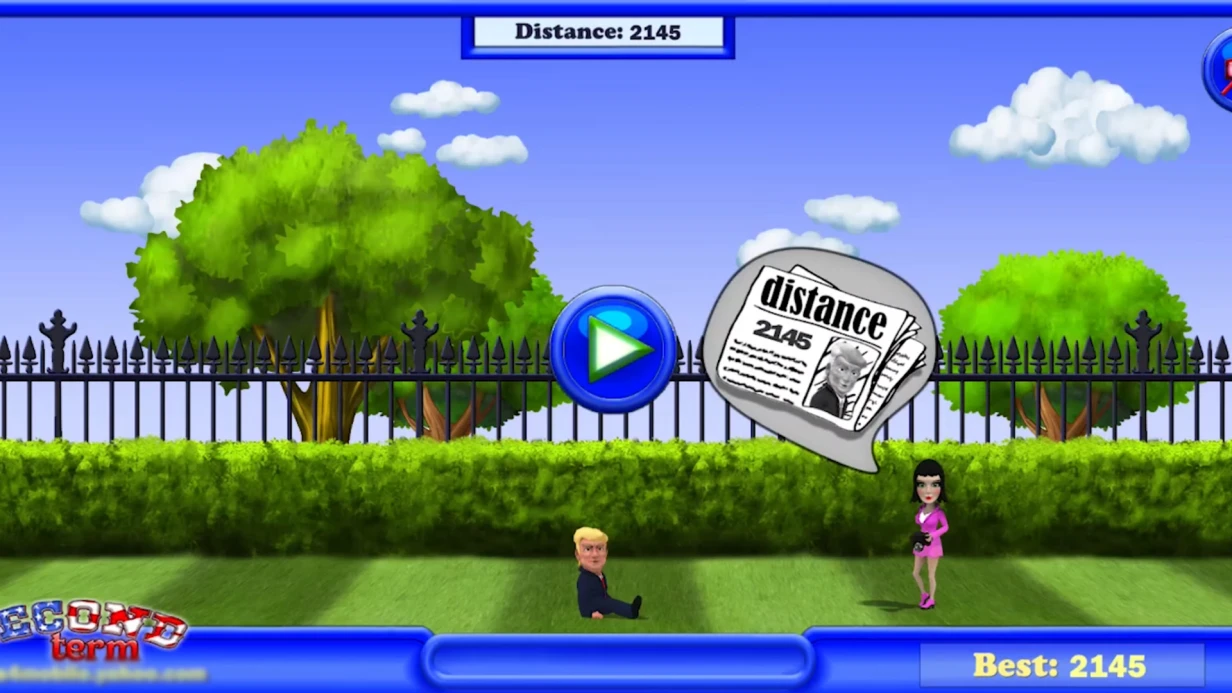
Cartoon style is not just a picture on the screen; it is a way to make a statement from the very first moment someone sees your game. A user decides within a couple of seconds whether to download the project, and it is the visuals that become the main argument.
Colorful, lively graphics stand out among gray “realistic” competitors and work better than any advertisement.
Why does this kind of 2D art for games bring profit? First, it increases conversion to installs: the store page is remembered, and familiar shapes bring a smile and a desire to try.
Second, cartoon style forgives more — it remains pleasant even on weak devices and does not expose small animation flaws. Third, this style is easy to scale: icons, avatars, characters, and interface tie together into a single branded image that turns into a recognizable brand.
Standing out among competitors is a critical task in mobile stores, where there are tens of thousands of similar projects.
A bright cartoon style catches the eye even in a dense feed, and a player who enjoys the visuals is more likely to return to the project and share it with friends.
This means more repeat visits, more views, and more revenue — a result that pays back the investment in art with room to spare.
We create 2D art for games specifically in cartoon style: we design characters, backgrounds, and interfaces to fit your mechanics and target audience.
We work with professional tools and Unity so that every image is not only beautiful but also ready to use in the engine. As a result, you get a stylish game that appeals to your audience and brings profit.
What High-Quality 2D Art Changes for Your Project
A gamer sees with their eyes: they start judging how a game looks before they understand the mechanics. If the visuals do not grab them, a person simply swipes past the store page or forgets the project within a minute.
High-quality 2D art in cartoon style is not just a “picture” — it is your main tool for attracting and retaining attention.
Art Creates the First Impression
Cartoon style evokes warm emotions and instantly sets the project apart from gray “lookalike” games. Bright, lively visuals remove the barrier to trying the product — a player doesn’t dig into code; they trust their eyes.
The Game Becomes Recognizable
Thought-through characters and styling create an image that stays in memory after the app is closed. This is how word of mouth is born: a player tells friends “it looks great” and brings new users without any advertising spend on your part.
Engagement Starts with the Picture
In cartoon art, people see character, story, and mood. This draws them in more than dry stat numbers. A player stays in the project longer, returns more often, and is more willing to show the game to friends — all of this directly affects retention metrics.
Conversion to Payment Grows
Visuals also work at the most important moment — when a player decides to pay. The in-game shop, avatars, and battle passes are trusted more when they are designed in a cohesive, high-quality style.
There is no need to explain what the player is buying: cartoon art itself tells them this is interesting, safe, and worth the money.
Our team builds an art style that holds attention, increases recognition, and turns visual interest into real payments. One project — a complete visual system that works for your business results.
Formats for Ordering Cartoon 2D Art
Cartoon 2D art solves several tasks at once: character recognition, ease of interface perception, and an emotional connection with the player.
But different stages of a project require different amounts of work — from a couple of sprites for a prototype to a full art pack for release.
We don’t tie you to a single format: you can start with a minimal set and then scale up. Below are the options our clients choose most often and what they get in the end.
| Format | For Whom | What It Gives the Client |
|---|---|---|
| Individual sprites | Studio or indie developer at the prototype stage | Quickly fill visual gaps — add an object, item, or UI element without lengthy approvals |
| Concept art for characters and environments | Team before active development | A unified style vision for the whole game, fewer reworks at later stages |
| Turnkey art pipeline | Production with a limited deadline | Full cycle: from sketches to optimized sprites ready to be dropped into Unity |
| Character pack | Games with multiple heroes or NPCs | A cohesive set in one style — all heroes look like part of the same world |
| Environment pack | Story levels, locations, arenas | Ready-made backgrounds and tiles that assemble into scenes without your involvement |
With any of these formats, you get source files and Unity-adapted files. This allows you to continue developing the game independently with other contractors or your own team after delivery.
Art Production Stages: A Clear Plan for the Client
A transparent process is the key to a predictable result. So that you can see how the work is progressing and influence it at every step, we have split the project into clear stages with fixed approval checkpoints. Below is a typical art production plan.
How We Work
- Art brief. We gather your requirements: style, references, atmosphere, target audience. We clarify where the art will be used — in the game, on a landing page, or in promo materials.
- Work plan. We create a schedule with dates and a list of deliverables: which elements we will draw, in what formats, and by what date. You get a clear estimate with no hidden tasks.
- Concepts and sketches. We show the first drafts. This is the stage where it is easiest to adjust direction, so we approve the concept before detailed rendering.
- Approval of intermediate versions. For each element, we send options; you leave comments — we make changes. Iterations continue until it is “as intended”.
- Implementation. We render final sprites, backgrounds, and characters — in a unified cartoon style with the required level of detail. We check how the art looks in the engine.
- Game launch. We hand over files adapted for Unity: sliced, optimized, and ready to be embedded. We help developers integrate the art correctly.
- Post-launch support. We stay in touch: we finish small elements, update art for new mechanics, and answer the team’s questions. This removes the risk of “everything is done, but something was forgotten.”
Each stage is documented in a short status report, so you always see what has been done and what comes next.
This plan helps avoid misunderstandings and unnecessary revisions at later stages — which means the art is delivered on time and delights players from the very first screen.
What’s Included in the Final Art Pack
The final art pack includes everything needed to launch 2D graphics in the game without additional approvals or rework. You get not just a set of images but a complete solution: from source files to instructions on how to use them.
This keeps the art cohesive, and your team spends time on gameplay rather than “stitching together” graphics.
- Source art assets. All elements are delivered in editable formats: your team can adjust color, details, or scale, or you can return to us for refinements — without losing quality or starting from scratch.
- Unity adaptation. Sprites and animations are already configured for the engine: pivot points are set, sizes and scales are correct. The developer just needs to drag elements into the scene — saving integration time.
- Style guidelines. A document with rules: palette, proportions, stroke thickness, light and shadow. If the game expands, new objects will easily fit into the visual language — even if another artist draws them.
- Optimized texture atlases. All elements are packed into atlases that assemble automatically. The game loads faster, and weak devices don’t stutter due to heavy graphics.
- Prefab library. Reusable objects are already assembled for Unity: characters, environment objects, UI elements. This speeds up prototyping and level assembly.
- Layer and naming documentation. Everything is labeled and structured according to a single principle — any developer can quickly find the needed element and understand what to do with it. No more “numerous files in unclear folders”.
- Post-delivery support. If questions arise during integration, we help with setup — this is included in the cost. You are not left alone with confusing art.
Essentially, this is a “boxed” solution: take it, plug it into your project, and get a game with cohesive cartoon graphics. You pay once for a complete set, rather than overpaying for “finishing touches” and fixing a messy import. This approach saves weeks of work and eliminates surprises at the build stage.
Case Study: An Art Style That Increased Player Retention
Art is not just “a picture for a game” — it is the first impression that either keeps a player in the first minutes or sends them looking for another similar game.
For one of our client games — the cartoon time-killer Happy Farm — the problem was precisely the visuals: the game had decent mechanics, but due to overloaded realistic graphics, users left after the very first session.
We proposed redesigning the art in a cartoon style: bright characters, a warm palette, simple, readable shapes.
Over 4 months, we completely redrew the key objects and the interface. Maintaining the style across all screens and animations made the project friendlier, and players began to engage emotionally faster.
The effect was confirmed not in words but in numbers — after the update’s release, we recorded noticeable growth in retention and conversion metrics. Here is an excerpt from the analytics after the first few weeks:
| Metric | Before Redesign | After Cartoon Art | Change |
|---|---|---|---|
| Day-1 retention | 28% | 36% | +28% |
| Day-7 retention | 8% | 12% | +50% |
| Purchase conversion | 3.2% | 3.9% | +22% |
Player retention is the main revenue driver for mobile projects, so even a couple of percentage points here means a tangible LTV increase. Our art development case showed that cartoon graphics pay off not only in player sentiment but also in direct financial results.
A month after the redesign, the team received more positive reviews in the stores and a steadily growing audience, and we gained a client who returned to us almost immediately for the next project.
Frequently Asked Questions About Deadlines, Revisions, and Guarantees
We understand that when ordering game art, the main doubts concern deadlines, the amount of revisions, and guarantees. That is why, before the project starts, we record all agreements in writing, and you can always see what stage the work is at.
What are the art production deadlines?
Deadlines depend on the volume and complexity of the characters, locations, and objects. At the brief stage, you receive a calendar plan with specific dates for each stage — from sketches to final delivery.
If you need an accelerated release, we will discuss priorities and simplify certain elements without losing quality.
How many revisions are included in the cost?
Each stage includes two rounds of revisions — enough to bring the art to the desired result. All feedback is accepted in whatever format is convenient for you: comments on mockups, screenshots, or a text description.
If additional changes are needed after the second round, we will agree on the cost in advance — no surprise surcharges.
How can I control the process?
We work in iterations: after each stage, you receive an intermediate result and approve it before moving to the next. Access to the shared chat and project files is open throughout the entire development period. You always know what has been done, what is in progress, and what tasks remain.
What do you guarantee if deadlines are missed?
We take on a limited number of projects so we can give each one proper attention. The schedule is fixed in the contract, and compensation is provided for each day of delay caused by us.
If a project is delayed due to misunderstandings in revisions, we extend the stage free of charge so that you get a result, not endless rework.
Discuss Your Project: Get an Art Plan and Timeline Estimate
We understand that before entrusting us with art, you need to see how it will fit your project, how long it will take, and what it will become in the game.
That is why, after your request, we do a quick analysis of your idea, show examples of cartoon style, and prepare a plan — from initial sketches to final delivery.
You will receive a concrete commercial proposal with the stages, scope of work, and timeline estimates — with no hidden “surprises” and no need to guess the details.
Already at this stage, you will understand what your 2D art will look like, which characters and locations will appear first, and how we will structure work with your team.
Your inquiry gives you:
- an analysis of your project and a selection of cartoon art styles for your target audience;
- a step-by-step art plan: from references and sketches to final assets;
- an honest timeline estimate for each stage — no “approximately”;
- a commercial proposal with a fixed scope of work;
- agreed formats and requirements for handoff to Unity;
- a dedicated manager and direct contact with the art director.
This comes with no obligation: you get a transparent picture, and we get a chance to win you over with our approach. Many clients order 2D art after the first call because they see precise deadlines and a clear process.
Leave a request — we’ll discuss your project, answer your questions, and prepare a plan that will definitely be comfortable to work with.
How to Choose a 2D Art Format for Your Game Genre?
Choosing a 2D art format directly affects how players perceive the project and how quickly it reaches the market.
Cartoon style suits almost any genre — from puzzles to role-playing games — but the volume of work changes with the genre: the number of characters, locations, items, and animations grows as the game becomes more complex.
For casual games and simple mechanics, a compact set is enough: a bright hero, a few backgrounds, basic animations, and an interface. This level of artwork helps you launch faster and test the idea on real players without extra investment.
If the game relies on a story or long-term progression, the art must hold attention: expressive characters, changing locations, emotions, and details that sell the atmosphere.
The art budget is formed not from a price for “style” but from the volume of work: the number of heroes, scenes, items, and animation states. So before starting, it is worth selecting what truly affects player retention and revenue, and leaving the rest for later stages. This protects you from overpaying and shortens the time to launch.
We help you estimate this volume for your specific genre and budget. Send us a project description — we will offer several art pack options: from a minimal set for the first version to a complete package for promotion.
You will see in advance what is included in each stage and can scale the work without losing quality.
In the end, you get not just images but a clear plan: a predictable scope, realistic deadlines, and a style that works for recognition and retention. The format is chosen based on your tasks and budget, not the other way around.