



Why Your Game Blends in With Competitors Without Neon
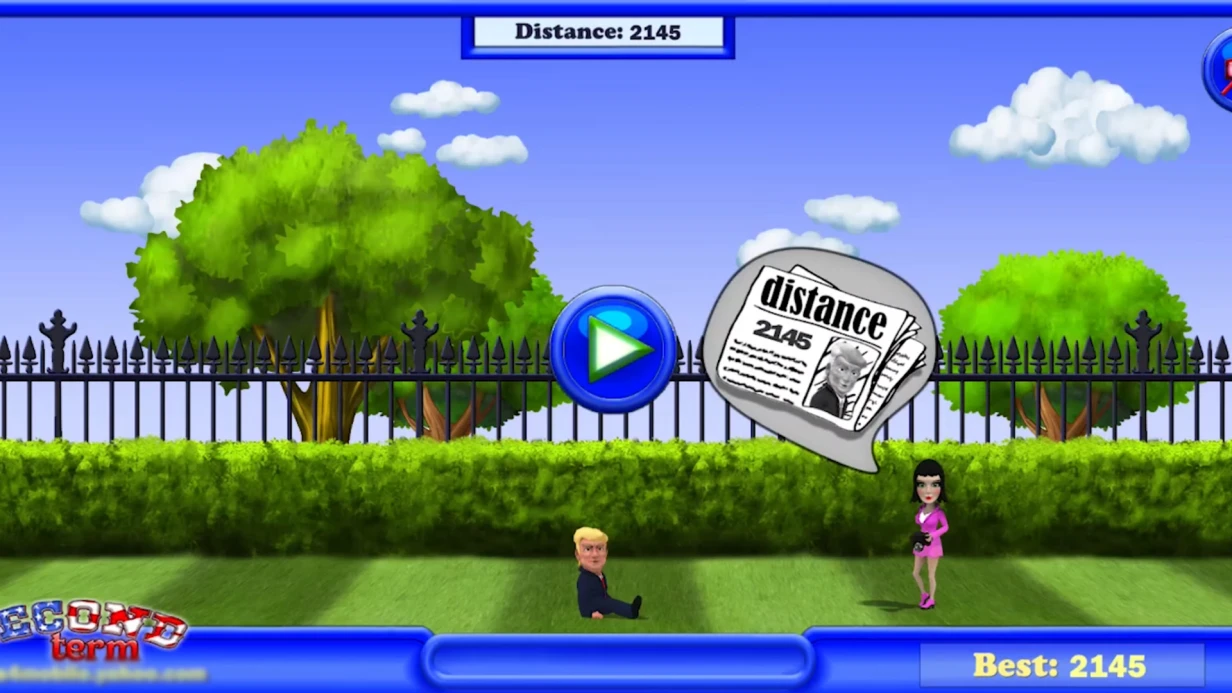
When a player opens an app store, in three seconds of scrolling they see dozens of similar games—and pass by faceless projects. Without a distinctive visual style, your product becomes just another image in the feed that no one remembers. Yet it is the first impression that decides whether a user taps “Install” or keeps scrolling.
A game without a striking visual language loses players before it is even launched: it evokes no emotion, sparks no curiosity, and gives no reason to choose it. As a result, installs drop, and the money invested in development and promotion doesn't pay off.
The project ends up in the shadow of competitors who invested in recognizable art and speak to the audience in a language it understands.
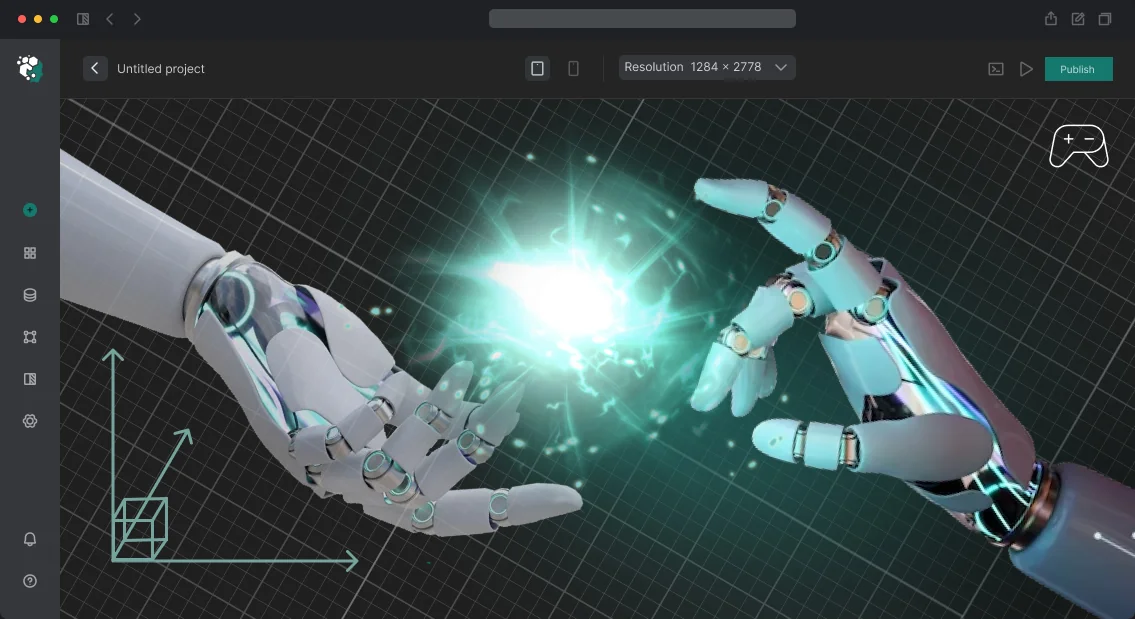
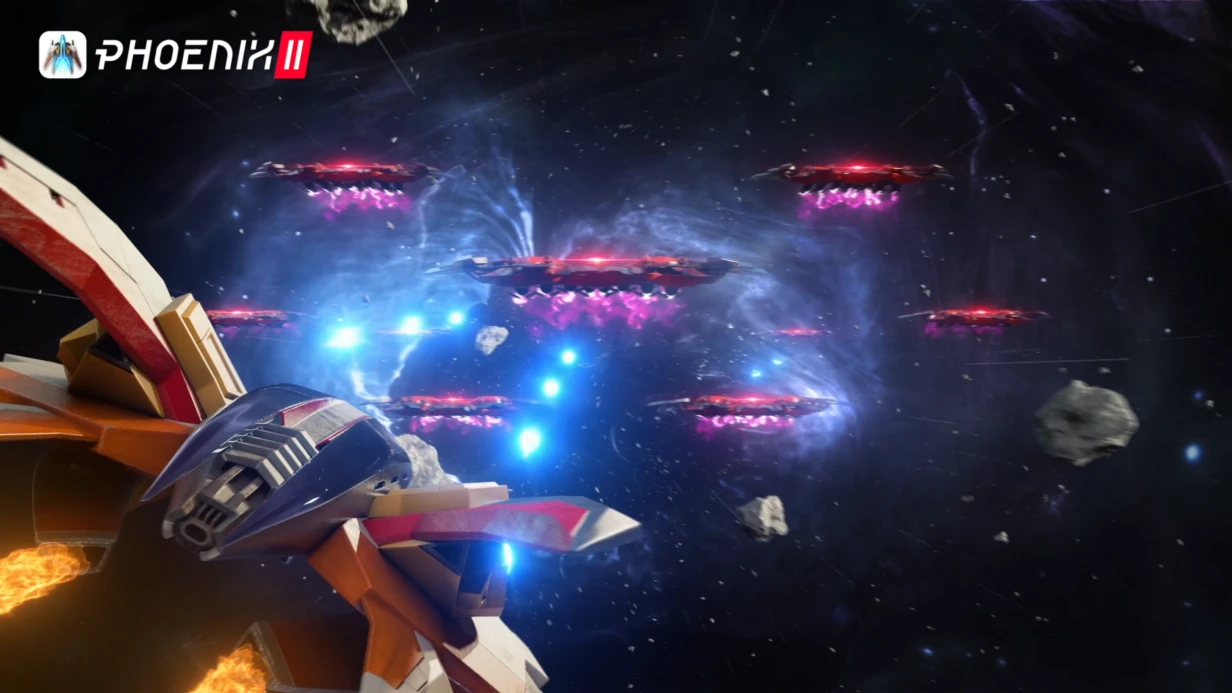
Neon is not just a trendy look—it’s a tool for competitive advantage. Glowing lines, contrasting silhouettes, and atmospheric colors are instantly read by the eye and set a game apart from dozens of others.
This kind of 2D art creates a game style that is remembered at first glance and stays in memory even after leaving the store.
Players return to projects with character. Neon aesthetics create a recognizable image that people want to tell their friends about—which means both organic reach and repeat launches grow.
This works for your ROI: each install brings more active users, and each active session brings more time in the game and more monetization.
We fill this need: we create neon 2D art that makes a game stand out in stores and desirable to players. A brand identity built around neon saves your promotion budget and gives you that very advantage that makes players choose your project among hundreds of similar ones.
What 2D Art Gives Your Game on Unity
Visual design determines whether your game gets noticed. High-quality 2D art in a neon style sets a project apart from hundreds of similar ones and instantly conveys its mood.
A user decides whether to launch the game within seconds, so first impressions directly affect installs and revenue.
When a game looks cohesive and stylish, people are more willing to show it to friends and post it on social media. That gives you free reach: every new player becomes a carrier of your brand.
Thought-out visual identity—recognizable characters, a signature palette, atmospheric locations—works for memorability and makes the project recognizable even from a single frame.
We create 2D art for Unity with business goals in mind, not just aesthetics. We place visual accents to keep players engaged: easier to understand controls, faster sense of progress, more frequent returns to the game. This reduces churn and increases in-app purchases.
What you get along with the art:
- A noticeable style that sets the game apart from competitors.
- A cohesive visual language that strengthens the brand.
- Confidence that graphics help sell, not just decorate.
- Ready-to-integrate assets—without delays or extra revisions.
In the end, investments in 2D art pay off through reach, leads, and growth in player lifetime value. A great image is not a decoration—it’s a tool for attracting and retaining an audience.
Neon Art Formats for Your Game’s Needs
Every project is a different set of tasks: sometimes you need a dynamic scene, sometimes a minimalist interface, and sometimes atmospheric backgrounds. The neon style is universal: it looks just as good in an arcade game, a puzzle, or even a serious strategy.
The key is choosing the right art format so the game looks cohesive and runs smoothly on target devices.
We choose the format based on the genre and goals, not the other way around. That’s why at the start we discuss how the game will interact with the visuals: movement speed, number of objects on screen, control style.
This lets us deliver an image that enhances gameplay and doesn’t create technical complications during the build.
| Art Format | Suitable for | What It Gives Your Project |
|---|---|---|
| Character and object sprites | Arcades, platformers, quests | Clear readability of actions, smooth animation, easy adjustment to game physics |
| Game backgrounds | Racing, shooters, puzzles | Depth and atmosphere of the neon world, support for the right pace and mood |
| Animations and effects | Casual games, ad integrations | Dynamics, attention retention, natural reactions to player actions |
| UI elements | Any game with menus and HUD | Recognizable style, seamless integration with the overall neon art |
Whatever the format, we draw art in a single style and deliver source files that are easy to use in the engine. You get not just images, but a complete set for building the game.
This approach saves time on approvals and speeds up the launch—the art pack can be easily scaled for new levels or updates without starting from scratch.
How We Create 2D Art: From Brief to Release
We start with a brief—a short conversation where you describe the idea, mood, and goals of the art. We record all your requirements so we can move forward exactly in line with your expectations.
- Brief and analysis. You send a description of the project, style references, and goals. We ask clarifying questions, determine the neon direction, and scope the work.
- Sketches and concept. The artist creates 2–3 variants of key elements in the chosen style. You pick the right one or ask for details to be polished.
- Approval. We discuss the sketches and make edits. We work step by step so you see the result at every stage and avoid surprises in the final product.
- Rendering. After the concept is approved, we create all elements: characters, environment, objects, and interface graphics. We use professional tools, so the art is ready to use in Unity.
- Interim review. We show assembled scenes or individual pieces of art and check them against the brief. We make edits at this stage—it’s faster and cheaper than redoing everything after delivery.
- Project delivery. We provide source files in a convenient format with usage rights. You get ready files and instructions for integrating the art into the game.
This workflow helps keep deadlines and results under control. You make decisions only about the visuals; we handle all the technical work.
What’s Included in 2D Art Delivery: Files and Sources
Most studios hand over only finished images—no source files, no structure, no documentation. It looks nice, but when integration starts, questions arise: how to change the palette, where are the sprite boundaries, what can you legally do with the art.
To keep you from depending on the vendor at every step, we’ve put together a complete package: from sources to legal rights.
What’s included in neon-style 2D art delivery:
- Final sprites in a unified neon style—already ready for assembly in the game, no need to draw anything extra or adjust anything.
- Editable source files with layers—you can easily change colors, sizes, and object placement on your side.
- Logical file structure: characters, levels, interface, and effects are organized into separate folders—your team can quickly find the right element.
- Concise documentation on working with the art: importing into the project, recommended settings, and pairing with standard interface elements.
- A description of the neon palette and rules for maintaining a consistent style when adding new objects.
- Commercial usage rights with the scope fixed in the contract: publication, modifications, and use in advertising materials.
What this means in practice: your team doesn’t spend weeks approving revisions for every update. You get control from the final result down to the source files and feel confident about the legal side when the game goes to stores or participates in promos.
If you plan to scale the project, the source files become the foundation—a new element is created by the same rules, not from a blank page.
Case Study: How Neon Art Boosted Conversion in a Game Project
A player judges a game within the first few minutes. If the art doesn’t set the right mood, good mechanics won’t save it from being deleted after the first launch. That’s exactly why clients come to us—a good example is the game studio Solar Fox Games.
How Neon Art Changed the Game
The studio released an arcade runner on Unity with classic bright locations. Installs were high, but fewer than a third of players came back on the second day—the audience didn’t feel the adrenaline.
We suggested replacing the art with a neon style: dark tracks, glowing elements, deep contrast. Visually, the world turned into a cyberpunk arcade, and that immediately set the right pace.
First, we made a pilot set of scenes. The focus group noted that neon levels were more enjoyable to play and the visuals were memorable. After that, we replaced all key locations.
Results in Numbers
The complete art replacement delivered measurable growth: day-2 retention increased by 40%, and the average session became almost one and a half times longer. Conversion to the next level went up—players deliberately made it to the end of the chapter.
For the project, this meant higher revenue per player and a stable return of the audience. The client became convinced that art is not a “wrapper” but an engagement lever. After the release, they ordered another pack of neon graphics for updates.
Frequently Asked Questions About Ordering 2D Art
Any 2D art order starts with questions: how fast, what about revisions, and who owns the result. We answer right away—so you can make a decision without ambiguities or unexpected terms.
How long does it take to create neon-style 2D art?
The timeline depends on scope: from a few days for individual objects to 2–3 weeks for a full level set. At the start, we lock in a precise calendar plan—you always know when you’ll receive the finished assets.
How many revisions are included?
The price includes two rounds of revisions for each element—enough to refine the details. Revisions are made from a clear list, without rewriting the work “from scratch.” If you need an extra round, we’ll discuss it separately before the work starts.
Who owns the copyright?
After full payment, all rights to the art transfer to you: use the assets for the game, advertising, social media—without restrictions. We include this in the contract to remove any risks. We only reserve the right to mention the work in our portfolio, if you don’t mind.
Will the art be compatible with the engine?
Yes. The finished files are delivered in formats that are easy to integrate with Unity and other common engines. They look equally sharp across different resolutions—your team won’t need to redo anything.
Order 2D Art in a Neon Style and Get Results
When a player sees a screenshot or preview, the decision to “enter or keep scrolling” is made in a couple of seconds.
Neon art gives a game instant recognizability: bright silhouettes, contrasting glows, a cyberpunk atmosphere—it’s a visual magnet that stops the eye and creates the urge to try it. Ordering 2D art in neon means getting a style that works for your promotion even before release.
We don’t create just individual images—we build a complete visual system: characters, locations, interfaces, background elements—everything in a unified aesthetic and aligned with gameplay goals.
You don’t get raw sketches, but art that’s ready to embed in the project and drawn in a consistent key so the game looks cohesive at any stage of development. The main result is a style around which you can easily build a landing page, press kit, and ad creatives.
What You Get After Placing an Order
Here’s what the result of our work looks like in terms of value for your project:
- Art prototypes for early testing — first, we show key images and glows so you can see the style direction before the whole scene is rendered.
- A 2D art kit for your Unity project — characters from different angles, animation frames, backgrounds, environment objects, and interface elements that fit your mechanics.
- Source files with layer breakdown — you’re never stuck with a single vendor: your team or another artist can continue working on the project.
- Engine optimization without quality loss — minimal graphics weight, fast loading even on mid-range devices, and smooth frame rates in dynamic scenes.
- Post-delivery support — we don’t disappear after sending files: we help with art integration, make edits based on your feedback, and advise on glow settings and color profiles.
This approach removes the main fears when ordering art: “we’ll go nowhere,” “they won’t guess the style,” and “we’ll have to redo everything from scratch.” Need a test sample? We draw it first. Need an iteration to test in the game?
We make edits based on how the gameplay feels to you. Cost and timelines are fixed before the work starts, and you always see intermediate versions.
That’s why, when you decide to order art for your game, start with a simple step: send us references and a genre description. We’ll offer neon art options, show first prototypes on a test scene, and refine the 2D art to a state that enhances the impression of your project. Leave a request—and within two business days, we’ll discuss your task and prepare a work plan.
How to Choose the Right 2D Art Format?
Choosing a 2D art format doesn’t start with pictures, but with two questions: what genre does the game belong to, and what cost has been allocated for graphics. The answer determines whether you need static sprites, animated elements, or full scenes.
We help you determine the best option before the work starts—this saves you from revisions, unnecessary costs, and long approvals.
If the game is casual and aimed at a mass audience, simple expressive shapes are better: they read quickly, look good on any screen, and are cheaper to produce.
Arcades and platformers benefit from dynamic art with animation, while puzzles and strategies need detailed objects and backgrounds that hold attention. The neon style sets the right mood in every case, but the depth of detail, number of scenes, and levels will differ.
The budget affects format more than it seems. A fixed budget lets you choose one of the ready-made options: a minimal sprite set for launch, an expanded package for a full release, or premium graphics with detailed locations.
We honestly tell you what’s possible with your budget and offer phased work—you can start with a basic set and add elements gradually as the project grows.
The main goal is to take the art selection question off your plate. We analyze the genre, target audience, and available cost, then give a recommendation with clear timelines and results. You make the decision with the plan and cost of each format in front of you.
This approach eliminates the situation where expensive graphics turn out to be wrong for the gameplay, and you get art that works for your product from day one.