



Why Realism in 2D Art Determines the Fate of Your Game
Players judge a game by its cover: first impressions form in seconds, and it's the graphics that decide whether they click “install” or walk past. Unrealistic 2D art is not just an aesthetic compromise — it's a signal that the project was rushed.
Even engaging gameplay and well-thought-out mechanics get lost when the art looks cheap; users simply don't give the game a chance to prove itself.
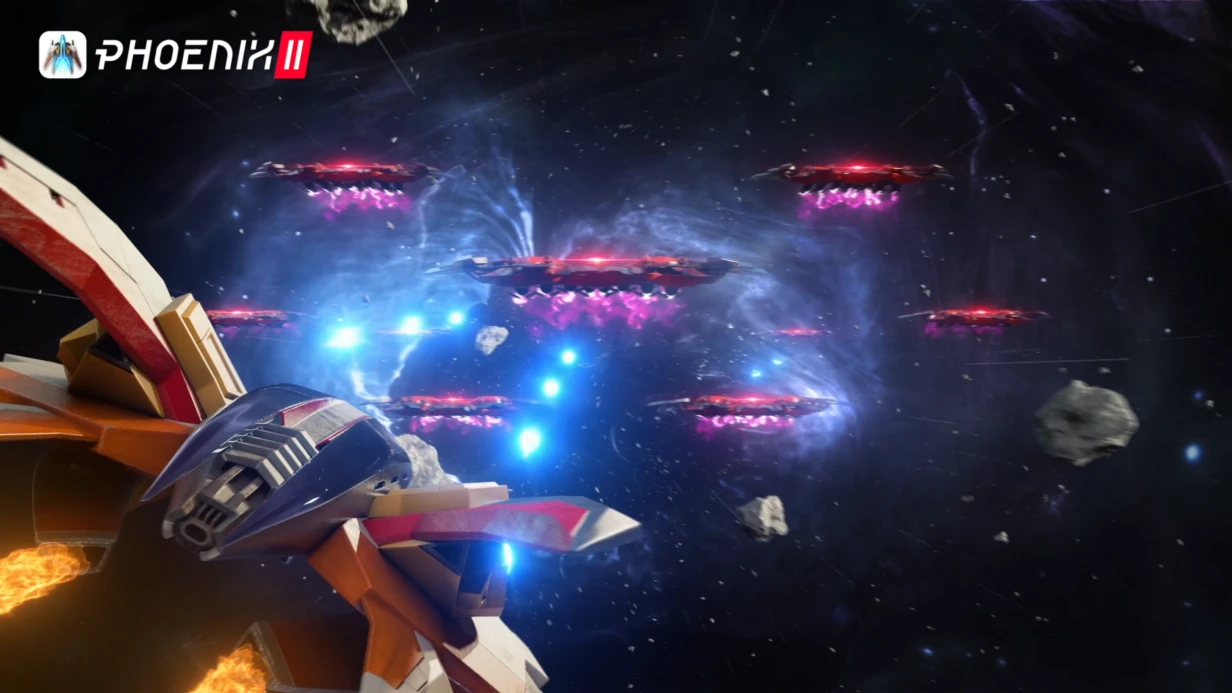
Realism in 2D art works for your results. When characters, environments, and objects look convincing, players trust the world, immerse themselves more deeply in the story, and are more willing to share screenshots with friends.
These are direct metrics: higher retention, more organic installs, and better conversion to in-game purchases. Conversely, weak graphics increase churn as early as the first level and force you to spend budget on acquiring new users instead of monetizing existing ones.
Unity offers extensive capabilities for creating detailed 2D art in a realistic style: lighting, shadows, smooth animations, and scene depth. But tools are only half the battle.
What matters is how the artist uses them: properly constructed light, textures, proportions, and color. We've refined this process across dozens of projects and know how to turn a set of sprites into a cohesive image that grabs attention from the very first frame.
High-quality 2D art is an investment, not an expense. It pays off at the pre-order stage and continues to yield dividends in the form of player loyalty and positive reviews.
If you're developing a game in Unity and want it to stand out from competitors, realism in graphics is your competitive advantage. We help you achieve it: we analyze the target audience, select the style, and bring the art to a point where it sells the game before release.
What Professional 2D Art Brings to Your Project
Professional 2D art in a realistic style is not just a picture; it's a tool that directly affects your project's metrics. Realism builds trust from the first frame: players immediately understand that they are looking at a quality product and are willing to stay longer.
In this section, we cover five key advantages: recognizability, emotional response, engagement, sales growth, and player retention.
For Indie Studios
An indie project struggles to compete with major releases for attention. Realistic 2D art becomes the visual anchor that sets the game apart in the app store and in social media feeds.
A recognizable style creates an association with the studio's brand — players remember not only the name but also the atmosphere you create.
Realism triggers an emotional response that directly impacts engagement. When a character or environment feels alive, users immerse themselves in the story and are less distracted by the interface.
This increases the average session length and raises the chances that players will return after their first launch. For an indie studio, this effect can replace expensive marketing support.
For Large Publishers
Publisher projects aim for mass reach, and here realistic 2D art is all about conversion and revenue.
High-quality key art and interfaces increase audience willingness to pay: players are more likely to purchase in-game items and complete paid stages if they visually trust the product. Storefront statistics confirm this: a page with strong art generates more installs.
Player retention is the second most important goal for a publisher.
A realistic style forms habits faster: recognizable characters and locations become a reason to come back and “see what's new.” Churn decreases, and long-term revenue per player grows — these are the metrics that cover the cost of art production.
Regular updates with new realistic assets give players a reason for repeat sessions and additional purchases.
A professional approach to 2D art pays off at every stage of a game's lifecycle. For indies, it's a chance to establish a foothold in a niche; for publishers, it's steady growth in key metrics.
In any case, investment in visual quality is returned through increased revenue and audience retention.
2D Art Formats for Different Game Requirements
2D art comes in three key formats that determine how players feel about a project and whether they want to return. Characters, environment, and interface work together: they create atmosphere, set the pace, and help players navigate.
Let's look at how each format influences the gaming experience and find the right solution for your genre.
| Format | How it affects the player | When realism delivers the most |
|---|---|---|
| Characters | Evoke emotions, empathy, and are memorable | When you need a hero to believe in and a connection with them |
| Environment | Immerses the player in the world, conveys story and mood | When authenticity of locations and atmosphere matter |
| Interface | Makes the game comfortable, doesn't distract, helps quickly understand the state | When the interface style doesn't clash with the visuals |
Realism in Role-Playing Games
In RPGs, players spend dozens of hours in a single universe, so detail becomes critical. Realistic characters with expressive facial animations and detailed environments hold attention and deepen immersion.
An interface that follows the same style doesn't break the magic of the moment — players stay inside the story until the very end.
Casual Games: Adapting the Formats
In casual projects, the key is to engage players immediately without overwhelming them. Here realism can be softer, but it still works: recognizable characters and neat locations build trust.
Interfaces in such games should be simple and bright so beginners find their way around in a minute. The right balance of formats increases retention and the number of repeat sessions.
If you're not sure which format suits your project, look at the genre and target audience. We'll help you choose a style that strengthens the game and attracts players.
How We Create 2D Art: A Step-by-Step Process
We've structured the process so you always know what stage the art is at and what you'll get in the end. No surprises — just a step-by-step journey from the brief to finished sprites that fit naturally into your game. Each step is coordinated with you, so the result matches expectations from the start.
-
Brief and task analysis. We gather requirements: the game's atmosphere, examples of the desired style, and technical constraints. You get a clear understanding of the scope and realistic timelines before we start.
-
Plan and estimate. We fix the stages, number of iterations, and delivery dates. You know when and what you'll receive, and you can calmly plan development of the rest of the game systems.
-
Concept approval. We present 2–3 variations of key elements in a “realism” style. You choose the direction, and we move forward without unnecessary rework or unexpected additional costs.
-
Detailed refinement. We pay attention to textures, lighting, and small details — these are what create the effect of reality. You get art that holds up to camera zoom and doesn't look like a flat image.
-
Implementation and integration. We deliver finished sprites in the required formats with a clear folder structure. Your team can quickly plug them into the Unity project and easily find the necessary file.
-
Launch and support. After release, we stay in touch: we fix bugs and adapt the art to new mechanics or updates. You never have to deal with problems alone.
We pay special attention to detail work — from natural surface irregularities to soft shadows.
These are the nuances that distinguish realism from simple stylization and make players believe in the world you've created, which in turn holds their attention longer and boosts engagement.
Deliverables: What You Get in the End
When working on art, we deliver more than just finished images — we provide a complete package that can be used in your project right away. You receive source files, rights, and accompanying documentation — nothing needs to be ordered separately or clarified after the fact.
For Developers
- Source files in editable formats — all layers, masks, and settings are preserved so you can make changes without the original artist.
- Usage rights — a perpetual license for commercial use of the art in your game: from prototype to release and subsequent updates.
- Technical documentation — a clear description of the file structure, Unity import requirements, and recommendations for render settings.
- Implementation recommendations — a checklist for integrating art into the project: palettes, lighting, post-processing, so the art looks cohesive.
For Publishers
- Legally clean package — documents confirming the transfer of rights, specifying the territory and term of validity.
- Ready-to-use previews and presentation materials — the art can be used in marketing campaigns, trailers, and store pages.
- Post-support — after project delivery, we remain available: we answer questions, help adapt to new formats, and make targeted edits during an agreed-upon period.
This approach eliminates the risk of getting stuck at the integration stage or receiving art you can't use. You pay once and get a ready-to-use product, not images delivered “as is.”
Case Study: How Realism in 2D Art Increased Game Sales
A game studio approached us with a typical problem: the game ran on Unity, but the art looked flat and failed to inspire trust.
Players looked at storefront screenshots, didn't feel the atmosphere, and moved on to competitors — conversion to purchase remained low, even though the gameplay itself was well-crafted.
We proposed a complete redraw of the key 2D elements in a realistic style: environment, characters, and interface. Instead of cartoonish conventions — detailed textures, natural lighting, deep shadows, and surface detail that conveys the “weight” of objects.
Players immediately immerse themselves in the world rather than seeing the picture as something foreign. Realism became the bridge that connected gameplay with audience expectations.
The results exceeded expectations: sales grew by 40% in the first month after the update. The developers noted that it wasn't just the number that changed — reviews began mentioning the visual atmosphere more often, and the share of repeat in-game purchases increased noticeably.
Unity made it possible to deliver all the art's detail without sacrificing performance, so the update did not affect technical stability.
This case study shows that realism in 2D is not just an art style but a working tool for boosting monetization. If your project is on Unity and you feel the art isn't conveying the game's value, a redesign might be close at hand. We've already done it for “Steel Frontier” and we're ready to do it for you.
Frequently Asked Questions and Concerns About Ordering 2D Art
You're ordering realistic 2D art for a Unity game, and the first thing that comes to mind is: what if it doesn't turn out the way I imagined? That's normal.
We eliminate uncertainty: before drawing final elements, we show sketches and color schemes so you can see the direction and adjust it before major resources are invested.
Revisions are no reason for stress. At every stage, we include at least two iterations: one for the sketch and one for the final rendering. You give feedback in plain language — “darker background, younger character, warmer light” — and we make changes.
This usually takes two or three business days, but we record everything in the work plan to keep deadlines transparent.
Deadlines and guarantees are the two main pillars. We announce the delivery date before start and write it into the contract. We deliver in stages: first references and sketches, then rendering, then final delivery.
If a stage doesn't satisfy you, you don't accept the work and don't pay for it. Guarantee: the final art package remains yours, and you can use it without restrictions.
What risks are there and how do we mitigate them?
The biggest risk is a style mismatch. To eliminate it, we start with a selection of references and approve them together with you. The second risk is delays. We avoid them with a staged plan: each stage has a specific date, and we warn you about any changes in advance.
The third risk is losing money. Therefore, the prepayment is only one-third of the total cost, and we charge by stages: you pay only for accepted work.
If the art isn't suitable after all iterations, we refund the prepayment or refine it to an acceptable result — this clause is also written into the contract.
Start Your 2D Art Project Today
You don't need a completed design document or a full technical specification to get started. Just leave a request — and we'll take the first step together: we'll guide you on timelines, budget, and scope of work for your project.
Immediately after your request, you'll receive:
- We log your request within one business day and contact you at a convenient time.
- A consultation on realistic 2D art: we'll discuss what objects, characters, and environments the game needs and how this will affect player perception.
- A brief — a structured questionnaire that helps capture all visual requirements: references, palette, level of detail, and atmosphere.
- A preliminary estimate — a transparent evaluation of the cost of each stage, from concept to final rendering.
- A work plan with dates — we break the project into stages and immediately show when the first art will appear and when the full package will be ready.
- Examples of similar projects — we show a portfolio with realistic graphics so you can understand the style and level of detail.
- A dedicated manager — a single point of contact for all project-related questions.
Then you decide: if the plan and estimate work for you, we start. If not, you still walk away with a clear understanding of the scope and budget your project needs.
No hidden stages or surprise surcharges: all revisions and final materials are recorded in the contract and technical specification. Leave a request — and today we'll start turning your idea into realistic art that will make your game stand out from competitors.
How to Choose the Right Format for Your Task
Choosing a 2D art format is a balance between genre, style, and budget. For realistic Unity games, it's important that environments and characters inspire trust while still fitting within deadlines and production capacity.
That's why we select a format based on the specific task rather than offering a one-size-fits-all template.
Genre determines where maximum detail is needed. In quests and simulators, players examine objects up close — here, refined textures and atmosphere are key. In strategies and racing games, element readability and rendering speed matter most.
We discuss your game's scenario and recommend a level of detail that delivers results without overpaying.
Budget affects scope, but not quality. For a prototype, key objects are enough, but the style should be established from the start. For a full release, we prepare a comprehensive package: characters, backgrounds, environment, and interface. You get a transparent estimate and stages, with no vague “art services.”
To avoid risk, we create a test sample before the main production run. You see how the art will look on screen and approve the direction. This reduces back-and-forth and eliminates the need to redo an entire package.
In summary, the art format is determined by your task and budget. Tell us about your project, genre, and plans — we'll recommend the optimal format and the required scope of work. You'll get art that strengthens your game and keeps players engaged.