



Players Leave When There's No Atmosphere: Why Your Game Needs the Apocalyptic Style
Players forgive simple graphics, but they don't forgive emptiness. If the world doesn't grab them from the first minutes, the user closes the game and goes to competitors, without even getting to appreciate the gameplay.
Atmosphere turns a casual visitor into a loyal player: it holds attention, evokes emotions, and makes them come back again. There are hundreds of similar projects on the market, and atmosphere is exactly the difference that makes a player choose you over a neighboring game.
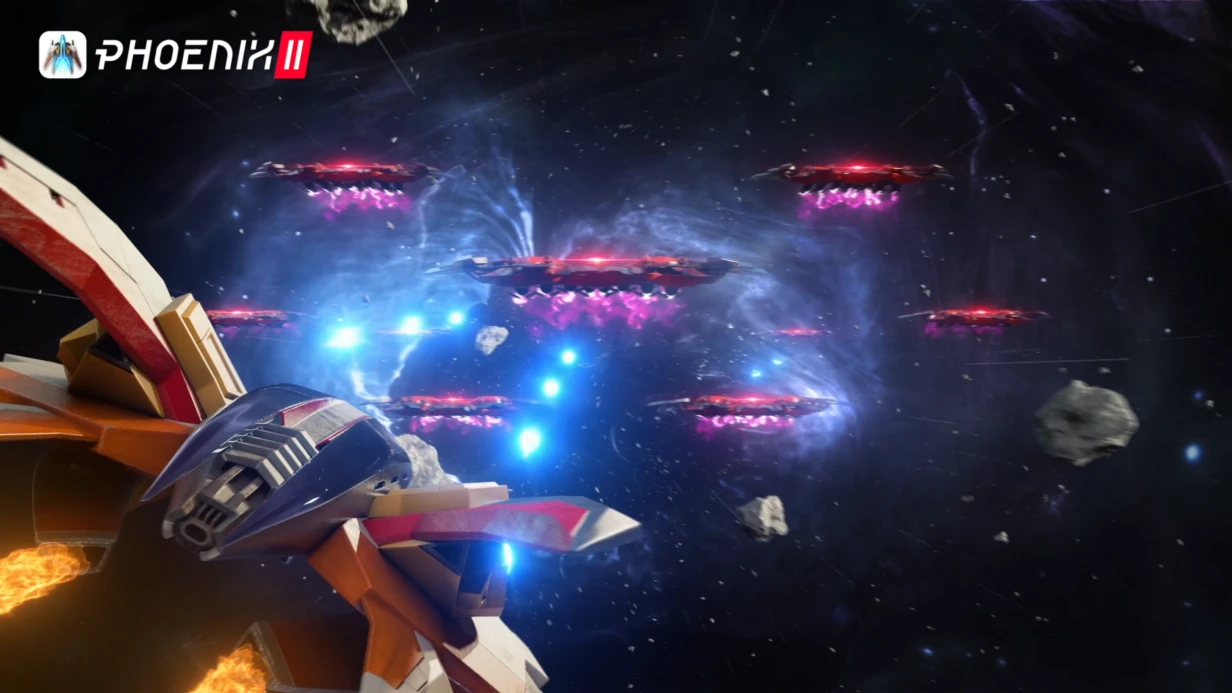
The post-apocalyptic style is especially in demand today: players are tired of sterile, polished worlds and are looking for stories with character. Destroyed buildings, rusty structures, and abandoned locations create tension that mechanics alone can't convey.
Such worlds are memorable and worth exploring, and screenshots and short videos from them become advertising on their own — players happily share impressions on social media and bring friends.
That's why we create 3D models in the post-apocalyptic style for games on Unity: every detail of the environment — from building debris to props on locations — works toward the overall atmosphere.
We assemble the world as a whole so the player dives into the story from the first second, stays in the project longer, and keeps coming back.
This directly affects player engagement, audience retention, app store ratings, and recommendations — in other words, the growth of your project without extra marketing spending.
What 3D Modeling Gives: 5 Benefits for Your Project
When you order 3D models for a post-apocalyptic game, you get not just visuals but a tool that drives business results. our team creates models that strengthen brand recognition, retain players, and help you stand out from competitors. Below are five concrete benefits you'll see in your project metrics.
How the Benefits Affect Your Project
-
Recognizable architecture and locations. Players remember details: destroyed buildings, unique decorations, props. This kind of imagery creates an association with your product and stays in memory after leaving the game.
-
Deep immersion in the atmosphere. The post-apocalyptic style works on emotions — users feel like part of the world. The deeper the immersion, the longer the session and the higher the engagement.
-
Competitive advantage. Most games use standard 3D models. Unique objects set your project apart — this is a reason to choose you and share screenshots.
-
Launch speed and flexibility. We prepare models for the Unity engine — ready for immediate integration into your project. You save time on refinements and ship updates faster.
-
Stable results and support. Models pass compatibility checks, and you get assistance with implementation. This reduces the risk of missed deadlines and preserves your budget.
Formats for Creating Apocalyptic Models to Match Your Task
Post-apocalyptic models are needed across very different projects — from indie horror games to large-scale online shooters. Each project has its own scope of tasks and development rhythm, so we don't offer a single rigid format; instead, we adapt to your situation.
Below is a comparison of the main collaboration formats. Choose based on your timeline, team size, and the number of models to create.
Comparison of Work Formats
| Format | For whom | What it gives the client |
|---|---|---|
| One-time model delivery | Indie developers and small studios | Quickly covering specific items in the Apocalyptic style without overpaying for long-term commitments |
| Turnkey modeling with integration | Studios that need ready-made assets for Unity | Full package: models, textures, setup, import into the project — saves team time |
| Long-term partnership | Large studios with a constant flow of tasks | Priority queue, stable deadlines, a unified style for the entire game |
| Refinement and adaptation | Teams with existing models | Quickly bringing models to a consistent look and improving quality without finding a new contractor |
In every format, we stay in touch throughout the work, show intermediate results, and make edits before final approval. Models are created on professional equipment — you get consistent quality at any volume.
How Work on 3D Models Proceeds: 6 Steps
We know how important it is for a client to see the development process in advance — no surprises with timelines or budget. That's why all stages of creating 3D models for your game are built into a simple, transparent six-step process. You participate at key points and always know what stage the project is at.
-
Brief — we discuss the task: which models are needed, for which locations, what style and mood. You tell us about the project, and we clarify details and requirements.
-
Visual references and sketches — we select looks and create sketches of key models. We approve the direction before the main work starts, so nothing has to be redone at the end.
-
Plan and control points — we fix the stages, timelines, and scope of work. You see in advance when and what you'll receive, and which intermediate results you'll be reviewing.
-
Model creation — we model, adjust textures and materials, and adapt the models for Unity. At every stage, you can see progress and make edits.
-
Review and adjustments — we share intermediate versions, collect feedback, and refine. Edits are made within the agreed scope, without unnecessary iterations.
-
Delivery and integration — we hand over the finished models in the required format, test them in the game, and help with setup. You get a working result that can be used right away.
What's Included in the 3D Model Delivery for a Game
When ordering the development of 3D models for a game, it's important to understand in advance exactly what you'll receive. We've put together a transparent delivery package — a complete set that covers every stage, from finished files to technical support during integration.
- Ready 3D models — buildings, vehicles, characters, and props in the post-apocalyptic style, created according to your brief. Every object is refined to the level where it can be placed on a scene and used in gameplay immediately.
- Textures and materials — detailed surfaces with wear, rust, and dust effects. Objects look cohesive, with no plastic sheen under any lighting.
- Animations — walking, running, interaction, and destruction for characters and objects. Movement sets are synchronized with the models and ready for hooking up in the game engine.
- Optimization for target devices — we control polygon counts and texture memory usage. As a result, the game runs smoothly across different configurations without noticeable lag.
- Formats and settings — we deliver models in Unity-compatible formats, with verified scales and coordinate axes. All you need to do is import the objects into your project.
- Technical support and maintenance — we answer questions, fix issues free of charge during the warranty period, and help with implementation.
This is the full delivery package — from source models to working integration. You get a predictable result and save weeks of polishing someone else's models. All that's left is to assemble the game and launch it for users.
Case Study: Post-Apocalyptic Game with 40% Higher Engagement
For one of the festivals, we made a post-apocalyptic quest game: guests entered a destroyed city, found artifacts, and rescued characters. The client wanted not just entertainment, but a tool that would keep visitors at the booth and make them talk about the brand.
The result exceeded expectations: engagement was 40% higher than at neighboring interactive zones. The average session lasted almost 7 minutes — in that time, guests managed to complete the story, take photos, and share them on social media. After the event, the client came back to us with a new project.
| Metric | Result | What it gave the client |
|---|---|---|
| Engagement | 40% higher than other zones | The booth became the main point of attraction |
| Average session | About 7 minutes | Guests spent more time in contact with the brand |
| Repeat visits | Almost 40% | Nearly every second guest came back — the emotion stuck |
| Social media mentions | More than 1,200 | Reach kept working after the event for free |
The secret isn't in complex mechanics but in atmosphere: detailed 3D models, sound, and storytelling create the feeling of a real world. That's exactly what holds attention and makes people come back.
We use Unity for fast assembly and debugging, so we can deliver a stable version on time even under tight event deadlines.
For the client, this case is proof that a game pays off not through one-time activity, but through a whole story around the brand. The metrics speak for themselves: higher engagement, more repeat contact, higher recognition.
If you need a similar result — tell us about your task, and we'll propose a solution with clear performance indicators.
How to Choose the Post-Apocalyptic Style for Your Game?
Choosing a post-apocalyptic style isn't a matter of taste — it's a matter of meeting player expectations. Before ordering 3D models, decide what mood the game should evoke: fear and tension, quiet contemplation, or dynamic action.
The same story can be told in a "realistic" wasteland, in bright retro-futurism, or in a world where nature has reclaimed the city — and each option changes the perception, the gameplay, and even the genre.
Start with the genre and mechanics. If the game is built on combat, scarce resources, and harsh rules, choose worn surfaces, rust, dark tones, and minimal vegetation: this intensifies the feeling of danger.
If the game is about exploration, puzzles, and restoring the world, contrasting abandoned locations with greenery and destroyed but recognizable buildings will work well. This way, the environment helps players understand the rules of the world without reading long dialogues.
The second step is audience. A style that works great for a young audience in a mobile project often feels out of place in a gritty PC action title.
Look at the examples your target audience already loves and find a shared visual logic: color palette, level of detail, and overall narrative tone.
Finally, evaluate in advance how the chosen style affects production. An abundance of unique destroyed objects and complex details increases development time and budget.
The optimal approach is to describe the style in three to five key words, put together a selection of similar frames, and discuss it with 3D artists before the work starts. This saves weeks of rework.
We work with different directions of the post-apocalyptic genre and know how to package your idea into a cohesive visual style — from first sketches to finished models.
We'll help you choose a direction that strengthens the gameplay mechanics and connects with the audience, not just one that looks nice.
Frequently Asked Questions About Ordering 3D Models
You have questions before ordering 3D models — that's normal. We've collected the most common ones so you can immediately see how we work and what to expect. Brief and to the point, without technical details.
What are the timelines for creating models?
The standard timeframe is 2 to 4 weeks depending on complexity. Clear deadlines are fixed in the contract. If you need it faster — we'll discuss it separately; we can often meet the shortest timeframes by optimizing the process.
Can changes be made to a finished model?
Yes, before final delivery you have the right to two rounds of edits — they're included in the price. We make changes based on your comments without unnecessary approvals. This is convenient when the final vision takes shape during the process.
What guarantees do you provide?
We stand behind the result: if a model doesn't meet the technical specification, we bring it up to the required level free of charge. All rights to the finished files transfer to you after payment. The quality guarantee is stated in the contract.
What's needed to get started?
Just send references and a description of the idea. We'll handle the rest: develop the concept, propose options, and approve them with you before work begins. That way you always know what you're getting.
Ready to Create Your Game's Unique World? Let's Discuss It
Creating a post-apocalyptic world isn't just a set of models — it's an entire ecosystem: destroyed buildings, rusty vehicles, detailed characters, and an atmosphere that pulls players in from the first seconds.
We've already helped dozens of studios deliver such projects, from indie titles to major releases. Now it's your turn.
Leave a request — and we'll contact you within one business day for a consultation. We'll work through which models your task needs, assess the scope of work, and offer the best solution in terms of timeline and budget. No obligations — just a focused conversation and a plan of action.
- Request — you share your contact details through the form or a messenger.
- Consultation — we discuss the idea, goals, and expectations for the 3D content.
- Detail discussion — we clarify the style, number of models, references, and animations.
- Estimate and plan — we fix the scope, timeline, and outcome of every stage.
- Model creation — our artists prepare assets with regular intermediate reviews.
- Integration and polishing — we deliver the source files, help with engine setup, and make edits.
This approach rules out surprises: you know in advance what you'll get, when, and at what cost. Every stage is transparent, and feedback comes at least twice a week.
Don't postpone building the world players will remember. Submit your request — even at the first consultation, you'll get concrete ideas for strengthening your game with high-quality 3D models.