



Why Games Without Cel-Shading Get Lost Among Competitors
Every week, thousands of games appear in app stores, and players spend no more than a couple of seconds choosing.
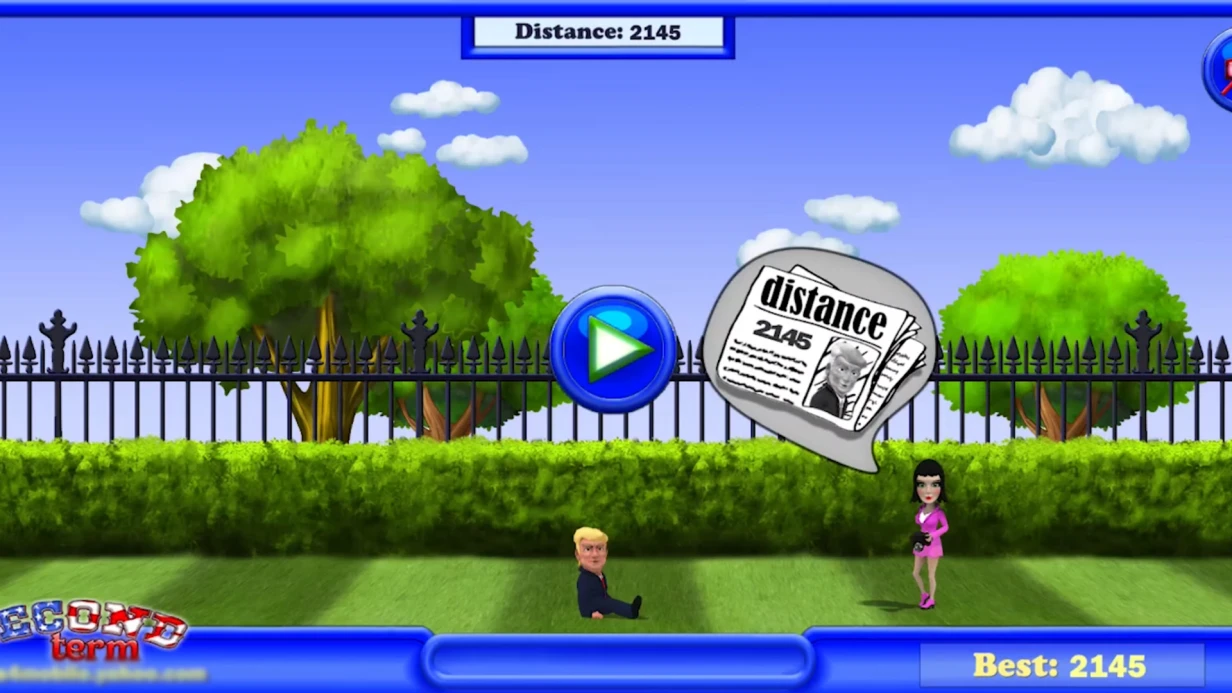
As they scroll through a game page, they only look at screenshots and the trailer — and if the graphics look just like every other project around, the chances of getting installed drop sharply.
Competition in game development has long moved beyond gameplay. Even excellent mechanics go unnoticed if the game doesn't stand out visually. Uniform photorealism, identical character poses, and standard locations all blur into one endless stream of similar projects.
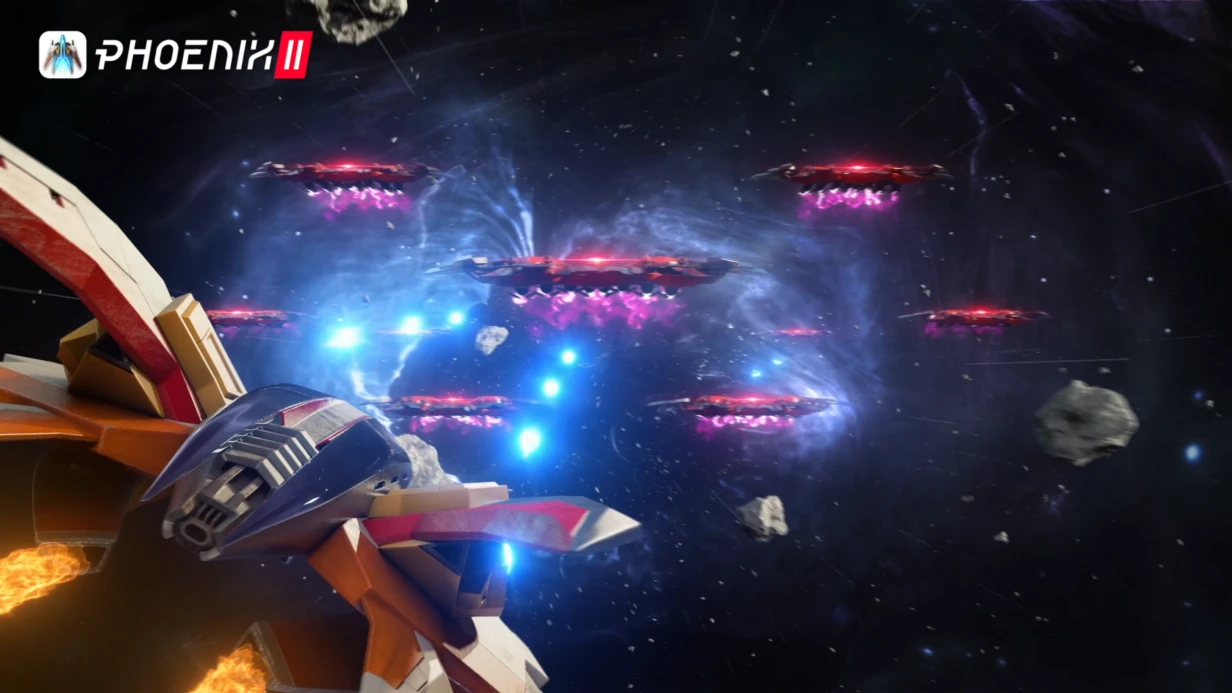
Cel-shading solves this problem: it turns 3D models into a bright, cartoon-like image that can't be confused with anything else. This style is read instantly and stays in memory — players remember the art style, and then the game's name. Recognition grows, and with it organic installs and the desire to share screenshots.
For a studio owner, this means a higher conversion from viewing to purchase and a strong visual asset that works both in the app store and in advertising.
Instead of competing with dozens of similar projects, you take a niche of your own, where cel-shading becomes associated with your brand.
We create 3D models in a cel-shading style for Unity, with a focus on expressiveness and technical stability. Below, we'll explain how this affects a game's position in the catalog and why this particular style helps clients get both player attention and repeat sales.
What Cel-Shading Gives Your Project: 5 Key Benefits
Cel-Shading is a visual style that turns 3D graphics into a bright, "living picture" in the spirit of anime and comics. On Unity it works without losing smoothness — even mass-market devices can run the game. Here are the key benefits this brings to your project.
Benefit 1. Uniqueness and memorability
Players are tired of similar photorealistic worlds. Cel-Shading stands out from the very first frame: the style becomes part of your brand and is recognized in ads, social media, and on the storefront.
Benefit 2. Attracting players without extra costs
Bright, unusual graphics are the main factor that catches attention in a feed. Players click on such games more often, which means the number of installs grows with the same advertising budget.
Benefit 3. Higher retention and engagement
Aesthetics influence emotions, and emotions make people come back. It feels good to spend time in a stylized world, so sessions become longer and the return rate higher.
Benefit 4. Viral reach through social media
Screenshots and gameplay clips are the main engine of free promotion. Unique graphics encourage sharing, and every post brings new players without investment.
Benefit 5. Higher revenue and monetization
All of the above directly affects profit: more installs, higher retention, more active viral reach. The game generates more revenue at comparable production costs.
Work Formats: From Prototype to Release
Every project is unique: someone needs a single striking model for a presentation, while someone comes with a "turnkey" game idea. To keep you from overpaying and to deliver exactly the result that pays off, we've built flexible cooperation formats. Below are the typical scenarios clients come to us with.
| Work format | Who it's for | What the client gets |
|---|---|---|
| One-off 3D model | For a prototype, promotional render, or style test | Fast and predictable result: one finished model in Cel-Shading style without long-term commitments |
| Model pack for one location | For an MVP, indie project, or scene for an investor presentation | A complete set of objects in a single style — characters, environment, props — that can be assembled into a scene right away |
| Outsourced team for your project | When you have your own team but need extra hands for graphics | Additional capacity without hiring: we handle the entire 3D pipeline from blockouts to final render, while you control the deadlines |
| Full game development | For businesses that need a finished product with monetization | We work from idea to release: game design, Cel-Shading graphics, programming, publishing, and marketing |
What Affects Timelines and Budget
In the "full development" format, we act as project producers: we define the scope, break the work into stages, and show intermediate results. This removes the risk of a "forever game," where money has already been spent but no clear product exists.
If you order 3D graphics separately, you pay only for finished models, not for hours of deliberation.
All assets are delivered in source format (for example, Unity LTS), so your developers can easily integrate them into the project without any "dancing around with a tambourine."
How to Start Working Together
Simply send references and describe your task — we'll reply with a timeline and cost estimate. For larger projects, we can first create a test model in Cel-Shading style so you can be sure we hit your expectations from the very first try.
Work Stages: From Brief to Launch
Working on 3D models in Cel-Shading style is a process where order decides everything. When the steps are clear in advance, you don't waste time guessing — you always know what's happening with the project and what stage it's at.
We've divided the work into transparent stages, from the first brief to the final launch, so you feel in control every step of the way.
-
Brief and task definition. We discuss the game's goals, style, target audience, and graphic expectations. You receive a clear document with tasks, deadlines, and acceptance criteria — no surprises halfway through.
-
Concept development. Artists create initial characters and environments in Cel-Shading style. You choose the direction before we begin full-scale work — so your money goes only into what truly fits your game.
-
3D model creation. We refine shapes, detail, and color solutions. At this stage, you see how heroes and locations will look in practice and can assess in advance how well they match your vision.
-
Unity integration. We transfer the finished models into the game, set up lighting, shadows, and animation. We test how everything behaves in real gameplay so there are no unexpected performance issues at launch.
-
Review and revisions. We show intermediate results, get feedback, and make adjustments. This is your checkpoint: you see the models in action and change details while revisions don't yet require extra costs.
-
Launch and project handover. We deliver the final models, files, and instructions for working with them. If needed, we support you after launch and help with follow-up improvements.
In the end, you get finished models that fit into the project and work without surprises. Most importantly, you go through the entire journey with a clear rhythm, without unnecessary stress or loss of control.
What's Included in the Delivery: A Complete Package for Your Game
We've structured our work so that after delivery you have no questions: what exactly you've received, what rights you have to the models, and how to use them in the game.
The delivery package is built on an "all-inclusive" principle — you know the composition of the result in advance and never run into surprises.
- Finished 3D models in Cel-Shading style: characters, objects, environment — everything developed according to your technical specification is delivered in the agreed form.
- Source files of the 3D models: editable scenes with layers and settings — you can make changes with your own team or third-party specialists.
- Unity-ready files: models are prepared for import into the project, saving integration time and eliminating technical difficulties during setup.
- Technical documentation: a brief guide to using the models, a list of textures and animations, and optimization recommendations — clear even without deep knowledge.
- Confirmation of model rights: you officially own all created assets and can use them in a commercial product without restrictions or additional payments.
- Post-delivery support: if questions arise during integration, we stay in touch and help resolve them.
- Revision guarantee: within an agreed period, we fix comments related to model quality and compliance with the technical specification for free.
This approach addresses the main client concerns: missing source files, legal risks, and hidden finalization costs. You get a transparent package, and in the end you're left with a fully working game and clear assets you can continue to develop.
Case Study: How We Built a Game with a Recognizable Style in 3 Months
When a studio has a strong idea but the visuals don't set it apart from hundreds of similar games, the market doesn't forgive it.
A team from Saint Petersburg came to us: the gameplay about a journey toward the northern lights was ready, but the visuals resembled dozens of other small games. The studio wanted the game to be recognized from the very first screenshot — and all within a tight timeframe.
We proposed the cel-shading style — dimensional characters and locations that look like frames from an animated film. In three months, our team created all the 3D models and set up lighting and effects on Unity. The client got a recognizable world, not just another "realistic" picture.
The game launched on time and immediately showed commercial results: more than 40,000 wishlist additions in the first month, the share of buyers among those who watched a short video was 25% higher than the studio's previous project, and the average store rating was 4.8 out of 5.
Within six months, we received an order to stylize the sequel — the best confirmation of the approach's value.
The head of the Gorizont studio shared their feedback: "We were afraid cel-shading would look too cartoonish. It turned out exactly what we dreamed of: serious, magical, and very recognizable.
Players find the game by screenshots, and we didn't have to allocate a large advertising budget — word of mouth did the job."
This story is not an exception — it's the result of our approach: first we think about how the style will drive sales, then we build. Tell us about your project — we'll find a visual solution that makes the game stand out and pays off.
How to Choose the Right 3D Model Format?
Choosing a 3D model format starts not with technical parameters, but with the project's goal. If the game is a full-fledged product, you'll need detailed characters and environments ready for animation.
If you need a promo video or a concept for a presentation, simplified models with an eye-catching Cel-Shading style are enough — they convey the mood without inflating the budget. The goal determines what level of detail is justified and what the viewer will ultimately see.
Determine what will be in frame: how many key objects there are, which ones interact with the player, and which ones serve as background. Heroes and important items require careful refinement, while secondary details can be made in a lighter version. This is classic advice: don't pay for detail where no one will see it.
It's also important to assess timelines and scope. Choosing a 3D model for your tasks is a compromise between desired quality and a realistic graphics budget.
An experienced contractor will tell you where you can save without losing the picture, and where saving will lead to a weak result.
At this stage, it's worth discussing the number of iterations and the delivery format — a model ready for in-game use, for rendering, or for a presentation.
The main advice: come with a description of the scene and examples of the style you want. This allows us to accurately determine the scope of work and avoid overpaying. We'll help you choose the optimal format for your task — from a single character to an entire game level. A transparent cost estimate and clear stages are part of our work.
Frequently Asked Questions About 3D Models and Working With Us
We've been making 3D models for Unity games for over 10 years and can already anticipate client questions. Here are answers to the main ones — about timelines, money, revisions, and support.
Will you make it in a tight timeframe?
We create a stage schedule before the start and send intermediate results. You see the progress and understand when each model will be ready. If deadlines are tight, we'll propose a solution that preserves quality.
What if I need revisions?
We include several review iterations. Within the framework of the technical specification, we change colors, shapes, the cel-shading style, and individual details at no extra charge — you can calmly bring the result to the desired look.
How does remote work work?
Short video calls, a shared chat, and cloud files. You can see the current version at any time and leave comments. What matters for the result is a clear technical specification, not where the team members are located.
What happens after delivery?
We stay in touch: we answer questions about model integration, help with Unity setup, and fix any shortcomings. Support is included so you get a working game without unnecessary hassle.
What determines the cost?
The price depends on the number of models, level of detail, and complexity. Before we start, we lock in the cost estimate — you know the budget in advance. There are no hidden charges, and any changes to scope are discussed before work begins.
Ready to Discuss Your Project? Get a Consultation
We'll discuss your project in a consultation — no obligations and no technical jargon. We'll explain how the Cel-Shading style will make your game recognizable, set it apart from competitors, and simplify graphics production. You'll get specific recommendations for your task, not generic words.
We work with clients from the gaming industry, advertising, and interactive applications. Over 10+ years, we've created hundreds of 3D models used in commercial projects.
That's why a consultation isn't a sales pitch — it's an analysis of your task: what models you need, what the scope of work is, and what timelines are realistic.
What you'll get after reaching out:
- A preliminary assessment of the scope and timeline for your project
- A selection of Cel-Shading style for your audience and platform
- Recommendations on team composition — if models are needed beyond just the game
- Examples of our work in a similar style
- An honest answer: which tasks we handle ourselves, and which are better solved differently
- A clear plan of next steps — without mistakes and unnecessary spending
To order 3D models or simply get a consultation about your project, leave a request through the form below. We'll contact you within one business day, clarify the details, and prepare personal recommendations.
The consultation doesn't obligate you to anything — but often, even after the first conversation, it becomes clear how to move forward.
Don't put off your launch: let's discuss the task, answer your questions, and suggest the optimal solution. Leave a request — we'll take care of the rest.