



Games Without Low-Poly Look Cheap and Lose Audience
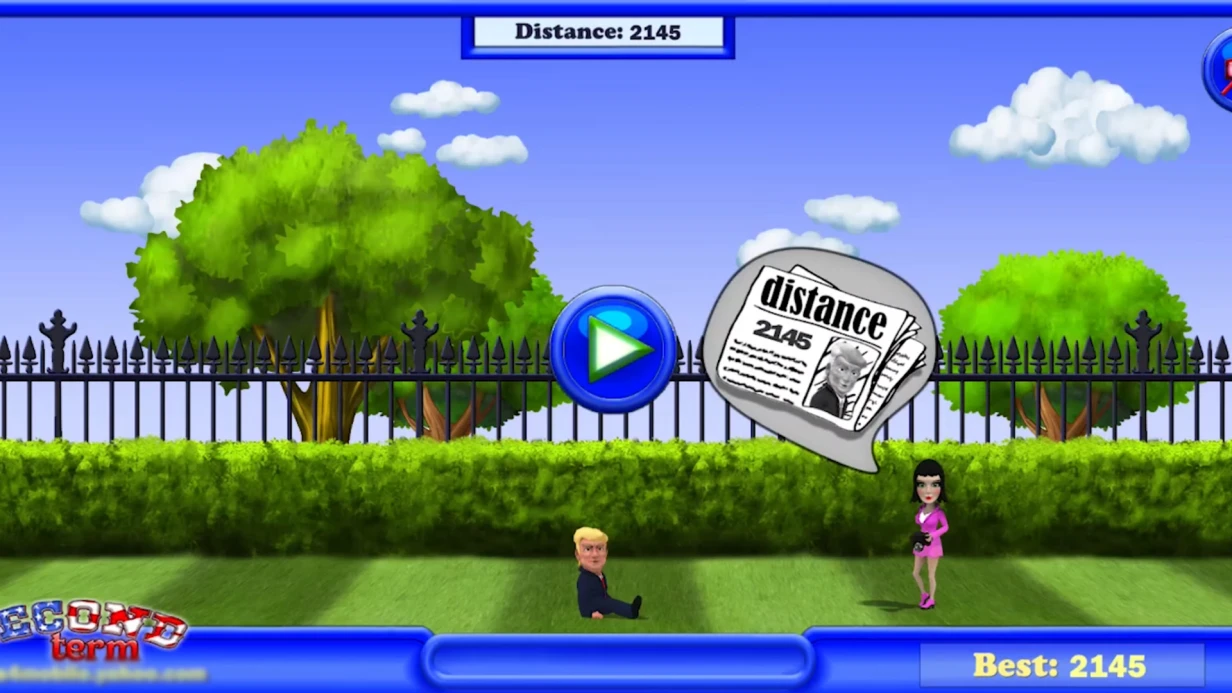
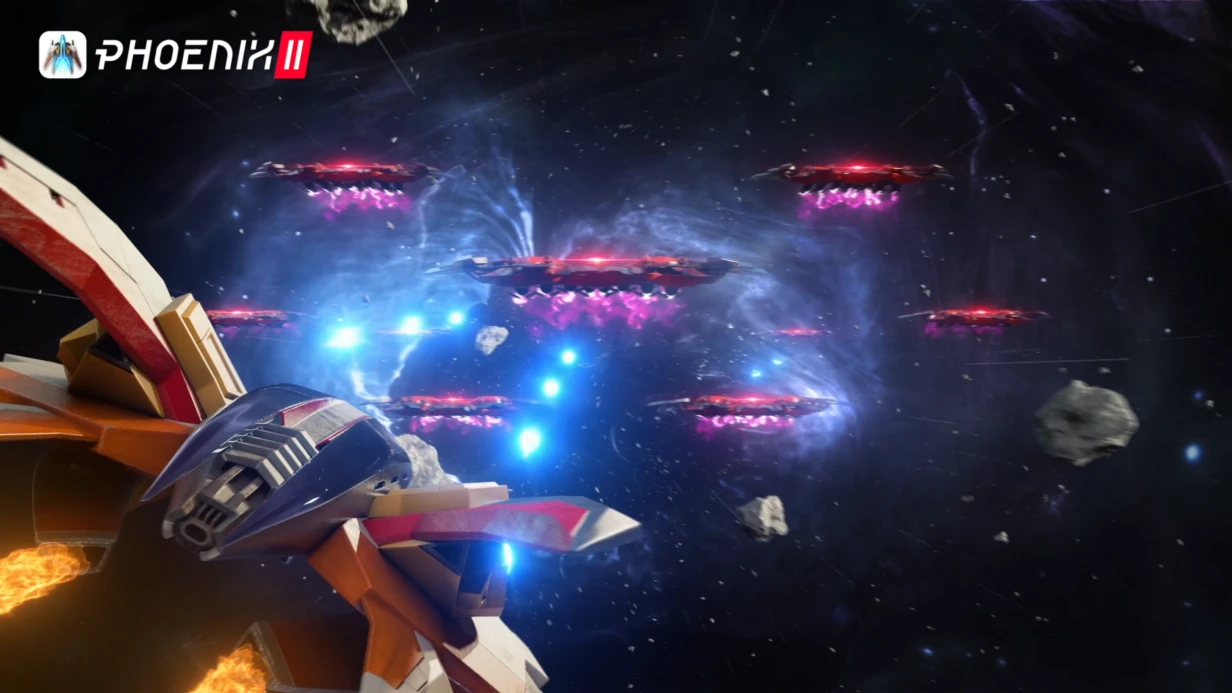
The first seconds of encountering a game decide everything: players judge the visuals before they dive into the mechanics. If the graphics look careless or outdated, the game comes across as a cheap product — and the audience filters itself out at the preview stage. In game development, that's a direct path to lost installs and, in turn, lost revenue.
It's not about polygon count or photorealism — it's about a cohesive art direction. Low-poly style gives a game a clean, recognizable look that you'll be proud to show in the app store, in screenshots, and in ads.
What's more, such 3D game models are lighter on devices — the project launches faster and runs more stably even on low-end smartphones, which means it reaches more players.
Creating low-poly models isn't simplification for the sake of savings — it's a discipline in its own right, with its own rules of composition, color, and silhouette. Mistakes show up immediately: awkward proportions, messy textures, stray artifacts.
That's why it's important to trust the task to people who know how to turn simple forms into a stylish, finished image.
That's exactly what we do at our team: we turn raw prototypes into polished low-poly worlds that sell the game before the first level. You get graphics that hold attention, increase install conversion, and support brand recognition.
If you want your project to look premium and build its own audience — let's discuss your tasks during a consultation.
5 Reasons to Order 3D Models for Your Game
Why order 3D models separately? The right art directly affects how players and publishers receive your project. The benefits of 3D models come down to a recognizable style, faster development, and sensible budget savings.
Reason one: a recognizable style. Stores are filled with hundreds of similar games, and gamers decide in seconds. Low-poly makes the project stand out: models create a unique look that sticks in memory and helps you stand out from competitors.
Reason two: faster development. Low-poly models are produced quickly and don't hold up the project: you get a library of models in a tight timeframe, and the team doesn't wait on art to start testing. That gets you to players sooner.
Reason three: budget savings. Low-poly production costs less than high-detail work. You can cover more locations and objects, and channel the savings into promotion and gameplay improvements.
Reason four: higher engagement. Stylized graphics give players a reason to take screenshots and share them on social media. The game earns free reach and brings players back for the atmosphere.
Reason five: a cohesive art standard. Models stick to a unified topology and palette, so the world doesn't look like a hodgepodge. That builds trust in the product and improves the overall experience.
We make Low-poly for Unity, and the models are ready to integrate right away. Message us — we'll create art for your game.
Low-Poly Model Formats for Different Tasks
The choice of Low-Poly model format directly affects timelines, budget, and gameplay experience. For Unity projects, it's important that models load quickly, work correctly across different devices, and still look stylish.
That's exactly why we match the low-poly graphics type to the task — from simple characters to complex locations.
Below is a simple table to help you navigate the types of 3D models and understand which option fits your project.
| Type of Low-Poly model | For what tasks | What it gives the client |
|---|---|---|
| Characters and NPCs | Quests, narrative games, interactive dialogues | Memorable living heroes that engage players and create an emotional connection |
| Environment and locations | Open worlds, racing, simulators | Game atmosphere, immersion, optimization for weak devices — a wider audience |
| Objects and items | Casual games, puzzles, arcades | Quick level assembly, fast loading, recognizable minimalist style |
| Architecture and equipment | Training simulators, presentations, trainers | Visual clarity for learning, realism at low rendering costs |
For indie projects, Low-Poly is almost always the best choice: this style lets you cover large volumes of content within a small budget without looking "cheap." We help you choose a format that balances visuals, performance, and development cost.
Contact us — we'll review your task and propose an optimal model structure for your specific mechanics and platform.
How Model Creation Works: From Brief to Launch
The process of creating Low-Poly 3D models for games is a sequence of development stages, not a "black box." We lock down the model brief, show intermediate versions, and get your sign-off at every key milestone.
This way you control timelines, budget, and quality — and get exactly what you expected at the finish.
- Model brief — we record the list of objects, style, deadlines, and constraints. This is the foundation for all further decisions.
- References and concept — we gather examples from games and draw sketches. We align on the direction for the Low-Poly.
- Model approval — we show a key object or test scene: color, proportions, level of simplification. After your "okay," we launch the full batch.
- Model creation — we produce all objects, from main to background. We maintain a unified style and technical requirements for Unity.
- Interim review — we send screenshots or a small scene, collect edit requests. We adjust each item.
- Integration and testing — we embed models into the game and check them under lighting and in gameplay scenarios. We eliminate potential issues.
- Delivery and support — we hand over source files ready for use. We stay available for questions and small refinements.
This workflow eliminates surprises: you see the result at every development stage and can make edits on time.
What's Included in Model Delivery for Your Game
No "file in a messenger" — just a clear delivery package where every element explains how it works in your game. You get not just an image but a production-ready asset that won't slow down the project or break the build. Below is the full package you'll see in the final task report.
- Model source files — an editable file in a format that fits your pipeline. It's your property: you can change a detail, color, or shape at any time with your own team, or hand the project to another contractor without losing quality.
- Optimized versions for different tasks — a model that balances detail and performance. You get a clean Low-Poly that looks good and doesn't stress the processor on weak devices — for mobile builds, PC, or web.
- Materials and textures — pre-configured surfaces that get along with in-game lighting right away. No fiddling with reflection settings on a Friday night: textures are packed and ready to use. If needed, we'll add a version styled to match your art.
- Animations for interactive objects — if movement is built into the model (doors, mechanisms, characters), you get ready-made animations with smooth transitions. You can wire them to game events right away.
- Technical documentation — a short, clear file: what parts the model consists of, which settings affect performance, how to quickly swap a texture. Your developer will get it in 10 minutes, no lengthy back-and-forth needed.
- Quality check checklist — confirmation that the model passed tests for errors, correct edges, and the absence of "garbage" polygons. You get peace of mind: nothing will break at the height of gameplay.
This package covers the entire cycle — from receiving the file to deploying it in the build. You're never left alone with an incomprehensible model: everything you need for work is already in the delivery.
Want to see what the package for your task will look like? Send us a description of your game — we'll prepare the delivery contents and timelines for your project.
Case Study: How Model Stylization Boosted Conversion
Using the online furniture store LoftHome as an example, we showed how proper model stylization directly impacts sales. Previously, buyers only saw standard photos — they couldn't examine the texture or scale, or form a real impression of the product. This created doubt, and some orders went to competitors with more vivid images.
The development case started with a simple question: how do you give buyers an honest impression of the product without expensive photoshoots? The answer came in the form of low-poly 3D models: we proposed replacing some photos with interactive models built in Unity.
The key insight was not to try copying reality, but to create a clean signature style: concise geometry, a unified color palette, and soft shadows. These models look like a well-thought-out design product, not "raw" 3D, and they load quickly on any device.
The result was tangible. The time buyers spent on product pages nearly doubled — people started rotating the model, zooming in on details, and "trying on" the item in space.
Add-to-cart rates increased by 27%, and purchase conversion climbed 18% in the very first week after launch. A month later, the client noted an increase in repeat visits: buyers returned to see new products in the same format.
This project succeeded precisely because we defined stylistic rules for each furniture category in advance. The unified low-poly style scales easily to new items, so the client expands the catalog without extra costs and maintains a high standard of presentation.
Along the way, the brand gained a recognizable visual language that carried over to banners and social media. Buyers recognize the company from the image even without the logo — that's additional brand recognition that keeps working long after a site visit.
How to Choose a Model Style for Your Task?
Before ordering Low-Poly, look at your project's specifics: genre, platform, audience, and timelines.
If it's a casual phone game, a puzzle, or a small project with a limited budget, simplified geometry gives you exactly what you need — fast launch and stable performance even on weak devices.
If the product is conceived as a photorealistic horror or a dark shooter, Low-Poly will work against you: the user will sense the mismatch and lose trust.
Style choice is directly tied to the emotion you want to evoke. Soft edges, bright colors, and generalized forms read as friendly and light, which makes Low-Poly ideal for family games, simulators, and educational projects.
A realistic atmosphere requires complex lighting and high detail — here mid-poly or realism is more appropriate, even if it increases timelines and budget.
How do you choose the right format? Start not with visuals, but with three business parameters: time to market, device coverage, and the cost of revisions. Low-Poly helps cut development time, reduce processor load, and simplify launch on mobile platforms and consoles.
For team building, corporate events, and interactive zones, it's also a way to present the brand playfully without overwhelming guests with unnecessary details.
Choosing models isn't just about "pretty or not." We evaluate your project's specifics: the number of objects, animation, scenes, and audience profile. Based on that, we propose a style that keeps the graphics expressive while fitting your timelines.
If you're unsure — send a description of the game or a concept, and we'll prepare two options: one in Low-Poly and one in an alternative style, so the decision is clear.
The bottom line: choose Low-Poly when you need to quickly get a recognizable, polished look without overpaying for detail. For everything else, we'll honestly compare the scope of work and help you make a decision that won't disappoint you or your players.
FAQ About Ordering 3D Models
Before ordering 3D models for your game, it's important to understand how we work. Below are answers to the questions clients ask most often: about timelines, guarantees, revisions, and Unity compatibility.
How long does model development take?
Timelines depend on the number and complexity of objects. Typically, creating a single low-poly model takes anywhere from a couple of days to a week.
When working on an entire location, we lock the deadlines into the contract and deliver in stages — so you see progress and can make revisions without delays.
What guarantees do you provide on models?
We guarantee that the models work correctly in Unity: we check geometry, textures, and export so everything opens without errors. If something goes wrong after delivery, we fix it free of charge within the agreed period.
Can I make revisions after completion?
Yes. The process includes approval stages: you see intermediate versions and leave comments. Revisions during development are free of charge.
If you need to change a model after final delivery, that's possible too, but the cost depends on the scope of work — typically noticeably cheaper than ordering a new model.
Will the models be compatible with Unity?
Yes. We create low-poly models directly for Unity using standard formats and settings. You get files that can be imported into your project and used in scenes right away. If needed, we help with integration.
Leave a Request to Create Models for Your Game
To order Low-Poly models, you don't need to prepare a technical specification — just leave a development request. The first step takes a couple of minutes: a form on the website or a message in a messenger.
From there, we take over: we gather requirements, propose solutions, and give you a clear picture of timelines.
After your request, we arrange a 3D consultation — it's not binding in any way. We'll discuss the project: tasks, style, number of characters, environments, and objects. We'll also define the stages and approximate timelines so you can plan the launch with confidence.
How the Order Works
- We contact you within one business day.
- We clarify details: references, scope, and Low-Poly style requirements.
- We prepare a work plan and a commercial proposal.
- We align intermediate results and revisions with you.
- We deliver the finished models and help you integrate them into the game.
Beyond a transparent process, after your request you also get:
- A clear technical specification — without your involvement in routine details.
- An estimate of timelines and stages before work begins.
- Rights to the finished 3D models with all source files.
- Flexibility: you can expand the scope if the concept changes along the way.
- Post-delivery support — we answer questions and make revisions.
You can discuss the project before making any commitments. Leave a request for model development — and within the next few days, you'll know exactly how to bring the Low-Poly look you need to life in your game.