



Why Your Game Loses to Competitors Without Realistic Graphics
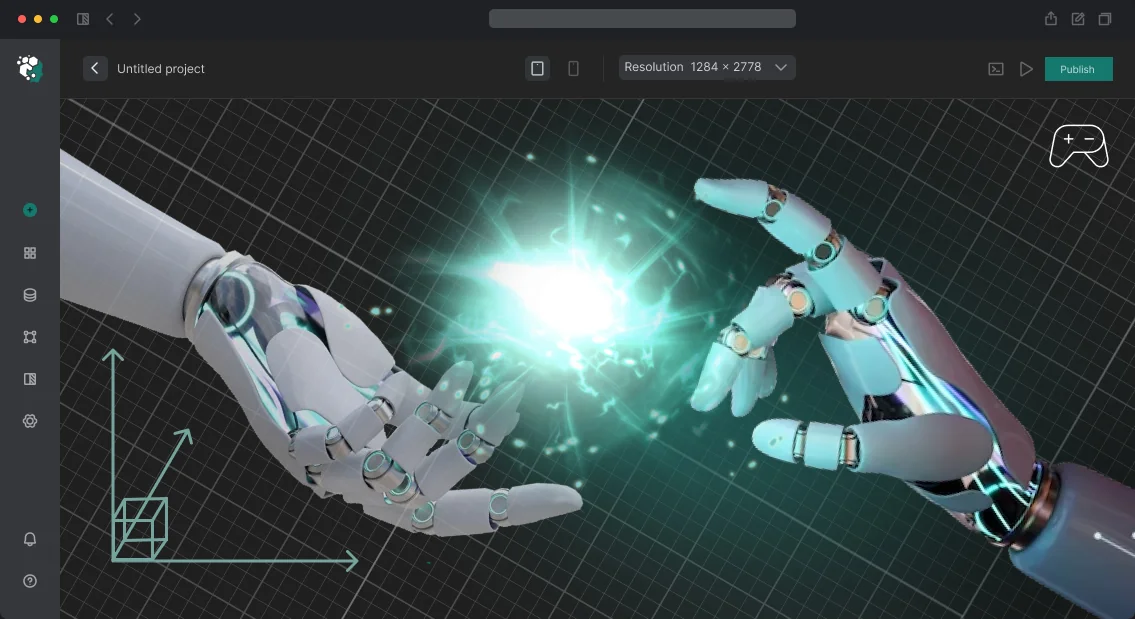
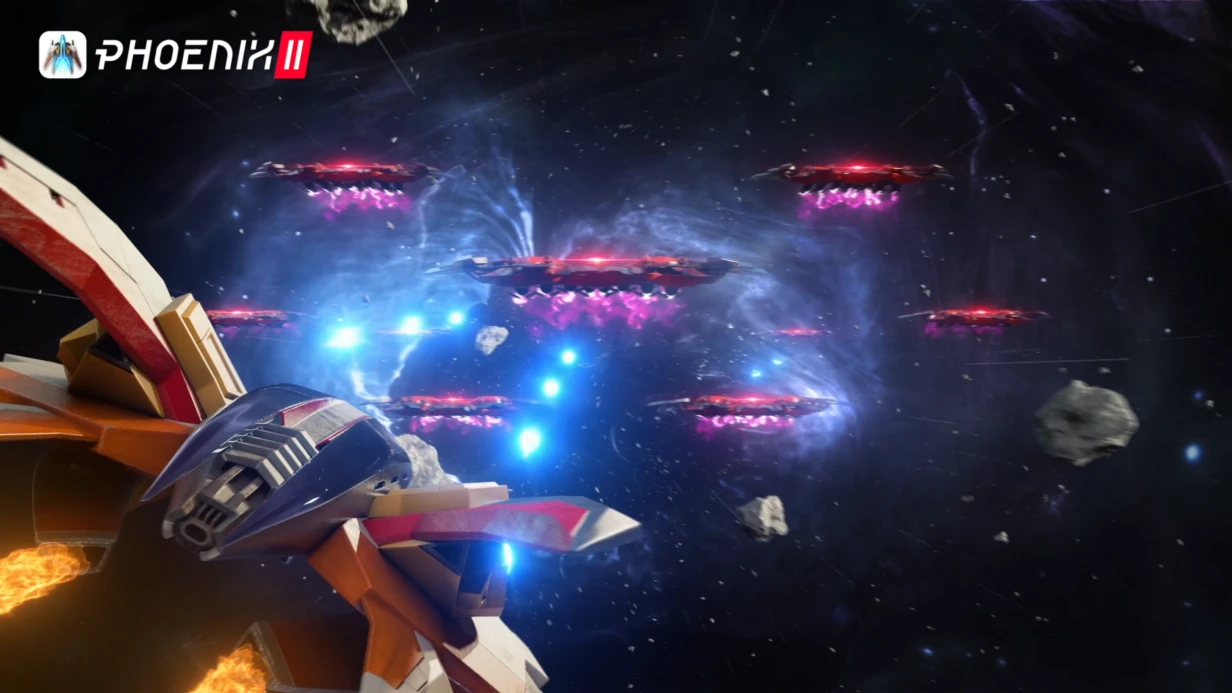
Players choose with their eyes: in a saturated gaming market, first impressions decide everything. Realistic graphics are the filter your project passes before gameplay is even evaluated.
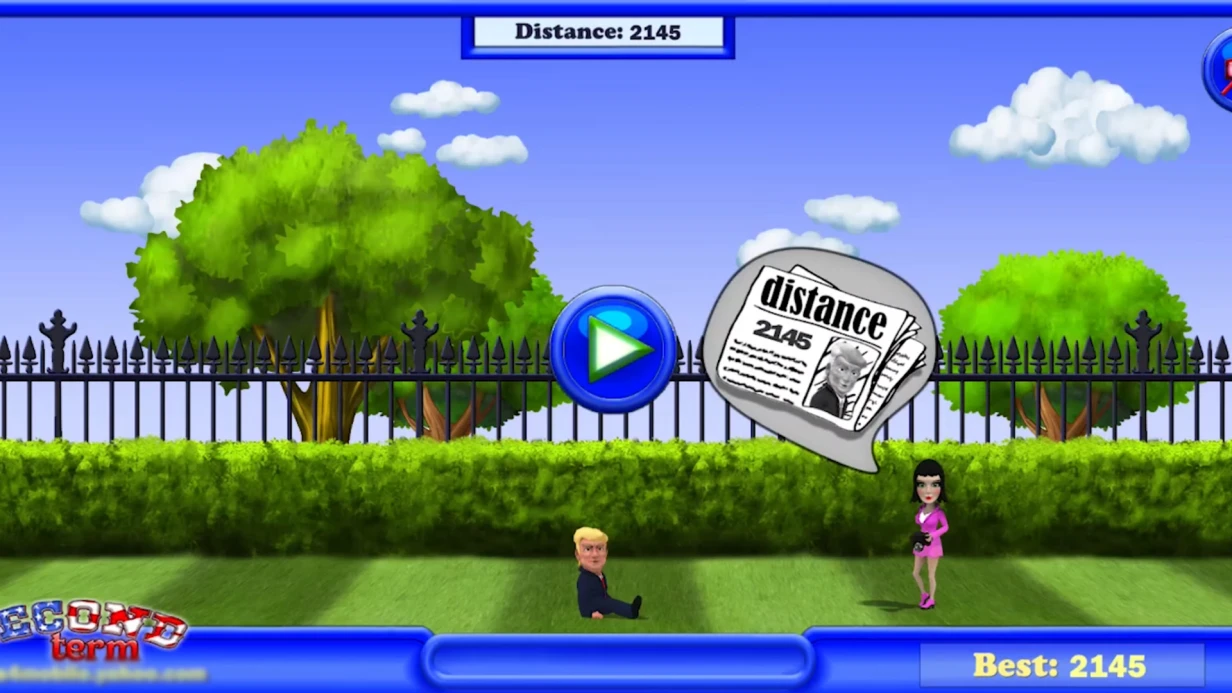
If 3D models look flat and unnatural, users close the game in the first minutes and switch to competitors who invested in the visuals.
The cost of such a mistake is not just lost traffic. Weak visuals reduce player retention, provoke negative reviews, and kill monetization: development investments simply fail to pay off.
In an industry where the average user judges quality by screenshots, saving on graphics costs more than any other stage.
This is solved with high-quality 3D models. We create assets in the Realistic style specifically for projects on Unity — with refined geometry, natural lighting, and details that hold attention.
The result is a game that wins the competition for the first seconds of attention and keeps the player until the end of the session.
What Benefits High-Quality 3D Graphics Bring
High-quality 3D graphics are not just a pretty image, but a tool that directly affects a game's success. They increase engagement, build brand recognition, and boost conversion to requests and purchases. Realistic models evoke emotions, make players stay in the game, and return again.
Increasing Engagement
When players see refined details, they dive deeper into the story and are less distracted. Every element — from lighting to the smallest textures — works toward immersion, so sessions become longer. An engaged audience more often finishes the game and stays with the project for a long time.
Brand Recognition
A unique visual style sets a game apart from competitors even before the first visit. Players recognize the project by its screenshots, call it "that one game," and share their impressions on social media — that is free reach and growing awareness.
Growth in Conversions to Requests and Purchases
High-quality graphics act as a quality seal: users are more willing to download the game, try paid features, and submit requests when they see a professional product. This is how visuals directly increase conversion to the target action.
Professional Execution
We create realistic 3D models in Unity so that you get graphics that help achieve business goals. By contacting us, you receive not just beautiful objects, but a working tool for growing your project's key metrics.
Work Formats for Realistic Game Models
Realistic models are needed at different stages — from prototype to full release. Some clients just need one key character for a presentation, while others come with a game idea and want a finished product.
That is why we have structured the formats so that you pay only for the amount of work that solves your task.
Below is a brief table: which option suits your request best and what result you will get.
| Format | For Whom | What It Gives the Client |
|---|---|---|
| Single 3D Model | You need one object: a character, vehicle, or location for a video or website | A finished Realistic model that can be immediately used in the game or presentation |
| Model Pack | You are building a game or updating visuals: you need a whole scene or a set of objects in a unified style | All elements are in a single Realistic style; you do not have to fix inconsistencies yourself |
| Project Support | You already have a team, but need extra hands for the 3D part | We take on model-related tasks without expanding your staff — your developers stay focused on code |
| Full Game Development Cycle | You have an idea and no time to dive into production details | We handle 3D modeling, scene assembly, and Unity integration — you get a playable turnkey product |
Choose the format based on what you need right now. If you are unsure, start with a single model and evaluate the quality of the work: it will take minimal time and show how comfortable it is to work with us.
How a Project Goes from Brief to Launch
The project is structured as a transparent process with clear stages, where you always understand what is happening and what comes next. We do not "disappear for a month" — every few days you see results and participate in key decisions.
Here is what the path from an idea to a working 3D model in the game looks like:
- Brief and task definition. We discuss your game, its genre, target audience, and Realistic style. We record which models are needed, in what quantity, and by what deadlines.
- Plan and estimate. We fix the scope of work, stages, and timelines for each object. You receive a document showing the cost and dates — no hidden items or unexpected surcharges.
- Preparation stage. We select references, create draft versions, and align the direction with you. This removes the risk of "making the wrong thing" before the main work begins.
- Creating 3D models. We model objects, refine textures, and create materials in the Realistic style. At this stage, you receive intermediate renders and can make edits.
- Approval and revisions. We show the finished models in a convenient format, collect feedback, and make changes. All revisions are logged, so the process remains transparent.
- Unity integration. We adapt the models to the engine, test them in the scene, and set up lighting and materials so they look cohesive in the game.
- Launch and support. We hand over the final files, support the launch of a level or project, and make minor refinements after testing if needed.
The entire process is built on short iterations: you always know the current status, and each stage ends with a concrete result. If something goes wrong at any stage, we discuss it openly and offer a solution — instead of "disappearing for a month."
This approach saves your time and nerves: you do not control every step, but you control the result.
What's Included in the 3D Model Delivery
The client's main question after approving the concept is: "What will I get in the end, and can my specialists use it?" We put together the delivery as a production-ready package, not just a set of files. This saves your team days of work and eliminates surprises at the integration stage.
Here is a complete checklist of what you receive after the work is completed.
- Source project files — working scenes and assets in the current Unity LTS version. You are not dependent on us: any of your specialists can open the project, make edits, and continue development.
- Exported models — formats optimized for the game engine, ready to be loaded into the game. The final versions are prepared so engineers can integrate them without "jumping through hoops."
- Technical documentation — a clear guide for setting up materials, lighting, and animations. Your artist or developer can figure it out in an evening, rather than spending a week searching forums for answers.
- Final renders — previews of the model from all angles for approval and portfolio use. This is convenient for internal presentations and marketing materials before the game's release.
- Revision warranty — for an agreed period, we fix errors that may arise when integrating the model into your project for free. You are protected from unexpected expenses after the files are handed over.
Such a package covers the need for predictability: you know the scope of work and deadlines exactly. Your team's specialists can start working right away without a long "ramping up" period, and the final result looks exactly as intended at the concept stage.
Case Study: Realistic Modeling Increased Player Retention
For the studio DreamPlay, we completed an order for realistic 3D modeling of characters and key scenes in a mobile game. The project had already launched, but players quickly left: the simplified visuals did not evoke emotion or hold attention.
Our task was to rework the visuals so that the world would feel alive and immersive, and users would want to return to it again.
We replaced flat scenery with detailed models and refined the lighting and textures. The game started to look like an expensive cinematic product rather than a typical title. Just a month after the update, day-7 player retention grew from 19% to 32% — almost one and a half times. The average session length almost doubled, and the number of level completions grew by a third.
The growth in engagement directly affected monetization. In-game purchases increased by 40% in a quarter: players are more willing to pay for content that looks high quality.
Modeling costs paid off within the first two months, and the client studio ordered a second pack of models for the new season. Organic traffic also grew — players shared screenshots more often, bringing friends without additional advertising spend.
This case confirms a simple pattern: realistic graphics are not an "image improvement," but a direct tool for increasing retention and revenue. When a game looks expensive, players trust it and are ready to stay for a long time.
We continue to support the project: we regularly update models for new story blocks and adapt them for different platforms so that interest in the game does not fade.
What If I Have Unique Requirements for the Game?
Unique requirements are not a problem, but a standard working situation. We have been working for a long time with clients who have non-standard tasks: special mechanics, a specific visual style, integration with internal company systems, or strict platform restrictions.
Instead of forcing your project into a template, we adapt the process to your task — from the first brief to the final build.
An individual approach begins with a detailed analysis of your idea. At the brief stage, we ask questions that help us accurately understand what should happen in the game and what result you expect.
Then we propose a solution architecture and a step-by-step plan where each step is agreed with you. If you realize during the process that something needs to be changed, we make revisions without losing existing work, because we build flexibility in from the start.
The adaptation of the service concerns not only gameplay, but also all related details.
Whether you need a separate training session for employees, a specific player motivation system, integration with your CRM, or unusual reporting formats — all of this is included in the scope of work.
You get not just a game, but a tool that solves your specific business task: trains staff, attracts clients, or increases brand awareness.
At the same time, the level of execution remains high — we work in Unity and use professional tools, but technology is not an end in itself for us; it is a means.
That is why we first translate any "wants" into the language of results: how long it will take, what effect it will produce, and whether it is worth your investment. If we see that the task can be solved more simply and with lower cost, we honestly say so.
So, if you have an idea that goes beyond standard solutions, this is exactly the case where we can be most useful. Tell us about your task, and we will offer a plan that takes all the nuances into account and leads to the result you need.
Frequently Asked Questions About Deadlines and Guarantees
It is clear that when ordering 3D models for a game, the main priorities are deadlines, quality, and predictability. A missed release or "the wrong result" hits the budget, and rework drags out the project.
That is why we have structured the process so that you can see the dates of each stage and influence the result before finalization. Below are answers to common questions.
How long does it take to create a 3D model?
The timeframe depends on complexity: from 5 to 10 business days for one object, and from two weeks for a location. The schedule is fixed in the contract, and you know the date of each stage in advance.
What quality guarantees do you provide?
We work in stages: you see intermediate versions and make revisions. Every model is checked against references and Unity requirements. If you find a flaw after acceptance, we will fix it for free.
What happens if you miss the deadline?
We take on the risk of delay. If we are late on a stage, we compensate by speeding up the remaining work or offering a discount. In 10 years of practice, there have been no delays caused by us.
What risks may arise during the process, and who covers them?
The main risks are changing requirements and technical limitations of the engine. We document all details in the technical specification, keep you informed, and offer solutions without surprises.
Order Game Development with High-Quality Graphics
Are you planning to launch a game that will stand out in the market? High-quality 3D graphics in the Realistic style are not just an image, but a tool that holds users' attention, increases conversion to installs, and pays off through engagement.
We help clients achieve exactly that result: from refining characters and environments to final visual polishing.
What you get by ordering game development from us:
- A personalized proposal tailored to your business goals — we study your audience and competitors so that the graphics work toward the result.
- A full cycle of creating 3D models in a realistic style — from references and concepts to a finished in-game scene.
- Deadline control at every stage — you see intermediate versions and make revisions without losing momentum.
- A friendly and clear process — we speak the language of business, without technical details that distract from the meaning.
- Transparent agreements and fixed terms — no hidden stages and unexpected surprises.
- Quality guarantee and support after project handover — we bring the result to stable performance.
We pay special attention to the details that affect brand perception: light, materials, textures. Your players will stay in the project longer, which means their loyalty and session length will grow.
To get a consultation and discuss your idea, simply leave a request through the contacts on the website. We will get in touch at a convenient time, clarify the details, and offer a solution for your budget and deadlines. We will create a game you will want to show off.