



Players Are Leaving Template Graphics: How Stylized Brings Them Back
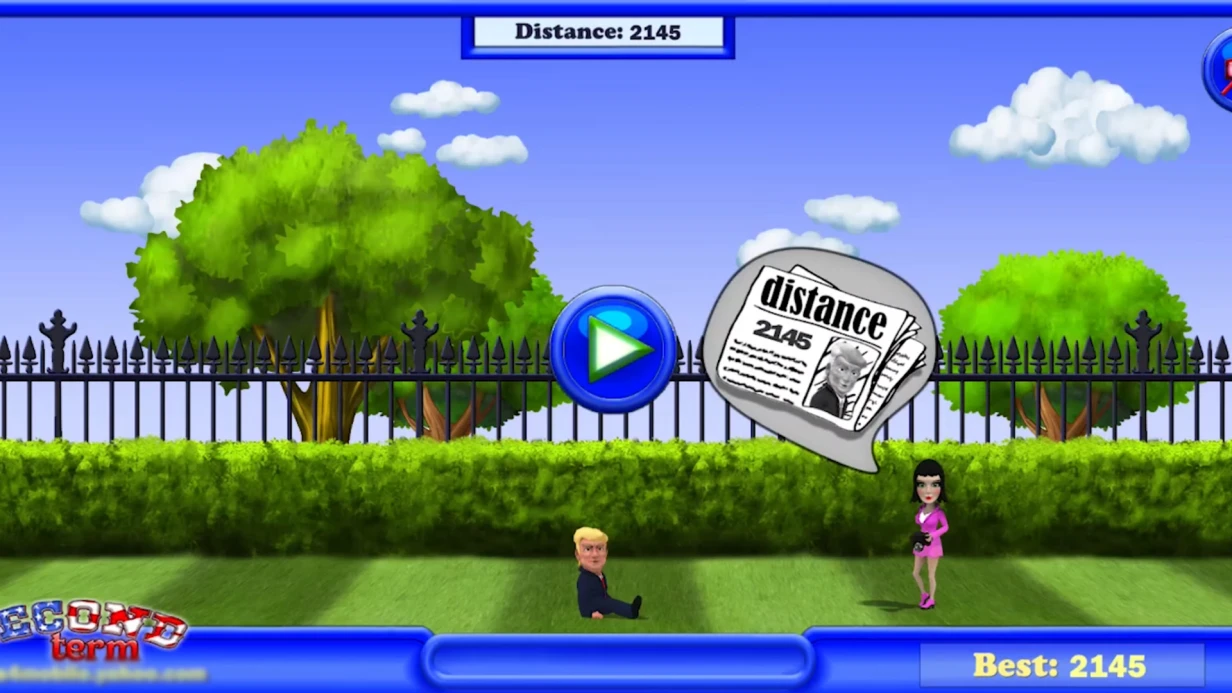
Uniform graphics are the main killer of interest in a game. Today users browse through dozens of projects in an evening, and if the art style doesn't grab them from the first screenshot, they simply walk past.
Even polished gameplay doesn't save the experience: without visual novelty, players quickly burn out, retention drops, donations decline, and reviews become restrained.
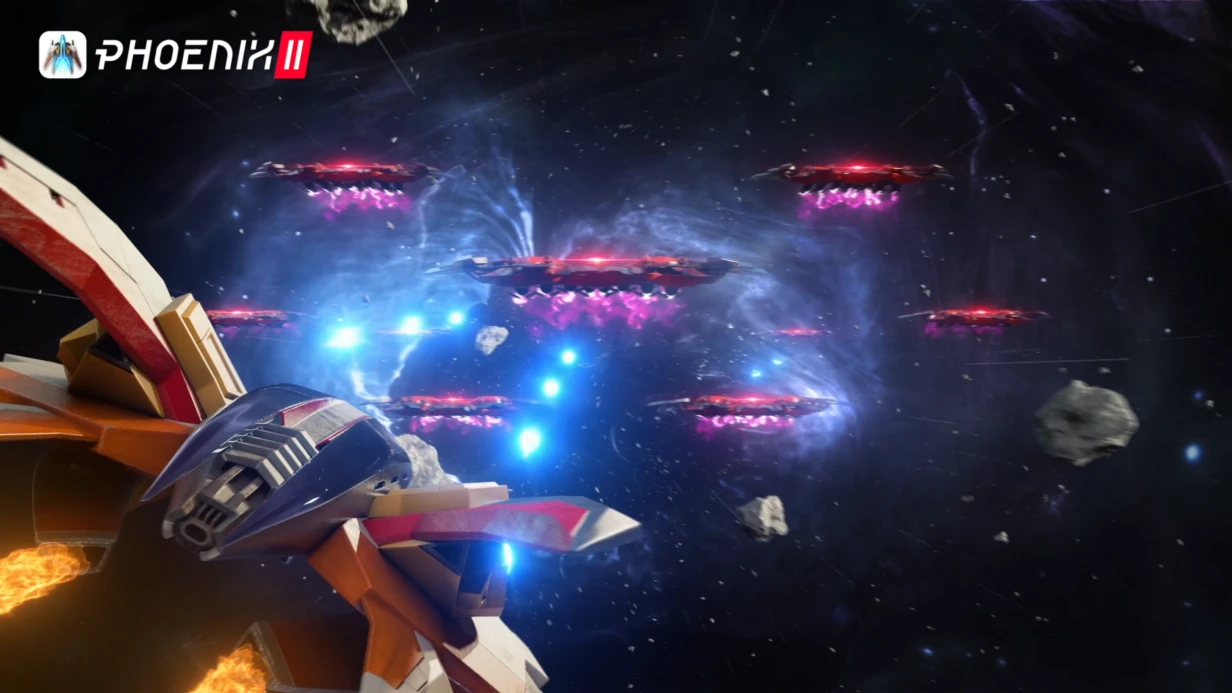
Stylized graphics solve this problem. They create a recognizable look that sticks in memory, highlight the project among hundreds of similar games, and evoke emotion before the first launch.
It's the art style that makes users share screenshots, discuss characters, and come back to the game again. For business, this means organic reach growth and higher LTV without additional advertising spend.
By ordering 3D models for games in a stylized key, you get not just a picture, but a working tool for attracting and retaining an audience. A well-chosen stylization reinforces the genre, emphasizes the atmosphere, and makes the game intuitive to understand.
This matters especially when presenting a project to investors and publishers: a strong art style speaks to a professional level of game development and increases trust in the product.
We help close this pain point: we create 3D models and environments in the Stylized aesthetic that are not just beautiful to look at, but solve specific business tasks — attract attention, retain players, and build a loyal community. With us, you get the visual foundation on which the project's commercial success is built.
What Quality 3D Art Gives Your Game
Recognizable Style — Your Signature
Stylized art makes a game stand out among identical “realistic” projects. Players remember vivid images and recognize the game from a single screenshot.
This is the direct benefit of 3D graphics: uniqueness turns into a visual brand that works for you even before the project launches.
Model quality isn't about “pretty,” it's about cohesion. Thought-out proportions, readable silhouettes, and clean textures create the feeling of a polished product. Such art increases trust in the game and keeps attention on the screen.
Player Engagement Grows from the First Minute
When environments and characters are stylized, it's easier to immerse yourself in the game world. Each location looks complete, characters feel alive, so players are more willing to complete levels and tell friends about the game. The increase in engagement also shows up in longer sessions and more frequent returns.
We refine stylized art for Unity: we find a balance between detail and performance. As a result, you get a picture that is pleasing to the eye and works steadily on mass-market devices.
Commercial Benefit: Higher Value and More Sales
A unique visual style increases audience engagement and purchase conversion. A game with a striking style is easier to show on streams, in collections, and in stores — which means additional installs without an ad budget. Game recognition grows organically because players share screenshots and short clips themselves.
Model quality directly affects your reputation with players and publishers. One solid project becomes a business card: people come back to you for new games and recommend you to colleagues. That's how you build a portfolio that keeps bringing orders long after release.
Collaboration Formats: From Single Models to Full Support
A game project needs 3D models — the question is only about their quantity and regularity. Sometimes one stylized model is enough to show direction, and sometimes graphics tasks arise every week.
So you don't overpay for idle specialists or stop development while waiting for art, we've built three work formats: one-time order, batch package, and long-term outsourcing.
Each format solves its own task — from testing the style to full graphics support.
| Format | For whom | What it gives the client |
|---|---|---|
| One-time order | For testing a style, a single character or item | Quick result without long-term commitments: you get a finished model and understand how well our tastes align |
| Batch package | For filling locations, inventory, or levels | A unified style across the entire batch and an optimal price per item — models are ready to use immediately |
| Long-term outsourcing | For projects with a constant flow of graphics tasks | A dedicated team, predictable deadlines, and priority for your tasks without expanding headcount |
In all formats, we fix the collaboration terms before the start: scope of work, deadlines, and acceptance procedure. You receive source files and rights to the models, and style-fit control saves you from lengthy approvals.
If you're not sure where to start, begin with a one-time order: it's the shortest path to seeing a result and deciding whether to continue.
How the Work Goes: From Brief to Release
Developing stylized 3D models for Unity is a process where every stage affects the final atmosphere of the game. We don't just start “drawing”: first we pin down the task, then create a concept, and after approval move to production.
Over 10 years, we've refined this path so the client always understands what's happening and what they'll get at the end.
-
Brief and Audit — we collect requirements: which scene the models are needed for, which characters or objects, and in what style. We ask questions that help clarify the task, even if you haven't fully formulated it yet yourself.
-
Concept and References — we propose 2-3 stylization directions: shape, color, character. We show examples from your niche so you can choose a unified visual language before production starts.
-
Approval and Quote — we lock in the concept, deadlines, and scope of work. You get a clear plan: which models are part of the stage, what the output will be, and what checkpoints exist.
-
Model Production — we create 3D models for Unity: from rough form to finished geometry, textures, and materials. Iteratively, with intermediate screenshots — so there are no surprises at the end.
-
Unity Integration — we adapt the models to the game engine: scale, behavior in the scene, optimization. We verify that the objects work in the game and don't slow it down.
-
Post-Release Support — after delivering the models, we stay in touch: we fix minor notes, help with implementation, and advise on animation and interaction. You're never left alone with the result.
This sequence helps avoid rework and blown deadlines. You see the model at early stages, make edits at a convenient moment, and get a result that works in the game right away.
Transparent work stages are a guarantee that the project won't “stall” and will be delivered within the agreed timeframe.
What's Included in 3D Model Deliverables
Each 3D model is delivered as a ready-to-use asset, not just a set of files. You receive a complete package that the development team can work with immediately after handoff — without additional approvals, hunting for missing elements, or final polishing.
We structure the delivery so you never wonder “where do we get this from?” — the package contains everything needed to launch the model in a game project.
The delivery includes:
- Final 3D models in a format compatible with your engine — they're already optimized for gameplay and won't slow down the project.
- A set of high-resolution textures and materials so objects look equally good in any scenes and under any lighting.
- Source files with clean topology and a clear folder structure — they can be refined, animated, and scaled without losing quality.
- Documentation: model description, import instructions, and tuning recommendations for specific tasks.
- A brief technical summary: polygon count, material features — so your developers don't spend time figuring it out themselves.
- A test scene with the model where you can immediately see how the object behaves in the game — with camera and lighting.
- Commercial usage rights: the model can be used in any of your projects without restrictions or additional payments.
After delivery, we don't disappear. If your team has implementation questions, we'll help — we provide free consultation for a month. All rights to the models pass to you completely, so you can use them in multiple projects, sell the game, or hand them to contractors.
No hidden license restrictions — only what's written in the contract and what you need to achieve your business goals.
Case: How Stylized Models Helped a Game Stand Out
The game “Fairyland” was launching on mobile platforms in a crowded puzzle niche — in the first weeks the project got modest installs, and players left after the first level. The problem wasn't the mechanics: they were well tuned.
Visually, the game was lost among hundreds of similar projects with identical “serious” 3D models that evoked no emotion.
We proposed moving the entire visual style to Stylized — bright, fairy-tale forms with character that are recognized even from a small icon. The client went for the experiment: the gameplay wasn't changed at all, only the character and environment models were updated.
This is an important point — stylization increases the product's value without rewriting code or rebalancing gameplay.
The results of moving to Stylized models were measured a month after the update's release.
The number of installs grew by 38% — mainly through organic traffic: players started sharing screenshots on social media because the visuals became “Instagram-worthy.” Day-one retention rose from 28% to 41%: new users completed the introductory levels more often because they enjoyed being in that world.
Project revenue increased by 35% with the same traffic — purchase conversion grew because players spent more time in the game and became emotionally attached to the characters.
Repeat orders were a separate highlight: the style became a business card, and the developer studio came back to us for their next project, already factoring in the new visual direction.
This case shows: Stylized models are not just a “pretty picture” — they're a tool for growing business metrics. A game doesn't need realism to win attention; it needs character that holds the player and turns them into a free promotion channel.
We take on such tasks turnkey: from drawing the first characters to integrating the models into the build and reviewing metrics after launch.
How to Choose the Right Format for Your Task?
The choice of format depends entirely on the task the game is solving. If you need to quickly test a hypothesis or add one accent object, a single model is enough.
When you need to fill a location with typical elements in a Stylized style, ordering a batch is more reasonable: you get a series of models with consistent quality and save on the overall stylization.
If we're talking about an entire level or project, the full development cycle is optimal — from sketches and finding a visual language to a finished Unity build.
The ordering process is designed so you don't drown in details. You send a short task description in any form, we review it, suggest a suitable format, and explain the difference in timelines and budget between a one-time order, a batch, and a full cycle.
After approval, we fix the scope, deadlines, and stages — you see exactly what you're paying for and understand in advance what you'll get on output.
To make sure the result matches your taste, all you need to do is send references or examples of Stylized style. If you don't have references, we'll select directions ourselves, show options, and pick the right one together with you.
The more clearly you specify the platform, number of objects, and desired timeline, the faster we'll prepare a quote and start work. We'll even help collect requirements if you're not fully sure what you need yet.
We won't leave you alone with the decision. We'll advise which format will give the maximum return for your budget and audience, and after delivering the models we'll refine them if needed so the game looks cohesive and maintains a unified style.
Contacting us is a way to offload the technical burden and get a ready solution you can use in the project right away.
Answers to Frequent Questions About 3D Models
It's hard to order a 3D model without understanding all the details — especially if you haven't worked with game graphics before.
Common questions are: “what if something's wrong,” “how fast,” “will it work in our game?” Let's go through the most important points so the decision feels calm and clear.
What if the model doesn't match the style or edits are needed?
Edits are included in the cost and are made until you say “yes, this is it.” We send intermediate versions for review, so you see the progress from the first days and control the process. If something doesn't match your expectations, we change it without asking unnecessary questions.
What guarantees do you provide for the result?
A guarantee isn't a statement about honesty, but a written obligation. You get a model that works stably in Unity without “surprises” with lighting or animation. If a flaw on our side is found during use, we fix it at our expense.
The contract specifies the scope of work, the stages, and the conditions under which the model is considered accepted.
How quickly can I get a finished model?
The timeline depends on complexity: a simple object from 5 business days, a full character from 2-3 weeks. We give the exact date after the brief, lock it into the plan, and send reminders for each stage. If you need a tight deadline, we'll discuss what we can simplify without losing style quality.
Will the model fit our Unity build and platform?
We specifically adapt the model to your project: we check compatibility with your Unity version, platform (PC, console, mobile), and your rendering settings. You get a file that simply moves into the project — no rework, no song and dance. We also provide source files so your team can make edits on its own.
If you still have questions, write to us — within a business day we'll tell you how a similar task was solved in your field. The main thing is for you to understand: the model won't “land on your head” at the end of the deadline — it goes through the whole journey with you, from sketch to game build.Ready to Discuss Your Project? Leave a Request
Creating 3D models for a game isn't just a picture — it's the atmosphere that keeps players engaged. Leave a request and we'll discuss your project: we'll break down the task, advise on how stylized models fit into the concept, and offer clear timelines.
It doesn't matter what stage you're at — from idea to finished prototype — we'll help you define the scope of work.
After you reach out, you will get:
- We'll call or reply in a messenger, clarify the project goals and the format for using the models.
- We'll hold a mini-consultation on Unity style: we'll show how stylized graphics affect game perception.
- We'll review your references or help you choose a direction if there's no concept yet.
- We'll put together a personalized proposal: stages, deadlines, and results at each step.
- We'll finalize the brief and lock in the agreements so work starts without delays.
- We'll schedule a demonstration of the first models — you'll see the intermediate result and make edits.
This saves you time: we don't guess, we clarify details before the start. After a short conversation, you'll understand who you're working with, what result you'll get, and how long it will take. We'll discuss each point with simple examples from your task.
Leave a request on the page or write to a convenient messenger — we'll respond within one business day. The first consultation doesn't obligate you to anything. We'll discuss the details and prepare a solution tailored to your tasks.