



Weak 3D Models Kill Game Sales: Technical Development Helps
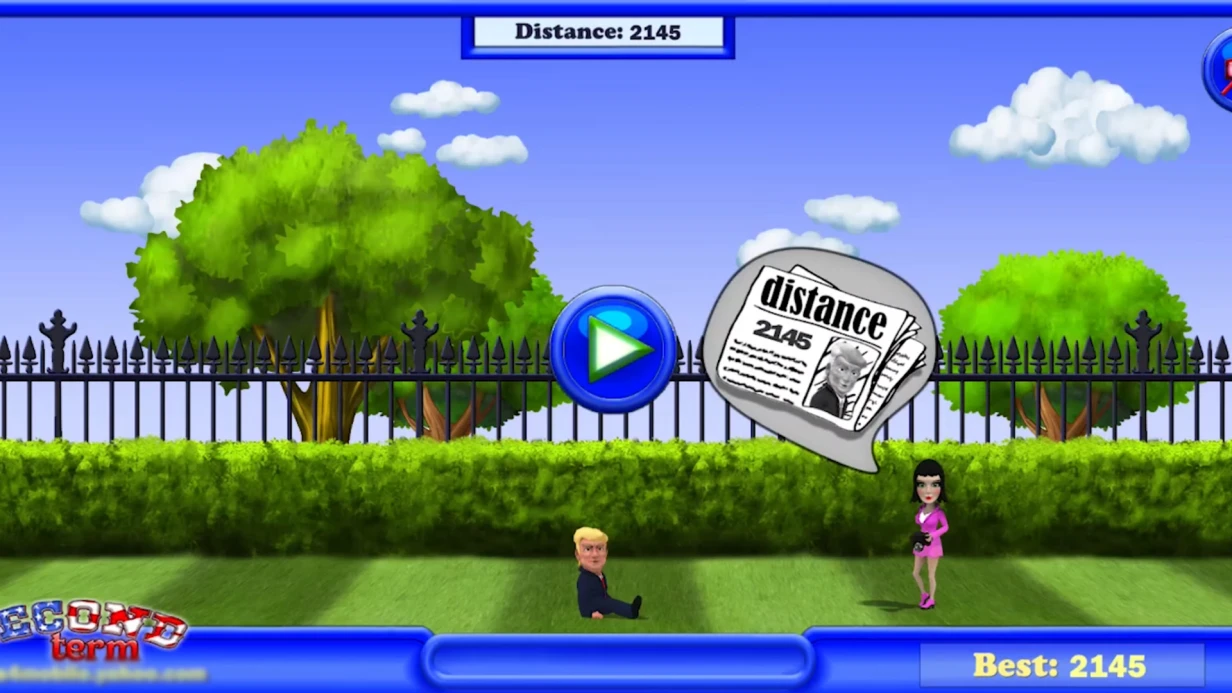
Everyone who opens your game for the first time decides within 5-10 seconds whether to stay in the project or delete it. Players instantly notice sloppy geometry, crooked proportions, obvious corner-cutting on details, and a "cheap" image.
It's weak 3D models that destroy the atmosphere fastest, even if the entire rest of the project is executed at a high level. That's why 3D model quality becomes not a matter of visual aesthetics but a direct factor in sales and retention of paying users.
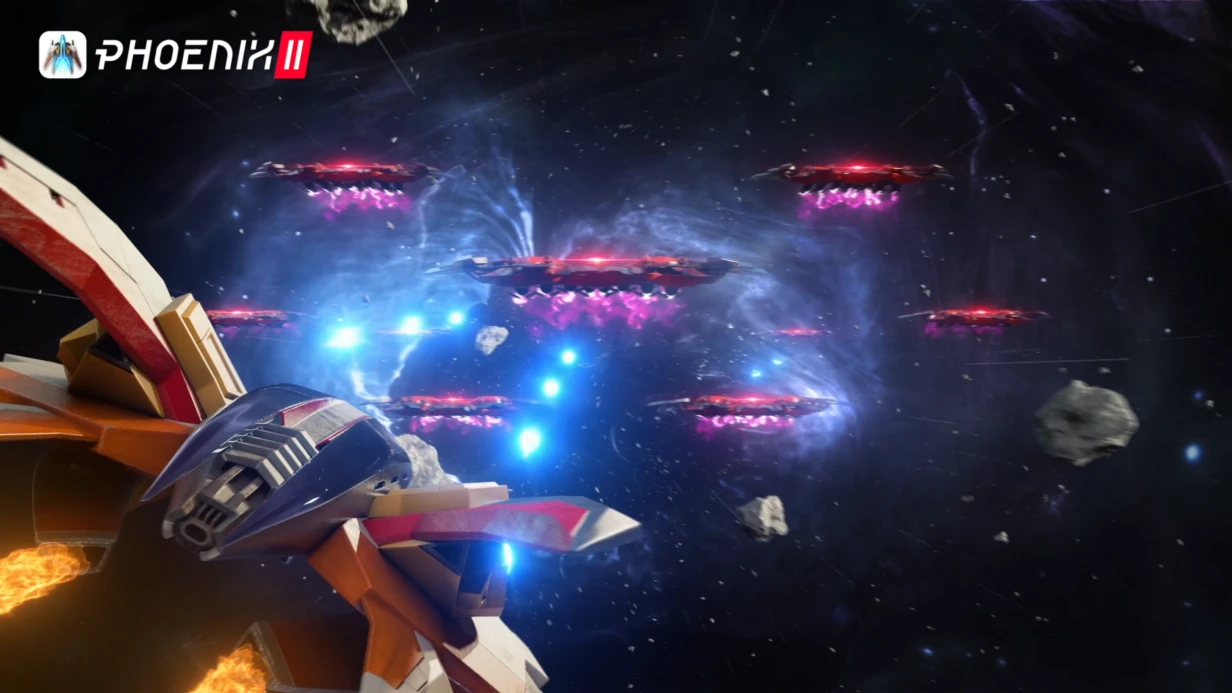
Competition in games has long shifted from the idea of "we released a trailer" to how the product looks in motion.
Users compare your project with dozens of similar ones, and all else being equal, they choose the one where the image is stable, clean, and doesn't irritate.
Poor 3D models draw negative reviews in the first hours of release, trigger player churn, and lead to a decline in revenue from in-game purchases. Worst of all, this process is invisible until launch, and fixing design errors in a release version is many times harder.
Technical 3D models are not just a neat appearance but a manageable characteristic of a game project. We build models for games so that they retain exactly the level of detail your gameplay camera and session length require.
Each model is optimized for memory and load, doesn't cause stutters on weak devices, and maintains a stable frame rate where the player spends the most time — at the epicenter of the action.
As a result, you get not "a pretty picture for the sake of a pretty picture" but a stable experience that holds attention and encourages players to finish the game.
It's important to understand: technical development accounts for real-world scenarios of model usage. We look at the future game through the player's eyes — what viewing angle, what cutscenes, what degree of zoom.
This kind of design ensures the product looks expensive and professional from any angle: both in promotional videos and in gameplay on an ordinary smartphone.
So when you invest money in the quality of 3D models, you're investing in audience retention. And retention is the statistics of repeat visits, "likes," and the willingness to spend real money inside the project.
We come into the process as engineers who understand the relationship between visuals and financial results. And we start by bringing technical 3D models to the level where they begin to work for your revenue.
5 Benefits of Technical 3D Models for Your Game
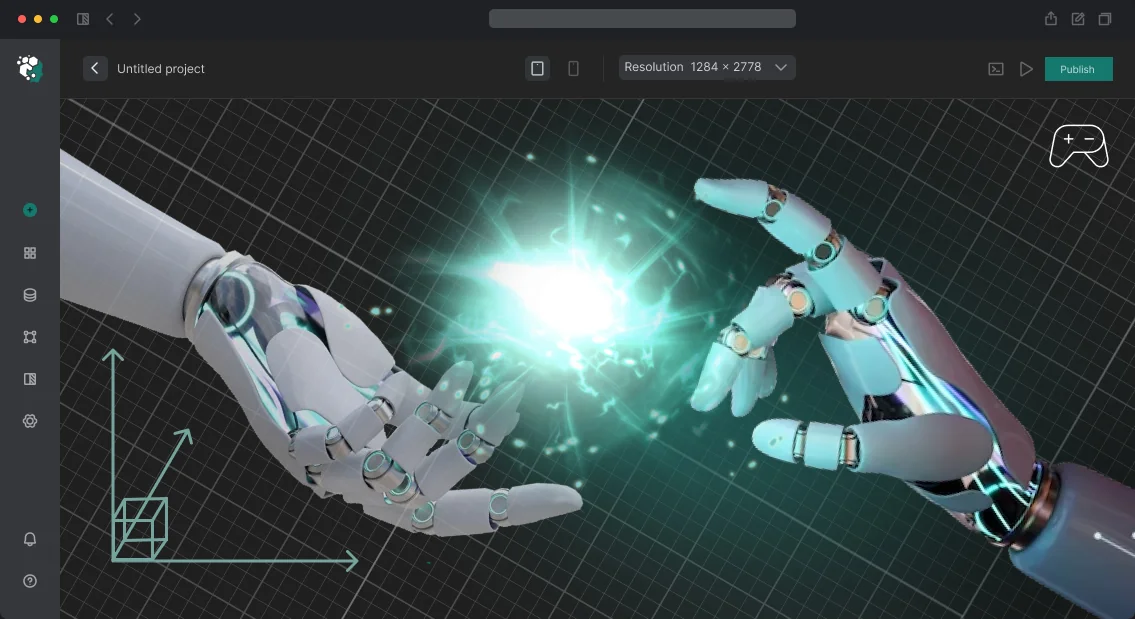
Players gauge game quality from the very first frames: flat and schematic objects immediately reduce interest and trust in the project. Technical 3D models add depth and detail — metal, fasteners, cables, moving parts.
Such graphics not only please the eye but also serve the gameplay: objects look tangible, and players want to examine and study them.
For you, this means higher audience retention and more repeat launches. Here are five benefits you get by ordering models in a technical style.
- Realism without the overhead. Detailed geometry and proper surfaces reinforce the feeling of a "real" world even in stylized projects.
- Engagement. When players can scrutinize mechanisms and take them apart into components, they stay in the game longer and come back more often.
- Better graphics at any budget. The technical blueprint style looks expensive and polished even at medium settings, without adding unnecessary load to devices.
- Unique recognizability. Techno-objects are memorable and easy to use in advertising materials, art, and merch.
- Fast integration. Models load into Unity without rework — saving weeks of team effort and speeding up update releases.
Who These Models Are For
| Project type | What the technical style delivers |
|---|---|
| Trainers and educational simulators | Visual clarity of details: the user sees the mechanism's structure from the inside and remembers how it works |
| Interactive exhibits and showrooms | Attracts attention, encourages touching and interaction, keeps visitors at the booth |
| Games about machinery, mechanisms, and engineering | Builds trust in the gameplay, deepens immersion, and drives the desire to test the mechanics |
Technical models are not just a "pretty picture" but a tool that increases engagement and sets your project apart from competitors. You get graphics that work toward results.
Formats of Technical 3D Models for Different Tasks
Each task requires its own approach to a 3D model: what works perfectly on PC can "kill" the performance of a mobile application.
That's why we match the model format to the specific platform — so you get the right level of visual quality and stable performance without rework.
| Model format | Suitable for | What the client gets |
|---|---|---|
| Lightweight | Mobile games, in-app ad integrations | Fast loading, smooth performance even on mid-range devices, data usage savings |
| Classic | PC and consoles where detail matters | Deep technical style, refined elements, striking presentation |
| VR-optimized | Virtual reality headsets, showrooms, presentations | No motion sickness, high clarity up close, full immersion without lag |
| Universal | Cross-platform projects and future updates | One model scales across platforms — saving budget on new versions |
We don't just hand over a "picture" — we calculate in advance how the model will behave under load. This saves you from situations where a beautiful model stutters on clients' phones or requires rework for VR — everything is already accounted for at the start.
Each format passes compatibility checks with Unity and target devices. You get a model that can go straight into the project, not a "semi-finished product" with surprises.
If you're not sure which option to choose, we'll send test examples and recommend the optimal balance of detail and performance for your task.
How We Create Technical 3D Models: 7 Steps
Ordering 3D models often feels like a "black box": you send examples, and a week later you receive finished files. We've removed that uncertainty.
At our team, the process of creating technical 3D models is divided into seven stages — at each one you see intermediate results and can influence them before the work goes to final.
- Brief and examples — we define the task: which game, scene, or mechanic the model is needed for. We clarify the style, number of objects, and deadlines so you know the time budget upfront.
- Technical specification — we turn the brief into a clear plan: list of models, level of detail, optimization requirements. You approve it before work begins — no surprises at the finish.
- Rough forms — we create the base silhouettes of objects in the technical style. We show you screenshots so you can evaluate proportions and the overall idea before significant resources are invested.
- Detailing — we refine surfaces, seams, fasteners, and small elements. This stage determines the "expensive" look of the model and its credibility on screen.
- In-game scene testing — we place the model in the environment, checking scale, lighting, and silhouette readability. You receive video or screenshots from an actual scene, not abstract renders.
- Optimization and technical setup — we prepare the model for Unity: configure technical characteristics, materials, and formats. For you, this means stable game performance without lags or freezes on weak devices.
- Delivery and support — we hand over files, a brief guide, and stay in touch. If questions arise during integration or adjustments are needed, we quickly fix the model.
What You Get in the 3D Model Package for Your Game
When ordering 3D models for a game, it's important to understand: you're getting not just images but a ready-made asset that can be used immediately. How well the delivery is planned determines the speed of your project launch and the absence of surprises at the build stage.
As part of the model creation work, we include a complete package in advance so you don't have to order anything extra:
- Optimized technical-style 3D models — ready for use in Unity, open and work without additional configuration. Saves your team days of integration work.
- High-quality textures and materials — all surfaces are refined: metal, glass, plastic, enamel. The game looks cohesive, without "patches" or random colors.
- Source files of the software project — the files from which the models were created. If you want to make edits in-house, you'll have access to the source rather than just a "closed" image.
- Assembly documentation — a simple guide: what connects to what, which components are used, how to reuse the object on other levels. Even someone new to Unity can figure it out.
- Commercial usage rights — you receive a license to use the models in your game, including sales and advertising materials. All rights are documented, no "turns out you can't do that" surprises.
- Transfer support — after delivery, we briefly answer your team's integration questions. No "files received, you're on your own now."
This package covers the question of "what's included in the development": you know the scope of work in advance and control the result. We deliver materials in stages, having agreed on the final scope before we start.
Everything else — deadlines, revisions, convenient delivery format — we discuss openly before the contract is signed.
Case Study: How 3D Models Increased Conversion in a Game
One of our partners — a mobile game studio — ran into a typical problem: players completed the first levels and left before reaching the key content. Analysis showed it wasn't the mechanics but the visual perception. The models looked outdated, generated no interest, and didn't match the intended atmosphere.
We proposed replacing them with technical-style 3D models — with an emphasis on details, textures, and "engineering" aesthetics. our team assembled a team that reworked the key objects, from game environment to characters.
We worked with professional equipment and refined tools to ensure the result was stable and ready for immediate integration into the game.
The effect was felt within a month of the update. Day-2 player retention grew by 34% — players started coming back to see what happens next. Average session time increased by a minute, which means more levels viewed, more in-game events, and a higher chance of purchases.
The client got not just "nice pictures" but a measurable improvement in key product metrics.
After the successful launch, the partner ordered two more model packages for subsequent updates. For us, that's the best indicator: when results show up in numbers, the client comes back on their own.
If you need your game to not only look modern but also deliver more value — conversion, retention, engagement — we're ready to build the same case for your project.
What If You Need Custom 3D Models?
Clients often come with requests that don't fit into a catalog of ready-made solutions. Custom 3D models are needed when a project requires a unique shape, unusual stylization, or precise alignment with your vision.
In such situations, standard assets only slow development down — you have to rework, refine, and adapt.
We take these tasks on right away. We develop individual 3D models to the specific requirements of your project: the source can be a sketch, a reference, a technical description, or just a verbal brief.
It's important for us to understand how the model will be used in the game — in frame, in interaction with a character, within the interface. Optimization, polygon count, and delivery format all depend on this.
We adapt the result to Unity and your pipeline. If needed, we'll prepare the model with the required technical features: LOD versions, colliders, UV unwrapping, textures for a specific renderer.
You get a file that goes straight into the build, without conversion headaches or manual fixes. This saves days of your team's time and eliminates the risk of "the model is beautiful, but we can't insert it."
Our process is structured so you always know where your order stands. We show intermediate versions, discuss revisions, and lock in the result. If something small doesn't fit after delivery, we fix it quickly without additional approvals. That's why even the most specific tasks are completed on schedule with predictable quality.
So yes — we do custom 3D models. Send us your technical specification or simply describe your idea — we'll propose a solution that works for your project.
Common Concerns About Ordering 3D Models for a Game
Before ordering 3D models, every client has the same questions: will we make the deadlines, will the budget balloon, who owns the rights to the model, and what happens if the model doesn't fit the engine. That's normal — we're equally interested in you getting a predictable result without surprises.
Our terms are transparent: we fix deadlines and cost in the contract, show intermediate versions at each stage, and transfer all rights to the model and source files after payment.
Unity compatibility is checked at every step — you get a model you can put into the game right away.
What if the model doesn't match the style or technical requirements?
We approve references and the technical specification before work begins. You see the model at an early stage and make revisions — this rules out the situation where the result doesn't match expectations. If something is wrong, we refine it at our expense.
Who owns the rights to the finished 3D model?
After full payment, all rights and source files transfer to you. You can use the model in commercial projects without restrictions or additional royalties.
How do you guarantee deadlines?
Deadlines are fixed in the contract, and at each stage you receive a progress report. If we miss a deadline due to our fault, compensation is provided. That's why delays aren't in our interest either.
Will the model work correctly in Unity?
Yes, we assemble and test the model in Unity before delivery: correct scales, collisions, optimization for mobile devices and PC. You receive a model ready for integration without additional setup.
Order 3D Models for Your Game and Get a Result That Sells
When you order 3D models, it's important to get not just images but working assets that integrate easily into the project and help the game "sell" itself.
That's why we've structured the process so you see the result at every stage and clearly understand what you're paying for.
Typically, 3D development for a game goes through clear steps:
- Brief and references — you describe the style, mood, and goals of the models, and we clarify the details so the result doesn't need rework.
- Prototype and concept — we show the first options: proportions, silhouette, overall style. You adjust the direction before we start detailed work.
- Modeling — we create the geometry itself, accounting for future animation and physics. No "raw" placeholders — only a usable product.
- Textures and materials — we refine the look so the model feels cohesive in your game's environment and delights players.
- Optimization — we test how the object behaves on real devices, removing unnecessary elements without losing quality.
- Unity integration — we prepare the files for your pipeline, configuring import, collisions, and animations as needed.
- Launch and support — we hand over sources, instructions, and stay in touch to help with implementation.
Simply buying 3D models means getting a set of files. But the real value is in how they work in your project. That's why, after a 3D project launch, you get:
- a complete set of models with sources and textures;
- clear documentation: how to use, configure, and replace objects;
- confidence that models won't cause performance drops on weak devices;
- the ability to make edits without redoing the entire job;
- a personal manager who responds within the business day;
- a result that enhances the impression of the game and boosts its commercial potential.