



What does a well-designed hybrid-casual game bring to your business?
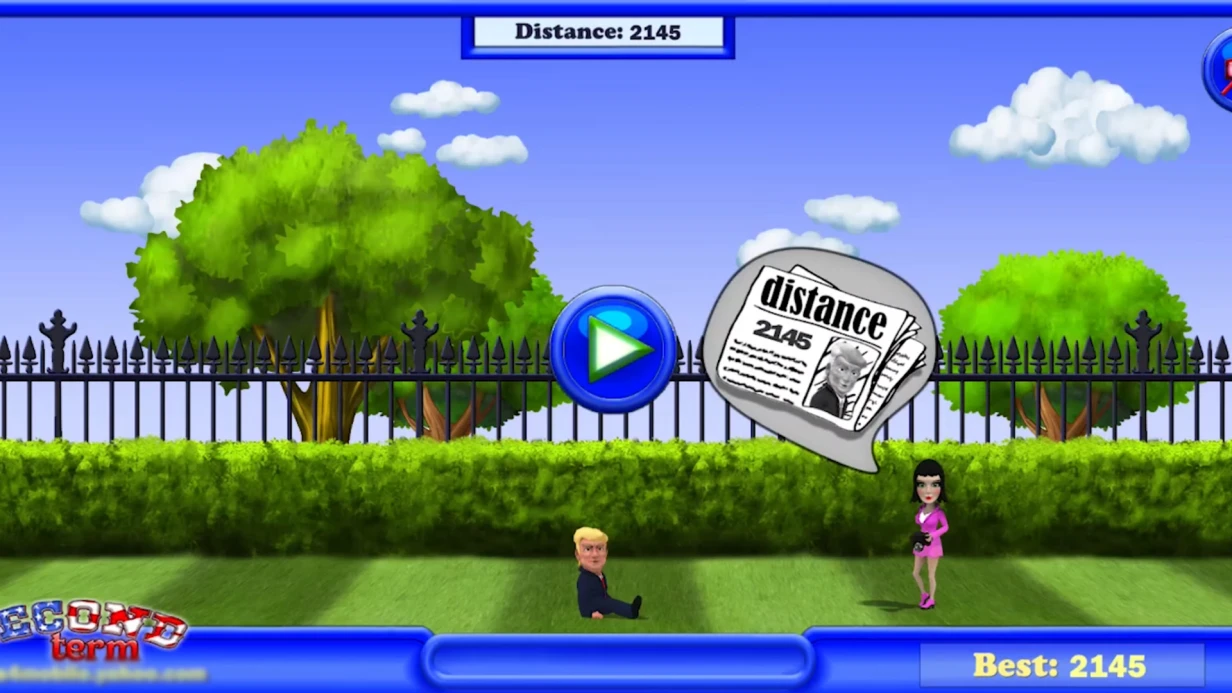
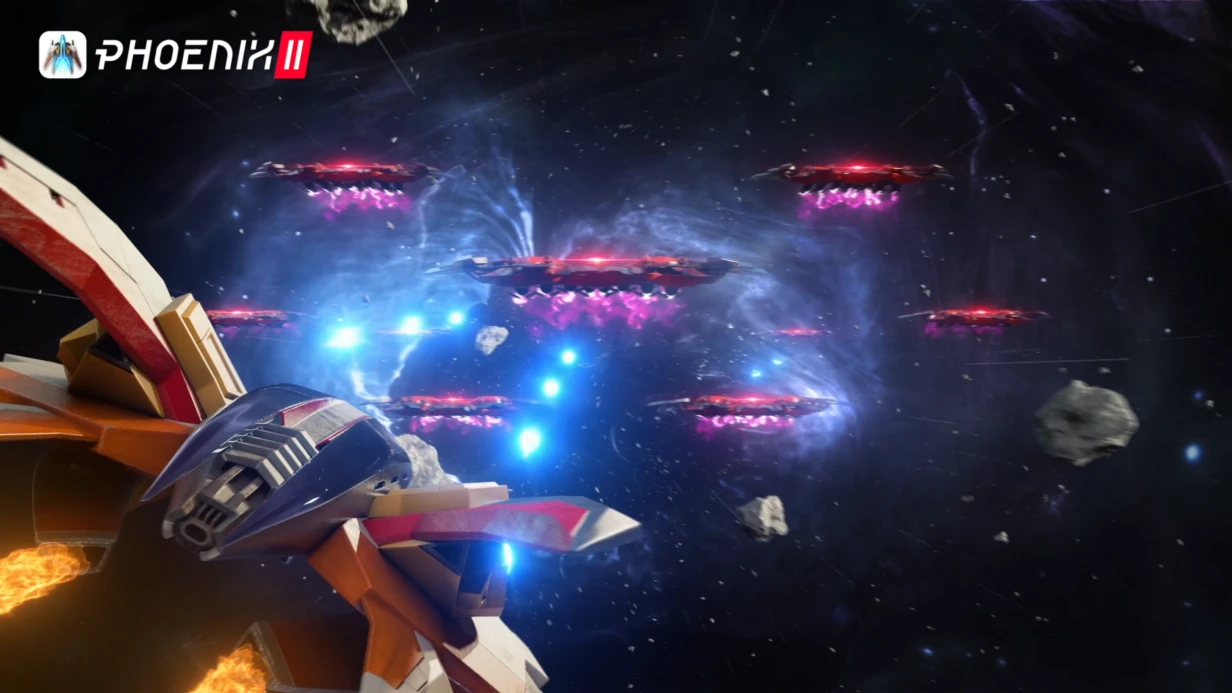
A well-designed hybrid-casual game is not just entertainment — it is a tool that solves specific business problems.
Unlike a classic casual game, such a project keeps the player engaged longer: thanks to hybrid mechanics, the user returns to the game regularly, which means the value of every acquired customer grows.
For business, this translates into predictable growth of key metrics — retention, average session length, and share of repeat visits.
The first benefit is sustainable audience retention. Hybrid-casual games combine ease of entry with depth of progression: the player quickly understands the mechanics but stays in the game for weeks and months.
This fundamentally sets them apart from utilitarian apps, where a user completes a task and leaves forever.
Long-term engagement is the foundation for everything else: the longer a player stays with you, the higher the customer lifetime value, and the cheaper each repeat launch becomes.
The second benefit is organic reach and brand recognition. People willingly share results and progress on social media, especially when the game offers vivid emotional moments.
Every active user becomes a brand ambassador: their stories, screenshots, and friend invitations bring in new players without advertising costs. Thus, the game turns into an acquisition channel that keeps working for you even after the main marketing budget is spent.
The third benefit is monetization without aggression. In hybrid-casual games, payment is built into the gameplay: the user pays for faster progression, unique visual elements, or additional features when they themselves want to.
This generates steady revenue without damaging brand reputation or scaring off the audience. You get a revenue source that scales with audience growth and does not require constant one-off promotions.
Finally, a hybrid-casual game strengthens your overall brand. It creates positive associations, increases loyalty, and sets you apart from competitors using dull standard formats.
We design games with a focus on your business goals: retention, reach, recognition, and monetization work as a single system, and you get a product that pays off at every stage of its lifecycle.
iOS game development formats: which one to choose for your task?
The iOS game development format determines the budget, timeline, and how quickly you will see results. For some tasks, it is enough to test a hypothesis in a couple of weeks; for others, you need a product ready for release and monetization. That is why we divide our work into three formats: prototype, MVP, and full cycle.
Below is a comparison based on the criteria that matter to the client: speed, entry cost, testing capabilities, and launch readiness.
| Format | When to choose it | What you get |
|---|---|---|
| Prototype | Need to quickly test an idea or a key mechanic | An interactive demo to evaluate the hypothesis with your team and investors |
| MVP | Want to launch a minimal version of the game on real users | A working iOS build with core mechanics, analytics, and basic monetization |
| Full cycle | The goal is to release a finished product and grow it | A turnkey game: design, development, testing, App Store publishing, and support |
Choosing a format is not a question of “more or less,” but of matching your business task. If the budget is limited and you need to reduce risks — start with a prototype. If the market has already been studied and you have precise metrics — go straight to the full cycle.
In any case, you get a transparent process, clear stages, and a game you can show to users and measure the results of. And we handle the technical side — from the idea to the “Download on the App Store” button.
How a game development project goes: from brief to launch
Game development is not a “black box” but a managed process with clear stages. We start with a brief, then lock in a plan, and at each stage we show the result for your approval. This way, you see the project’s progress and can influence it without surprises.
- Brief and goals. — We discuss why you need a game: user acquisition, audience retention, or brand awareness. We define the objectives, target audience, and success criteria.
- Plan and approval checkpoints. — We create a stage schedule and define exactly what you will approve at each step. You get a clear picture of the timeline and scope of work before we start.
- Prototype and concept. — We show what the game will look like, which mechanics and scenarios are planned. At this stage, we make the main adjustments so we don’t have to rework the finished product.
- Development of the iOS version. — We build the interface, levels, balance, and game logic. Every one to two weeks you receive an interim version — so progress is visible and the project stays manageable.
- Interim demos and revisions. — We collect your feedback, make changes, and show the new version. Approval goes quickly because we work in short iterations.
- Testing and polish. — We test the game on different Apple devices, fix bugs, and improve control responsiveness. We bring the product to a state ready for release.
- Launch and support. — We publish the game on the App Store, help with initial promotion, and stay available for updates and analytics.
What you get as a result of game development
You get not just a game but a finished product you can release and grow. We hand over a complete delivery package — from source files to marketing materials — so you are never dependent on the contractor at any stage.
Here is what is included in the result:
- Project source files — all custom-written code, assets, and settings remain your property. You can hand them to any team and make changes without restrictions.
- Documentation — a clear project description, developer instructions, and update procedures. Any of your specialists will quickly understand how the game works and how to grow it.
- Marketing package — app store listings, screenshots, a trailer, and banners for ad campaigns. Everything is ready for launch and promotion from day one.
- Training and consultations — we walk your team through the project, answer questions, and provide support after handover. You are never left alone with the product.
- Analytics and reports — we set up player behavior tracking: where users come from, how they progress through levels, and where they drop off. You see the numbers and make decisions based on facts, not guesses.
- Growth recommendations — a content roadmap, ideas for new mechanics and monetization. The game stays alive and delivers results not only on release day.
In the end, you own all materials, understand the product, and can scale it without intermediaries. We stay available after the handover to make sure the launch runs smoothly and the first players arrive within the first days.
Case study: how we created a game with 40% player retention
We built a hybrid-casual game for a client in the mobile entertainment segment — they needed a product released in a short time frame that would retain the audience better than the market average.
At that point, typical day-one retention in the niche was below a commercially viable level, and the client needed a stable base for ad monetization.
We built the project on Unity — this allowed us to iterate the gameplay quickly and release the first version on time.
The key factor was not the tech stack but the approach to meta-progression: we simplified the mechanics to two taps but added reward loops that motivate players to come back.
What the client got
After release, the game showed 40% day-seven player retention — one and a half to two times higher than the average for the hybrid-casual genre. At the same time, the average session length grew by a third compared with the prototype made before us.
These metrics allowed the client to attract advertising partners and recoup the development costs within the first month.
Why this matters for your project
We don’t just write code — we build the game economy: we forecast retention, test hypotheses on prototypes, and provide the client with transparent data at every stage.
If you want a game that brings not only installs but also returning players — we can repeat this scenario for your task.
How to choose a development format if you have specific requirements?
Specific requirements are normal for a business that doesn’t want to fit into someone else’s templates. Your project may have its own rules: a non-standard target audience, a unique mechanic, integration with external services, or strict deadlines.
Standard “we’ll do it like everyone else” offers don’t work here — you need a format that accounts for your individual conditions.
How do you choose such a format? Start by segmenting your tasks: what exactly should the outcome be, and what is critical for you — time to launch, depth of execution, or the ability to make changes along the way.
If you just need to test a hypothesis, a short version with a basic mechanic will do. If uniqueness and long-term monetization matter — we build a full development cycle with a custom architecture.
We help break down your requirements into concrete tasks and find the optimal approach for them. When working on hybrid-casual games for iOS, we account for platform specifics: App Store rules, audience behavior, and player retention strategies.
We build this knowledge into the format at the planning stage, so we don’t have to rework the project after the fact.
So don’t look for a one-size-fits-all answer in a service catalog. Bring us your requirements — we’ll propose a custom format that solves your task without unnecessary costs or downtime. All that’s left is to approve the plan and start.
Frequently asked questions before ordering game development
Before a project starts, clients ask the same questions: how long will it take, what are the risks, and how do we fit the budget. We answer the main concerns honestly — without complex technical details or empty promises.
How long does iOS game development take?
The timeline depends on mechanic complexity and content volume. A minimal test version can be ready in 2–3 months, while a full release with balanced progression and a monetization system typically takes 4–6 months.
At the brief stage, we agree on a realistic plan with you and lock in checkpoints. We report at every stage — not just on code readiness but also on achieving business metrics. You always know where the project stands and how much time remains.
How is the development cost calculated?
The price is determined by the scope of tasks, not the number of hours. You pay for a specific result: ready game mechanics, a level set, App Store launch. All work is itemized in the estimate in advance, and for hybrid-casual games we often offer stage-based payment.
We don’t include hidden fees. If new tasks come up during the process, you see it right away and decide for yourself whether to expand the budget or keep the project scope fixed.
Which devices and iOS versions will the game support?
We target current iPhone and iPad models and support the two latest major iOS versions. This approach covers almost the entire active App Store audience and simplifies future updates.
If covering older devices is important to you, we discuss that separately at the start. We’ll tell you how many additional users it will bring and whether it affects development complexity. The decision is yours.
What risks exist and how do you address them?
The main risk of any game project is building a product users don’t like. That’s why we don’t go straight into production — instead, we assemble a prototype and test it on a small group of players before the main release.
Based on the test results, we see real numbers: how many players reached the end of a level, where they lost interest, and whether they are willing to pay. If the metrics don’t match expectations, we adjust the balance and refine the mechanics. This removes the risks of an “empty” launch and wasted spending on promotion.
Tell us about your idea — we will propose a development plan
Tell us about your idea — even if it’s just a couple of sentences for now, we’ll help turn it into a ready development plan. You already know that hybrid-casual games build a loyal audience on iOS, but where to start isn’t always clear. Just leave a request for development, and we’ll take care of working out the details.
You’ll get not a template answer but an analysis of your task from a team that has launched similar projects. We’ll define the goals, suggest suitable mechanics, and forecast the timeline and growth points. All of this is non-binding — so you can make an informed decision.
Here is what is included in the consultation and plan:
- Analysis of your idea and its fit with the iOS audience — you’ll understand which mechanics will resonate with your future players.
- Selection of monetization and retention models — how the game will earn and bring users back after the first launch.
- Assessment of timeline and work stages — you’ll get a clear roadmap without ambiguity or drawn-out pauses.
- Launch checklist — from the first prototype to App Store publishing, including platform requirements.
- Promotion recommendations — to reach your target audience and build growth from the first weeks.
Leave a request right now — via the form on the website or in a messenger. We’ll respond within one business day and send you the plan and checklist so you can see how the work on your game will be structured. Let’s start with a consultation — the rest will follow.