



Why Clients Don’t Remember Your Brand? An Android Game Fixes That
People remember not banners and newsletters, but emotions and actions. Ordinary advertising merely flickers through the feed: it gets scrolled past in fractions of a second and immediately forgotten.
A game, however, holds attention for several minutes — enough time to dive into the mechanics, absorb the visual style, and connect it with your company.
For business, this turns into an interactive marketing tool: instead of watching an ad, the client interacts with the brand themselves. They complete levels, earn rewards, share results with friends — engagement becomes reach without an extra advertising budget.
A small Android mobile game works like a magnet for attention and simultaneously like a business card people want to keep and forward.
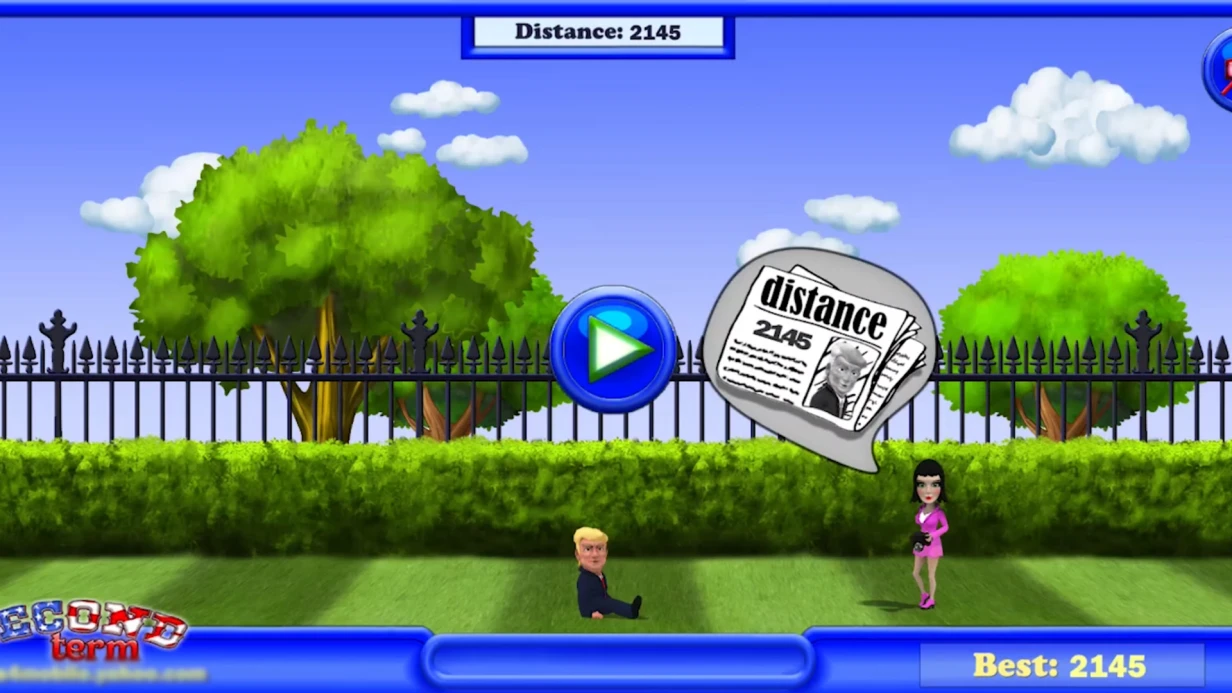
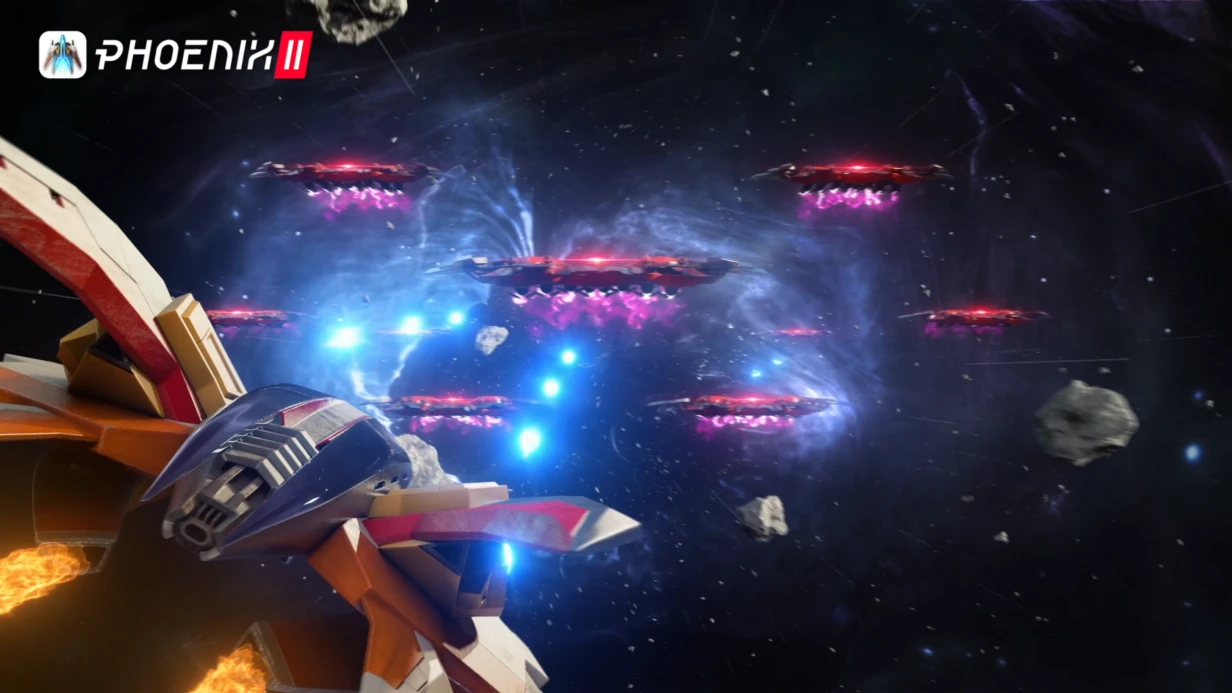
We provide turnkey game development — from idea to store publication. We create hyper-casual projects that are easy to learn but grab attention from the first second.
For the client, this means not just “another app,” but a working communication channel: the game brings clients back, boosts brand recognition, and collects behavioral statistics.
If your advertising gets lost among competitors and visitors or buyers don’t return — the problem isn’t the product, but the interaction format. We propose turning a one-time brand touchpoint into a memorable experience the client wants to repeat and tell others about.
Let’s start with a short brief — you describe the audience and the task, and we offer an Android game concept that solves exactly your problem.
Benefits of Android Games for Marketing and Sales
Android games turn marketing from one-way messages into live interaction. The user doesn’t just see an ad — they play, return, compete, and share results. This engagement addresses three business goals: brand awareness, lead generation, and customer loyalty.
Awareness grows through regular contact with the game: the company name, logo, and key messages stick in memory without being pushy. After finishing a game, users often send invitations or screenshots to friends — each such step expands reach without additional advertising spend.
Lead generation becomes easier. Reward mechanics let you collect contacts in exchange for bonuses, extra levels, or access to exclusive content.
A person leaves their data voluntarily and stays in the database for future campaigns — such leads are cheaper than paid ones, and interest is higher.
The game creates emotional attachment: positive impressions become associated with the brand and transfer to attitudes toward the product. A client who had a great time with your company is more likely to return and choose you over competitors.
Android as a platform amplifies the effect: a huge audience, a habit of downloading apps, and a minimal entry barrier. That’s why game marketing pays off quickly and produces measurable results in reach, leads, and customer behavior.
Hyper-Casual Game Formats: Choose a Solution for Your Task
Every business task — training an employee, increasing awareness, or surprising guests — requires its own game format. A hyper-casual Android game launches from the first screen, doesn’t require installing complex apps, and is understandable to any user.
We match the genre to the specific goal, not the other way around. Below is a table of typical solutions that have already delivered results for our clients in corporate and event projects.
| Format | For whom | What it gives the client |
|---|---|---|
| Quiz | Corporate training, marketing campaigns, events | Engages within a couple of minutes, tests knowledge in a light form, helps collect participant contacts |
| Arcade | Boosting brand awareness, attracting new audiences | Records and competitive excitement, viral reach through social media, reasons for repeat launches |
| Simulator | Product presentation, skill practice | Clearly shows product benefits, provides safe training without mistakes and losses |
| Event game | Festivals, conferences, corporate events | Live activity at the booth, emotions and photos, a natural reason to talk about the brand |
Any of these formats works as a standalone tool or as part of a larger campaign. Choose based on your task — we’ll handle the rest.
Game Development Stages for Your Project: From Brief to Release
To give you a game that genuinely drives installs and revenue, we’ve built a transparent step-by-step process. At every stage you see interim results, participate in approvals, and understand what the final product will look like. This eliminates surprises and unnecessary costs.
-
Brief and goal analysis. We meet with you, identify project goals, target audience, and desired metrics. We create a technical specification with clearly defined timelines and expected outcomes.
-
Concept and prototype. We develop the game idea: gameplay, style, mechanics. Then we create a prototype — a playable version you personally try and adjust before full development begins.
-
Design and development. After the concept is approved, our specialists create graphics, animations, and program the logic. At this stage you receive the first versions of screens and gameplay flow — we show and discuss all changes with you.
-
Testing and approval. We run internal testing, fix bugs, and check stability. You receive the final build on your device, try the game, and approve it.
-
Store launch. We prepare the page for publication on Google Play, configure icons, screenshots, and description. After release we provide technical support — monitoring launch and stability for the first users.
-
Support and analysis. We collect data through analytics and track key metrics — retention and session length. Based on this data, we propose updates and new mechanics so the game stays in demand.
We’ve been working with this scheme for over ten years — it lets us control budget and timelines at every step. You are always in the loop and make decisions based on facts, not promises.
What Game Development Includes: Complete Package for Launch
The complete package is not just code, but a ready-to-launch game division for Android. You get a product that brings users and revenue, not one that requires months of refinements.
-
Ready hyper-casual Android game: tested and ready for publication in app stores. A stable build that works on most devices.
-
Source code and documentation: full access to the project and process descriptions. This is your property — you can develop the product yourself.
-
Launch and monetization guides: connecting ad accounts, setting up analytics, key metrics. You see how much you earn and where players come from.
-
Training for your team: how to update content, add levels, work with balance, and run promotions. Your employees don’t depend on us for routine issues.
-
Technical support after release: bug fixes, updates for new Android versions. The game lives and develops instead of “sitting and waiting.”
-
Preparation for promotion: icons, screenshots, and ad creatives for stores — everything needed for the first downloads. We take the routine off your hands and speed up the launch.
-
Guarantee of timelines and results: we fix the scope of work in the contract and provide an acceptance list. You accept work stage by stage and pay for actual results.
In the end, you get a working system: the game, the groundwork, and support. You control the product, budget, and timelines, and we handle the technical side.
How We Increased Engagement 3x: A Game Development Case Study
When a telecom client came to us, their problem was familiar to every marketer: the client base existed, but engaging them in a digital service wasn’t working. SMS campaigns were read but didn’t drive clicks, and promo campaigns caused one-time spikes. They needed a tool that holds attention and collects contacts — and we proposed a game.
We developed a turnkey hyper-casual arcade game for Android: a simple “catch the signal” mechanic where the player controls a drone and collects data packets. Successful levels earned tariff bonuses — free gigabytes and minutes.
To receive the reward, the user left their phone number. This way, the game served the main goal — lead collection.
The results exceeded expectations: average session time grew 3x — from 3 to 9 minutes — and audience engagement in daily launches increased by 170%. Every third player reached the level where the reward unlocked, and the conversion to leads was 12%.
Meanwhile, the share of returning users reached 45% the next day — the viral effect required no extra ad spend.
For the client, this meant not just game metrics but a tangible flow of hot contacts: over two months the game collected more than 40,000 leads, with a cost several times lower than standard targeting.
The mechanic is easy to replicate — we’re now adapting it for our clients’ businesses in other industries within 3–4 weeks, without losing quality or launch speed.
How to Choose the Right Game Format for Your Audience?
Choosing a format isn’t a matter of taste but a decision that directly affects reach, retention, and return on investment. First, define who your audience is: how often they play, at what moments, and on which devices.
For Android this is especially important — this is where the broadest and most diverse audience lives, from casual players to those ready to return every day.
If your task is to quickly grab attention and introduce users to the brand, choose the simplest hyper-casual format with clear controls and short sessions.
Such a project is easy to launch, requires no long learning curve, and works like a business card: a person opens it, plays for 2–3 minutes, gets an emotional response — and already knows you exist.
When the goal is retention and repeat launches, consider a format with gradual difficulty growth, levels, and rewards.
Here the player returns not out of boredom but for progress: they see results, get used to the rhythm, and bring friends themselves — this lowers the cost of acquiring new users.
Don’t forget about Android-specific considerations: different screen sizes, device versions, and usage conditions. We choose a format that works stably on most smartphones so your game doesn’t cut off potential users due to technical limitations.
In the end, our recommendation always rests on three points: audience profile, business goal, and development resources.
Frequently Asked Questions and Concerns Before Ordering Development
Every client has doubts before ordering game development. We’ve gathered the common questions — about timelines, budget, guarantees, and results — and answer them directly.
What if the game breaks or crashes after launch?
We test the game on various Android devices before release. You receive a working prototype and see the game’s behavior live. After launch, we fix bugs and update the game for new system versions.
Support is documented in the contract — you’re never left alone with a problem.
How long does development take, and will it drag on?
The standard cycle for a hyper-casual game ranges from a couple of weeks to several months. Before we start, we create a plan with dates and checkpoints.
If timelines change, you learn about it in advance and receive a breakdown of reasons. Transparency prevents surprises mid-project.
What result will I get, and how will I know the game is working?
The result isn’t just a game file, but a product for attracting users. We make sure the player completes the first level within the first minutes and returns the next day.
We connect analytics: you see installs, retention, and time in the game. At every stage you participate in discussions and see how the project turns from an idea into a working product.
What if development ends up costing more than planned?
We fix the budget before the start and don’t change it without your consent. At the brief stage we clarify the scope, and every additional step happens only after discussing it with you.
No hidden payments. You get a predictable budget and a clear scope of work. If your question isn’t here — ask us directly. We’ll analyze your task and show what the product, timelines, and cost will look like.
Tell Us About Your Task — Get a Plan and Work Estimate
You already have an idea of the game you want: mechanics, style, audience. The remaining questions are how much it will cost, how quickly it can be built, and what steps lie ahead.
We offer not just a consultation but a concrete plan with calculations — so you can decide based on numbers, not promises.
Simply leave a request on our website. We’ll get back to you within one business day, ask clarifying questions about the mechanics and target audience, and then prepare a response with a timeline and budget estimate.
You’ll receive a structured proposal where each work stage is described transparently — without hidden terms or technical jargon.
What you get after contacting us:
- An accurate cost calculation for the project based on your task — from the first prototype to Google Play publication.
- A work plan with timelines for each stage: from concept to release and promotion.
- A clear interaction structure: a dedicated manager supports the project through launch.
- Examples of our similar projects — so you can see how we solved comparable tasks.
- Recommendations on mechanics and monetization — we’ll suggest ways to increase player retention and revenue.
- Legal clarity: contract, fixed stage cost, and rights to the game — all documented.
All that’s left is to approve the plan and take the first step — we’ll handle the rest. You can order a game in just a few clicks: leave a request, and tomorrow you’ll know how your project becomes a real product.