



Facebook Instant Games — A New Channel for Acquiring Players
Keeping an audience’s attention is getting more expensive: traditional advertising only drives traffic for the duration of a campaign, and then you have to buy it all over again. Users are overwhelmed with offers and have grown used to ignoring banners.
You need a format that sparks interest on its own — without intrusive promotion or extra steps for the customer.
Facebook Instant Games is the built-in gaming platform of the world’s largest social network, where games open with a single click. Users don’t need to download an app, register, or leave the familiar feed.
This removes the main barrier to the first launch and lets you engage an audience that is already actively spending time on the platform.
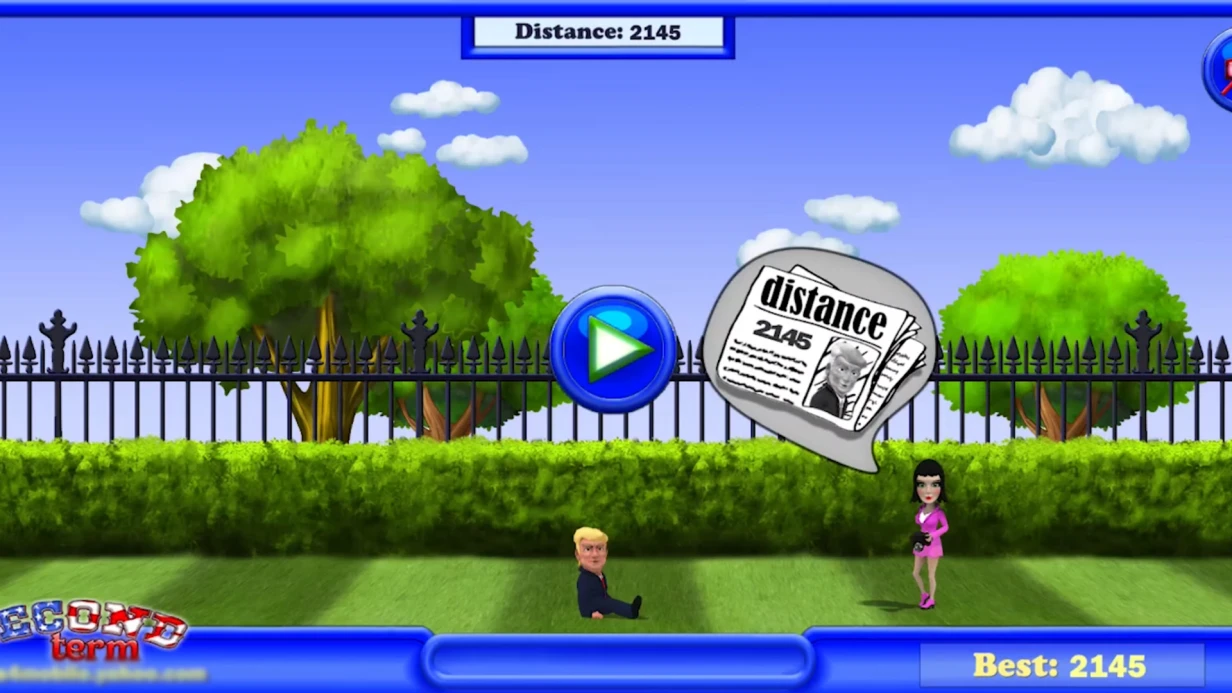
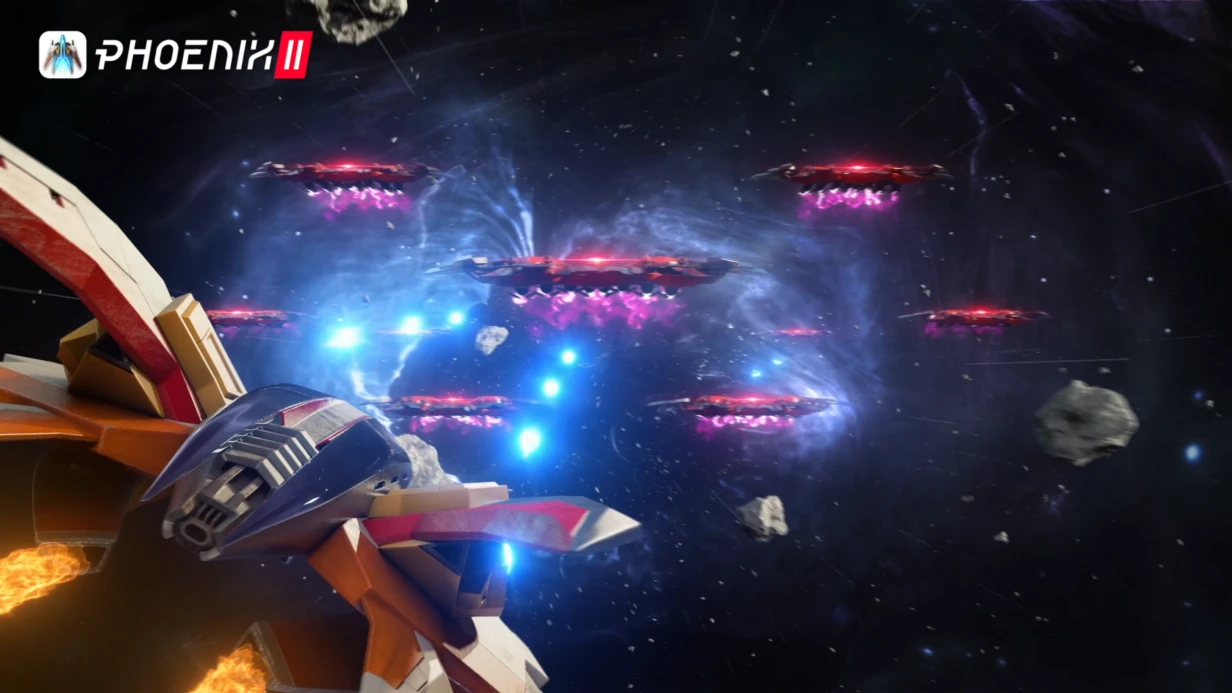
Hypercasual games are especially well suited to this environment: simple rules, short sessions, and instant results. A player launches a game between scrolling the news and chatting with friends, and after a win sees an invitation to share the result.
This turns every round into a mini-advertisement and players into a free distribution channel, directly increasing reach without increasing the advertising budget.
The company our team has been developing projects like this for more than ten years. We know how to turn a simple idea into a game that players want to replay, and how to build viral mechanics that bring in new players automatically.
When you work with us, you don’t get a one-time spike of installs but a steady stream of active audience within Facebook — without complex technical integrations and with a predictable acquisition cost.
What Benefits You Get from Development
Reach growth, engagement, leads, and brand awareness — a hypercasual game on Facebook Instant Games delivers all of this.
Unlike an ordinary post, a game engages users in active interaction with a brand, and the result can be measured in business metrics: number of new contacts, repeat launches, and mentions.
Growing Reach Without an Advertising Budget
Built-in sharing mechanics turn every player into a distribution channel. A person completes a level, gets a result, and sends a challenge to friends — the game finds new users on its own. You get organic reach that you don’t have to pay for.
Engagement and Time Spent with the Brand
The hypercasual genre is built for short sessions of 2–3 minutes. In that time, players get absorbed in the mechanics and remember whose brand they are interacting with.
Such contact works on a deeper level than viewing an ad creative, and the emotional connection with the brand lasts a long time.
Leads and a Contact Database
A game scenario can include contact collection, surveys, or promo codes awarded for an action. Users complete tasks voluntarily — motivation is higher than in cold advertising. You get a warm database of interested people and insight into what appeals to them.
Brand Awareness and Loyalty
A game is a positive experience associated with your brand. Players return for new levels, follow updates, and share their impressions. This builds a loyal community around the product, which increases repeat sales and encourages recommendations to friends.
We develop the game around your business goals and integrate analytics for key metrics. With professional equipment and proven tools, this ensures stable performance and accurate data.
You can see how the game affects reach, leads, and awareness, and rely on those numbers when planning your marketing.
Game Formats for Facebook Instant Games: How to Choose
The choice of game format determines who plays it, how much time they spend inside, and whether they come back the next day. This is especially important for Facebook Instant Games: users arrive from the news feed and decide in seconds whether to open the game. The right format turns a casual click into regular gaming sessions and reach into brand awareness.
We choose a format to match your goal: holding attention, collecting contacts, promoting a product, or entertaining an audience in a community. Below are typical scenarios our clients come to us with.
| Game Format | Who It’s For | What It Delivers to the Client |
|---|---|---|
| Casual puzzles | Broad audience, all ages | Low entry barrier, frequent short sessions, high organic reach |
| Arcade games with high scores | Young and active users | Competitive element, viral challenges between friends, repeat visits |
| Quizzes and trivia | Brands, media, educational projects | Engagement through interesting facts, collection of audience preferences |
| Simulators and time management | Audiences that enjoy story and progress | Long retention, the habit of coming back to reach new levels |
| Simple association games | Communities and promo campaigns | Quick explanation of mechanics, easy start for new players |
The key point is not to “make a game” but to make a game that solves your business problem.
That’s why we start with a brief: we discuss who your audience is, how often you want to see them in the game, and which action matters most to you — subscription, purchase, registration, or simply brand awareness.
Based on that, we offer 2–3 formats with different mechanics and show how each one affects player behavior. You’re not choosing blindly — together we look at usage scenarios, typical player journeys, and launch timelines.
In the end, you get a game that speaks to users in a language they understand from the very first screen and immediately works toward your result.
How We Work on Your Game
When you order a game for Facebook Instant Games, it’s important not only to get the result but also to control the process. We’ve structured our workflow so you understand what happens at every stage, from a short brief to launch and support. All key decisions are agreed with you in advance — this saves time and budget.
-
Brief and goals. We start with a 15-minute discussion: define the audience, the game’s objective, and the metrics it should influence — awareness, community engagement, repeat visits. We record everything in a technical specification to avoid disputes at the start.
-
Concept and prototype. We build a working gameplay prototype in a couple of days. You see the mechanics in action and evaluate them before investing in graphics — this eliminates late-stage rework.
-
Design approval. Once the prototype is approved, we draw all characters, interface, and levels. You receive mockups and give feedback, and we make revisions before the game is fully assembled.
-
Development and adaptation. We build the game on a professional engine and adapt it to Facebook Instant Games requirements. As a result, the game launches directly from the social network feed — instantly, without installation or downloads.
-
Testing and launch. We test the game on different devices, fix any issues, and publish it. We set up monetization and ad placements so the game brings value to the business.
-
Analytics and support. After release, we monitor player behavior: which level they get stuck on, how much time they spend in the game. Based on the data, we make adjustments and add new levels to grow retention.
What’s Included in the Game Delivery
Developing a hypercasual game for Facebook Instant Games is more than just code and art. You receive a complete package that makes you the owner of the product, from source files to player behavior data. Below is what’s included in the delivery.
- Game source code. Structured, with comments for developers. This removes dependence on a specific contractor: you can hand the project to any team or develop it in-house.
- Technical documentation. Description of mechanics, settings, and architecture. It helps quickly bring a new specialist up to speed and saves weeks of figuring out someone else’s code.
- Publishing guide. Step-by-step instructions for Facebook Instant Games: how to upload the game, configure the tab, and pass moderation. You can release updates yourself, on your own schedule.
- Configured analytics. Collecting data on player actions: how many people reached the end, where they drop off, and which mechanics drive more retention. This is the foundation for improvements and monetization right after launch.
- Additional assets. Source files for graphics, sounds, and fonts in working form. If you need to change the design or add a level, you won’t have to recreate resources from scratch.
With this package, you get not just a game but a working business tool: full transparency, independence from the contractor, and the ability to grow the product without depending on developers. This is what a turnkey delivery looks like — after it, everything that matters is in your hands.
Case Study: How We Increased Player Retention
One of our clients — a hypercasual game studio working on Facebook Instant Games — faced the problem of players leaving after day one. This ate up the traffic acquisition budget: people came and immediately left.
Retention was 20% below the platform average, and each new user was getting more expensive. We took on the Fruit Pop project and solved the problem at its core — we changed not the advertising but the game itself.
How We Did It
First, we analyzed the funnel and saw that people were quitting at the second level because they didn’t feel a quick reward. We reworked the first minutes of the game: made the interface clearer, shortened the path to the first achievement, and added comeback bonuses.
We also enabled Facebook social mechanics: friends can see round results and issue a challenge — this created free influx without setting up ads.
The Result
After a month, day-1 retention grew by 30%, and day-7 retention by 25%. The average session became 12 seconds longer — from 48 to 60 seconds — and that’s even considering that Facebook games need to be short.
For the business, the main outcome was stable metrics and predictable ad revenue. After this result, the client ordered a second game from us, and we’re now supporting its development.
If you see players leaving and advertising not paying off, don’t rush to increase the budget. Let’s start by working on retention — we’ll analyze your game and suggest targeted changes. Contact us, and we’ll show you the calculations and details.
What If You Need a Non-Standard Format?
A non-standard format isn’t “difficult” — it’s “interesting.” We regularly encounter tasks that don’t fit typical templates: games with strict technical requirements from the platform, scenarios with unusual monetization logic, or projects where game mechanics serve a marketing goal.
This approach requires not just a developer but a partner willing to dive into your context. We start not with code but with the question: “What exactly should this product do for your business?
What problem should it solve?” The answer shapes the game genre, the engagement model, and even the depth of character development. The goal isn’t to create “just another game” but to find a format that works specifically in your situation.
That’s why for Facebook Instant Games we develop custom scenarios: from short viral mechanics designed for 30-second sessions to multi-level products that keep players engaged for weeks. It all depends on your audience and the outcome you build into the project.
Specific client requirements are a familiar area of responsibility for us. If you need integration with an internal CRM, a custom reward system, integration with a promotional campaign, or session time limits, we adapt the mechanics to those conditions.
We work on a professional tech stack that lets us flexibly change the scenario without losing performance or stability.
This approach pays off with a predictable result: a game that solves a specific business problem lasts longer and delivers more value than a standard solution. If your project doesn’t fit a template, this is exactly the situation where we can be most useful.
Frequently Asked Questions About Game Development
Before ordering a game for Facebook Instant Games, business owners and marketers have the same questions: how quickly can we launch, will moderators reject it, and what happens after release. We answer the main concerns so you understand the process and risks.
How long does it take to develop a hypercasual game?
Timelines depend on the format and complexity. A simple game with one mechanic takes 2–3 weeks; a project with competitive modes and progression takes 1–2 months. We provide an accurate estimate after the brief and include it in the contract. You always know the launch date and control every stage.
Will the game pass Facebook Instant Games moderation?
We have launched projects on this network dozens of times. We check the game in advance against the platform’s requirements: technical stability, correct operation of the player area, and absence of prohibited content.
If the moderator requests changes, we make them within the agreed support scope and accompany the game through to publication.
What guarantees are there that the game will work and deliver results?
We lock down the requirements for the game and its mechanics in a technical specification before work begins. After the first screen, you receive a prototype and can make changes before large budgets are committed.
We guarantee stable operation on professional equipment and server architecture. Payment is stage-based: you pay for approved milestones, not for “promises.”
What happens after launch? Do you support the game?
Games need updates: new levels, events, and difficulty balancing. We stay in touch and take care of support — from fixing bugs to monthly content updates. This keeps players engaged and increases the share of repeat launches.
Order Game Development for Facebook Instant Games
Do you want to launch a game quickly and reach the Facebook audience without requiring app installs? Instant Games is a format that runs right in the feed and messenger: users play in one click, without going to app stores and without the “download first” barrier.
We take on the entire chain, from idea to publication. Over the years, we’ve created games that bring reach to developers and awareness to brands, and we know how to adapt mechanics to platform requirements and audience interests.
Leave a request, and within one business day we’ll send you a cost estimate and action plan. From then on, every step is transparent and clear: you always know what stage the project is at.
What you get when you start a project with us:
- A consultation: we analyze your task and recommend which game format will work best for your audience.
- Timeline and budget estimates before the start — no hidden surcharges or “surprise” stages.
- Development of concepts and mechanics that retain players and drive repeat launches.
- Turnkey game development: high-quality code, adaptation to different devices and browsers.
- Help with Facebook integration: setup, testing, and passing moderation.
- Monetization and analytics tools so you can see the real return on the project.
- Post-launch support: updates, fixes, and game growth based on data.
To discuss your project, just write to us or leave your contacts in the form. We’ll call you back at a convenient time, answer your questions, and help you make a decision. The sooner we start, the sooner your game reaches millions of Facebook users.