



Why Your Discord Server Is Losing Members
Every Discord server owner sooner or later notices the same thing: the first weeks are buzzing, then activity starts to decline. Members stop joining voice channels, discussions quiet down, and new invites no longer have the same effect.
Eventually the server becomes a "dead" page with hundreds of profiles that never come back.
The reason is simple: people need a reason to return, and ordinary text conversations rarely provide one. There are many competitors, attention is scattered — without regular interactive content, the audience simply switches to other platforms.
Retaining members becomes the main challenge, and it is solved not by boring polls but by engaging through action.
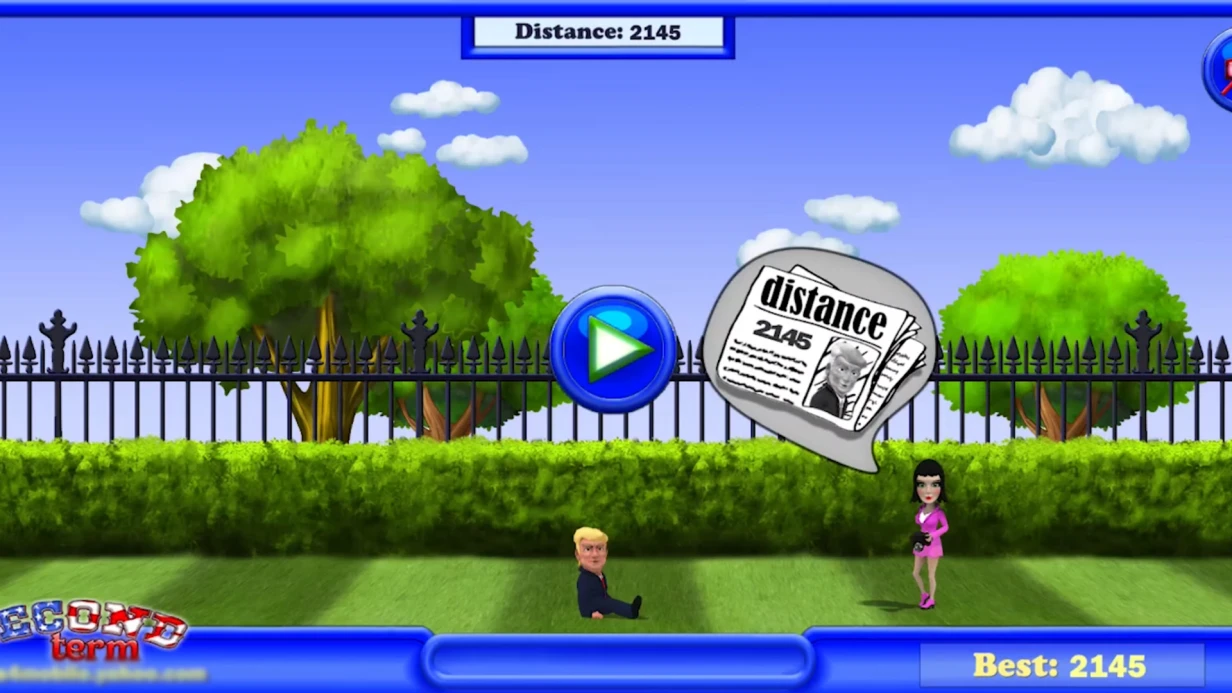
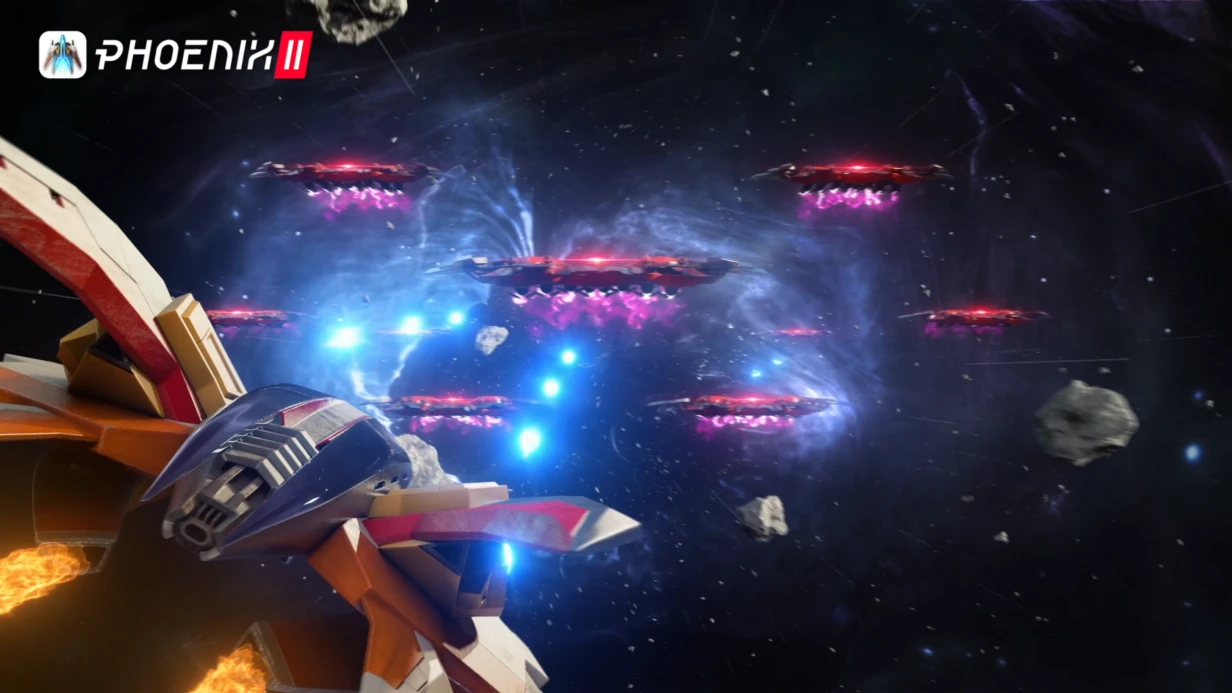
Hypercasual games are short, easy-to-understand entertainment that runs directly in Discord and takes one to two minutes. A guest doesn't need to install anything or learn rules — they just play, compete with other members, and get an emotional payoff here and now.
These mechanics generate an instant spike of activity: people come back to beat a record, catch up with a friend, or simply take a break.
Regular gaming sessions build a habit of visiting the server every day. This works for retention: the more often a member has a positive experience, the higher their loyalty to the community.
And when a leaderboard and joint tournaments are added, natural competition kicks in — it keeps activity going without constant reminders from administrators.
We help integrate hypercasual games into your Discord so they feel organic to your audience and solve the retention problem specifically. We select mechanics to match your community, set up the launch, and make the server feel alive again.
What You Get from Hypercasual Games
Hypercasual games in Discord are not just a way to entertain members; they are a working tool that solves business tasks. A short round takes less than a minute, and one click is enough to play.
That is why such games engage even people who never considered themselves gamers: the entry barrier is minimal, and the fun is instant.
For a client, this means a sharp increase in community activity: members don't just sit in a channel, they interact with the brand and each other.
The first benefit is increased activity. Game mechanics create a natural reason to return: members check Discord to beat a record, compete with friends, or unlock a new reward. This boosts daily engagement metrics and revives even channels that were previously passive.
The second is reach. Hypercasual games have a viral effect: the result is easy to share, and inviting a friend is built into Discord mechanics. Each member brings new people, and the audience grows without additional advertising costs.
The third is leads. The game easily fits into a funnel: after a round, players can be offered a newsletter subscription, a website visit, or exchanging game points for a discount. This turns entertainment into a source of contacts and desired actions, not just background fun.
The fourth is brand awareness. A short game communicates brand values through emotions — joy, excitement, lightness. In a few minutes, a participant experiences something more memorable than any presentation and later associates it with your company.
Discord Game Formats for Business
In a Discord community, people come for communication and light entertainment, so games work differently here than on social media or websites. The key is to give members a reason to stay, interact, and come back.
A well-chosen hypercasual game format solves this: it requires no installation, learning, or long rules, and the result is visible immediately — in increased activity, reach, and loyalty.
| Format | Who it's for | What it gives the client |
|---|---|---|
| Quizzes | For brands that want to engage the audience in dialogue and collect feedback | Increased chat activity, dozens or hundreds of answers per game, natural brand discussions among members |
| Quests | For product launches, online events, and educational programs | Gradual product introduction, attention retention for 10–15 minutes, gentle delivery of key messages |
| Hypercasual arcades | For attracting new audiences and warming up a community | Easy entry with no rules, instant reach, replays — members return to beat their record |
If your goal is quick reach and virality, choose arcades: they are understandable from the first second and encourage sharing results.
Quizzes are better for collecting opinions and starting discussions, while quests work when you need to guide a member through a chain of actions and toward a target action, such as registration or purchase.
We don't just make "a game in Discord" — we match the format to your business goal, define the mechanics, and embed it into your scenario. As a result, you get a tool measured not by the number of levels, but by conversion, repeat visits, and member engagement.
How Work on the Project Goes
Work on a hypercasual Discord game is a structured system of six stages. At each step, you make decisions and see how the project moves toward launch. Clear timelines and a predictable result without unnecessary worry.
- Brief. We start by talking about your task: who the participants are, what activity you need, which mechanics suit them. We record goals and constraints — this becomes a document we refer back to at every stage, missing nothing.
- Concept. We develop one or two game ideas for your community: mechanics, style, session length. You choose the option that best solves your problem, or we combine the best of the proposals together.
- Approval. We approve the concept and work out the scenario, interface, and timeline in detail. You receive a clear description of the future game. All changes are made at this stage — without delays or additional costs.
- Implementation. We start development: we create the interface, logic, and connect Discord integration. Every few days we show intermediate versions, so you can evaluate progress and adjust tasks in time.
- Launch. We install the game on your Discord server, set up launch through buttons or commands, and run a test with real participants. You get a link to invite players and a short instruction for moderators.
- Support. We don't disappear after release: we monitor stability, fix bugs, and answer participants' questions. If you want to add levels or new mechanics — just write to us, and we will expand the game.
What Is Included in the Delivery of a Discord Game
When ordering a Discord game, it's important to understand what you get in the end. We deliver not just a file, but a complete package — with documentation, source code, training, and a guarantee. Everything is transparent, with no hidden conditions.
Here is what is included in the delivery:
- Complete package — game, documentation, source code, and publication materials in one bundle. Nothing extra to buy.
- Documentation for your team — step-by-step instructions for launching, configuring, and updating the game. Written in plain language, with screenshots.
- Source code — you get the project files and the rights to them. You can develop the game yourself or hand it to any contractor.
- Employee training — a short session for your team: how to manage the game, change content, and run events.
- Guarantee — we set clear bug-fix timelines and provide support after launch.
- Discord configuration — ready-made setup of channels, roles, and notifications. Players enter from Discord without extra steps.
This package gives you independence: you don't depend on us for day-to-day operation. Everything is transferred after final payment along with the completed work certificate — you are protected at every stage.
Case Study: Activity Growth of 40% in a Month
For a Discord community of a gaming studio, we created a hypercasual game designed to bring the chat to life. Members visited once a week, discussed news, and left — there wasn't enough activity. The task was simple: turn passive readers into players who return every day.
How It Happened
We gathered a brief with the administrators, studied when the audience was most active, and proposed mechanics that launch right in the chat. After two weeks of a test version, we added a leaderboard and rewards for daily visits. This gave people a reason to drop by the community not on a schedule, but out of a desire to play.
What Changed for the Community
After a month, activity grew by 40%. The number of gaming sessions tripled, and average time spent in the channel increased by a quarter. Most importantly, administrators noticed that repeat visits became regular: six out of ten participants return to the game within a week.
Along with the game, we provided a clear metrics panel: you can see who plays, when, and for how long. Based on this data, the team plans future activities and understands which mechanics work best.
The client was pleased with the result and ordered a second game for the new season — this time with expanded competitive modes.
How to Choose the Right Format for Your Task?
Before choosing a game format, you should rely not on trendy mechanics, but on the business task. If the goal is to gather an audience in the community and increase member activity, a short team game of 5–7 minutes works well.
If you need to introduce users to a product or teach something, it's better to build a scenario with levels and rewards for progress.
The second important step is to assess how easy the game must be to enter. Guests and subscribers won't read instructions: the clearer the first screen, the higher the chance someone jumps in immediately.
This is especially important for Discord — people join a channel to communicate, not to figure out a complex interface.
Also decide what result you want to measure. Reach and virality come from light games with records and friend challenges. Retention and return visits come from games with daily rewards or tournament tables.
Each goal dictates its own set of rules, session length, and reward mechanics. The same idea can work as a one-minute quiz, a week-long marathon, or a team competition — the important thing is that the format matches your task and audience behavior.
We help define these parameters at the start: we conduct a short brief, look at your audience and goals, and offer 2–3 formats with an engagement forecast.
This way you get not "a game for the sake of a game", but a tool that works toward a specific metric — whether it's member growth, time in channel, or repeat launches.
Answering Common Client Concerns
When ordering game development for Discord, clients most often worry about three things: project complexity, timelines, and budget unpredictability. We've collected the most common doubts and answer them honestly and to the point.
Can you handle the task if we know nothing about game development?
Yes. We've been making hypercasual games for over ten years and know which mechanics to choose to make a game engaging. From your side, all we need is a clear task — we handle the rest: from idea to publication in Discord.
How long does it take to develop such a game?
On average, creating a hypercasual game takes three to six weeks, depending on the number of mechanics and content. Before starting, we create a schedule and agree on it with you, so you know exactly when you'll receive a test version and the final release.
What if I don't like the game, or users don't like it?
We don't deliver the project "blind". At every stage you see intermediate versions: first a prototype, then an alpha build and a beta. You try the game, give feedback, and we make changes before release. After launch, we quickly fix bugs that users may find.
How is the budget formed, and will there be hidden payments?
The cost is fixed in the contract before work begins. It includes all mandatory stages: mechanics development, design, Discord integration, and testing. If you want to add new features, that is agreed on separately, and you know the cost of changes in advance. No surprises along the way.
What guarantees do you provide after launch?
We are responsible for the stable operation of the game on the Discord platform. After release, you get support: during the warranty period we fix bugs and help with updates — this protects you from situations where the game suddenly stops working.
Didn't find the answer to your question? Write to us — we'll tell you how we work, show project examples, and prepare a plan for your task. We'll discuss the details with no obligation on your side.Launch Your Discord Game in Just 2 Weeks
We know how fast the market changes and how much every idle day costs. That's why we designed the process so that no more than two weeks pass from request to the first launch of a Discord game — without losing quality and with a clear result at every stage.
What You Get After Contacting Us
- A clear work plan — you immediately understand what will be done, in what time frame, and what you'll receive as a result.
- A game adapted to the Discord audience — mechanics, interface, and session speed are tailored for live communication and short gaming breaks.
- Monetization and analytics setup — you see how many users play, return, and generate revenue, rather than just "download and forget".
- Post-launch support — we stay in touch, help with updates, and fix bugs quickly.
- A well-thought-out distribution scheme — your game will appear where active Discord users can see it: through bots, servers, and communities.
- Ready for scaling — we build a game that is easy to extend: add levels, events, and new mechanics when the demand arises.
How We Fit Into 2 Weeks
All work follows a short cycle: you send a request, we conduct a consultation and discuss the project, then we lock in requirements and start development.
By the fourth or fifth day you see the first playable prototype, and by the end of the second week you receive a finished version.
We don't say "we'll figure something out" — we have a proven process, so deadlines aren't missed. If you're unsure whether your idea fits Discord, we'll advise on how to strengthen and package it during the consultation. Leave a request now — and in two weeks your audience will be playing.