



Traffic Goes to Competitors: How a Game in Huawei AppGallery Changes the Situation
Social media feed ads are losing their power: users block them or scroll past them in a split second. Traditional audience acquisition channels are getting more expensive, and reach is falling even when budgets grow.
That is why businesses are looking for formats people turn to on their own — and mobile games are becoming such a format.
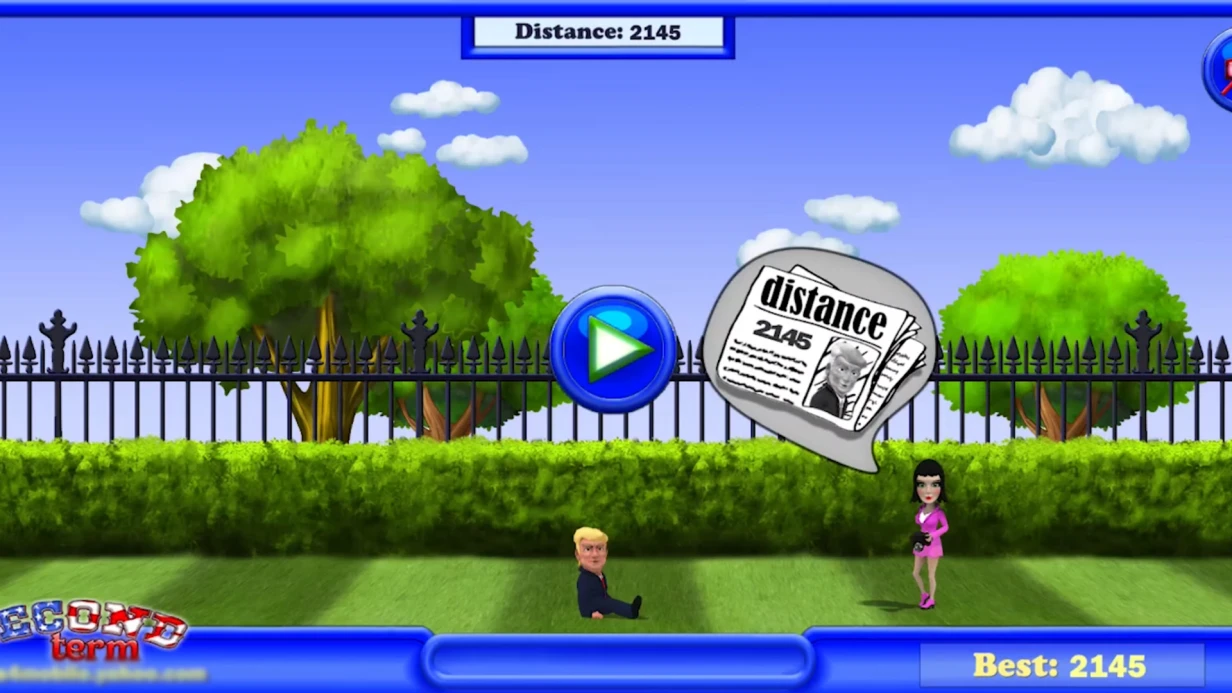
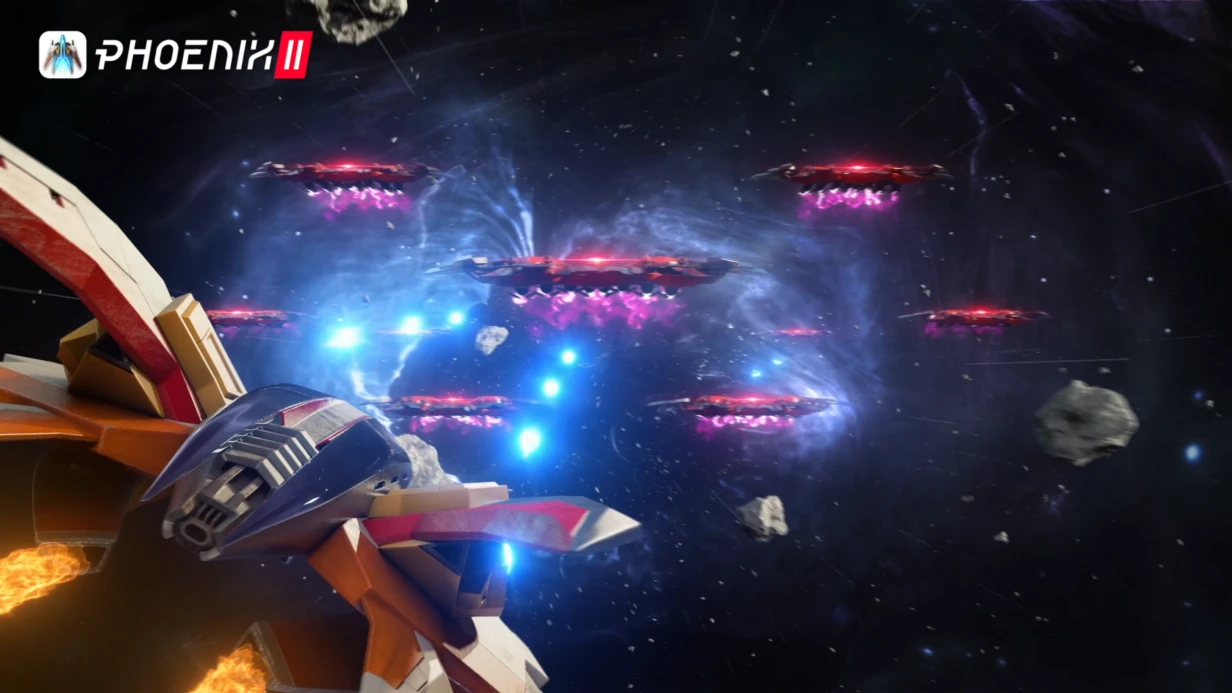
Hypercasual games — short, simple, and engaging sessions that launch with a single tap. The player gets into the mechanics instantly, and the brand becomes part of the story or environment.
For a company, this is a chance to hold a customer’s attention for several minutes instead of a couple of seconds of ad exposure.
A valuable channel for this is Huawei AppGallery: it concentrates a large audience of active Android users. By placing a game in AppGallery, you attract people who are already downloading mobile apps and are open to a new brand contact.
Game development becomes an alternative to expensive contextual advertising — instead of a brief touch, you get deep engagement.
A game in Huawei AppGallery acts as a full-fledged marketing tool. Users share results and compete, so reach grows organically, and the brand is remembered through positive emotions.
Such a game is not closed after a second — players return, turning a one-time interaction into long-term communication.
We help businesses use this channel: we design hypercasual games around brand goals, develop them for Huawei AppGallery, and support the launch.
As a result, you get not just a game, but an entry point into your customer acquisition funnel, working for reach and recognition.
What Results a Hypercasual Game in Huawei AppGallery Delivers
A hypercasual game in Huawei AppGallery is not entertainment but a working customer acquisition channel. Such games launch quickly, are clear from the first second, and require no learning curve: the user opens, plays, gets an emotion, and comes back.
For business, this means a predictable flow of new contacts without setting up complex advertising campaigns.
The first thing that grows is the number of downloads. The app store itself promotes popular games: the higher the engagement, the more often the game appears in recommendations and curated collections. This gives organic install growth that does not depend on the ad budget. The brand owner gains an expanded audience and, with it, new touchpoints with potential customers.
The second result is player retention. Hypercasual games are built so that a person completes a level in two or three minutes and then returns for a new result. Daily sessions form a habit, and with it, a long-term brand contact.
Even if the player does not make a purchase right away, they regularly see your product and remember it.
The third effect is recognition. It is easy to embed a logo, brand colors, and identity elements into a game, and players willingly share their results and screenshots with friends. Each such action works as a free recommendation and expands reach beyond the platform itself.
The more people are familiar with the brand, the higher the trust at subsequent touchpoints — whether it is the website, app, or offline event.
Monetization, meanwhile, does not interfere with marketing. In-game ad integrations allow the development to pay for itself and generate additional income, while a properly tuned project economy makes the game self-sufficient. For the client, this is a pleasant bonus on top of the core marketing goals.
Ultimately, a hypercasual game in Huawei AppGallery solves several business tasks at once: it increases the user base, maintains brand interest, builds a return habit, and creates an additional revenue stream.
All of this can be measured with clear metrics — downloads, activity, repeat visits, and average revenue per user. We support the project from idea to publication and help set the right targets from the very start of development.
Hypercasual Project Formats for Different Client Goals
Each task in the hypercasual segment is unique: someone needs to test an idea in a couple of weeks, someone else needs to release a finished product and push it to the top of Huawei AppGallery.
We have split our cooperation into three formats so that you pay only for the scope of work that solves your task at the current stage — without overpaying for unnecessary features.
You can start with any format, and if needed, easily move to the next: a prototype becomes a full version, and store adaptation adds downloads to an existing project. Choose according to your scale and planning horizon.
Format table
| Format | For whom | What it gives the client |
|---|---|---|
| Game prototype | Small business owners, startups that want to test a hypothesis before large investments | Quick concept test on the target audience, clear demonstration for investors and partners, minimal risks |
| Full version of the game | Mid-size businesses, publishers, companies with a ready marketing strategy | A launched product with configured monetization, analytics systems, and publication in Huawei AppGallery |
| Store adaptation | Companies with a ready game that has been released on other platforms | Growth in organic installs through technical and marketing tuning to platform requirements, working with ratings and reviews |
A prototype lets you quickly obtain the first real data on player behavior — convenient when the budget is limited and you need to confirm demand. The full version is suitable if you already know your audience and want to occupy a niche in the AppGallery catalog. Store adaptation is the fastest way to increase reach without creating a new product.
We will help you choose the optimal format and plan the work so that every stage delivers a measurable result. The key is not to overpay at the start and not to miss the moment when you need to scale.
How Game Development for an App Store Works
Competition in the app store is fought over user attention. To get a game into Huawei AppGallery and make it generate downloads, you need a well-structured process — from brief to release and support.
We guide you through each stage of game development, so you always understand what is happening and why.
- Brief and analytics. We dive into your goals, target audience, and study hypercasual game trends in Huawei AppGallery. The output is an idea already checked for demand.
- Concept approval. You receive a description of gameplay, mechanics, and monetization methods. You make adjustments until you see the game you expect.
- Prototype. We build a playable prototype and test it on real users. We check whether the game engages from the first session, so we don’t invest in a “knowingly weak” version.
- Implementation. The team assembles the full game: design, controls, sound, technical part. You see project versions and provide feedback.
- Game launch. We prepare the app page: icon, screenshots, description. We publish the game to the catalog and pass store moderation.
- Support and analytics. After launch, we watch the metrics: retention, share of repeat launches, monetization. We update the game so it steadily grows in search results.
This process removes chaos: you always know what stage the project is at and what comes next. The result is a game that brings downloads.
What’s Included in the Delivery of a Finished Game Product
You receive not just a game, but a completely packaged product you can work with without depending on the contractor.
No “source code in six months for an extra fee” — the entire team’s expertise and the rights to the game are transferred to you at the moment the acceptance certificate is signed.
Here is what is included in the delivery:
-
Source code and rights to the game. You are the sole rights holder. Project sources, all assets, and art are handed over to you, so you can develop the game with any team or sell it outright.
-
A ready build for Huawei AppGallery. The final version packaged according to platform requirements: all necessary metadata, icons, screenshots, and description. The game is already tested and ready to upload to the store.
-
Instructions for setting up ad campaigns. A step-by-step guide for launching traffic and connecting monetization models. You will understand which buttons to press to attract the first players and start earning.
-
Metric reports and analytics. We configure the data collection system and hand over a dashboard. You see player behavior: retention, number of sessions, time in game — and understand what to do next.
-
Quality guarantees and post-release support. We contractually ensure stable product performance and fix bugs discovered in the first weeks after release for free. You are not left alone with problems.
-
Documentation for your team. A clear description of the game’s architecture and logic, so a new developer can quickly understand the code. This saves your money and nerves during project handover or future improvements.
Such a package answers the question “what happens when the game is handed over?”. You gain full control: you manage the product, scale it, and adapt it to your market without depending on the development studio.
Case Study: How a Hypercasual Game Increased Downloads and Player Retention
When a game is already out in Huawei AppGallery, but downloads are stagnant and players leave after day one, the problem is usually not the graphics but the retention scenario.
That is exactly what a client from the hypercasual segment faced: with the same promotion budget, the game was losing positions in the catalog, and paid acquisitions stopped paying off.
We reworked the first game session and added a simple daily reward system. The task was crystal clear: give the player a reason to come back and turn returning into a habit.
A month after the update, downloads grew by 2.3 times, and the share of players returning on the 7th day increased by 40%. The game climbed to the top of its category in Huawei AppGallery — without increasing the ad budget.
What the client got
- Steady download growth: organic traffic increased, not just a one-time spike.
- Player retention: returning sessions generated 65% of total time spent in the game.
- Higher ranking in the Huawei AppGallery catalog — additional free visibility.
- Repeat order: after the success, the client trusted us with support and the release of a second version.
Importantly, the result has held for more than a month already: the mechanics don’t bore players, and the reward system keeps giving them a reason to log in every day.
Changes like these turn a hypercasual game into a source of stable organic traffic rather than a short-lived result for a couple of weeks.
How to Choose the Right Development Format for Your Task?
To choose the right development format, start with three questions: what result does the business need — reach, recognition, or sales; what timeline does the team have; what investment volume is comfortable.
The answers immediately split tasks into typical scenarios: test a hypothesis, run a promo activity, or release a full product around the brand.
It is around these scenarios that we build our proposition for Huawei AppGallery. A hypercasual game is the fastest way to get an audience: users start playing without instructions, and the mechanics themselves work for retention.
That is why our priority is not a set of options but hitting your task. Everything starts with a development brief, where we briefly capture the audience, product image, and distribution points.
After the brief, you can already see which format suits you. For a limited budget and tight timeline — a compact game with proven mechanics and a brand style. If you need to hold users longer — we add levels, rewards, and events. For a large-scale marketing launch — a custom project with unique graphics and story.
We explain how to order a game without technical details: a standard request on the website, then a short discussion by video or messenger. There, you tell us what matters to the business, and we select a solution for your timeline and expectations. As a result, you get a game as a marketing tool, not just files.
Common Client Concerns Before Starting a Project
Before launching any game project, clients have the same questions: will moderation pass, will there be technical issues, will we make the release date, and what to do if something goes wrong. This is normal — the answers affect budget, reputation, and time to market in Huawei AppGallery.
We have been working with hypercasual games for years and have set up the process to remove these risks at the planning stage. Below are answers to the most frequent fears voiced before the start.
Is it hard to pass Huawei AppGallery moderation?
Yes, the platform has strict requirements, but we know them from the inside. Before submission, we gather a checklist, check the game against every point, and prepare the necessary materials in advance.
As a result, almost all projects pass moderation on the first try, and if the platform requests changes, we make them within a couple of days.
What if the game has errors or crashes?
Every game goes through a testing cycle before release: we test it on different devices, look for weak points, and fix them before publication. After launch, we continue monitoring reviews and metrics — if something shows up, we quickly release updates.
Will we make it in time for the launch date?
We set timelines at the brief stage and lock them into the contract. Hypercasual games are our core specialty, so we assess tasks realistically and don’t take on the impossible. We provide transparent reporting so you can see progress every week.
What if we don’t like the result?
We don’t abandon the project after release. At the first stage, we show a prototype, and after launch we collect data and refine the game based on user behavior. This is not a one-off job, but a partnership for results.
What risks are possible in general, and who covers them?
Risks exist in any project: changes in store rules, competitors, unpredictable audience reactions. We take on the technical side and adaptation to Huawei AppGallery requirements, and also offer promotion solutions to reduce dependence on external factors.
Ready to Discuss Your Project? Submit a Development Request
Submit a development request, and we will get back to you within one business day. We will discuss your hypercasual game idea for Huawei AppGallery, clarify goals and audience. After that, you will receive a timeline and cost estimate so you can make an informed decision.
Your result matters to us: a game that brings installs and revenue. Therefore, before starting, we immerse ourselves in your project’s context and propose the optimal way to work.
You don’t spend time on technical details — we handle everything: from concept to publication in AppGallery.
What you get after submitting a request:
- Cost estimate for development based on your idea — no hidden fees or extra options.
- Timeline assessment: from the first brief to a final version ready for publication.
- Personal consultation: we will advise which mechanics and monetization fit your audience.
- A clear work plan with stages and results — you always know what is happening.
- Answers to all questions: about game rights, technical support, updates, and promotion.
How we launch a project:
- You submit a request — we get in touch at a convenient time.
- We conduct an idea review and prepare a preliminary estimate.
- We agree on scope, timeline, and budget — and lock them into the contract.
- We develop the game: prototype, design, build for AppGallery.
- We test and publish — you receive the finished product and a results report.
Starting a project is simple — write to us, ask a question, or submit a request for a cost estimate. We will respond quickly and without obligation.