



Why a Website Without a Web Game Loses Visitors and Sales
A visitor arrives at the site with a specific request, but after 2–3 seconds leaves without finding anything captivating.
Texts, images, and videos long ago stopped holding attention — the person scrolls past the page and goes to a competitor whose site doesn't just inform but engages.
This is exactly where sales are lost: the less time a user spends on the site, the lower the chance of a lead or a repeat visit.
The game format solves this problem. Interactivity turns a passive reader into an active participant: the user controls the scenario, makes decisions, and sees the result of their actions.
This kind of interaction evokes emotions and is remembered many times better than any advertising slogan. Time on site grows several-fold — and along with it, trust in the brand and the number of targeted actions.
We develop Web games that embed into your website and work to retain visitors. Not an isolated "entertainment toy" but a marketing tool: audience engagement, contact collection, and a gentle nudge toward purchase.
The game requires no installation and runs in the browser on any device — so you reach your entire audience with no barriers.
Instead of a static landing page — an interactive experience that stays in memory. Visitors return to continue the game, share results on social media, and bring friends.
This way, the site stops being a storefront and becomes an entry point into the sales funnel, where every guest spends more time with your product and naturally moves toward a lead.
5 Reasons to Order Web Game Development for Your Brand
A Web game turns an ordinary marketing channel into a live interaction with the brand. Instead of a static banner or video, the client gets to play, get drawn in, and remember your company through emotions.
This format works on several levels at once: it holds attention, engages the visitor in the story, and gently leads to a targeted action — a lead, registration, or purchase.
The first reason — higher engagement. Game mechanics make people spend several minutes with the brand instead of the usual seconds. In that time, they get to know the product, appreciate its strengths, and absorb the company's story. The longer the contact with the brand, the more likely the visitor becomes a customer.
The second reason — natural virality and recognition. Bright mechanics, achievements, and records prompt guests to share results on social media. Every such mention is free reach that expands the audience without an additional ad budget.
People don't remember banners — they remember their own gaming experience, so the brand becomes associated with positivity and excitement.
The third reason — lead generation and higher conversion. The game can be configured so that during or after it, the visitor leaves contacts: enters a giveaway, gets a promo code, or downloads a catalog.
The "play and get a bonus" mechanic motivates even passive users to complete a targeted action — and you get a database of interested contacts for future mailings.
The fourth reason — easy entry and instant response. No app installation or powerful computer is required — the game opens right in the browser via a link. This is convenient for mailings, QR codes at events, and social media posts.
Guests join the game in seconds, while organizers get live feedback and measurable results: session counts, repeat visits, and completed actions.
The fifth reason — a long-term effect for the brand. The game stays available after the event or campaign, continuing to attract customers and collect data. You can update mechanics, add seasonal offers, and reuse the asset without spending on new channels.
This is a tool that pays for itself not with one event but with a whole series of marketing activities.
Web Game Formats for Your Marketing Goals
A client doesn't play for the sake of playing — they're solving a task: collect leads, raise awareness, or show the product in action. Web games handle this better than static landings, but only when the format matches the goal.
Quiz, arcade, and simulator each work differently, and that's the difference between "scrolled past and forgot" and "sent to friends and came back."
| Web Game Format | Ideal when you need to... | What the client gets |
|---|---|---|
| Quiz | engage the audience effortlessly and collect contacts | high completion rate, lead database, organic reach |
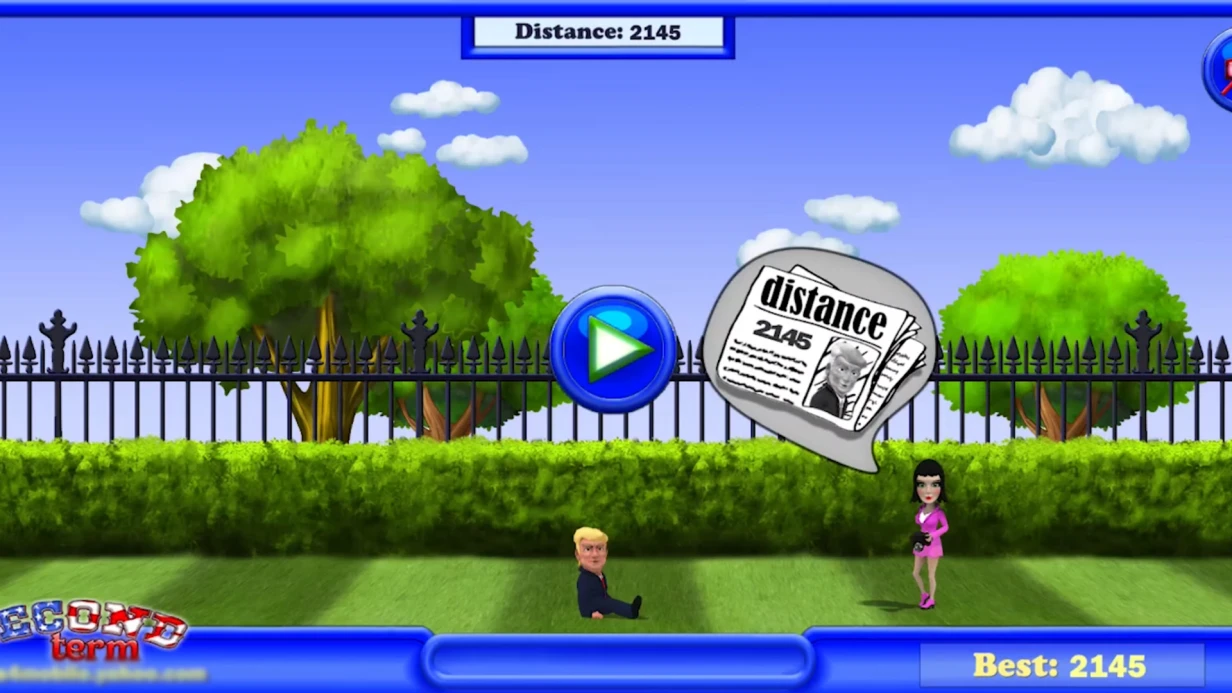
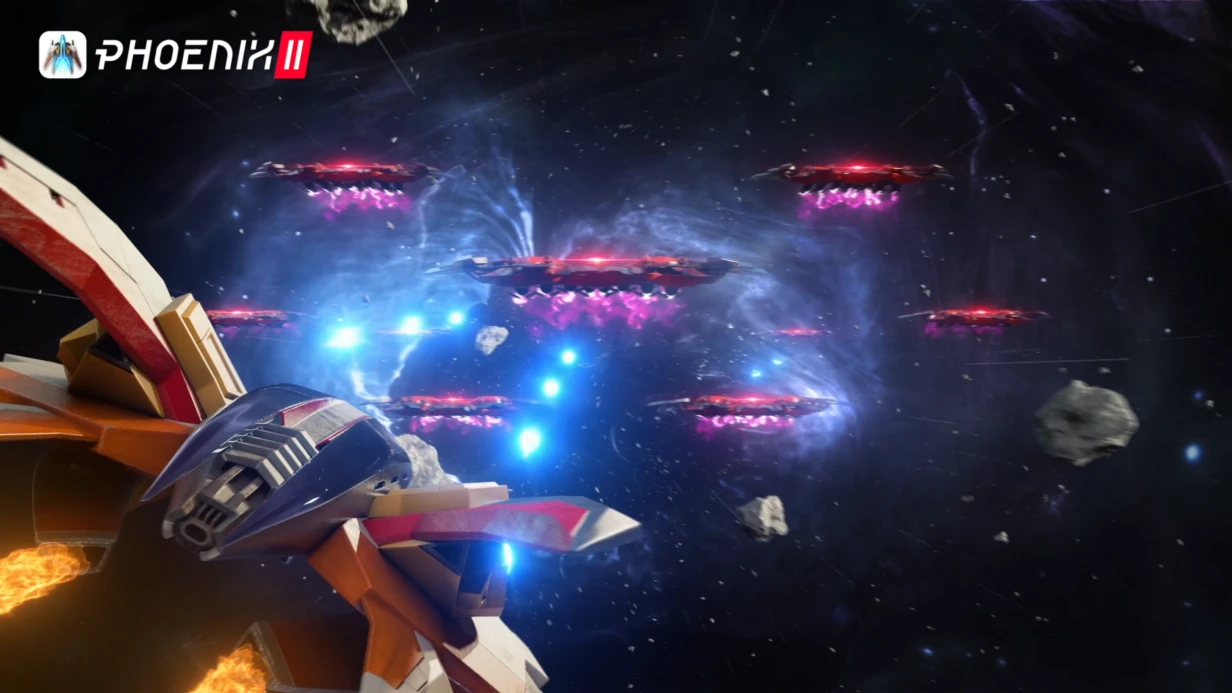
| Arcade | hold attention and make people return to the brand | minutes of interaction instead of a few seconds, repeat plays, competitive thrill |
| Simulator | show the product in action, educate the client | a clear demonstration of value, an understandable explanation of a complex product |
The choice of format determines the outcome: a quiz sparks viral reach, an arcade strengthens the emotional connection, a simulator leads to purchase.
We pick the option for your funnel and audience rather than churning out a "game for the game's sake." At every stage — from mechanics to publication — we see the project through your client's eyes, so the final Web game solves the task instead of merely pleasing the eye.
Web Game Development Stages: From Idea to Launch
Launching a Web game takes more than just writing code — you need to travel from a business task to a finished product that delivers results. We've structured the process so that at every stage, you understand what's happening and can influence the outcome. Below are the key stages your project goes through.
-
Brief and task immersion. We start by talking about your audience, goals, and expectations. We define how the game should support the business: attract customers, increase awareness, or train employees.
-
Concept and narrative. We prepare a clear description of the gameplay, visual style, and mechanics. You see what the game will look like and approve the concept before active development begins — revisions at this stage are inexpensive.
-
Gameplay prototype. We build a working sample with core mechanics. This isn't a "picture show" — it's a chance to "try out" the game: check whether it's actually fun to play and quickly adjust details.
-
Development and interim demos. We build the game in iterations: every 1–2 weeks, we show a working version with new elements. You follow the progress instead of waiting months for the result. Approvals happen through clear checkpoints.
-
Testing and final polish. We test the game across devices and browsers so it runs reliably for your users: guests, customers, employees. We fix bugs and polish the details — from load speed to animations.
-
Launch and integration. We deploy the game on your website, on an event page, or in a personal account. Everything runs in the browser with no install — the user just opens the link. We help with integration and make sure launch goes off without surprises.
-
Support and growth. The game keeps working after launch: we monitor availability, collect feedback and statistics. If needed, we update mechanics and add new levels based on how the game is being used.
This approach gives you transparency and control: you always know where the project stands and what happens next. And we handle everything related to development and launch so you can focus on business.
What's Included in a Turnkey Game Delivery
You get more than just a game — a complete package that works without us. We build the project on Unity, which gives us flexibility: any enhancement or logic change can be made quickly, without rewriting the game from scratch.
The final delivery includes everything you need to feel confident: the product works, is documented, and comes with support.
Specific delivery contents:
- Ready-to-play browser game — optimized for different devices, opens via a link, no additional software required.
- Commented source code — full ownership by your company. You can hand the project to any team or use it as a foundation for new games.
- Technical documentation — a description of the project structure, key settings, and extension points. Even a new specialist can get up to speed quickly.
- Administrator's manual — how to manage content, change parameters, and add levels or scenarios without a programmer.
- Operator's guide — how to launch the game, monitor its operation, and handle standard situations.
- Technical support for the agreed period — we're on hand: answering questions, fixing any bugs, and helping with revisions after launch.
This package eliminates the client's biggest risk — dependence on a single developer. With source code, documentation, and support, you stay in control of the product: you can grow the game, bring in contractors, or switch teams. And we stay close at the outset to make the handover smooth.
Case Study: How a Game Format Doubled Conversion
A chain of entertainment centers had a great service and steady website traffic but few leads. Standard photos and descriptions didn't show what the celebration would be like, so visitors left for competitors.
We proposed not another landing page but a browser-based simulator game: in a couple of minutes, the guest walks through the celebration scenario, chooses zones and quests, and at the end receives a personalized offer with a ready-made program.
The game became an interactive storefront. Instead of abstract prices, the visitor "lives through" the event and feels how the celebration will unfold.
This format holds attention and educates the client at the same time — after the game, they understand exactly what they need, making it easier for the sales team to close the deal.
Results After Two Months
In the first month, conversion from visitors to leads doubled. Average time on page went from 40 seconds to four minutes: guests weren't just watching — they were interacting with the brand.
A third of those who made it to the end shared the game with friends, generating extra reach without paid traffic.
For the client, this meant clear value: with the same ad budget, twice as many actual customers and a higher average order value thanks to the automatic selection of additional services.
The launch paid for itself within six months, and the chain ordered a new version of the game for the next season — with updated scenarios and loyalty program integration.
What If You Need Non-Standard Mechanics or a Special Storyline?
Standard game templates are fine when the task is typical: "collect items," "answer questions," "escape the maze." But often the client needs something different — unique logic, a non-standard twist, a storyline that engages their particular audience and sticks in memory.
In these cases, boxed solutions don't work: they either lack the required mechanics or force you to fit the business task to the game rather than the other way around.
Our answer is custom development for your task. We don't take a ready-made template and "tweak" it — we design the game from scratch: from narrative and logic to visual style.
This means the mechanics, story, characters, and even the scoring system will be exactly what you need — not "whatever came out."
Here's how it works: we start with a brief where you describe the game's goal, target audience, and desired impression. Next, we propose a concept, show how the non-standard mechanic will work, and discuss the story and details. Development starts only after approval. You always see interim results and make changes — no "black box."
This approach doesn't mean long timelines or an unpredictable budget. We've built extensive experience creating simulator games with individual requirements: we know how to avoid rework and can deliver even what seems complicated at first glance.
We work on a professional tech stack, so the game runs reliably in the browser and across devices — this matters when dozens or hundreds of guests take part.
In the end, you get a unique game no one has seen before. It surprises participants, sparks genuine interest, and gives people a reason to take photos and share their impressions.
It's these kinds of non-standard solutions that turn an ordinary event into a memorable one and a brand into a conversation topic. If your task doesn't fit into ready-made patterns — that's not a problem; it's a reason to create something truly yours.
Addressing Concerns: Timelines, Complexity, and Support
Timelines, budget, browser compatibility — these are normal questions that come up before any project starts. We answer them briefly and honestly so you understand how we work and what you'll get in the end. Below, we address the main doubts — if any remain, we'll discuss the details on a call.
How long does game development take?
The timeline depends on scope: how many levels, artwork, scenarios, and interactive elements are needed. Within 2–3 weeks after the brief, we show a working prototype — you can test it and decide what to adjust.
The full cycle from concept to launch takes one to three months, depending on complexity. At each stage, you see the result and control the process.
How much does such a game cost?
We don't quote a price "from the ceiling": the cost is built from specific tasks and labor. Before we start, you receive an itemized estimate so you know what you're paying for.
If a task can be solved more simply and cheaply, we'll do that, honestly offering an option with no unnecessary expenses. What matters is that you get value, not that you overpay for unnecessary complexity.
Will the game work in all browsers?
Yes. The game is built specifically for the web, so it opens in popular browsers on desktops and laptops without installing any plugins. For visitors, it's just a link — click and play. If part of your audience has low-end devices, we adjust the settings so the game doesn't lag. The key is a stable experience for every user.
What happens after launch? Do you support the game?
After launch, the game stays under our control. We monitor load, fix bugs quickly, and make adjustments if any issues come up. This is included in basic support for several months — you're not left alone with the product; you can keep developing and adapting it to new tasks.
Usually, after these answers, just one question remains — how it will work in your specific case. On a call, we'll show examples of similar Web games built on Unity and offer to build a test prototype — the most reliable way to clear up any doubts and evaluate the result before full-scale development.Let's Discuss Your Task — We'll Build a Turnkey Game
You don't need to be a technical specialist to order a simulator game. Just describe your task and expectations — we'll handle the rest: concept, mechanics, design, programming, and launch. You get a turnkey game, fully ready to use.
The first step is discussing the project. On a short call, you tell us about your goal, audience, and preferences, and we assess the task and propose implementation options. You also get a preliminary cost estimate — with no obligations.
Even if you're not sure you need a game, together we'll quickly figure out which solution will pay off.
From there, the work follows a transparent plan:
- You leave a request — through the website or a messenger.
- We get on a call and discuss the task: goals, timeline, budget.
- We prepare a commercial proposal with the final cost and plan.
- We sign a contract, lock in the stages, and get to work.
- We develop the game, you receive interim versions and make revisions.
- We launch the finished product, hand over the manuals, and stay on for support.
During the discussion stage, we clarify everything that affects budget and timeline: audience, storyline, number of mechanics, need for a personal account, or integrations. This prevents surprise costs and ensures the result matches expectations.
After the call, you receive:
- an accurate cost estimate for development tailored to your task;
- a schedule with dates for key milestones;
- recommendations on game mechanics and scenario;
- a proposal on format and promotion approach;
- answers to questions about analytics and support.
Leave a request to discuss your project — we'll get in touch, clarify the details, and prepare the estimate. Ordering development is simple: just write a couple of lines about your task, and we'll handle the rest turnkey.