



Specialist Training Challenges: Why Learning Doesn't Work
Every manager has faced the situation where, after an expensive training session, employees return to work and act the same way as before.
The training is completed, tests are passed, certificates are handed out — yet the actual qualifications of the staff do not change, and workplace mistakes keep repeating. The reason is not laziness, but the way the training itself is designed.
Traditional formats — lectures, presentations, case studies — require passive perception from the employee. Attention drifts within minutes, and the knowledge gained remains abstract theory.
Even practical assignments are often disconnected from real situations: they are solved by template, without engaging critical thinking. On top of that, there is no instant feedback — a person only finds out about a mistake a week later, when the context is already lost.
As a result, training effectiveness is measured by a “checkmark” that the session took place, not by changes in employee behavior. The budget is spent, time is wasted, but the training problems remain: low engagement, poor retention, and no safe way to practice complex scenarios.
This is especially true for professions where the cost of a mistake is high — from customer interactions to process management.
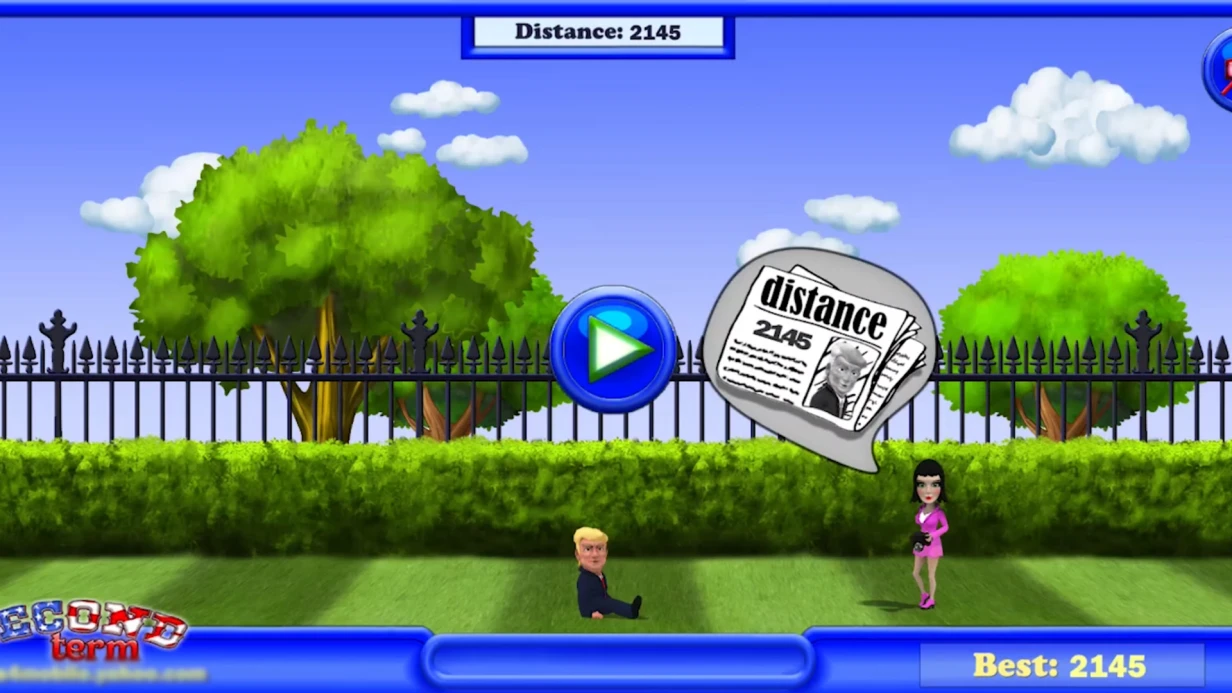
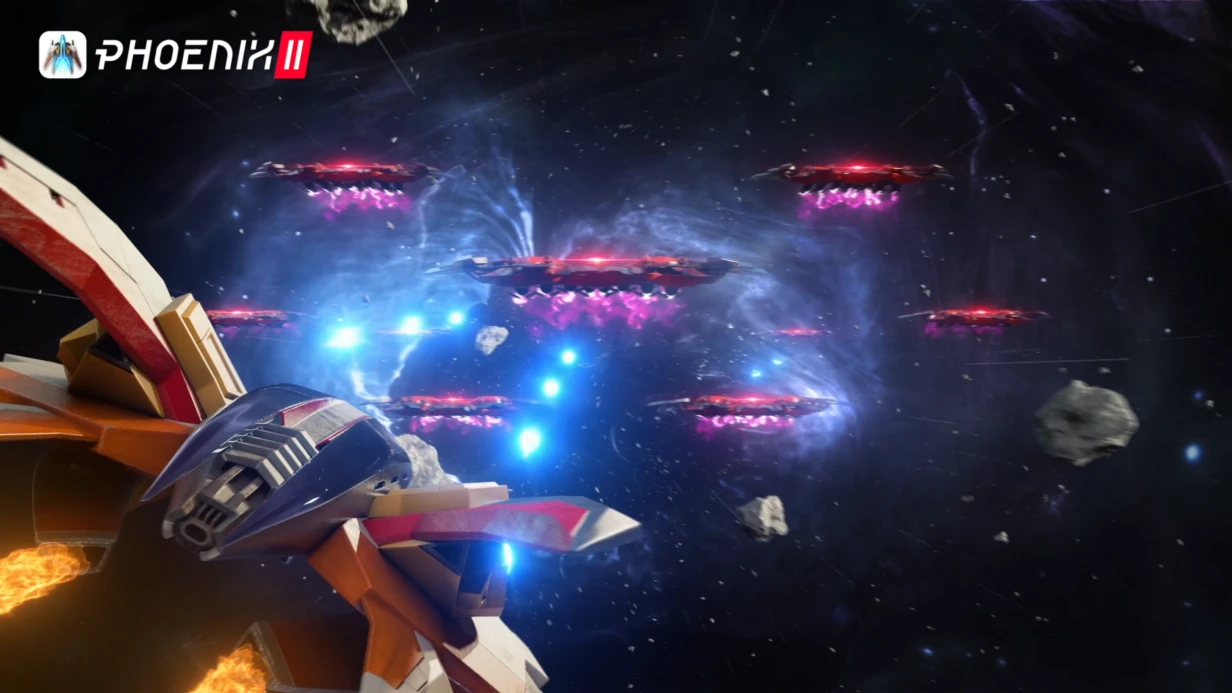
We solve this problem through game prototypes for specialist training. They immerse the employee in a simulated work situation where decisions must be made and consequences are seen immediately.
This is not entertainment, but a tool that turns employee training into guided practice: each participant goes through a scenario, makes mistakes in a safe environment, and remembers the correct action sequence at the skill level.
What a Game Prototype Delivers: Benefits for Business and Team
Employee training often turns into endless lectures and briefings, after which knowledge quickly fades. New hires spend months adapting, while experienced specialists make mistakes because of fatigue or inattention.
A game prototype for specialist training solves this problem: it turns training into a practical simulator where employees act in conditions close to reality.
We create game prototypes that integrate into your training system and give businesses five key advantages.
Checklist of benefits:
- Increased employee engagement. Training becomes exciting: instead of passively watching materials, employees solve tasks and scenarios. They complete training with interest and do not put it off.
- Fast onboarding for new hires. A new person masters key processes in a short time because they first “go through them” in the game. This reduces the load on mentors and accelerates the employee’s path to full productivity.
- Fewer errors at work. Practicing typical situations on a simulator reinforces correct action sequences. In real work, the team makes fewer mistakes, which means less waste and rework.
- Measurable training results. The prototype shows exactly where the employee is struggling. You see the progress of each team member and understand which topics need reinforcement.
- Time savings on preparation. The interactive format shortens onboarding time and allows employees to move faster to real tasks.
A game prototype is not a game for the sake of a game, but a working tool for specialist training. It increases team efficiency, reduces operational losses, and makes training predictable in terms of results.
Game Prototype Formats for Specialist Training
The same educational material can be delivered in different ways — and the result will be different. A game prototype is selected for a specific goal: teaching how to work with equipment, practicing negotiations, or introducing a team to a new process.
The format determines how quickly an employee engages and how deeply they absorb the material. That is why we do not offer a template solution; we design the game around your task.
The main formats we use:
| Format | For Whom | What It Gives the Client |
|---|---|---|
| Training simulator | Employees who need practice before working with real objects | Safe skill practice, fewer errors, and lower training costs |
| Business game | Managers, executives, salespeople | Development of negotiation, decision-making, and teamwork skills in conditions close to reality |
| Employee quest | New employees, cross-functional teams | Fast introduction to processes and people, team building, and transfer of corporate values |
The format is not an end in itself — it is a way to solve the training task. First, we find out which competencies need to be developed and which indicators need improvement; then we select the genre for your scenario.
The prototype will demonstrate the effectiveness of the mechanics in practice, and after the pilot launch you can confidently scale the game across the entire training program.
Work Stages on the Prototype: From Brief to Launch
Every project begins with the question: “What business problem does the game solve?” That is why we built the process so that you see the result at every stage — from the initial brief to the training launch.
No “black box”: you always know what is happening, what is already done, and what decisions have been made.
- Brief and project goals. We gather the task: what skills specialists should achieve, which scenarios they will practice in, and what result you want to measure. The output is an agreed description of goals and expectations that serves as the foundation for all further work.
- Concept and development plan. Based on the brief, we propose scenarios, game mechanics, and prototype structure. We show how the game will fit into your existing training program and set timelines for each stage.
- Development of the first version. We create a working prototype with key scenarios and send it for approval. You receive not a “paper” description, but a real interactive product that can be launched and tested.
- Review and refinement. We make changes based on your feedback and adjust mechanics and content. We work in short iterations so you see updates quickly and don’t wait “blindly” for the final version.
- Launch preparation. We test the prototype, check all scenarios, and prepare materials for trainers or mentors: launch instructions, a description of mechanics, and recommendations for using the game in the learning process.
- Launch and support. We deliver the finished prototype, help integrate it into training, and stay in touch. If refinements are needed after the first launches, we take them on and evolve the game around your goals.
This sequence guarantees that you do not overpay for unnecessary features and get exactly the tool needed for training your specialists. Every stage ends with a clear result that can be shown to management or verified in practice.
What Is Included in the Delivery: A Complete Package for Implementation
After the project is completed, you receive not just a game, but a ready-to-use kit for specialist training. It includes all components needed to launch training: the scenario, methodology materials, admin panel, and staff training.
- Game scenario — the story and mechanics adapted to your training objectives. It is built on real work situations, so employees immediately practice the required skills.
- Methodology materials — a teacher’s guide, exercise descriptions, evaluation criteria, and a review of typical mistakes. You don’t need to invent anything: open the manual and run the session.
- Admin panel — a simple interface for configuring the scenario, managing groups, and viewing results. You make changes yourself, without contacting developers.
- Staff training — we run a session for your trainers and administrators, showing how to use the game and analytics. After that, they can work independently.
- Technical documentation — installation and launch instructions, plus equipment recommendations. This helps your IT specialists quickly deploy the game on any platform.
The entire package is tied into a single system: scenario, methodology, and admin panel work together, saving your time on organizing training. You get a clear tool that can be integrated into your current learning process as early as next week.
Case Study: How a Game Prototype Improved Training Results
The development of a game prototype for specialist training began with a request from the training center Prof-Navyk: learners were losing motivation during theory, and practical skills were being practiced too slowly.
The head of the department wanted training to produce measurable results, not just a “completed course.” We proposed a simulator format in the form of a game, where each module is a work situation, and mistakes become part of the scenario and are analyzed immediately.
The Problem and the Solution
The key issue was that lectures provide knowledge but do not shape behavior. Specialists could pass tests but lost their way in real tasks.
The game prototype solved this through immersion: the employee makes decisions in context, sees the consequences, and the system records which skills are lacking. This gave us not only a training tool but also analytics for the mentor.
Metrics and Implementation Results
Over two months with the pilot group, training metrics changed noticeably: full course completion rose from 62% to 87%, and the average time to master a key skill dropped by almost a third. The share of learners who passed the practical exam increased by 24 percentage points.
Managers noted that after the simulator, new hires engaged faster in real tasks and asked mentors fewer basic questions.
After the project was completed, the Prof-Navyk center ordered two more prototypes for other training areas.
For us, this is the main indicator of the value of this development case: the client received a solution that improves training results and saves teachers’ time, which means it delivers measurable benefit to the business.
How to Choose a Format That Fits Your Task?
Choosing a format is not a matter of taste; it is a matter of results. The same training game can be ideal for one team and useless for another if the goal was wrong from the start.
Before looking at options, define what employees should actually do after training: process requests faster, act in an emergency, or make complex decisions.
The goal determines the type of game. For practicing practical skills, a simulation of the work process is best; for testing knowledge of procedures, a quiz with error analysis; for developing communication, a role-playing scenario.
Game selection starts from the task, not the other way around: first you describe the desired behavior, then we propose a format that will lead to it.
It is also important to consider the audience: number of participants, level of preparation, and the time they can realistically allocate.
For large groups, short interactive scenarios that take 15–20 minutes work well; for small groups, deep cases with discussion and feedback are better.
Don’t forget about technical equipment: if employees work from phones, it is worth choosing a format that does not require powerful computers or installing additional software.
A reliable way to test the format is to build a pilot prototype and test it with a small group. This lets you see how the game is perceived in real conditions, what is clear and what raises questions, and make adjustments before the full-scale launch.
This saves time and budget because you adjust the game early, not after it has already been implemented.
We help you choose a format for your specific training goals: we analyze the task, audience, and constraints, propose two or three suitable options, and explain which one will work best.
In the end, you get not just a game, but a tool that prepares specialists and measurably increases their effectiveness.
Answers to Frequent Client Questions and Concerns
We started with game projects for business 10 years ago and know that decisions about a prototype are slowed down not by technology, but by doubts about timelines, implementation, and compatibility. We answer them before you start, so you can decide based on facts.
Development timelines are fixed in the contract, and we show a plan with stages. In a typical game project for specialist training, a prototype appears in 2–4 weeks — that is enough to integrate it into the nearest training cycle. And if needed, we create a reduced version with the key scenario even faster.
Implementation does not turn into a separate technical project. The game runs in the browser — employees don’t need to install anything. We integrate it into your learning management system or corporate portal so that completion results automatically appear in reports.
Compatibility with existing tools is ensured through standard data formats and open application programming interfaces.
Let’s briefly answer the two most frequent questions.
What if the game needs to be launched earlier than planned?
We split the project into stages and first build a minimal version with the main scenario. You get a playable prototype that you can show employees within a couple of weeks, and then we refine it during the pilot launch.
How do you guarantee that the game will work on our equipment?
We use professional development tools that support modern browsers on different operating systems. Before the launch, we test the game on your computers to rule out failures.
Below, we answer the remaining common questions in more detail. If your question is not there — write to us, and we’ll discuss the details.Ready to Discuss the Development of a Game Prototype? Leave a Request
We have been working in the market for over 10 years and know how to turn training into results. Leave a request for game prototype development — and within a day you will receive a cost calculation and a work plan tailored to your task.
What you get after contacting us:
- A consultation: we review your task, audience, and training goals, and propose a prototype format.
- A cost and timeline estimate in two options — minimal and optimal — so you can choose according to your budget.
- A demo version of the prototype for approval — you see how the game works before the final payment.
- Support at all stages: from the brief to the handover of source materials and training instructions for your teachers.
- A contract and a fixed estimate — no hidden charges or surprises along the way.
Now is the best time to make training engaging and measurable. Leave a request — we’ll call back within one business day, clarify the details, and offer a solution that fits your budget and timeline.