



Customers leave while competitors adopt HoloLens 2
Visitors are tired of passive content: ordinary booths and screens no longer spark emotion. More and more often, event success is defined by formats where the guest becomes a participant.
If your event doesn't offer this kind of experience, the audience will switch to competitors who are already using immersive shows and modern technology. Lost attention translates into lower reach, fewer repeat visits, and weaker brand recognition.
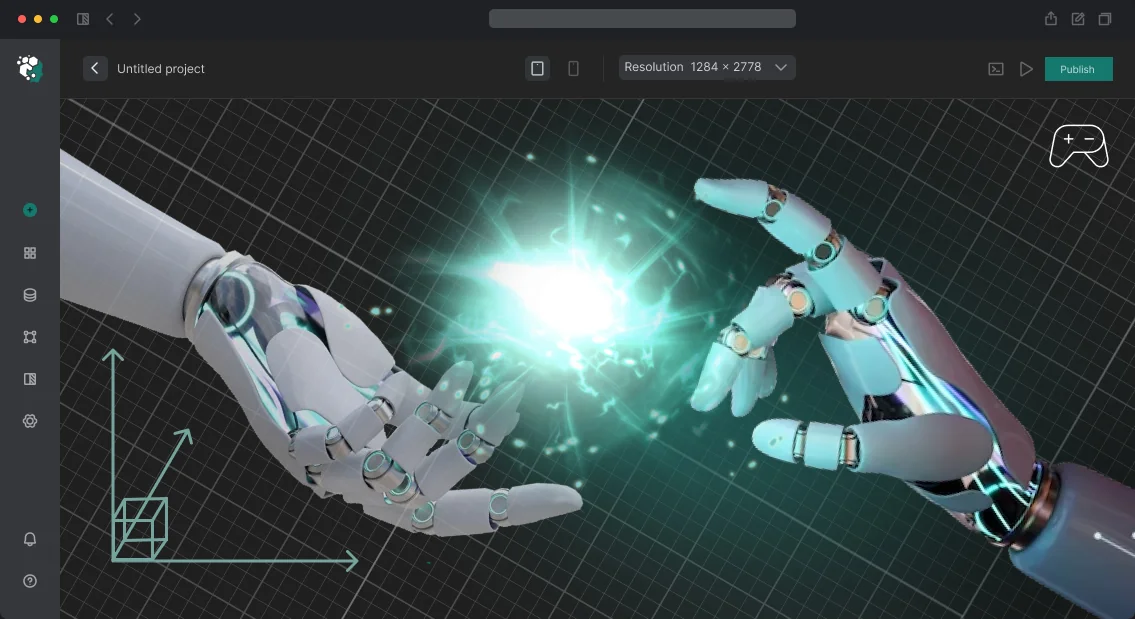
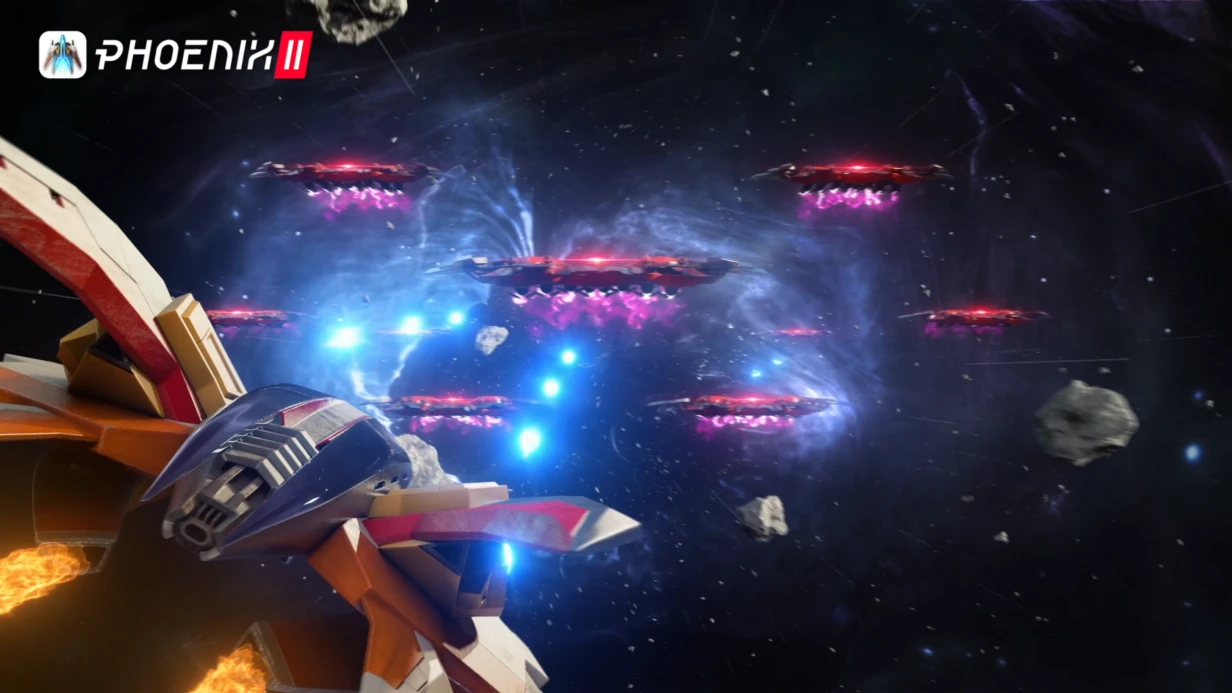
Interactive marketing has long stopped being just a buzzword — it's a working tool for attracting guests. HoloLens 2 overlays digital objects onto real space, turning an ordinary booth into an exciting game zone.
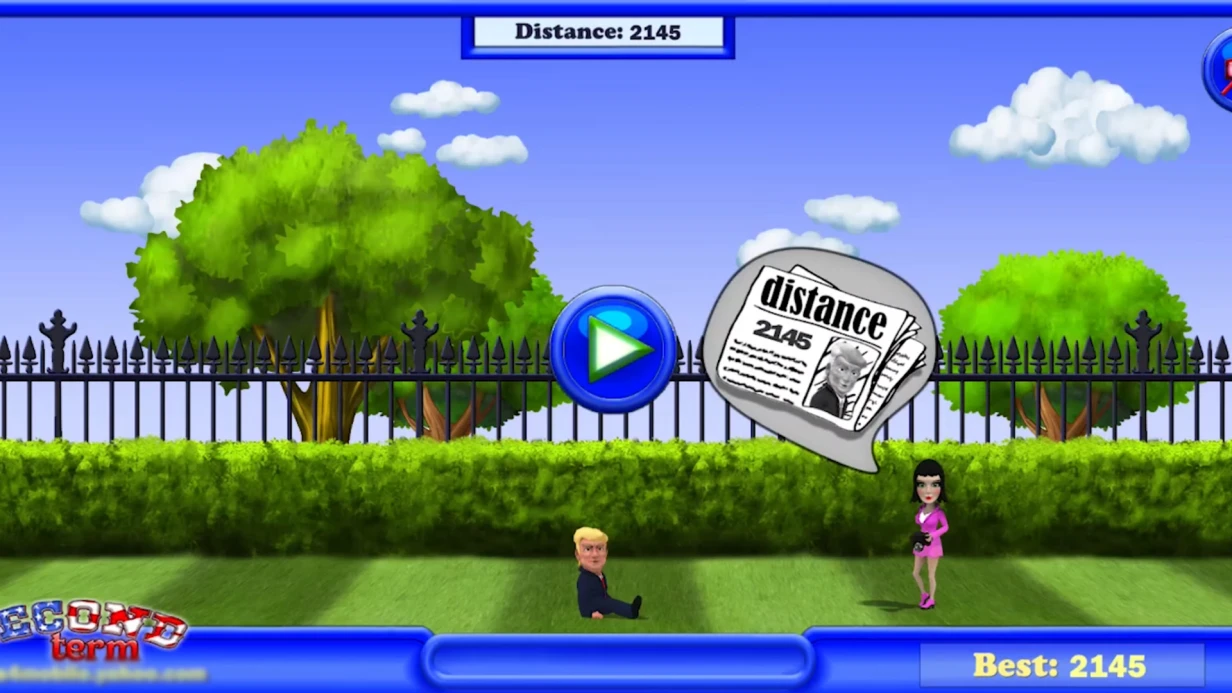
Guests don't just watch a screen — they interact, compete, and explore. These are experiences people want to repeat and tell others about.
While you're deliberating, competitors are integrating HoloLens 2 into their presentations and events. Visitors create content themselves and share it on social media, so guest engagement works without advertising spend.
Each such project becomes an event people talk about — and your potential customers go where they're given a more vivid experience.
We solve this problem: we develop a turnkey HoloLens 2 game scenario — from idea to launch at your event. We program the gameplay in C#, create interfaces and interactive mechanics that any visitor can understand without instructions.
You get an immersive show that strengthens the brand, earns enthusiastic reviews, and keeps people talking about the project long after.
5 reasons to order an AR game for your business
Guest emotions. A typical exhibition or presentation is remembered for a couple of days. When a guest controls holograms themselves, catches virtual objects, or solves puzzles — it creates genuine excitement.
These emotions become tied to the brand that delivered the experience and stay in memory for a long time.
Time at the venue. The longer a visitor stays at the booth, the more chances you have to tell them about the product. An AR game holds attention several times longer than a regular video or brochure.
During that time, the guest can explore the benefits, ask questions, and build trust in the company.
Viral reach. Participants film unusual moments on their phones and share them on social media. Every post is free advertising that shows the brand to a wide audience. This way, a single launch turns into dozens and hundreds of mentions that keep working long after the event.
Brand loyalty. When a brand delivers a vivid gaming experience, it's perceived as a modern and caring partner. This increases affinity and the desire to return. Repeat visits and positive reviews are the natural result of this approach.
Lead capture. Built-in mechanics let you collect participants' contacts right during the game: for a record, an invitation to the next stage, or a gift. You get a database of interested people ready for further communication. Conversion into inquiries is noticeably higher than with traditional booths.
Game formats on HoloLens 2 for different tasks
The same HoloLens 2 device can work in different ways: from a short activation at a booth to a full-fledged scenario at a large venue.
The choice of format determines everything — how many guests you can engage, what emotion you'll create, and what metrics you'll show management afterwards.
For example, an exhibition and staff training require different scenarios: in the first case, visual impact matters; in the second, repeatability and clear logic. Below are four basic formats we implement most often.
| Format | For whom | What it gives the client |
|---|---|---|
| Quest | Employee teams, groups of guests | Team interaction, competitive excitement, engaging 10–20 people per session |
| Simulator | Potential buyers, partners | Visual product demonstration in action, memorable experience, loyalty |
| Show | Mass events, presentations | Spectacle and viral content: guests film the action, the brand gains reach |
| Training | Employees, students, trainees | Fast skill acquisition without risk, visual instructions, savings on training materials |
This isn't a rigid classification but a starting point for discussion. Each format has variants: solo and team sessions, short 5-minute activations or full one-hour programs. We help you choose a scenario for your venue and goals — and immediately show what results it will bring.
Development stages of your game: from brief to launch
It starts with you getting a clear process: from the first brief to a turnkey game launch. We handle all the stages — analyze the task, propose a concept, get approval, develop, test, and provide support after launch. You always know what stage the project is at and what comes next.
- Brief — you tell us about your task: who the game is for, what problem it solves, which results matter. We clarify the details and lock in the requirements to avoid misunderstandings from the start.
- Concept — we propose the scenario and visual style of the holographic game. You see how the idea turns into a product and can make edits before development begins.
- Approval — we agree on the estimate, timeline, and scope of work. You get a clear understanding of the budget and schedule, with no hidden extra charges.
- Development — we create the gameplay, interface, and gesture controls for HoloLens 2. We regularly show intermediate results so you can monitor progress.
- Testing — we test the game on the device under conditions close to real ones, using scenarios from your employees or visitors. We fix bugs and polish the details.
- Launch and support — we deploy the application on your devices, train your staff, and provide technical support. After launch, we stay available for updates.
What you get after implementing the game
When you order a game for HoloLens 2, you get more than just a software product — you get a complete turnkey solution.
This means the entire technical side — from equipment setup to staff training — is already thought through and handled, and you can focus on what matters most: your guests, clients, and event participants.
Here's exactly what's included in the delivery package:
- A ready-made game for your task — the scenario and mechanics are adapted to your event, brand, and goals (attention, training, entertainment).
- Professional HoloLens 2 equipment — headsets are calibrated and checked before shipping, so everything works stably on event day.
- Admin panel — you can launch the game, change session settings, and view activity statistics without a programmer, right from a tablet or laptop.
- Instructions and staff training — in one short training session, your employees will learn to launch the game on their own, help guests, and handle common situations.
- Warranty service and support — on event day, our engineer is on call and ready to quickly resolve any issue; in case of a breakdown, the equipment is replaced.
- Quick deployment — the entire system is set up in advance, and connection takes no more than an hour, so you don't lose time at the most critical moment.
After the game is implemented, you get a working tool that enhances guest impressions and improves the company's image. You don't need to understand technical details — just follow the instructions, and we'll take care of everything else.
Case study: how Company X increased footfall with AR
At exhibitions and in public spaces, brands fight for visitor attention: ordinary banners and videos are scrolled past in seconds, but what's needed is an experience that engages and sticks.
When Company X — a chain of family entertainment parks — approached us, the task was simple: increase the time guests spent at the booth and collect contacts for future mailings.
We developed an AR game case based on HoloLens 2: a visitor puts on the headset and enters a virtual park where they need to interact with characters and complete short tasks. It's not just a showcase but a full scenario with clear steps and feedback.
Professional equipment and proven tools guarantee stable operation — no failures even during peak hours.
Project results
Time at the booth grew from 1–2 minutes to 10–12: visitors didn't leave until they completed the level.
The number of contacts collected tripled, and park mentions on social media during the exhibition days rose by 35% — guests photographed the AR experience themselves and tagged the brand's page.
We'd also highlight the quality of feedback. Following the event, 9 out of 10 visitors left a positive review, and park management received ready data on which mechanics were most engaging.
This allowed the game to be reused at other venues and led to a repeat order — this time for a permanent exhibit.
How to choose the right format for your task?
The choice of format depends not on technology but on what you want to get from the event: engaging guests in a minute or holding their attention for 10–15 minutes, collecting contacts, or creating a bright news hook for social media.
HoloLens 2 stays in the background — it's a tool, and the result is determined by the scenario. If your goal is maximum reach and photos in feeds, a short demonstration in a high-traffic area will work: in 2–3 minutes a guest has time to be impressed and share the emotion.
If deeper engagement and a memorable story matter more, it's better to choose a full 10–15 minute session — it turns the guest from an observer into a participant in the story.
The second criterion is guest behavior at your event.
At a business forum, people come with a specific purpose, so they need a quick result: "saw the new product, evaluated it, moved on." At a corporate party or exhibition opening, the opposite is true: a slower format works — it provides emotion and a reason to stay longer and discuss what they saw with colleagues.
Focus not on what's fashionable but on how people will move through the venue: a short demonstration at the entrance, a medium zone in the lounge, a full session in a separate space. We'll advise on how to distribute the flow to avoid queues and not lose guests.
The third criterion is the desired metrics. If you need a measurable result for a management report, choose a session format: it's counted by the number of completed sessions and average participation time.
If the metric is reach and awareness, photo and video zones play the leading role, and HoloLens adds uniqueness to them. A clear understanding of the goal at the start saves half the budget and eliminates unnecessary equipment.
It's also important to factor in time for guest onboarding: even the boldest scenario requires a couple of minutes of instruction, otherwise the effect gets blurred.
The optimal path is to start with a short consultation. We'll ask a few questions about the type of event, the number of guests, expected behavior, and goals, then offer 2–3 formats with a forecast for engagement and load on the zone.
Often the best result comes from a combination: one zone attracts attention, the second holds it and seals the interest. Come with your task — together we'll pick a format that solves your specific business challenge, not just makes an impression at the event.
Frequently asked questions about safety and guarantees
We've gathered answers to the questions most often asked before launching HoloLens 2 projects. There are no technical details here — only what matters for your peace of mind and a predictable result.
How is safety ensured at the venue?
We assess the event space in advance and plan the scenario so guests move within a safe area. Equipment and software setup is done before the event, and a support specialist stays nearby during the work.
For business, this means: you don't worry about risks and don't get distracted from your guests. You get a working scenario, and all technical matters remain on our side.
What happens if the equipment fails?
Any equipment can fail, so we bring backup kits to every event. If the main device stops working, we replace it within minutes and continue the program without a pause.
Your benefit is confidence that the presentation or interactive won't fall through. Guests won't even notice that something didn't go according to plan.
Who handles support during the event?
Throughout the event, our engineer is with you. They monitor the system's operation, help guests put on the device, and guide every step of the scenario.
You don't need to understand the controls or configure the equipment — you focus on your tasks, and we take care of the entire technical side.
What guarantees do you provide?
A guarantee isn't just a word. We put in the contract the preparation timeline, the specialist's visit, and the commitment to run the demonstration from start to finish. If something goes wrong, we resolve it at our own expense and as quickly as possible.
You get clear terms and a backup plan — so projects run smoothly, without surprises or hidden costs.
Have another question — just write to us. We'll explain how we work and choose a format for your tasks.Ready to launch your AR project? Let's discuss the details
Is your business ready for augmented reality but missing a reliable technical partner? We have been developing AR projects on professional equipment for 10+ years and know how to turn an idea into a working solution on HoloLens 2.
You get not just code but a finished product that solves your industry's challenges: from employee training to interactive presentations.
Submit a request for development — within one business day, we'll prepare a cost estimate and a custom proposal for your scenario. No generic price lists: each project is evaluated after a short brief and an understanding of your goals.
Here's what you get after placing an order:
- A clear work plan and a fixed estimate — no hidden fees or "surprises" during the process.
- A prototype from the very early stages — you see how the idea works and make changes in time.
- A team with commercial development experience on HoloLens 2 — from interface to stable operation at the event.
- Support at every stage: we handle the launch and also train your employees.
- A guarantee on the result — fixed in the contract, so you're protected from an unsuccessful launch.
- The ability to scale the solution — after release, you can adapt the project for other tasks or events.
Don't postpone the launch: send your request right now, and we'll contact you to discuss the details. We'll prepare a custom proposal that fits your budget and timeline — and within a few weeks, your clients will see impressive augmented reality.