



Why Brands Need Games on Kizi for Audience Engagement
Games on Kizi are not a casual distraction but a way to hold the audience’s attention at the very moment they are deciding where to spend their free minutes.
Users visit Kizi games not to shop but to relax — and in that state, they are open to the brand: they remember it, return to it, and share their impressions.
Without your own game on Kizi, you hand this audience to competitors. Dozens of HTML5 projects are already vying for those same minutes of attention, and the one that offers an engaging scenario first wins.
Developing Kizi games is a way to take a place in how people spend their leisure time, not stay on the sidelines.
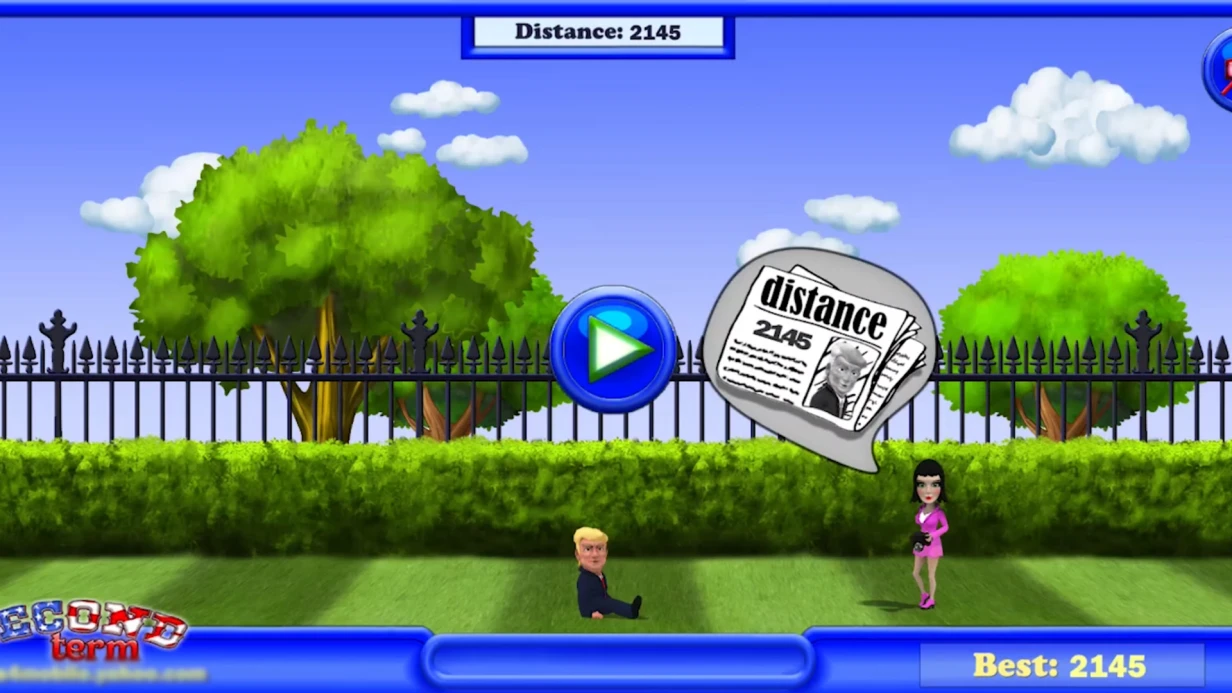
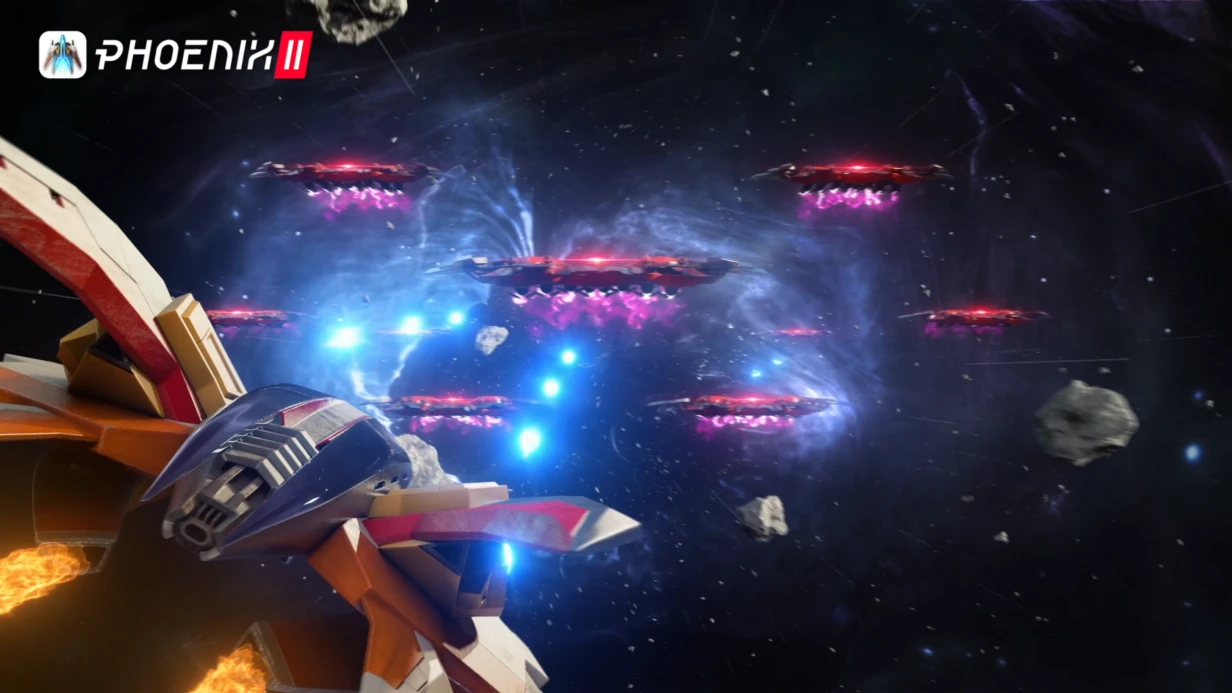
When a brand creates a game for Kizi, it gets not a “flash page” but an engagement tool: the mechanics keep people involved longer than an advertising banner, and it does so without being pushy.
Every level, every bonus, and every competitive moment works to make your product memorable. People come back to the game on their own, and along with it, they come back to your products or services.
The key point: Kizi games for business solve several tasks at once — they raise awareness, increase the time of contact with the brand, and give people a reason to share their results. If competitors already have a game, the audience chooses them.
If you have your own high-quality project, you create an advantage that cannot be copied by a banner or a post. Creating games for Kizi is an investment in making the audience choose you instead of looking for entertainment elsewhere.
What Game Mechanics Bring to Your Marketing
Marketing games transform an advertising message from one-way broadcasting into a dialogue with the audience. Instead of simply watching a banner, the user controls the process, makes decisions, and becomes emotionally involved in the brand’s story.
Game mechanics hold attention for much longer than a typical video or post. Every level or completed challenge is another minute of contact with your product.
During that time, the message has a chance to stick in memory, and the positive emotions from the game carry over to how the brand is perceived.
Gamification in advertising solves the main marketing task — collecting contacts without feeling intrusive. A mechanic that uses registration or a form inside the gameplay is perceived as a natural step, not a barrier.
The user voluntarily leaves their data to get a result or continue playing — so you get warm leads with minimal resistance.
Brand game mechanics build recognition: characters, style, logo, and slogans are built into the narrative. Unlike static ads that people block or scroll past, a game is played through to the end and revisited.
Repeat visits increase the frequency of contact with the brand without additional spending on impressions.
Engaging the audience through a game has another bonus: natural reach through a competitive effect. Users share results, invite friends to beat records, and discuss the mechanics on social media.
Lead generation with games is not entertainment for its own sake but a measurable marketing tool. You see how many people started the game, how many got to the end, and how many left a contact.
These numbers easily turn into a plan for future campaigns and a clear report on the invested budget. If you need a mechanic that strengthens an advertising campaign and delivers measurable results, let’s discuss your task.
Kizi Game Formats for Different Business Tasks
Choosing a game format for Kizi is not a matter of taste but a matter of the task. An arcade generates the most completions, a quiz prompts users to enter their name and email, and a contest with a prize spreads across social networks.
We compare formats by three key parameters: mass appeal, brand contact time, and simplicity of mechanics.
| Format | What task it is for | What it gives the client |
|---|---|---|
| Arcade | Maximum reach, frequent returns | High traffic and repeated game launches |
| Puzzle | Long engagement, product introduction | The user stays in the game for 5–10 minutes and learns more about you |
| Quiz / Test | Data collection, audience segmentation | Answers to questions and the participant’s contact details |
| Contest game | Viral growth, follower growth | Participants invite friends to increase their chances of winning a prize |
We recommend a specific format after a short brief. If the goal is awareness, we choose an arcade: it is the simplest and starts without any explanation. If you need to showcase a product line, we choose a puzzle with elements tied to your products.
A quiz and a contest work well in combination: the test collects leads, and the contest motivates people to share the result.
This way, you get not just a mini-game but a working tool aimed at a specific metric. We implement the chosen format on Kizi and adapt the mechanics to your audience, so the game solves your business task from day one.
How Game Development Works: 6 Steps
To make a Kizi game deliver results, it is important to build a process in which you control every stage. We split the work into six clear steps — from brief to launch — and at each stage, you know what is happening, what the deadlines are, and when you can influence the outcome.
-
Brief and immersion in the task. We set the game’s objective, theme, player profile, and expected mechanics. You tell us about the project, we clarify details, and prepare a clear technical specification.
-
Concept and development plan. We think through the gameplay, level structure, visual style, and session length. We approve the concept before work begins, so you understand what the game will look like before a line of code is written.
-
Prototype and approval. We show a working version of the core mechanic on simple visual elements. This is a convenient moment for changes: you can see whether it is fun to play and make adjustments without wasting extra time.
-
Turnkey game development. We build the full version: visual design, sound, interface, levels, tutorial hints, and difficulty balancing. You receive a finished product that works reliably in the browser.
-
Testing and launch on Kizi. We test the game on different devices and screen resolutions, fix errors, and prepare the description and cover art. We publish it on the platform and make sure players see it correctly.
-
Support and growth. After launch, we track metrics, quickly address player feedback, and add new levels or mechanics on request. The game continues to develop and never loses relevance.
What Is Included in the Game Delivery Package
When you order a game for Kizi, you receive not a “gray” build but a complete game delivery package that you can work with further — without being dependent on the studio.
We hand over everything needed to launch, control, and grow the project: from source code to instructions and updates.
- Game source code — the complete project code in Unity in the current version. You are not tied to a single developer: any specialist can understand it and make edits.
- Game documentation — architecture description, build and publishing instructions, and parameter settings. Even if the team changes, a new person can launch the project without a long onboarding.
- Admin panel — a content management tool: change levels, texts, and images without rebuilding the game.
- Ready-made settings for Kizi — tested integration with the platform: the game passes moderation and works correctly in browsers.
- Builds for different screens — adaptation for desktop, tablets, and mobile devices to cover as many players as possible.
- Manager’s checklist — a launch and control checklist: how to monitor statistics, what to check after an update, and where to look when problems occur.
- Game updates — included support for the first month: we fix bugs and adapt the game to new Kizi requirements.
As a result, you get not just a game but a manageable asset. Documentation and source code are your insurance: you can develop the project with your own team or give it to any studio for further work. The included updates guarantee that the game will not let you down at the most critical moment.
Case Study: A Game for a Portal That Attracted 50,000 Players
How a game for the portal brought the brand 50,000 players
When the Kizi portal faced the task of retaining its audience and increasing site activity, we proposed an unconventional move — developing its own game.
The result was a successful game project: in the first month, the browser-based HTML5 game gathered 50,000 unique players, and 35% of them came back for repeat plays. The average game session lasted four minutes — a serious metric for an advertising platform.
The secret to this result is the simplicity of entry: users do not need installation or registration, just one click. HTML5 cross-platform compatibility allows the game to run from any device — a computer, tablet, or smartphone.
For the portal, this means higher engagement, more time spent on the site, and a natural reason for visitors to come back.
What this means for your business
The game’s statistics go beyond virtual reach. 50,000 players means tens of thousands of brand contacts that build awareness and loyalty. Players shared their results on social media, creating free viral reach. By coming back for new records, they brought the portal consistent traffic and new impressions.
After the launch, the client returned to us with an order for two more games — the continuation of the collaboration confirmed the project’s practical value. For us, this is the main metric: the game works for the business result.
Frequently Asked Questions About Ordering and Developing Games
Before ordering a game, many questions arise: how much it costs, when it will be ready, who owns the result, and what happens if something goes wrong. Below we have collected answers to the most common ones — without technical details, only what matters to you as a client.
We work openly and write all agreements into the contract, so you always understand what you are paying for and what you receive.
How much does game development cost?
The cost depends on the mechanics, the number of levels, and the complexity of the graphics. A simple one-screen game can take a few weeks, while a project with progression and unique art can take a couple of months. After the brief, we fix the price and timeline so they do not change during the process.
What are the game development timelines?
Usually, the first playable version appears in 3–4 weeks. The full cycle, from idea to publication on the platform, takes 6–10 weeks depending on scope. You receive intermediate versions and see progress at every stage.
Who owns the rights to the game?
All rights to the game, including the source code and all materials, pass to you after full payment. You can publish the game on any platform, including Kizi, and use it however you wish.
What if we don’t like the game or it doesn’t perform on the platform?
We discuss the target audience and references in advance so that the game matches expectations. If something does not work after tests, we adjust the balance and mechanics within the agreed iterations. We also support the game after launch: we make minor fixes at no extra charge.
How does game support work?
After launch, we stay in touch. We fix bugs, adapt the game to new platform requirements, and add content when necessary. The format is a request via email or messenger, and the response time is within one business day.
If you still have a question, write to us — we will answer honestly and to the point. You can fill out a brief and get a quote today.Get a Turnkey Game — Leave a Request
Leave a request for a game and get a ready-made HTML5 game on a turnkey basis. You order game development from a team that has already released projects on Kizi: no searching for contractors and no supervising freelancers. A personal producer is responsible for the result.
After submitting your request, you receive:
- an express audit of your idea: whether it suits the Kizi audience and which mechanics will strengthen engagement;
- a fixed estimate and calendar plan — you know the cost and timeline before you start;
- a turnkey game packaged for the platform’s requirements: no surprises on launch day;
- a full rights package: source code, art, and documents remain with you;
- support after release: adjustments based on the first tests and ongoing assistance;
- results in numbers: engagement, retention, session length — you see the impact on the brand.
We work with professional tools, so the launch runs predictably. For a game agency, this means stable quality and keeping promises. You are not buying “a pig in a poke” — you are choosing a reliable Kizi game developer that values its reputation.
The easiest way is to buy a turnkey game in one place, with a clear contract and a fixed estimate. Click “Leave a request,” describe your task in a couple of lines, and the next day you will receive a launch plan and a preliminary estimate. You can order game development in one click.
How to Choose a Game Format for Your Task
Choosing a game format is not a matter of taste but a matter of your business goal. If you want to quickly attract a mass audience and gain viral reach, light browser games that launch from a link without installation are suitable.
If you need deep engagement and user retention, it is worth looking at more complex mechanics — but then preparation will take longer. The main thing is to understand what the game is supposed to do: advertise a product, collect contacts, educate customers, or simply entertain.
We help you decide on the format at the start, so you do not pay for unnecessary things or redo the project a month later. During a consultation, we analyze your task, audience, and customer touchpoints.
For example, short 2–3 minute games are often effective for social media promotion, while multi-level scenarios are good for staff training. For broad reach, HTML5 games work great — they can be embedded on websites and placed on gaming platforms like Kizi. This gives you access to millions of players without promotion costs.
Experience suggests that many clients initially see “just a game,” and after analysis they understand that they need different logic — for example, not a game but an interactive catalog or a quiz for collecting leads.
That is why we always ask questions before the prototype, not after. You get not just an executor but a partner who selects a solution for the task rather than forcing the task into a ready-made template.
Over 10 years, we have made dozens of projects for businesses and know the nuances of every platform, including the specifics of Kizi moderation and audience.
Come for a consultation — we will tell you which format will work for your product, how long it will take, and how quickly you will see the result. Together we will choose the optimal option.