



Competitors are already monetizing endless runners — and you're just getting started
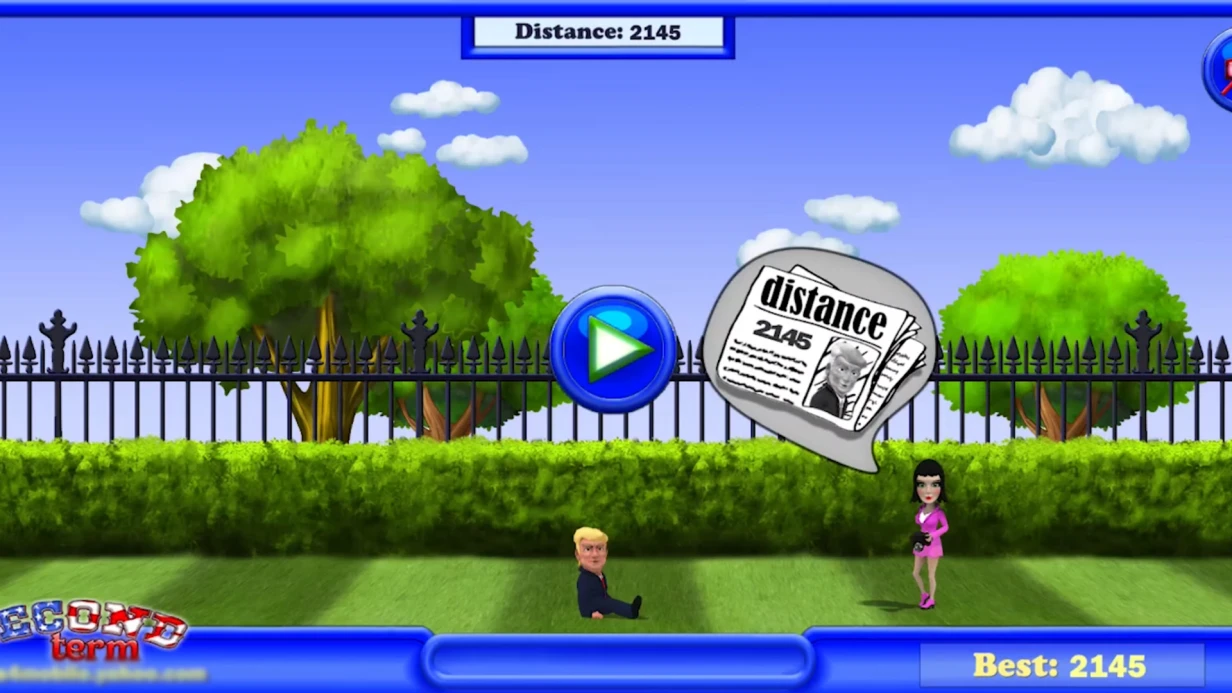
While you're weighing the prospects, competitors are already earning from the simple and straightforward endless-runner mechanic. This niche is far from immature: millions of players launch such games every day, which means demand is proven. Every month of delay means missed installs, ad views, and in-game purchases.
At the same time, success depends not on the number of effects but on the game concept around which the entire project is built. Strong mechanics, a reason to come back, a clear goal — that's what separates hits from one-off junk.
We help you formulate and validate such a concept before development begins, so you invest in a product with proven demand rather than an abstract picture.
Monetization in the endless-runner genre has long been fine-tuned: in-game purchases, rewarded ads, cosmetic items. The key is not to turn the game into a pile of buttons and to preserve the fun of the experience.
We design the economy so that players pay willingly and keep coming back, rather than leaving after the first annoying banner.
Competition in this segment is high, but that only means the market is alive and solvent. A quality project with a unique hook will always find its audience, especially if promotion is built around it.
In game dev, we know which mechanics work right now and adapt them to your brand instead of blindly copying someone else's ideas.
Weak implementation is the most common reason for failure: the game lags, the battery drains, users leave after the first session. Professional development solves these problems at the start: optimization for different devices, stable online, and careful updates. So you get not just a game but a working channel for reach and monetization.
We close the gap between your idea and the finished product. With 10 years of experience, we have launched dozens of projects and are ready to make an endless runner that will bring you installs and profit while competitors keep thinking. All you need to do is start with a short brief — we'll take it from there.
What you get from a game that works for you
An endless-runner game creates an emotional connection with your brand: the user chooses to spend time with you instead of watching an ad. We make such games turnkey so that every minute in the game works for your business.
Here's what you get:
- Engagement. Short sessions, the desire to beat your high score, returning to the game again and again. This means regular contact with your audience without reminders or spam.
- Recognition. Your brand's colors, logo, characters, and merchandise are woven into the gameplay. Players remember you and easily recognize you across other channels.
- Sales opportunities. In-game placements for product information, promotions, and special offers. The jump to the catalog or website happens at the moment of interest.
- Marketing support. The game is tied to promo campaigns, contests, and events: it collects contacts, motivates subscriptions, and extends the life of advertising activities.
This format works both as a standalone product and as part of a larger campaign. You don't need to understand the mechanics — we handle the concept, design, development, and launch. You get a game that solves specific business problems, not just something that entertains.
Endless-runner development formats for your task
Choosing a format depends on the business problem you're solving: test an idea, quickly claim a niche, or build a long-term asset. We've deliberately split our game-dev services into three tiers — from a minimal prototype to a fully polished game. This way, you pay only for what you need right now and can scale up as you grow.
| Format | Who it's for | What it gives the client |
|---|---|---|
| Game prototype | Testing an idea, showing investors, internal team validation | Clear mechanics in 1–2 weeks, solid metrics for a "go / no-go" decision |
| Minimum viable product | Fast market entry with a limited budget | A working endless runner with core mechanics, first players, and data for growth |
| Turnkey development | Launching a full commercial project | A polished game with monetization, graphics, support, and updates — maximum audience reach |
A prototype is a validation of the core mechanic without unnecessary polish. It's needed to make sure the idea is actually interesting and that you won't burn your budget blindly.
A minimum viable product fits when getting to market before competitors matters: one or two locations, basic jumps, and obstacles — enough to bring in the first users and feedback.
Full development is a long-term strategy: level systems, characters, bonuses, competitive modes, analytics, and marketing preparation.
In every case, we stay in touch after launch: refining functionality, balancing gameplay, adding new mechanics. So even if you start with a prototype, in a month or two it can grow into a full product without any loss — everything is built on the same technical foundation.
If you're unsure which format fits your task, we can discuss it on a short consultation. We'll help define the key metrics for your segment and plan the budget so it pays off.
How we create a game from idea to launch
We've built a process that lets the client always know where the project stands and what the final result will be. No "black box": you see intermediate versions of the game, take part in key decisions, and control deadlines.
This approach has already helped launch dozens of projects — from simple arcades to commercial hits.
- Brief and task definition. We discuss your goal: attracting customers, entertaining the audience, launching a new product. We lock in the mechanics, platform, and expected outcome.
- Game concept. We propose a scenario, difficulty levels, and visual style. We agree on the prototype to ensure before development starts that the game solves your task.
- Plan approval. We approve the scope of work, timeline, and budget. You get a clear plan where each stage corresponds to a specific result.
- Development and project management. A team works on the game, and a dedicated manager sends a progress report every week. You see working versions and make adjustments along the way, not just at the end.
- Testing and polishing. We check stability, balance, and control comfort. The game goes through several cycles of fixes so users enjoy it from the very first screen.
- Release and publication. We place the game in app stores and on websites, set up analytics. You get data on install counts and player behavior.
- Support and growth. We stay in touch after launch: updating content, fixing bugs, and adding new levels when the game starts showing results.
This process lets you see risks early and avoid rework. You always know who is responsible for what and can influence the workflow — while we handle the technical side and take the game all the way to release.
What's included in the delivery and where you can see everything
The full delivery package is not just "the work is done." You get everything you need to manage the game yourself: from source code to admin panel access. Nothing stays with the contractor — it all belongs to you.
Here's what's included:
- Project source code — all logic, levels, and settings in the current version. You're not dependent on us: you can grow the game with any studio or with your own team.
- Documentation — project structure description, instructions for programmers, designers, and content managers. Your staff will quickly understand how to make changes.
- Full rights to the game — exclusive rights to the code, art, characters, and content. You can publish, sell, resell, or scale the game without restrictions.
- Launch and operation instructions — step-by-step guides for your team: how to publish an update, monitor statistics, and respond to failures.
- Access to all systems — admin panel, analytics dashboard, publishing accounts, and servers if needed. Logins and passwords are handed over on the project transfer day.
- Warranty support — after delivery, we work with you until you're confident everything is stable. During the warranty period, we fix issues at your request.
Everything is transferred via an acceptance act with a clear list of files, accesses, and rights. You can check where each part of the project lives at any time and make sure nothing is lost. This is your product in full, not a rental of development.
Case study: how we doubled retention
A game project lives as long as players come back. The client came to us with a problem: they already had an endless runner that people downloaded but forgot after a few days. Retention was dropping, which meant every install was costing more, and paid traffic wasn't paying off.
Task and result
We took on the project with one goal — to bring players back on day seven. We ran an audit: we looked at exactly where players lose interest, which levels are played most often, and what makes them close the app. It turned out the issue wasn't the graphics — people simply had nothing to do after the first run.
In two months, we changed the progression structure, added daily quests, and a reward system that grows with the player. Result: day-7 retention doubled. Average session length increased by 30%, and weekly repeat launches went up 1.8 times.
How we did it
We didn't rewrite the project from scratch — that preserved the budget and timeline. We worked precisely: first we reworked the first hour of the game so new players understood the mechanics faster. Then we introduced time-limited events — they give a reason to log in every day. Finally, we built the reward system so players could see the results of their efforts.
The client received not an abstract report but real metrics: more repeat launches, more time in the game, and as a result, higher revenue from ads and in-app purchases. This happened without increasing the acquisition budget — only by working with the existing audience.
After the update launched, the client ordered a second phase: new content and seasonal modes. For us, that's the main indicator — the client saw the results and wants to continue.
How to choose the right development format?
The choice of format depends not on budget size by itself, but on the business task the game must solve. If you need to quickly test whether players find the running mechanic interesting, a prototype is enough.
If your goal is to get into app stores and win the first players, you need an MVP. If you're planning a long-term project with monetization and regular updates — invest in the full version.
A prototype is a way to answer the question "does the idea work" in a couple of weeks with small investments. You test controls, pace, sense of speed, and engaging elements.
It's not meant for publication, but it gives you a clear understanding: refine the concept or rebuild it before large expenses.
An MVP is already a complete game with a basic set of levels, a high-score screen, simple monetization, and mobile optimization. This format lets you launch, see the audience's live reaction, and collect data on player behavior.
At this stage, you understand which mechanics retain users and make a decision — to scale or adjust the strategy.
The full version is a large volume of content, characters, events, competitive modes, and a well-thought-out economy. For a business, this option becomes an asset that generates revenue through ads and purchases over a long period.
It requires more resources, but the potential return is also higher. The right path is to get there after the prototype has confirmed the mechanics and the MVP has confirmed demand.
We help you choose the format that fits your goal, timeline, and budget: we assess the task, suggest the optimal scope, and warn about risks. You won't have to dig into technical details — we handle the entire process: from brief to launch and subsequent updates.
What matters is your business goal, and we deliver it in a clear format without unnecessary spending.
Frequently asked questions and answers
A client ordering an endless runner usually fears three things: the game won't take off with the audience, revisions will stretch the timeline and budget, and the development process will remain a "black box." We address these fears before you start — below are answers to the questions we hear most often.
If your question isn't in the list, write to us and we'll get back to you with a concrete answer within one business day.
What if the game doesn't take off or players don't like it?
We don't just deliver code — we bring the game to a state where it holds players from the first session. Before release, we run mechanics through a focus group and tune difficulty and speed: the first levels are made short and clear so people feel the thrill immediately. The risk of "made and forgotten" is ruled out here.
What about revisions — are they always extra money and long approvals?
Revisions are a normal part of any living project, not a reason for conflict. The final scope of work is fixed in the contract, and additional changes are discussed separately — you understand in advance what exactly changes and how long it will take. No price surprises: the cost is stated before the work starts, not after.
How will I know the process is moving and not stuck?
Every week you get a short report in plain language: what's done, what's in progress, what risks exist, and how we're handling them. You also get access to a playable demo version — you see the project evolving instead of waiting for a final "box."
Is it safe to share my idea and work-in-progress?
All discussions are protected by a non-disclosure agreement. Your mechanics, story, and materials remain yours: full rights to the final game and its code transfer to you after payment.
Contact us to start your project
Leave a request on the website, and within one business day we'll get in touch to discuss your idea. From there, you get not just answers but a full package of groundwork: from an audit of your concept to a clear action plan with realistic timelines.
Contacting us is the first step toward launching a game that will deliver results for you. Here's what happens right after your request:
- Quick request — you describe the task in a couple of words; we'll clarify the rest ourselves.
- Consultation — we discuss the game's goals, target audience, and how the game fits into your business.
- Idea audit — we assess risks, implementation complexity, and the potential of the endless-runner mechanic.
- Clear commercial proposal — we fix the scope of work, timeline, and cost calculated after audit — no hidden items.
- Stage-by-stage work plan — you see what will be done, in what order, and when you'll get the result.
- Launch recommendations — we'll advise on how to prepare the game for publication and attract the first players.
You get the full picture before any decision to start. No abstract promises: only specifics for your task and a clear estimate.
To get an audit and a commercial proposal, fill out the form below — and within a few working hours we'll come back with first questions and suggestions. The sooner you reach out, the faster your game reaches the market and starts working for your business.