



Why Auto Repair Shops Lose Customers: Waiting Kills the Service
Waiting is a trial every customer endures at every auto repair shop. The car is taken in, the mechanic says two hours — and there the person sits in the waiting area with a cup of coffee, flipping through old magazines and watching the clock. The problem is that time stretches endlessly, and no refreshments can ease the boredom.
It is in moments like these that the impression of the service is formed. If the customer has nothing to do, they feel their time has been devalued.
Even high-quality repairs won’t save you: the customer will remember the visit as half a day wasted and will go to competitors next time. Customer loyalty drops, retention becomes a problem, and negative reviews spread across social media.
When a shop offers some kind of entertainment — a TV with the news or free Wi-Fi — it’s better, but it still doesn’t create an emotional connection. Modern customers expect to spend waiting time usefully and enjoyably. And the auto repair shops that understand this win the competition for repeat visits.
We have been developing interactive entertainment for businesses on Unity for over 10 years and know exactly how to turn waiting into an advantage.
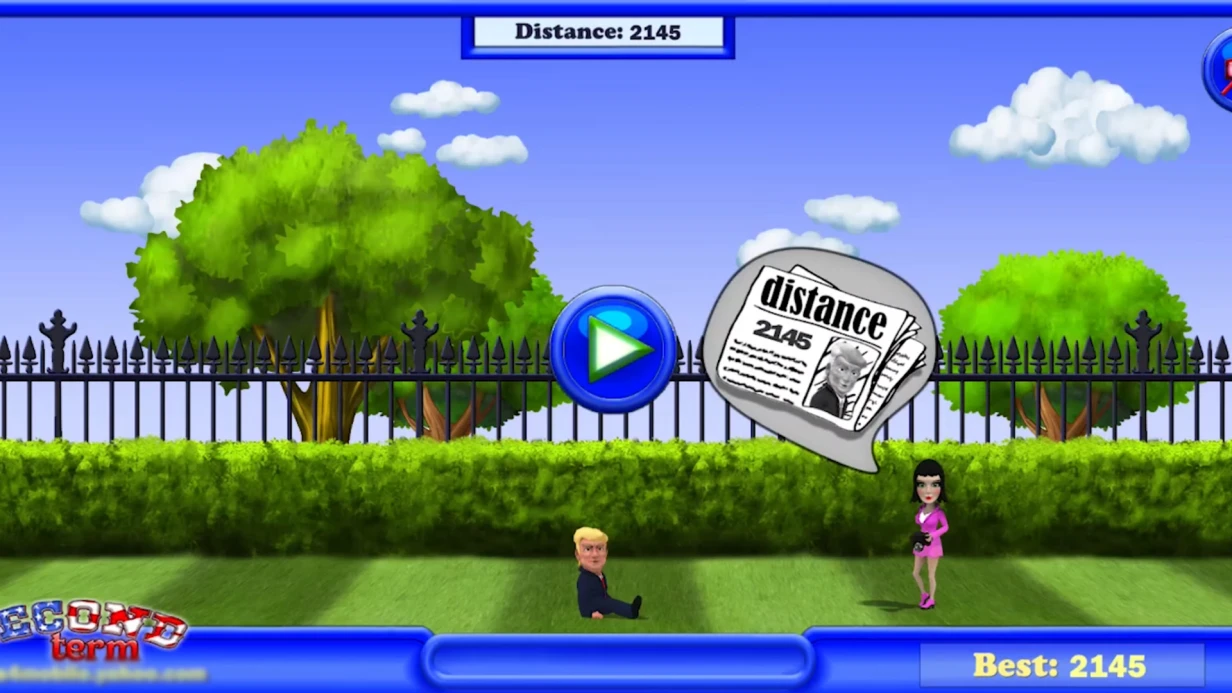
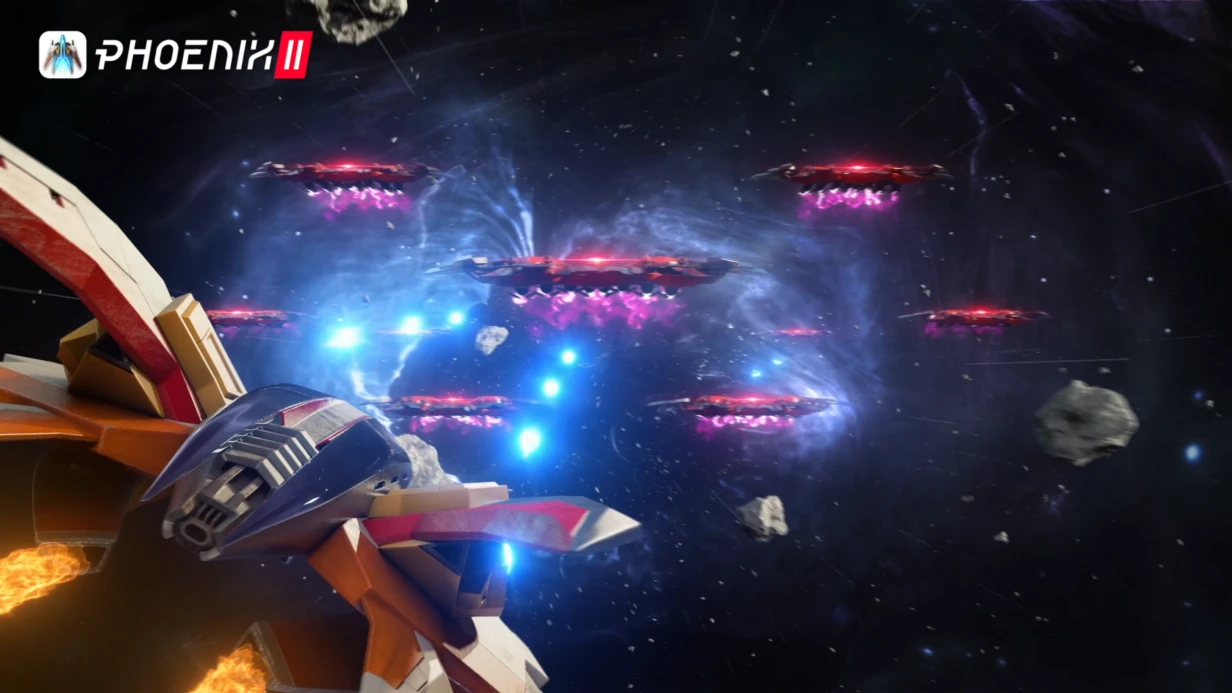
For auto repair shops, that means compact games on a tablet or large screen: from arcade racing to puzzles that can be infused with the shop’s brand.
While the car is being worked on, the customer is absorbed in the game, gets positive emotions, and leaves with the impression that they visited a modern, caring service.
As a result, the shop gets not just entertainment for guests, but a retention tool: a satisfied customer returns, recommends you to friends, and is more willing to agree to additional work.
We handle development, launch, and support — all you have to do is watch the smiles in the waiting area. Contact us to discuss your task — we’ll find a game that suits exactly your customers.
What a Custom Game Gives Auto Repair Shops: 5 Key Benefits
Customers of an auto repair shop spend anywhere from half an hour to several hours waiting — and that time strongly shapes their impression of your service. Boredom in line can ruin even perfectly done work: the customer leaves with a negative feeling and is unlikely to return.
A custom game changes the picture: waiting turns into entertainment, and the visit becomes a reason to tell friends about you.
-
Customer loyalty — while repairs are underway, the customer plays your branded game and earns bonuses for each visit. Accumulated points motivate them to come back to you specifically, and the positive emotions from the game transfer to the brand.
-
Higher average ticket — game mechanics gently nudge toward an upsell: for example, completing a level earns a discount on polishing or an oil change. The customer is more willing to accept additional services when they receive them as a reward rather than a hard sell.
-
Brand awareness — a game with your logo and brand colors lives on your customers’ phones. They share records and achievements on social media, so their friends and followers see your brand — reach grows without advertising costs.
-
Attracting new customers — the game makes it easy to run promotions: “complete a level — get a discount on your first maintenance.” This way you turn entertainment into a stream of inquiries and expand your customer base, all through word of mouth.
-
Collecting preference data — in the game, the customer answers short questions or selects services they’re interested in. You get a picture of demand among your audience and can shape offers and service more precisely.
We develop such games on the professional Unity engine — this guarantees stable performance on any smartphones and tablets.
You don’t need to understand technical details: we handle the entire process — from idea to launch and support — and you get a working marketing tool that brings new customers and increases their loyalty.
Game Formats for Business: Choose the Right One
An auto repair shop lives in waiting: the customer arrives, hands over the car, and watches the clock. Usually that’s lost time and mild stress. The game turns waiting into a benefit: the person relaxes, learns about your services, and leaves with a positive impression.
We develop different formats for business — from simple interactive pieces for the waiting area to full-fledged training games for customers and employees.
Importantly, the game doesn’t distract from the service; it helps: it reduces “dead” time, educates, and motivates people to come back.
| Format | For Whom | What It Gives the Customer |
|---|---|---|
| Simple interactive in the waiting area | Visitors while they wait for their car | Relieves tension, passes the time, creates a sense of care |
| Service quiz game | New customers and guests | Introduces services non-intrusively, increases awareness |
| Training game | Employees and partners | Trains skills and standards in an engaging way, boosts involvement |
| Motivational game with progress | Regular customers | Accumulates points and bonuses, encourages return visits |
Each format is customized for your auto repair shop: we take your actual services, prices, and promotions and turn them into a game scenario. You get not a “toy for the sake of a toy” but a working tool for growing loyalty and revenue.
How Game Development for Your Business Works
You get a game that works to attract customers without you having to spend time on technical details. We’ve structured the process so that you see the result at every stage and can influence it. You don’t need to understand development — just answer questions and make decisions.
Here’s what the path from idea to launch looks like:
-
Brief and problem definition. You tell us about your auto repair shop: which services you want to promote, who your audience is, and what tasks the game should solve — increase bookings, entertain waiting customers, collect contacts.
-
Work plan and estimate. We set the scope, timeline, and cost. You receive a clear document detailing what will be ready and when — with no hidden conditions or unexpected surcharges.
-
Concept approval. We propose 2–3 mechanic and storyline options tailored to your profile. You choose the one that fits best: racing, a quiz about how cars work, or a time killer for the waiting area.
-
Development and milestone deliveries. Every 5–7 days we show a working version. You see progress and make edits to texts, colors, and logos — while development is underway, not after it’s finished.
-
Final testing. We test the game on different devices, remove bugs, and make sure it loads quickly even on customers’ low-end smartphones.
-
Launch and staff training. We help integrate the game: provide QR codes, set up prize mechanics, and explain to administrators how to invite customers to play. You get a ready-made entry point for visitors.
-
Analytics and improvements. After launch, we look at how the game affects bookings and repeat visits. If needed, we make changes — add promotions, change prizes, update questions.
At every stage, you communicate with a manager who speaks the language of business, not a programmer. That’s why the game ordering process is clear even to those who have never ordered digital products. You control timelines, budget, and quality, while we handle the entire technical side.
What’s Included in the Game Delivery and Launch
You get not just a game, but a ready-made marketing tool for your auto repair shop — it entertains customers, collects inquiries, and increases brand awareness. We handle the entire cycle: from defining the task to placing it in your app or on your website. You don’t need to supervise developers or understand technical details.
The delivery package includes:
- Thought-out game mechanics that motivate customers to participate and return: quizzes, simulators, virtual test drives.
- A scenario adapted to your auto repair shop’s services — for example, a “Build Your Own Auto Shop” game or “Car Diagnostics.”
- Corporate-style design: brand colors, logo, recognizable elements that reinforce the brand.
- Technical implementation on a professional engine — the game runs stably on smartphones, tablets, and computers.
- A ready-to-embed version for your app or website, without conflicts with existing sections.
- A team manual and brief training: how to launch the game, update prizes, and configure notifications.
- Post-launch support: updates, bug fixes, technical support, and refinements for new marketing campaigns.
In the end, you get an independently operating customer acquisition channel. While your team works on cars, the game brings in new visitors and keeps regulars. All that’s required from you is to approve the scenario and launch the game.
Case Study: How a Game Doubled Customer Bookings
For a network of auto repair shops with five locations, we developed a branded game on Unity.
While customers waited for work to finish, they played on tablets in the waiting area — three levels, a timer, and a virtual “maintenance booking” with a chance to win a discount on the next visit. No complex mechanics, just an engaging scenario that passes the time.
In the first month, the number of complaints about waiting nearly halved, and bookings for repeat visits increased by 40%.
Guests photographed the result screen and posted it on social media with the shop’s hashtag — this generated an additional flow of customers without advertising costs.
The development paid for itself in two months: advertising savings and a higher average ticket covered the investment.
Why This Works for an Auto Repair Shop
Complaints arise not from slow work but from empty waiting. The game shifts the customer’s attention: they don’t watch the clock; they get an emotion and a bonus. As a result, satisfaction grows, and with it, repeat bookings and recommendations.
Motor City auto repair chain (name changed) continued using the game in its daily operations after launch — a year later, it remained part of the customer experience. More than 60% of players reached the final level, and one in five published their result on social media.
What Changed for the Business
We see not just a game, but a loyalty management tool. For an auto repair shop, this is a way to stand out from competitors: the customer remembers not only the quality of repairs but also the pleasant minutes spent at your shop.
If you want the same effect — tell us about your task, and we’ll select mechanics for your audience.
How to Choose a Game Format for Your Business Goals?
There is no universal game for every auto repair shop — the format depends on the goal you’re solving. One shop needs to attract new customers to the area, another needs to retain regulars, and a third needs to launch a new service. That’s why we ask the right questions first and then propose a format, not the other way around.
If your goal is reach and awareness, simple arcade games that can be played on a phone without instructions or installation work well. They create a quick spike of interest and broad social media reach.
If the goal is bookings for a specific service or lead collection, it makes more sense to build a game where the user sees a contact form after completing it, with a motivation to fill it out.
And if you work with corporate clients — for example, at an exhibition or an open house — interactive kiosks that engage visitors in live conversations with your staff are a better fit.
Another key question is your audience. If it’s car owners aged 30–45, they won’t deal with a complex interface: everything must be intuitive and take no more than two or three minutes. For a younger audience, you can create a more dynamic format with excitement and rankings. We match the mechanics to the shop’s actual audience, not abstract trends.
Budget also affects the format, but not the way it might seem. Some games take a few days to build, while others require several weeks of development — the difference lies in the concept and details.
We honestly explain what each option delivers and help you find a solution without unnecessary spending. Usually, after the very first project, clients see how the game works for the business and come back to us with new tasks.
That’s exactly why we strongly recommend starting with a short consultation. During the call, you share your goals and audience, and we propose 2–3 specific formats with an estimate of budget and impact.
It’s non-binding — but you’ll leave with a clear understanding of which game format will benefit your auto repair shop in particular.
Common Doubts Before Launching a Game: Our Answers
Before launching a game for an auto repair shop’s customers, the same doubts come up: Will the project be too complex? Will the price increase? Will deadlines slip? We address these fears directly — and show you the guarantees you get with the finished game.
Is it difficult to integrate a game into an auto repair shop’s operations?
We take the project on as a turnkey solution: from scenario to launch and support. You don’t need to hire developers, understand technologies, or change processes.
At the start, we create a clear plan showing how the game fits into the customer waiting flow and what tasks it solves — from entertainment to booking the next visit.
Will the budget get out of hand during the process?
We fix the cost at the brief stage and don’t change it during the work. You know in advance what you’re paying for: concept, development, integration, and post-launch support. Any additional options are discussed separately — only with your consent and with a clear price.
What if deadlines are delayed?
We take responsibility for deadlines: the contract specifies stages, milestones, and the boundaries of each party’s responsibilities. Our refined process lets us deliver projects on time, and after launch we stay in touch — we resolve issues and help with updates when needed.
So the main risks are on us. You get not a “box” without guarantees, but a working game and a partner who takes responsibility for results after launch. All that’s left is to discuss your scenario.Leave a Request — Get a Game That Brings Customers
Leave your request, and we’ll get back to you within one business day with a consultation and a cost estimate for your auto repair shop’s game. We’ll examine your goals: attract new customers, keep visitors entertained in the waiting area, or increase repeat bookings.
Then we’ll propose specific formats — from a simple quiz to a full-fledged quest — and show which one will deliver the quickest effect.
What you get after submitting a request:
- Consultation: we answer your questions and show examples of games for auto repair shops.
- Cost and timeline estimate tailored to your goals — no hidden fees and no double standards.
- Format recommendations: which game will bring a quick influx of customers and which will build long-term loyalty.
- A clear launch plan: technical specification, scenario, testing, game handover — you see each step.
- Support at the start: we’ll help train staff and prepare a plan for promoting the game among customers.
- Payback estimate: you’ll understand how many bookings are needed for the game to pay for itself and generate profit.
The request form doesn’t obligate you to start the project. You get an estimate and a consultation, and you make the decision yourself.
Typically, we ask a few clarifying questions — about customer flow, the size of the waiting area, and the game’s objective — and put together a proposal that immediately shows the benefit. All that remains is to click “start project” and get a game that brings in customers.