



Games for Brands: How to Keep Customers Instead of Losing Them
Every day, audience attention is becoming an increasingly scarce resource. People block ads, scroll past promotions, and switch to competitors if they aren't hooked within the first few seconds. Customer loss happens quietly, but its cost hits revenue hard.
Traditional advertising no longer delivers the same results: static banners and videos are perceived as noise that people want to skip. Interactivity in advertising changes the game — it draws people into action, evoking emotions and brand recall.
Games for business are a way to keep a user engaged for several minutes, during which they discover the product, test its benefits, and want to share the experience with friends.
Every participant becomes a vehicle for advertising, and reach grows without increasing the media budget.
This mechanic strengthens any marketing campaign: from a new product launch to a promotion at points of sale. The game collects data on customer preferences, helps guide them through the funnel, and increases loyalty through a positive gaming experience.
We create games for brands that solve specific business challenges: attract attention, increase conversion to inquiries, and bring customers back. No unnecessary complexity — just clear mechanics and a measurable, turnkey result.
Five Benefits of an Interactive Game for Your Marketing
A marketing game built on Unity is a way to hold a customer's attention at the moment they are about to leave. A person does not watch an ad — they play, which means they spend several minutes in voluntary contact with the brand. Every such minute works toward recognition and memorability.
We create games that solve marketing challenges: engagement, data collection, and loyalty growth. Below are five benefits your business gains.
Customer Engagement
In a game, people control the process themselves rather than passively watching. The average session lasts several minutes, during which a visitor gets time to explore the product and its advantages — many times longer than contact with an ordinary banner.
Brand Recognition
Game mechanics package the brand into an emotion and a story. The logo is woven into the narrative, and characters become heroes of memes and shares. This way, the brand becomes ingrained in memory even before the customer makes their first purchase.
Customer Data Collection
The game reveals which mechanics work: what users choose, which bonuses they take, how much time they spend. This data is the foundation for precise advertising campaigns and personalized offers.
Loyalty Growth
Levels, rewards, and competition with friends turn a one-time visitor into a regular player. Each new visit to chase a result strengthens the emotional connection with the product and builds the habit of coming back.
Viral Reach
An unusual game encourages people to share results: screenshots, prizes, records. Each participant brings two or three friends, and campaign reach grows without increasing the advertising budget.
Game Formats for Brands: From Quest to Simulator
For brands, it is important to choose a format that works for a specific audience: one game should keep a visitor at the booth, another should create viral content, and a third should prepare the customer for purchase.
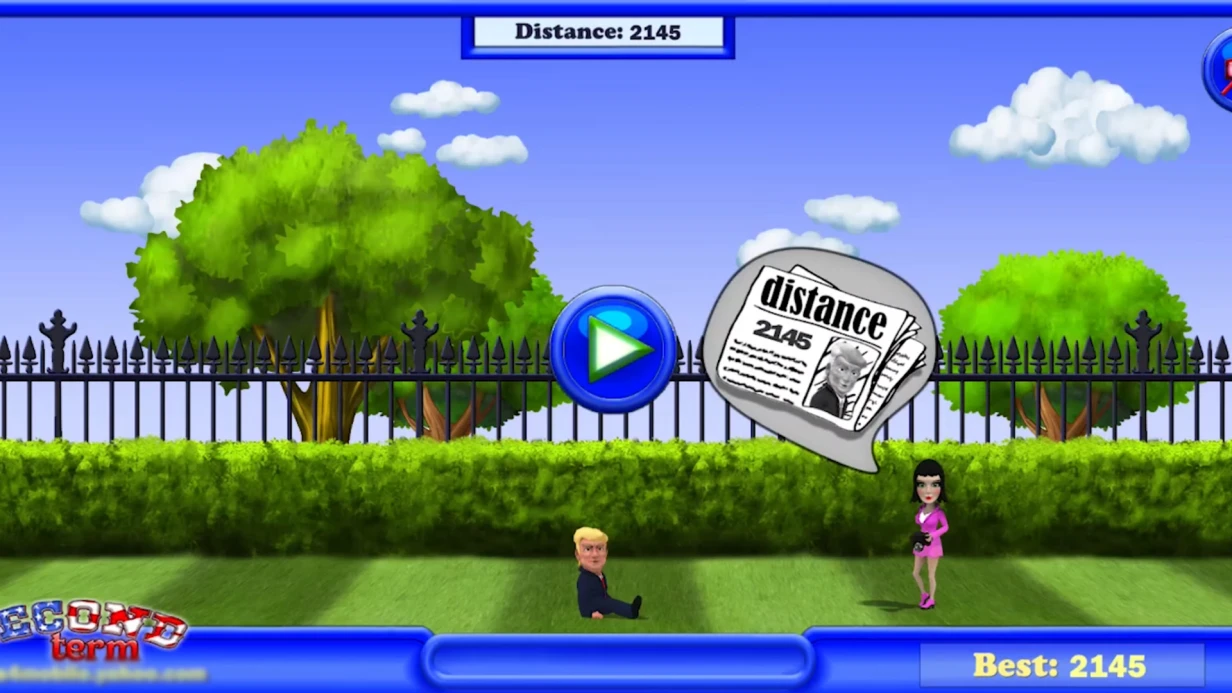
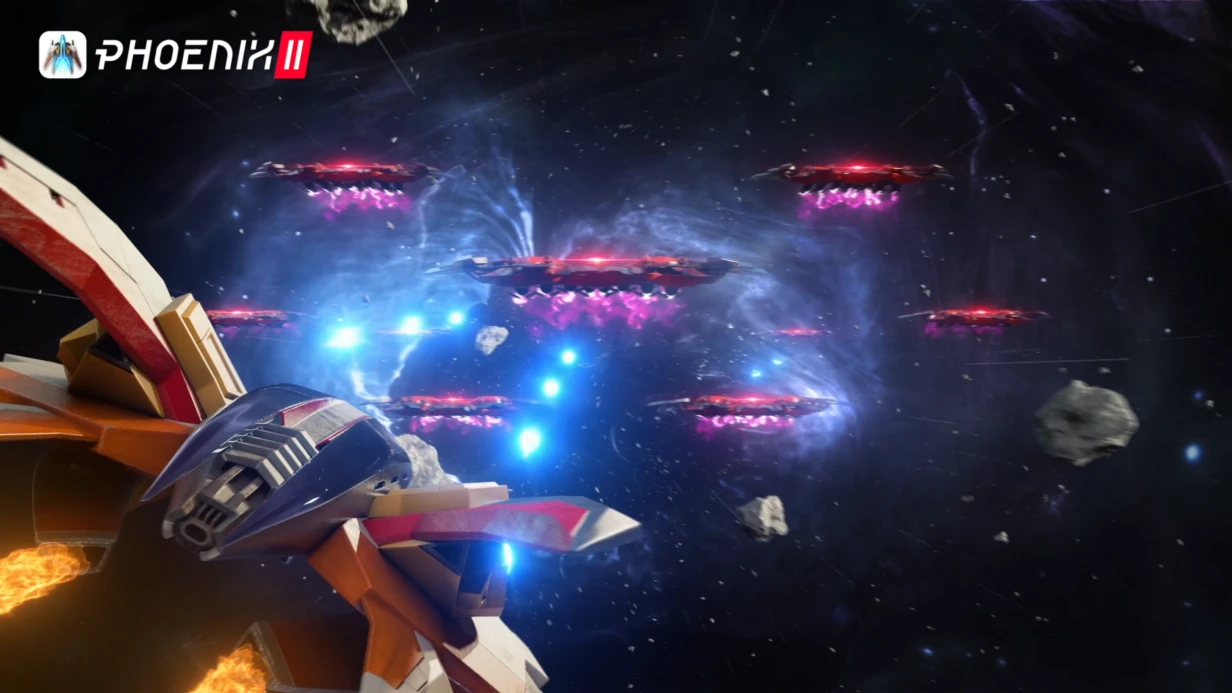
We develop games around the brand's scenario: a quest for deep immersion, an arcade for wide reach, a simulator for getting acquainted with a product.
You can compare how these formats solve brand challenges in the table below.
| Format | For whom | What it gives the customer |
|---|---|---|
| Quest | Brands with a story and values | Keeps guests for 10–20 minutes, immerses them in the narrative, creates an emotional connection and brand recall |
| Arcade | Mass events, promos, social media | Simple mechanics, quick start, high reach, competition for records, and natural social media posts |
| Simulator | Complex products and services | Lets customers “try” the product before buying, reduces concerns, increases trust and conversion to inquiries |
Each format can be scaled to the venue: from a small booth to an online game on a website and social media. In one project, we often combine a quest for event attendees and an arcade for those who are not ready to spend time on a story.
Tell us what challenge your brand needs to solve — and we will propose a game format that leads your specific audience to the desired action.
Game Development Stages: From Brief to Launch
A transparent process is the key to a predictable result. We have structured our work so that you control every stage and always understand what is happening with your brand's project: it does not disappear into a “black box” until delivery. Below is the typical path from brief to launch.
-
Brief and immersion in the task. We discuss your goal: who the game is for, what tasks it solves, and what success metrics look like. We document requirements, timelines, and scope so that everyone involved has a shared understanding.
-
Concept and mechanics. We propose a game idea that holds audience attention, educates, or entertains guests. We describe the scenario, style, and core mechanics — so you can see in advance how the game will look and feel.
-
Approval and work plan. We confirm the concept and set checkpoints and dates for intermediate reviews. You know what you will see and when, which keeps the process predictable.
-
Prototype development. We build a working prototype on a professional game engine — you can “feel” the mechanics and evaluate them before the final graphics are created. At this stage, we make the main adjustments without unnecessary costs.
-
Final build and testing. We polish the visuals, sound, and interface, and test the game on different devices. We fix errors so that everything runs smoothly and without surprises at your event.
-
Launch and support. We deliver the finished game, set up the launch, and train your team. We stay in touch after the release: we quickly make edits, update content, or extend functionality for new tasks.
What You Get Together with the Finished Game
Along with the finished game, you receive not just a file link, but a complete working package that allows you to keep developing the project and hand it over to any team. We prepare the delivery in advance so that you have the rights, tools, and support at every next step.
- Source project files — all game materials in an organized form: scenes, graphics, sounds, scripts. You are not dependent on the developer and can transfer the project to another contractor or continue development with your own team.
- Ready builds for the platforms you need — versions for mobile devices, computers, or browsers. The builds are tested and ready for installation, launch, and demonstration.
- Rights to the game and content — you receive exclusive rights to the created product to the extent specified in the contract. No disputes over the use of characters, graphics, or code.
- Technical documentation — a concise description of the game's mechanics, settings, and logic. This simplifies project launch, onboarding of new employees, and future improvements.
- Instructions for your team — clear materials for managing the game, adjusting parameters, and adding new levels or elements. Even a specialist without development experience will understand how to change content.
- Performance report and metrics — upon project completion, we show how the game performs with users: session duration, retention, and player actions. These numbers help evaluate return and plan further development.
- Post-launch support — during the contractual period, we monitor game stability and quickly fix any issues. Support continues even after the project ends, so your product is never left alone with users.
Case Study: How a Game Raised Brand Recognition by 40%
Outsourced game development is not just entertainment. For brands, it is a tool that engages customers more deeply than advertising and leaves a measurable impact. We demonstrate with a real project how a game raised recognition by 40%.
A young sports nutrition brand wanted to stand out among dozens of similar offers and build a base ahead of its upcoming launch. We created an arcade racing game for web and mobile: simple rules, 15 levels, branded locations. Within two months, the project reached all platforms — and the result exceeded expectations.
The key is in the numbers. In the first month, the game was launched more than 800,000 times, with an average session time of 4.5 minutes. Brand recognition grew by 40% compared to the control group, and every third player left contact details to receive a promo code.
The game became an entry point into the sales funnel: it drove traffic to both the website and social media.
Here is what the client's marketing director, Anna Kovaleva, says: “We expected the game to be interesting, but it generated more requests than all our contextual advertising for a quarter.
No other format has given us that level of engagement.” After that, the client ordered two more versions of the game for subsequent campaigns.
We can bring the same approach to your project: get in touch — we will discuss your tasks and estimate the timelines.
What If You Need Non-Standard Game Mechanics?
Non-standard mechanics are not a problem; they are an opportunity to make a brand stand out from competitors. Over ten years of work, we have become used to requests that are not in any catalog of standard solutions.
That is why the first step is always a conversation: you describe the goal and audience, and we propose two or three mechanic options that solve the task — not just “something that works.”
Adapting to a brand's specifics starts with understanding what the audience should feel: surprise, excitement, recognition. The mechanics are built around your products, corporate style, or event scenario. No templates — only an individual game logic that fits naturally into your communication.
Then the prototype comes into play. We quickly build a working sample, show it to you, discuss details, and adjust before significant resources are invested. This creates a transparent process and confidence that the final result will match expectations. After approval, we refine the mechanics: polishing balance, speed, and user-friendliness.
In the end, you get a game that guests play through to the end, restart, and share results on social media. For the brand, this means increased engagement and reach without additional advertising investment.
And if later you need to change mechanics or add a new level, we will quickly make updates — the codebase remains with us and is fully documented.
So a non-standard request is a signal that you want to be remembered. Come to us with your challenge, and we will design and build the mechanics for your brand — without compromising on quality or deadlines.
Answers to Common Questions About Ordering a Game
Customers most often ask about timelines, budget, and what happens after launch. We answer these questions directly so you understand how we work before negotiations even begin.
How long does it take to develop a game for a brand?
The timeline depends on the format you choose: a simple mechanic with one or two screens is assembled faster, while a full-fledged game with a story and levels requires more time.
At the first brief, we set the deadline and a step-by-step work plan — you always see where the project stands.
We usually present a demonstrative prototype within the first few weeks and deliver the final version with time to spare before your event. Delays are rare: we deliberately build a buffer for testing and revisions.
How is the project budget determined?
The budget consists of three components: the volume of game mechanics, the number of platforms (web, mobile, interactive kiosks), and the level of graphics.
You can start with a simple format and scale it later — we will advise on where it makes sense to save without losing quality.
All calculations are recorded in the estimate before work begins. You will not receive an invoice with unexpected additional charges: if new tasks arise during the process, we warn you in advance and agree on changes.
Do you support the game after launch?
Yes, we stay in touch after the game is released. We will fix bugs, adapt to new browsers, or update content for your next event. Many clients return a few months later to add new levels or change the design.
The warranty period is part of our standard contract, but even after it ends, you can count on consultations. For regular clients, we offer a separate maintenance plan.
How do you guarantee quality and security?
The game goes through several testing stages: within the team, on different devices, and with a focus group. Before launch, we test the load so the game does not freeze even under a large flow of visitors.
User data remains protected: we configure the server side so that only anonymized statistics are collected for your reports. The source code and materials remain with you after the project — you can use them for any other purpose.
What do you need from us to get started?
The minimum is a brief and examples of your visual style. We take care of everything else: scenario, mechanics, design, programming, and publication on your platform. Your managers are only involved at the acceptance stage.
If you are not yet entirely sure which format fits your brand, we will send you references for games in your niche and propose two or three concepts to choose from.
If you still have questions — write to us. In 15 minutes, we will discuss your project and give you an idea of timelines and budget.Order Game Development for Your Brand Today
Your brand is ready for a game — you just need to take the first step. We handle all development: from idea to launch, and you get a ready-made tool for attracting customers and increasing recognition. Leave a request — and the next day you will know how a game can fit into your marketing strategy.
After your inquiry, you receive:
- A clear project plan: timelines, stages, control points — no fog and no surprises.
- A budget estimate aligned with your request, broken down by stage.
- A personal curator who stays in touch throughout the project.
- A game format selection tailored to your goals: promo game, quiz, quest, or corporate entertainment.
- Examples of our work in your niche and an estimated reach calculation.
- A guaranteed fixed price: the final cost will not change during the process.
We work remotely with studios and brands around the world — you do not need to visit our office or approve small details in person. The process is designed so that you see results at every stage and can make edits without losing time.
Development for a brand is not just a game: it is a way to increase interaction time with your product, build a contact base, and give customers a reason to mention you on social media. The sooner you start, the sooner you get these results.
Order a game today — we will take care of the rest. Write to us, and we will send you a questionnaire; within two weeks, we will show you the first prototype.