




Exam Prep Centers Are Losing Students — How to Fix It?
Preparing for the Unified State Exam is a multi-month marathon, not a sprint. Students come in motivated, but by mid-year they're increasingly skipping classes, putting off homework, and losing engagement.
Each such student means not just a lower average score, but also the risk of them leaving the center — an outcome you've already paid for through advertising and teachers' time.
The problem isn't knowledge — it's attention retention. Regular lectures and tests read as routine, especially next to the short videos and games teenagers are used to.
As a result, even strong teachers can't compete with external distractions, and group performance drops as the most promising students burn out.
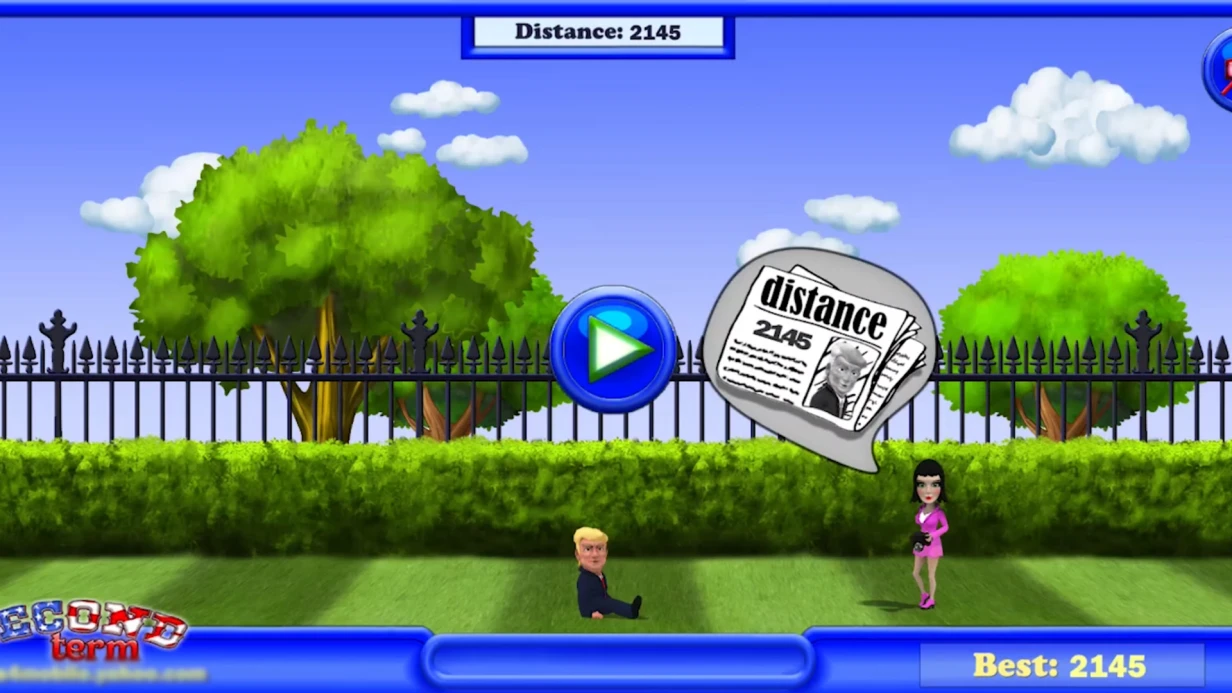
Educational games are a tool that restores motivation without changing teachers or the curriculum. When a student works through tasks in a quest or competition format, natural interest kicks in: they want to beat a hard level, get a result, overtake an opponent.
It's the same exam prep process, but with the emotional involvement that keeps students engaged two to three times longer than classic test reviews.
We help exam prep centers develop such games — from 5-minute warm-ups to full-fledged trainers for whole exam sections. The game mechanics integrate into your program without breaking it, making classes more dynamic.
As a result, the center retains students through the end of the year, improves their scores, and earns word-of-mouth referrals from students who actually enjoy learning.
What You Get from Educational Games for Your Center
Educational games are not entertainment for the sake of ticking a box — they're a tool for three key priorities of any exam prep center: higher academic performance, stronger loyalty, and less routine workload for teachers.
Game mechanics hold students' attention and draw them back to the material, so group results grow noticeably.
Key Benefits
- Stronger loyalty. Games turn exam prep into an engaging process. Parents see the involvement, and word of mouth brings new students.
- Higher academic performance. Material is reinforced in action: a mistake becomes part of the story, not a source of stress. Knowledge is retained more firmly.
- Time savings for teachers. Automated checking and ready-made mechanics free teachers from routine — they can see each student's progress at a glance.
- Center recognition. A unique game is a feature you can showcase at open lessons and on social media. It sets the center apart with zero advertising budget.
Popular Formats
Our team develops games for the specific tasks of each center. The most commonly requested formats:
| Format | For Whom | What It Delivers |
|---|---|---|
| Subject mini-trainer | Students in grades 10–11 | Quick revision and gap diagnostics |
| Quest-based learning | Exam prep groups | Whole-group engagement, lively classes |
| Exam simulation | Applicants and parents | Less stress, familiarity with the exam format |
Each format is adapted to your program and brand, giving you a tool that's easy to integrate into the schedule and use to attract new students.
Game Solution Formats for Unified State Exam Prep
Every prep center knows: even a strong program won't work if a student loses motivation. Repetitive tests and notes stop holding attention, and pre-exam revision turns into a chore.
Game formats fix exactly that — they bring in competitive interest and give instant feedback without changing the learning content.
We build educational games on Unity, tailored to your curriculum and students' level. Below is a format comparison to help you choose what suits your groups.
| Format | For Whom | What the Client Gets |
|---|---|---|
| Task trainer | Students with topic gaps | Independent practice, visible progress for each task type |
| Unified State Exam simulator | Graduates in the final stage | Less stress, getting used to the format and timing |
| Team quiz | Groups that need motivation | Engagement, easy revision of material |
| Story-driven quest | Long-term programs | Sustained interest, deep immersion in the subject |
| Home trainer | Students who miss classes | Students catch up with the course; the center sees the stats |
Formats combine easily: a trainer for regular classes and a simulator for the month before the exam. We'll pick a solution for your task and deadlines — you'll get a game that improves student results and saves teachers' time.
How Game Development Works: Stages and Timelines
Every exam prep center faces the challenge of keeping students engaged and showing parents real results. A Unity game solves both — but it's important to understand the workflow so you don't miss deadlines and get a product that truly works toward your goals.
We've built a transparent process: you always know what stage the project is at, what's already done, and which decisions have been made. No magic, no long pauses — just clear steps from the first brief through launch and beyond.
- Brief and immersion. We get on a call and you tell us about your goals: which subject the game is for, how many students will play, what scenarios you need. The output is a technical specification that both sides can understand.
- Prototype and concept. We show what the game will look like and how it will work: key mechanics, style, and task structure. You see the future product before full development begins, not after.
- Design and content. We develop the visual style and interface and fill the game with tasks and questions from your materials. You receive interim versions and can submit edits at this stage — it's cheaper and faster than redoing finished work.
- Development on a professional stack. We build the game on a current version of Unity, setting up logic, student progress, and adaptation for different devices. For you, this means stable operation without freezes or glitches at the most critical moment.
- Testing and debugging. We test the game across different scenarios, from first launch to long sessions, and fix any defects so students never hit technical issues.
- Launch and team training. We hand over the finished game and help connect it to your website or learning platform. We train center administrators so they can manage content and assignments on their own.
- Support and evolution. We stay in touch after launch: updating tasks, refining features for new exam formats, and ensuring the game runs correctly on all devices.
Timelines depend on scope: a simple training game for one subject takes 3–4 weeks; a comprehensive product with several sections takes up to 10 weeks.
We always state realistic timelines at the start and fix them in the contract, so you can plan the launch for a specific date — for example, the start of intensives or parent meetings.
What's Included in the Game Delivery Package for Your Center
When you order a game for your exam prep center, you receive more than just a program — you get a ready-to-use working tool that can be launched as early as next week.
We assemble the package so your center doesn't depend on the developer: clear instructions, documents, and support — not a bare file.
- Turnkey game — a fully configured version students can run on computers or tablets. The game is tested, works stably, and all you have to do is add it to the class schedule.
- Staff manual — a simple guide for administrators and teachers: how to open the game, launch the right mode, and help students. Your staff will figure it out in one evening, with no technical training.
- Learning scenario tailored to your format — the mechanics are set up so students practice exam tasks, review topics, and get quick feedback. You choose which subjects and difficulty levels to include.
- Results dashboard — a convenient screen showing students' progress, completed topics, and typical mistakes. Teachers can see who needs help; the director sees the game's real impact on the center.
- Post-launch support — we remain available for the first few months: answering staff questions, quickly addressing feedback, and adding small improvements when needed. Launch happens without stress for your team.
- Materials for students and parents — short guides on how to use the game and why it matters. Parents see the value of classes; students get involved faster.
- License and documents — you receive the right to use the game at your center with no legal risks. This matters if you plan to promote the game as an advantage of your courses.
This package removes the customer's biggest fear: "they gave us a file — now what?" At the end, the center has a working tool that increases student engagement and sets you apart from other exam prep courses.
Case Study: How We Raised Student Results by 30%
Many prep centers know the picture: students come to classes but don't review the material at home and dread mock exams. Results stay flat, parents lose trust, and enrollment of new groups slows down.
We saw exactly this at the Breakthrough center: strong teachers, a well-tuned program — but student engagement began to slide after the first month of intensive exam prep.
We offered not yet another test module, but a game-based trainer built on the center's curriculum. Tasks for all exam sections were packed into a narrative with levels, rewards, and clear progress statistics.
Students weren't solving "forty problems" — they were completing a mission: an error highlighted a gap and immediately provided an explanation, while retries reinforced the material without stress. Prep stopped being a routine and became a familiar, engaging process.
In three months of using the trainer, the average score of students who used it regularly rose by 30% compared to the previous cohort. Voluntary sessions per week doubled: students returned to difficult topics on their own, without reminders from the coordinator.
Missed classes dropped from 18% to 6%, and parents saw a clear dynamic in results — this reduced complaints and strengthened the center's reputation.
The director of Breakthrough summed it up: "We didn't expect exam preparation could be this engaging. Students ask for access to the trainer even during holidays, and parents bring friends on recommendations — that's the best indicator for our business."
This approach scales: we adapt the mechanics to any subject and center format, from year-long courses to intensives. If you want your students to show stable results and bring in new clients, let's discuss your case in a short consultation.
Frequently Asked Questions About Educational Game Development
Before placing an order, exam prep center directors ask the same questions: how much does game development cost, how will it fit into the schedule, and what changes for students. We answer the key concerns so you can make a decision calmly and without hidden risks.
How much does educational game development cost?
The cost depends on the format: a compact trainer, a quiz, or a narrative game with student progress tracking. At a consultation, we document your goals and show you a transparent estimate — no hidden payments or add-ons during the process. You pay for a result measured by student engagement and growing performance.
How will the game fit into the learning process?
The game doesn't replace the teacher — it strengthens the program: it can be placed at the start of a lesson as a warm-up, used as a trainer after a topic, or given as homework. We adapt the scenario to your class format and the number of groups. Students complete levels, and you see error statistics — this helps you address gaps precisely.
How long does development take?
On average, a project takes one to two months. At the start, we agree on stages and timelines, and you see progress on each of them.
If the game is needed by a certain date — for example, at the start of a course or intensive prep — we schedule the work with a buffer and prioritize key mechanics.
What happens after the game is launched?
We deliver the game along with instructions for teachers and administrators. After the launch, we support the project: fixing bugs and helping update content when exam requirements change.
The contract specifies the warranty period and support terms — you're never left alone with the product.
If you have any remaining questions about educational game development, ask them during a short consultation. We'll analyze your scenario and prepare solution options that fit your center's budget and timeline.How to Choose a Game Format for Your Center's Goals
There is no universal game for all exam prep centers — the format must address a specific goal. If your goal is holding students' attention and diversifying routine classes, short quizzes and quests with score accumulation are a good fit.
If you need to objectively assess knowledge before mock exams, a simulator of the exam environment with per-task analytics is more effective.
Team formats with a tournament bracket develop collaboration and healthy competition within groups, while story-driven trainer games work well for practicing difficult topics at an individual pace.
Practical conditions play a decisive role: the number of students in a group, class frequency, classroom equipment, and how much time a teacher is willing to devote to game mechanics.
We also consider ease of use — the format shouldn't require long rule reading or complex setup from the teacher.
We start not with code but with a brief: you tell us about your students, challenges, and constraints, and we suggest two or three suitable formats with an explanation of what each will deliver in terms of results.
After you choose, we adapt the mechanics to your scenario so the game naturally fits into the learning process and doesn't require constant teacher supervision.
This way you get not an abstract game, but a tool with transparent metrics: how many tasks have been solved, which topics cause difficulties, and how group dynamics change.
Format selection is no longer a guessing game — it's based on your center's objectives, backed by our team's experience, and always accompanied by implementation recommendations.
Submit a Request — We'll Calculate Your Development Cost
Submit a request for game development for your exam prep center, and within one business day we'll prepare a preliminary cost calculation.
We've been working with educational projects for years and understand the key thing: you need not just "levels and points," but better material retention, motivated students, and new reasons for people to recommend your center.
That's why during the consultation we discuss both the game and how it will help you retain students and fill groups.
After you reach out, here's the clear process:
- We'll contact you within one business day and provide a consultation on the capabilities of game-based trainers for exam prep.
- We'll clarify the specifics of your program, your student audience, and your budget to offer the optimal solution.
- We'll calculate the development cost: stages, timelines, and scope of work — without hidden fees.
- We'll send a commercial proposal and launch plan in plain language, without an overload of technical detail.
- We'll show examples of similar projects and their results for clients.
- We'll assign a personal manager who will support you from the brief through launch and beyond.
Submit your request now — it's non-binding and takes a minute. You'll get a clear picture of the budget, timeline, and next steps. If adjustments are needed, we'll quickly adapt to your request.