



Clicker Game Development: How to Keep Players and Revenue
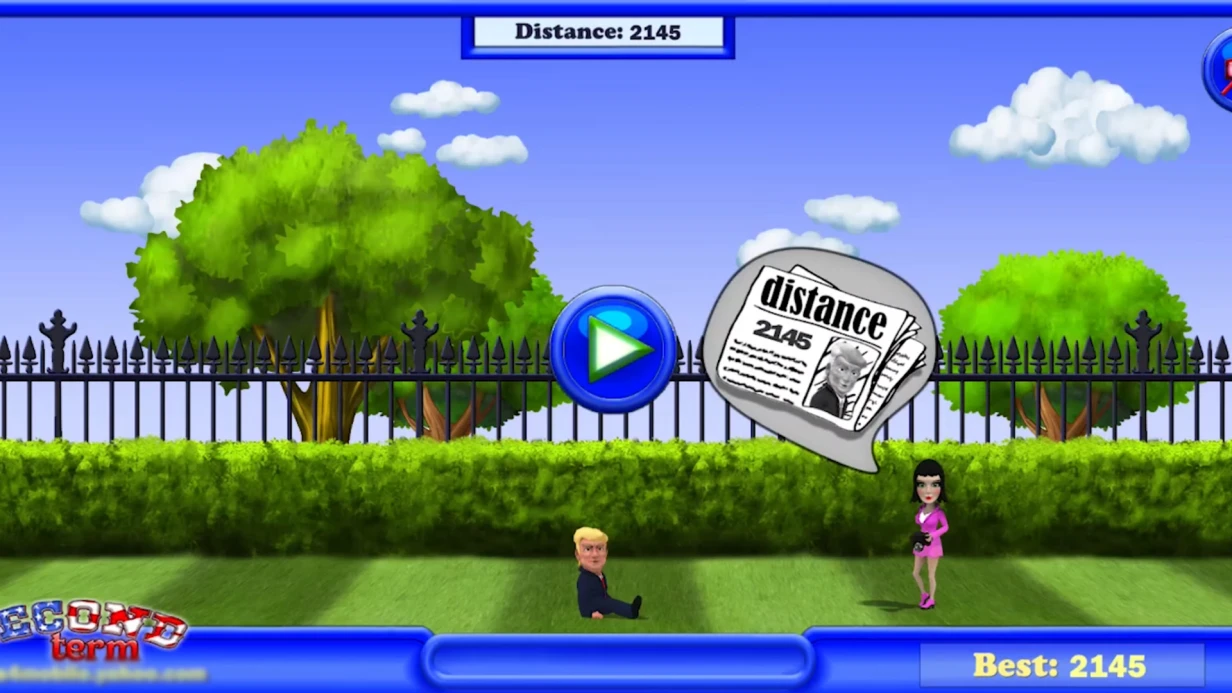
Clicker is one of the easiest genres to enter, and that is exactly why competition in gaming here is at its maximum. A player tries a new title, spends the first minutes in it, and instantly compares it with a dozen similar projects.
If the first screen fails to hook them with progress, the reward system does not click, or the interface is overloaded — they leave for competitors and never come back.
Player retention directly determines a game's monetization. In clickers, revenue is built on daily sessions: the player drops in for a couple of minutes, taps a few times, sees numbers grow, and comes back tomorrow.
Break this cycle — and even an engaged audience will stop paying. Without quality clicker game development, holding attention is hard: mechanics grow stale, the pace slows down, motivation fades, and profit drops along with activity.
At the same time, the market does not forgive long pauses. While you test hypotheses, competing studios ship updates every week. Audiences quickly switch to projects where the balance of events, rewards, and expenditures is tuned precisely.
In a clicker, details decide everything: an achievement appearing at the right moment, a well-matched bonus, or a well-priced item. Mistakes in these details cost daily revenue.
Good clicker game development is not just code — it is a system that retains the player and gently guides them toward purchases. It is work with motivation, pacing, and the sense of progress.
We help clients close these tasks: we make sure the audience stays, returns, and brings steady income without constant spending on acquiring new users.
What You Get from Outstaffing Unity Developers
Unity developer outstaffing is a way to get a working team for your project without a long search and in-house hiring. You connect specialists to your tasks, pay for actual work, and the contractor handles infrastructure, equipment, and management. For business, this means a fast start to development and a predictable budget.
Why It Benefits Marketers
Marketing for clicker games often comes down to speed: you need to quickly release a prototype, test the mechanics, and launch an ad campaign. Unity outstaffing lets you avoid waiting for hiring — specialists join the work within a few days.
You get team flexibility: you can scale up for peak tasks and scale down without painful termination procedures. You also tap into the expertise of developers who have already built similar projects and know how to avoid typical mistakes.
What It Gives Business Owners
The advantages of outstaffing for an owner are savings on hiring and infrastructure maintenance. No need to open a vacancy, conduct interviews, pay taxes, or rent a workspace — the contractor takes on all these costs and risks.
You pay for the result: for the developers' actually worked time within the project budget. Plus, you keep control over priorities: the team works on your tasks and reports to you, rather than spreading itself across other clients.
The bottom line: Unity outstaffing delivers speed, flexibility, and savings, and the team becomes an extension of your business. It is a proven way to launch a clicker game faster and with lower overhead than classic hiring.
Outstaffing Formats for Clicker Games
Outstaffing for clicker games revolves around three formats — and the key task is not "hire developers" but choosing a scheme that fits your goal. Launch speed, flexibility, and the project's final revenue depend on it.
| Format | For Whom | What It Gives the Client |
|---|---|---|
| One-off tasks | Studios and publishers that need to quickly add mechanics, refine balance, or strengthen monetization | Targeted reinforcement without expanding headcount: a cost-efficient way to get results for a specific task |
| Dedicated team | Products with a growing audience that need regular updates and live analytics | Your own group of developers managed by your producer: content release speed without hiring and onboarding costs |
| Full cycle | Business owners who want to launch a clicker game from idea to release | A finished product with tuned balance, analytics, and monetization — you get an asset that generates revenue |
How to Choose a Format
If the game already exists and there is a clear development roadmap, one-off tasks or a dedicated team are enough.
If the product is still only on paper and you need a contractor for game projects, take the full cycle: we cover all stages — from mechanics design to store publication.
In any format, you communicate directly with the team, see intermediate results, and influence priorities. This is the fundamental difference between outstaffing for games and classic task handoff: you keep control, and we are responsible for achieving business metrics.
How a Project Looks from the Client's Perspective
A clicker development project is a structured process of six steps. You don't need to dive into technical details: it is enough to make decisions at key checkpoints. That way you get a result without surprises and under control.
Project Stages
-
Development brief. We lock down the idea, audience, mechanics, and success metrics. You set the task, we propose solutions.
-
Plan and timeline. We prepare a step-by-step plan with stages and deadlines. You see the scope of work and the completion date for each part.
-
Stage approvals. You personally approve every important step. After each stage — a short demo so you can see the result.
-
Implementation. Development proceeds under our control. You receive progress reports, timeline control is built into the process — delays are visible in advance.
-
Launch. We publish the game, check stability, and hand over the source code and rights.
-
Support. After release, we stay in touch: we fix bugs and add updates.
The Client's Role
You own the goals and priorities; we own implementation and deadlines. Communication happens via messenger: you get short reports after each stage and can influence the outcome before the work is finished. No confusing diagrams — only clear statuses and deadlines.
That way you always know what stage the game is at, what has been done, and what comes next — and you pay for the result, not for development hours.
What Is Included in the Outstaffing Deliverable
We designed outstaffing so that you get not just a developer but a manageable result. All work is transparent, the rights to the code are yours, and the process does not stop because of vacations or illness. Below is a checklist of exactly what the service includes.
Deliverables
- Source code and documentation. All written code is handed over to you with clear technical documentation. You are not dependent on a specific programmer — the team can change without losing momentum.
- Project reporting. Once a week, you receive a summary: what was done, which tasks are in progress, what is planned. No vague "we're working" — only clear metrics and statuses.
- Quality guarantees. Every module is verified before delivery. If something doesn't work correctly, we fix it at our expense within the agreed timelines.
- Rights to the result. All agreements are fixed in the contract: rights to the created code and materials transfer to you. You can use them for any purpose, including selling or passing them to another team.
- Post-delivery support. After a stage is completed, we stay in touch: we help with integration, answer questions, and promptly fix any found issues. This is not "delivered and forgotten" but full-fledged support.
- Access to working tools. You get access to the task management system, repository, and shared chat — you see the process in real time, not just the final results.
Engagement Formats
We adapt the model to your scenario: hourly payment for targeted refinements, a fixed stage for a defined scope, or a dedicated team for a long-term product. In any case, the set remains the same — you get code, documentation, reporting, and support. The difference is only in volume and billing method.
The Bottom Line?
You are not buying "a developer's hour" but a predictable result: a working clicker, clear reporting, and confidence that the product will not lose quality after release.
That is why our clients come back for new projects — they don't need to double-check every detail, everything is already packaged.
Case Study: Clicker Game Development for a Client
One of our clients — a mobile game publisher — faced a tight launch window: the clicker niche was opening up, while their own developers were busy with other projects.
Delay meant losing market share to competitors, so the game had to be released in two months, within a limited budget and without breaking the project's economy.
Our team assembled a dedicated group for the task: a producer, two developers, and an artist. The client got the full cycle — from prototype to release — and we took on the economy balance, the first levels, and the analytics system.
We worked in short iterations: every week we showed an intermediate build, discussed changes, and immediately made adjustments. In two weeks, the first playable versions were ready, and by launch time the game had passed all store reviews.
Project Results
Two months after release, the clicker entered the genre's top 10 and stayed there for over three weeks. Key metrics improved: day-2 retention rose by 27%, day-7 retention by 14%, and revenue from the update grew 2.3 times.
Much of this was the result of monetization experiments we ran in parallel with development. We now support the project: weekly content and event updates help the game stay visible in search results.
Client Testimonial
"The team did what we didn't expect from a contractor — they took responsibility for the result. They dug into our economy and suggested several solutions we hadn't considered.
The game launched on time, metrics are growing, and we got not just 'hands' but a team that thinks about the product together with us."
How to Choose the Right Format for Your Task?
The engagement format should be chosen not by its name but by three criteria: timeline, budget, and project goal. If the launch is needed in a month and you have no in-house development team, it is simpler to bring in ready professionals through outstaffing.
If the budget is limited and you want to keep full control over the process, a dedicated team working strictly under your management fits better.
For clicker games, the main task is to quickly ship a working prototype, check metrics, and iteratively improve the product. So we advise clients to start with a minimal set of mechanics rather than building everything at once.
That way you see the real project economy before investing serious money and can change direction in time.
Look at the studio's experience in your niche. We have been developing clicker games on Unity and C# for over 10 years, so we know which mechanics keep players engaged and which turn into unnecessary costs.
At the brief stage, we will propose the optimal format ourselves — outstaffing individual developers or a dedicated team — based on your timelines and goals.
The main advice: don't give in to the temptation to order a large feature set right away. First, close the basic economy — monetization, retention, the progress loop. Everything else can be fine-tuned after launch. This saves the budget and speeds up time to market.
If you're unsure, start with a consultation. Within two days, we will assess your task, propose a suitable model, and state the timelines. You get an objective picture and can make a decision without pressure or empty promises.
Frequently Asked Questions About Working with a Contractor
Clients hesitate when they hand over clicker game development to outstaffing: will the code turn out "disposable," who will own the rights to the game, and what happens with support after release.
These are the right questions — the answers determine whether you can calmly grow the project and attract new users.
We are a team providing Unity developers on C# for games for 10+ years, and we have built processes that close these risks. Source code, rights, and support are fixed in the contract, and the team stays in touch after launch. Below are answers to the questions we get most often.
How do you guarantee code quality?
We work by game development standards: clear code, comments, regular reviews. You get source code that is easy to extend. This saves budget on rework.
Who owns the rights to the game?
All rights to the project, code, and mechanics transfer to you after payment. We do not use your work in other projects. The contract protects you.
What happens after release?
We don't disappear after launch. We are ready to fix bugs, add mechanics, and update the game to meet store requirements. Clients usually stay with us for the next versions.
If you have your own questions left — ask them before the start, and we will prepare a detailed answer for your project.Ready to Start? Leave a Request for a Consultation
A consultation request costs nothing, but it saves weeks of searching for contractors. We will call you back within one business day, discuss your idea, and immediately propose concrete steps — from the first brief to the clicker game's release.
After your inquiry, you will receive:
- A cost estimate for your project — no hidden fees or "surprises" at the end of the month.
- A work plan and realistic timelines: you'll know when the first playable version will be ready and when the release happens.
- A team lineup for the task — experienced Unity developers on C#, testers, and a game designer if needed.
- Monetization and player retention recommendations — we make sure the clicker game pays off.
- Guarantees: we fix the stages in the contract, you see progress at every sprint, and you can make changes along the way.
The sooner we start, the faster your product reaches the market and begins generating reach and engagement. Even if the project is still only in your head — tell us about it, and we'll advise how to implement it with minimal risks.
Don't put it off: leave a request for a consultation, and we will discuss your project, choose an engagement format, and show you what working with us looks like. It comes with no obligation.
Contact us in any convenient way — or simply send a request, and we will get back to you with specifics. Let's start the partnership with a clear plan, not promises.