



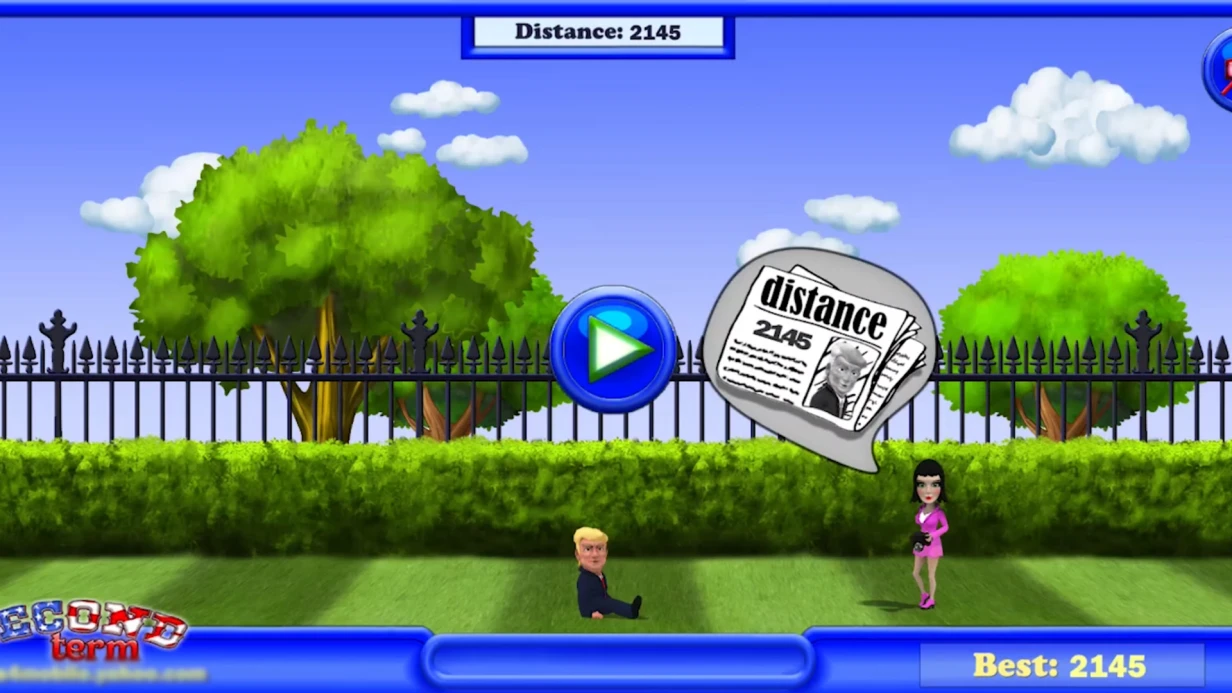

The hyper-casual market does not forgive delays
Every week of development in hyper-casual costs a lot. Trends live for weeks, not months: while a game is being polished to perfection, the audience switches to a new mechanic, and ad networks switch to fresh creatives. A game released two weeks later loses a significant share of installs and revenue.
Competition in hyper-casual projects is ruthless: thousands of new games appear every week, and only a few make it to the top. What matters is not polishing but the speed of hypothesis testing.
Publishers expect fast prototypes, short iterations, and responsiveness to metrics — if the team falls behind, the project gets shut down and the budget doesn't pay off.
That is why, for a business owner, development speed is the main indicator of a contractor's reliability. Outstaffing Unity developers on C# lets you assemble a team for hyper-casual in a week, not months.
Specialists hit the ground running: processes and tools are already fine-tuned across dozens of game projects. All time goes into the game, not setup. You get a predictable result in tight timelines.
We have been through dozens of hyper-casual launches and know the value of each week. Short cycles, rapid version releases, constant alignment with your producer — that's what work looks like when the market doesn't forgive delays.
You get a partner who shares responsibility for deadlines and launches the game on time while the demand wave is still high.
What you get with an experienced team of Unity developers
Experienced Unity developers are, first and foremost, predictability and quality you don't have to worry about.
In hyper-casual projects, where release speed matters a lot, it's important to get not just a working game but code that won't fall apart a month after adding new levels. Good architecture is the key to making every subsequent iteration simpler and faster.
Code quality directly affects game metrics. Stable performance without crashes and freezes improves player retention and purchase conversion, and therefore revenue per user.
An experienced team knows how to optimize the game for low-end devices so the audience doesn't leave on the first screens.
Timelines become predictable too. Professional developers don't waste time on rework; they get it right the first time — this reduces time to market and lets you run ad tests in app stores sooner.
At the same time, streamlined processes and transparent communication give you full clarity on when the project will be ready.
Stability is not only about code, but also about collaboration. You get a team that independently drives a task from brief to release, regularly shows results, and responds predictably. That means you can plan budget and resources without fear of missing critical deadlines.
Ultimately, with an experienced team of Unity developers, you get not just lines of code, but a solution to your business challenges: growing metrics, faster releases, and peace of mind about quality.
That is exactly what allows you to achieve consistent results in the hyper-casual segment and stay ahead of competitors.
Engagement formats: outstaffing, turnkey, support
The choice of engagement format determines how quickly you get results, how much control you keep, and what budget you allocate for development.
The same hyper-casual project can be developed through outstaffing, ordered entirely turnkey, or handed over for ongoing support — the key is to match the model to the current stage of the product and your team's capabilities.
| Format | For what tasks | What you get |
|---|---|---|
| Outstaffing | Strengthen your current team under growing workload or handle a focused task | Developers integrate into your process, work on your tasks under your management |
| Turnkey development | Launch a new hyper-casual project quickly when you don't have an in-house technical team | Release-ready product with clear documentation and source code handover |
| Project support | The game is already in production; you need updates, fixes, new mechanics | Regular releases, metrics control, and peace of mind about product stability |
If you have product managers, analytics, and art, but lack Unity developers specifically, outstaffing fills the gap without spending on search and hiring. You get a specialist on your team, manage their priorities, and pay for actually worked time.
This is convenient when the workload fluctuates: today you need one release, tomorrow three experimental builds.
Turnkey development is an option for companies that want to launch a hyper-casual project without in-house development. We handle the entire cycle: from prototype to project handover.
The outcome is a publishable game and clear documentation so any of your teams can continue the work. The same format works if you want to bring the project to market and build your own team for it in parallel.
Project support locks in the arrangement for months ahead. We monitor stability, adapt the game to new platform requirements, and ship updates quickly. This lifts the operational burden from you and lets you focus on marketing and monetization.
For long-term engagements, it's possible to move developers onto your in-house team — we'll discuss this at the brief stage.
How we launch games: stages of cooperation
We understand that what clients care about most is predictable timelines and budget. That's why our game launch process is transparent: from brief to release and technical support, you see at every stage what's happening and what results have already been achieved.
- Brief. We gather requirements: platform, timeline, key mechanics, audience expectations. The output is a clear work plan and an estimate with no hidden line items.
- Alignment. We approve the plan, stages, and definition of done. You get checkpoints and know what will be delivered and when.
- Development. The team of Unity developers implements mechanics and interfaces. We send intermediate results for feedback — you influence the project before the finish, not after.
- Testing. We test the game on real devices and fix bugs and crashes. It's important that the release goes smoothly for users.
- Game release. We prepare the final build, hand it over to you, or help with publishing. We also optimize the app store page so installs grow from day one.
- Technical support. After launch we stay in touch: we monitor metrics, fix bugs promptly, and release updates. This keeps the project stable and helps retain players.
This process removes unnecessary questions and risks. You know in advance what you are paying for and can assess progress at any time. The result is a game that ships on time and continues to benefit your business after release.
What's included in the delivery: a complete package for your business
When you order outstaffing of Unity developers for hyper-casual projects, you get not just lines of code but a working asset: source code, rights, documentation, and transparent reports.
That means after the contract ends you are not dependent on the vendor — your team can continue the work or hand the project to other specialists without losses.
Here's what's included in the delivery:
- Source code and rights. All work product is yours: the code can be transferred, modified, or developed without us.
- Documentation. Architecture, launch instructions, guides for adding levels and mechanics.
- Progress reports. Statuses, timelines, risks, and suggestions — you control the process.
- Tool licenses. We confirm the legality of libraries and assets so there are no surprises.
- Test builds and protocols. Run the game yourself and verify everything works before release.
- Version control access. Change history and the ability to continue working in the same system.
- Final recommendations. Analytics and ideas for optimization and monetization — growth in retention and revenue.
The package includes everything needed to develop the project independently and launch with confidence. You get a transparent process, protected rights, and ready-made tools for growth — that's what full-fledged outstaffing for hyper-casual games looks like.
Case study: how we accelerated development of hyper-casual projects
For many hyper-casual studios, the main challenge is speed: you need to quickly test a hypothesis, launch a prototype, and get data. If development takes months, the market moves ahead and the test budget burns up.
How we accelerated development
A studio called HyperPocket reached out to us — they were making casual games, but their internal team couldn't keep up with all the tasks. The product manager spent more time coordinating than analyzing metrics. We assigned five Unity developers who worked on their tasks in an outstaffing model.
Thanks to streamlined processes and ready-made assets, we cut the prototype creation cycle from six weeks to three. In six months, the studio shipped 14 prototypes instead of the planned 8.
Some of them immediately showed strong retention metrics — the team could select promising projects faster and avoid spending budget on weak ones.
The result
The main thing the client highlighted was predictable timelines and code quality. They didn't have to redo work or wait two weeks for a response. We also set up analytics to see player behavior from the first days of testing.
In the end, the studio achieved a steady release of three games per month instead of one, and after the contract ended, they came back to us for more projects. This is not one-off help but a long-term partnership.
If your development process is bottlenecked by a lack of hands or slipping timelines, take a look at how outstaffing solves this.
How to choose a development format for your task?
The choice between outstaffing and turnkey development comes down to one question: what exactly do you need to control, and what resources do you have in-house.
If you already have a team and need a couple of extra hands for a specific task, outstaffing gives you flexibility and speed.
If the project doesn't exist yet even at the concept level and deadlines are tight, it's safer to trust the process to a team that is responsible for the result from the first screen to publication.
Outstaffing makes sense when you manage the product yourself and have your own tech lead or producer. We provide a developer with the right skills — you set tasks, control delivery, and scale the team as you grow.
This is convenient for studios that already have a pipeline and processes, but lack hands for peak workloads.
We recommend the turnkey format when your main goal is to quickly release an MVB and test a hypothesis on the market. In this case, we take on the entire cycle: from game mechanics and balance to analytics and release.
You get a working product by the agreed deadline and a clear estimate without having to dive into technical details.
Expert tip: start by defining the control point. Answer who on your team makes decisions about game design and metrics — if there is no such person, turnkey will be faster and more cost-effective per result. If there is, outstaffing will let you grow the product and keep expertise inside your business.
We work in both formats and will help you choose the best one for your task. Write to us — we'll review your project, assess the scope, and propose a model that saves both budget and nerves.
Concerns before you start: answering your questions
When choosing a development partner, you mentally run through scenarios: what happens to the code if the team doesn't click? Who is responsible for deadlines? How do you establish communication with remote developers? These doubts are natural — behind them is a desire to protect your product and investment.
So below are short answers to the questions most often asked in outstaffing: code safety, guarantees, communication, and confidentiality. No technical details — only what affects a client's peace of mind.
How are the project code and data protected?
We sign an NDA before work starts, and the contract states that the code, art, and documentation fully transfer to you. Access to the repository is granted only to project participants and is revoked immediately after tasks are completed.
For us, a code leak means a lost reputation, so access rights are set up at the infrastructure level and don't drift as the project progresses.
Who is responsible if a developer gets sick or wants to leave?
You work with a company, not a hired individual. If a developer drops out, we quickly provide a replacement of a comparable level — the project doesn't stop.
Payment is made for hours actually worked, supported by closing documents, so the risk of losing money on prepayment is eliminated.
How does communication between you and the developers work?
A manager is assigned to you and is available in work messengers during business hours. Once a week we send a short progress report, and each stage is completed with a demo version.
You always know where the project stands and can contact the developer directly for urgent questions.
What if an intermediate result isn't satisfactory?
We start with a technical specification block and a prototype — this lets us align on the vision before large-scale development begins. At every intermediate checkpoint you see a live version and have the opportunity to make edits.
If something goes wrong, there is a clear change management process: you log your feedback, and we address it. It's a transparent process, not a blame game.
Shall we discuss your game? Get an action plan
Every successful hyper-casual game starts not with code, but with a plan. Before investing a budget in development, it's useful to consult a team that has already launched dozens of such projects. We analyze your idea and give concrete steps — no obligations, no fluff.
What you get after a short request:
- Analysis of your concept: strengths, weaknesses, and key risks.
- An assessment of the work scope and realistic timelines to the first release.
- Recommendations on mechanics, player retention, and monetization for a hyper-casual audience.
- A stage-by-stage development plan with clear completion criteria for each step.
- Outstaffing calculation: how many Unity developers you need, for what period, and for which tasks.
- Answers to your questions from a team lead, not from a sales manager.
The consultation takes place in a convenient format — a call or messaging. In 30-40 minutes you'll understand whether to launch the project, which mechanics to strengthen, and how to avoid typical mistakes at the start.
Leave a request through the form on the website or in a messenger — we'll get in touch within one business day and schedule a conversation. As a result, you'll get an action plan you can take to investors or start development with after approval.