



Boring Graphics Repel Players: How Lighting System Keeps Them Engaged
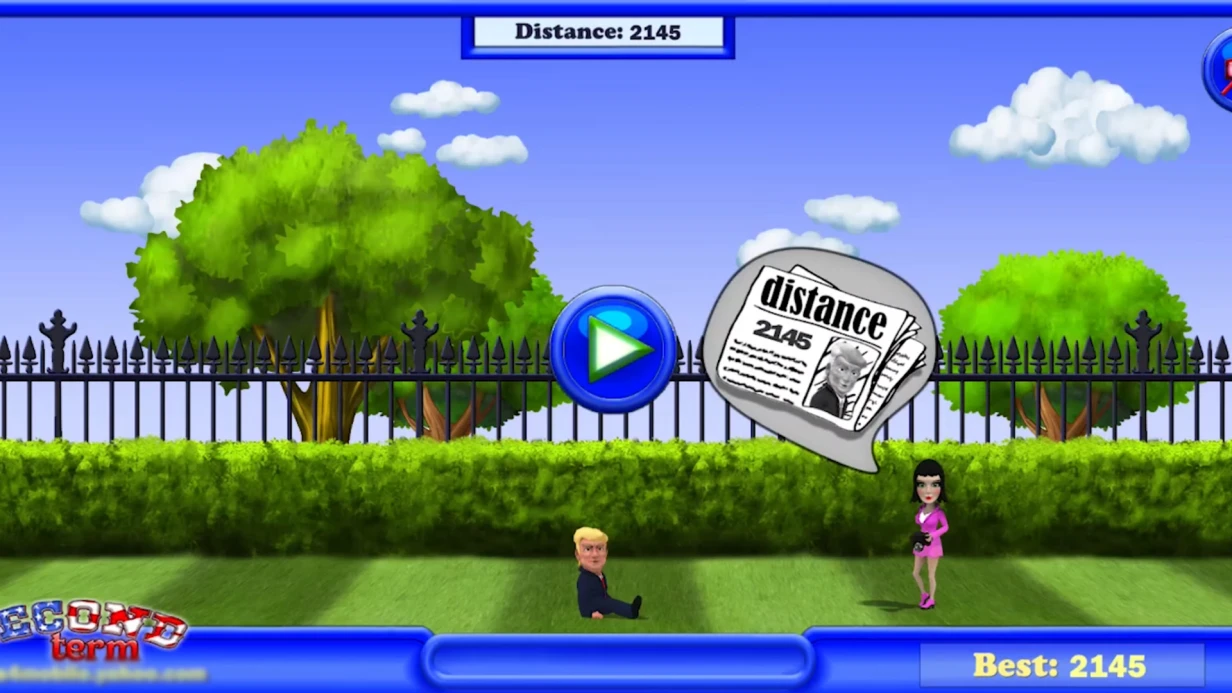
The market has thousands of games, and users judge a project within the first seconds. If the picture looks dull and flat, the player won't stay — they close the app and move to competitors.
In a highly competitive environment, the first impression is a decisive chance for repeat sessions. Visual quality today is not a bonus but a survival requirement that directly determines retention and revenue.
This is why investing in graphics is an investment with a clear return, not just spending on "nice visuals."
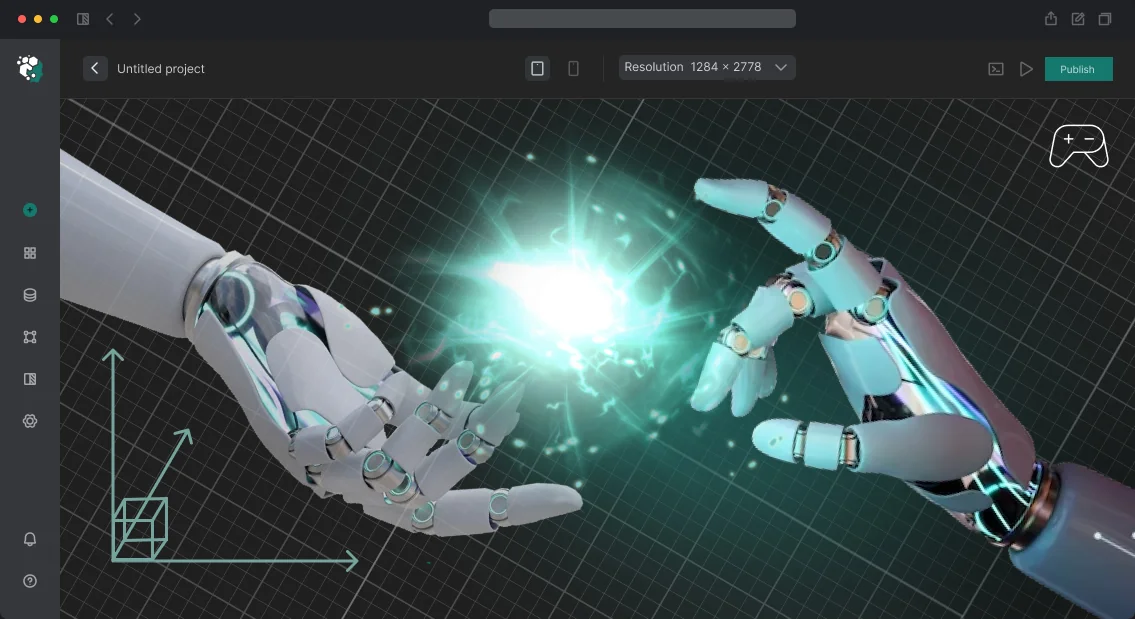
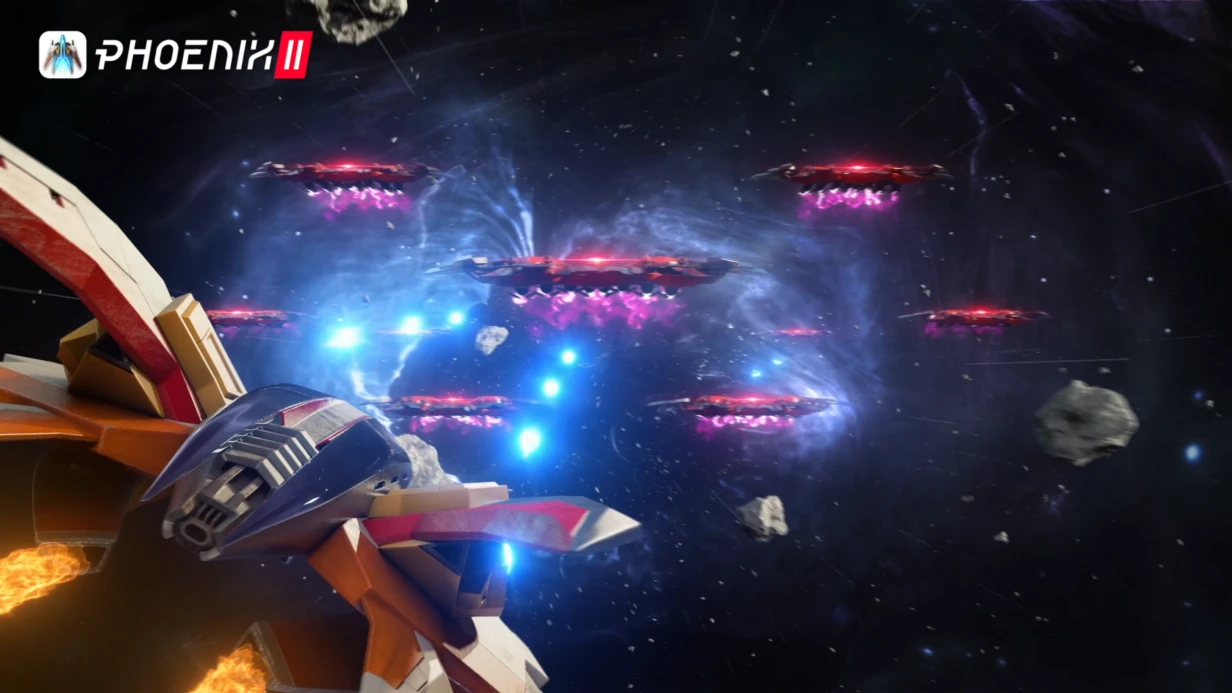
Lighting in games is the foundation of visual perception. Properly designed light creates depth, atmosphere, and mood, directs the eye to key objects, and amplifies the emotions of what's happening.
It is lighting that separates "passable" graphics from professional work and makes players return for new experiences. The emotional connection with a project is the main retention factor, and it is largely born through light.
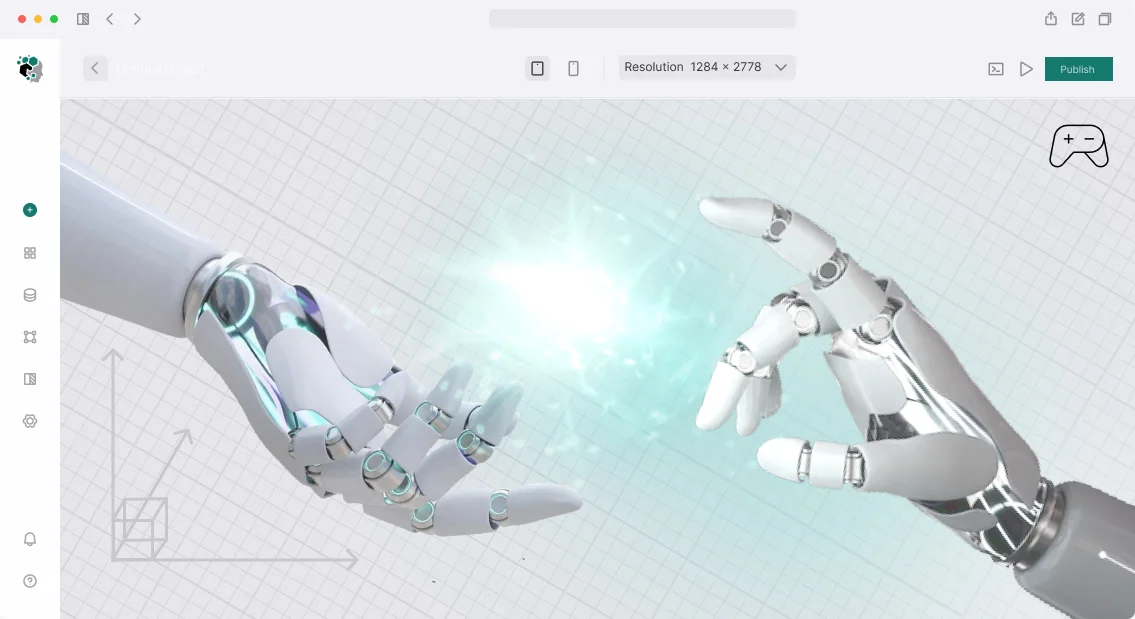
Without a proper lighting system, even detailed models and high-quality textures look inexpressive. Flat light drains the life from a scene, players feel discomfort, and subconsciously perceive the game as a cheap product.
The result is lower player engagement: sessions become shorter, and return visits decline. The average user doesn't understand the technical side but instantly reads the difference in light quality.
We solve this with the professional Lighting System, which we tailor to your project. This creates a cohesive atmosphere in every scene and achieves a visual quality that holds attention.
The result is more time spent in-game, more repeat sessions, and organic recommendations: players return on their own and invite friends.
What Professional Light Delivers: Benefits That Pay Off
Light in a game is not decoration but a tool that directly affects conversion and revenue. An image tuned through Lighting System keeps players from the first seconds: they don't "read" the interface but immerse themselves in the atmosphere.
This reduces early churn and increases session length — the key metric for which advertising platforms pay.
Light = Emotion and Engagement
Players return to a project not because of mechanics but because of feelings. Correct light creates the level's mood — anxiety, joy, anticipation of rewards — and makes players finish the game.
Projects with expressive visuals get more organic installs and collect payments better: players don't mind paying for a world they want to return to.
From a marketing standpoint, this also pays off. Beautiful light-filled frames are ready-made material for ad creatives, stories, and app store previews. You don't need to hire a separate artist for promo: the game sells itself.
Stability That Saves Budget
We work with professional equipment and polished Unity tools, so the light looks the same on different devices. The client gets a predictable result without surprises like "black screens" or performance drops. Fewer revision iterations means a faster release and lower development cost.
Quality light pays off even before launch: it shortens polishing time and reduces the number of bugs. And after release, it delivers metrics that please investors and publishers.
Head of a mobile studio about our project: "We reworked the light in key locations — conversion to payment grew by a quarter, and average session time increased by one and a half times.
Players started returning more often the next day, and we got repeat purchases without a single change to the gameplay."
VFX Development Formats: From a Pack to Full Support
When it comes to visual effects, it's important to honestly assess the scope: sometimes you need one striking effect for a release trailer, and sometimes a whole system that evolves with the game. This determines the budget, deadlines, and how our collaboration will be structured.
We offer three standard collaboration formats so you can choose the best fit for your task. All formats use a single stack based on Lighting System in Unity — this guarantees effects will work reliably in your project and adapt easily to gameplay.
| Format | Who It's For | What the Client Gets |
|---|---|---|
| Effect pack | Indie studios and developers who need to quickly solve a specific task | A ready-made set of VFX tailored to your style, rendered and animated. Pay once, use as much as you need |
| Integration into a project | Teams that already have a game and need to fit effects into existing mechanics | Effects tuned to gameplay, brightness and duration balancing, testing on different devices |
| Full support | Companies that develop a game long-term and regularly release updates | A dedicated specialist who handles all VFX tasks — from idea to release, without you getting into the details |
Experience shows: if you plan more than two or three effect iterations per year, it's more profitable to choose full support right away. You get stable quality, fast fixes, and a predictable budget — no need to find new contractors each time and bring them up to speed.
Not sure which format suits you? That's normal. Leave a request — we'll look at your project and honestly tell you where it's best to start.
Project Stages: From Brief to Launch Without Surprises
We've structured our work so you always understand what stage the project is at and what comes next. No "black box": from the first brief to launch, you get a transparent process with clear checkpoints. This approach removes uncertainty and allows you to plan the release in advance.
- Brief and audit. We record the goals, target audience, and key scenes where effects are needed. If the game already exists, we audit the current lighting and visual style.
- Concept and estimate. We propose implementation options based on Lighting System, show examples and timelines. You approve the plan — and only then we start development.
- Prototype. We create a draft version of the effects on one scene so you can immediately see the atmosphere and direction. This is a convenient way to align without extra costs.
- Core development. We implement all approved effects, integrate them into the game, and test on target devices. At this stage, you receive intermediate versions — you stay in control.
- Review and revisions. We show the final result, collect feedback, and make changes. We record all requests in a short list so revisions don't stretch over months.
- Launch and handover. We integrate the effects into the release version, help with final tuning, and hand over documentation and source files. You get a project that's easy to maintain with your own team.
- Post-release support. We stay in touch: fix bugs, answer questions about light and effects, and help add new scenarios for future updates.
What's Included in the Delivery: A Complete Kit for Your Project
When you order special effects on Lighting System, you get more than just a "pretty picture" — you get a working tool for your project. We put together a kit that developers, designers, and managers can all use without rework or lengthy onboarding.
Delivery after acceptance: all materials are structured and transferred as a single package through a convenient channel for you. Inside are sources, documentation, and examples, so you can confidently develop the effect for new tasks.
- Ready-made special effect integrated into your project — appears in the right scene and works under the right conditions.
- Source files and assets — you remain the owner of the solution and can change it at any time.
- Documentation for lighting setup and effect parameters — your specialist will understand it without the author's help.
- Integration scheme with game events — the effect triggers at the right moment and according to the right logic.
- Usage examples and test scenes — easy to see how to change the look for different situations.
- Optimization checklist — you know in advance how the effect behaves on low-end devices.
- Support during implementation — for a short period, we help adapt the kit to your project.
This approach removes risks: you don't depend on the skills of a single contractor and get clear materials for your team. It saves time on implementation and delivers a predictable result.
Case Study: Lighting System Raised Player Retention by 30%
Clients leave a game silently — they simply stop opening it after a week. Most often, it's not about the story or difficulty, but visual boredom: inexpressive light doesn't create mood, and monotonous effects quickly get old. The player can't explain why it became uninteresting but stops returning.
We encountered this in a real project for a mobile game studio. Players were massively abandoning the product at the second or third level, even though testing showed solid mechanics.
We reworked the scene lighting and special effects through our own Lighting System — without changing gameplay, only through the visual layer.
What Changed After Implementation
We measured the results one month after the update release:
- Day-7 retention grew by 30% — players began reaching key levels instead of quitting at the start.
- Average session length increased 1.8 times — the light and effects create an atmosphere worth exploring.
- Weekly return visits doubled — visual depth gave players a reason to come back to familiar levels.
- Completion of paid levels grew, and complaints about "tired eyes" dropped threefold — the light became softer and more natural, which is especially important for long game sessions.
It's worth noting: we didn't touch the balance, add new objects, or change difficulty. The effect came solely from proper work with light and frame composition.
What the Client Says
Mobile game studio that ordered the update highlighted the main thing: players started praising the graphics in reviews, even though they never mentioned it before.
According to the project's producer, "the light became the hook that holds attention — after the update, it became obvious that a 'premium' picture directly affects monetization."
For us, this case confirms a simple truth: players buy emotion, not a set of features. Proper light and special effects turn ordinary mechanics into a product people want to return to. Retention and return visit metrics rose immediately, without any additional marketing spend.
How to Choose an Effects Format for Your Project's Goals?
When the studio is small and the budget is limited, it makes sense to start with basic effects using off-the-shelf solutions.
This covers the "make it look nice without breaking the bank" task — you get neat accents in key scenes without lengthy setup or complex technical support.
If the game is the central product of your business and user retention is on the line, it's worth planning custom lighting and effects development.
In that case, every explosion, transition, or atmospheric scene works for recognizability: players remember the visual style and return for new impressions.
What Matters When Choosing
The deciding factor is not the number of effects but their connection to the gameplay mechanics. One precisely tuned accent on a reward or important event delivers more value than a dozen random "nice visuals" that distract from player actions.
An experienced team will suggest the right balance: where standard solutions are enough and where a unique approach is needed.
We help you make the decision within a couple of meetings: we look at your scenarios, show examples for different budgets, and explain what affects what.
You get a transparent plan — what the result will be, how long implementation will take, and how the effects will influence player perception.
Common Doubts: Answers Before Work Starts
Before starting VFX work in Unity, clients usually worry: will we guess the style wrong, miss the deadlines, or get a result that's "not right." So we address the main doubts before the contract is signed.
What if the chosen Lighting System style doesn't fit our project?
Before we start, we show 2–3 effect options on your scenes or references. You see how light and particles look in-game, and only after the style is approved do we begin full development. This approach removes the "we guessed wrong" risk while nothing is lost yet.
How do you guarantee that effects won't lag on low-end devices?
We agree on target platforms in advance and test Lighting System performance on mid-range devices. We optimize the graphics settings so the picture stays vivid and the frame rate remains stable. You get special effects that don't overload the device or spoil the game experience.
Didn't find your concern? Write to us — within one day we'll prepare a work plan with clear deadlines and costs.Order VFX Development: Get Light That Sells
Light is not a technical detail but a language through which a brand communicates with visitors before they even get to know the product. Proper lighting creates atmosphere, guides the eye, and helps make decisions: approach, look closer, photograph, buy.
When you order VFX development, you get not just a "pretty picture" but a working sales tool. We configure Lighting System to the event's goals — from the overall mood to a focus on a specific product. Light starts to manage the attention of guests, not just illuminate the venue.
This saves your team's effort: no need to search for contractors, control installation, or figure out why everything looks different on the day than planned. You get a ready-made solution that's easy to manage without involving technical specialists.
What you receive after ordering:
- Light that strengthens the brand: signature colors and a recognizable atmosphere from the first second.
- Accents that guide guests to the right zones — product, stage, photo area, bar.
- Ready-made lighting scenarios for each stage of the event: from the business part to the celebration.
- A clear guide on how your team can control the light in real time.
- Marketing materials: striking frames and videos that continue to generate reach after the event.
- Support on the day: we arrive, set everything up, and are responsible for the result.
Relying on professional equipment and the experience of dozens of projects, we guide you from idea to launch. All you need to do is accept the result and watch the light work for your goals.
Send a request for VFX development, tell us about your task — we'll send a plan, timeline, and proposal tailored to your situation.