

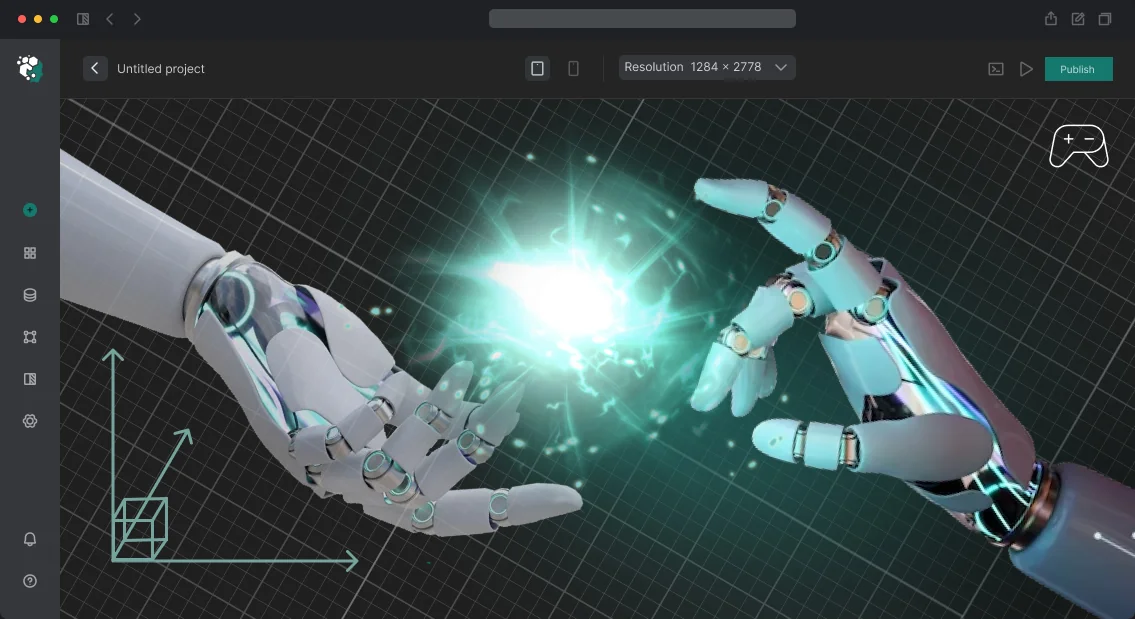


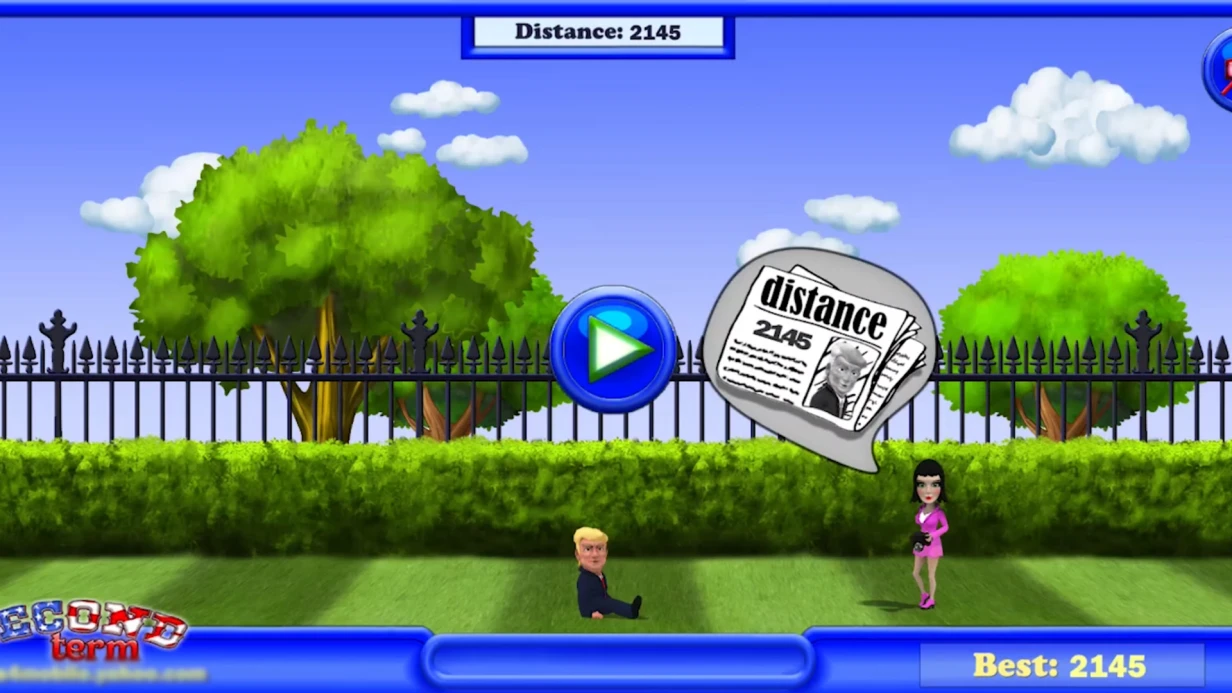
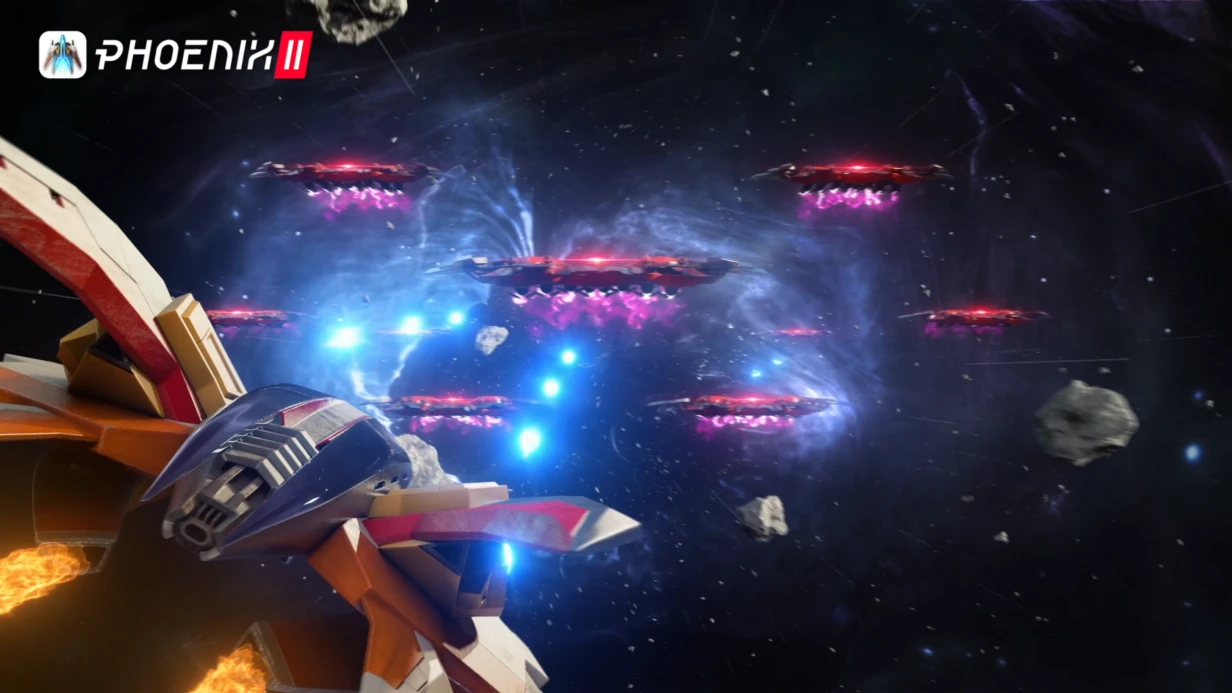
Does your game look flat? Particle System — the foundation for special effects
Does your game look flat? More often than not, the problem isn't level design but a lack of visual dynamics. Players can tell "expensive" from "cheap" within the first seconds, and special effects play a decisive role here.
A static scene gets tiresome, even if a strong team of artists worked on it. In-game special effects — fire, explosions, magic, dust particles in the air — bring the world to life and create the emotion that keeps players around. This applies to casual projects and large RPGs alike: without dynamics, there's no immersion.
Particle System is a professional VFX creation system in Unity that we use in every project. It allows you to control tens of thousands of particles simultaneously, defining their movement, shape, color, and behavior.
As a result, every gameplay moment gets a response: a hit sparks, a spell swirls, an explosion scatters debris. The player doesn't think about the technique — they simply feel that the world reacts to every action. We know how to make particles serve the idea without distracting from gameplay.
Why does this matter for business? Quality special effects directly impact retention. When a game responds to actions, the brain perceives it as a living world — sessions get longer, returns become more frequent.
Additionally, players record and publish spectacular moments themselves: that's free promotion that brings in new users. This is how VFX creation turns from "decoration" into a tool for growing key metrics.
That's why special effects are built into development at early stages rather than glued on at the end.
We do in-game special effects with Particle System professionally: combining artistic expression with attention to performance. No lag on weak devices — our effects are tuned so the game stays smooth for every player.
You get a project that looks cohesive, runs stably, and is memorable from the first frame. Many studios cut corners on special effects, but that's a shortcut to a mediocre game.
We do it differently — through detailed refinement of every effect, so players say "wow" and come back again.
What benefits does polished in-game VFX bring
Polished in-game VFX is not decoration but a tool for managing impressions. Visual feedback and the atmosphere of effects directly influence player response, immersion in the game, and the desire to return. This directly impacts how much time a player spends in the game and whether they're willing to pay.
Response you can see immediately
Instant reaction to every action — an explosion, a flash, or a stream of particles — lets the player know everything works. A sluggish response makes players doubt the game's quality.
Immersion in the game
Smoke, light, magic, and textures create a world you believe in. The deeper the immersion, the higher the engagement and the longer the gaming sessions.
Mood and emotions
Bright moments with well-crafted VFX are memorable and make players want to experience them again. Players share their impressions — that's free marketing for your project.
Audience retention
When a game responds to every action and delivers emotions, players come back. This increases the number of sessions and revenue from in-game events. Repeat launches make the project's economy more sustainable and revenue more predictable.
We implement effects using Unity and Particle System — a proven technology for stable performance. We'll tune it to your tasks so the game achieves business goals. We handle the entire process — from effect concept to performance tuning.
Work formats for in-game special effects
The same special effect might be needed at different times: polishing the final boss a week before release, or adding new abilities every update after launch.
To avoid overpaying and waiting, we've structured our work formats around different stages: from polishing a single scene to full project support.
In any format, you get effects developed in Unity with Particle System that look expensive and don't slow the game down. We take care of optimization, style, and integration — all that's left for you is to accept the work. This works for any genre: from arcade to RPG. Below are the formats in which you can order special effects.
| Format | Who it's for | What it gives the client |
|---|---|---|
| One-off polish | Need to quickly strengthen a single scene or key moment | Clear timeline and fixed scope without long-term commitments. Perfect before a demo or release. |
| Project-based development | A studio covering a VFX list for launch or an update | Unified style, effect library, seamless integration — savings on revisions and coordination. |
| Ongoing support | A project with regular updates | A team maintains effect quality in every update, fast iterations, and stable results. |
We start with a brief and references — you see who will be working and how, before we even begin. Effect development can take a week or last for years: we adapt to your releases, not the other way around. If you're unsure about the format, we'll pick the optimal arrangement during a consultation.
How we configure Particle System for your project
To make an in-game particle effect look cohesive and not break performance, we structure the work as a clear roadmap.
At our team, Particle System setup starts not with code but with your task — that's exactly why you always know what stage you're at and what you'll get as a result.
- Brief and task definition. You describe the desired effect: rain, fog, explosion, a character trail. We clarify where in the game it appears, how long it lasts, and what mood it should create.
- Concept development. We select particle behavior, color, speed, and movement direction. We show you references or simple animations to align the visual style before the main work begins.
- Prototype creation. We build a basic particle system — it lets you see the effect in action and evaluate its scale and shape. At this stage it's easy to change direction without extra cost.
- Detailed tuning. We refine every parameter: size, transparency, change curve, attachment to a character or object. You get an effect that looks natural and doesn't distract from gameplay.
- Scene integration. We embed the effect into your level or interface and verify it behaves correctly under different game conditions and doesn't "fall out" of the overall picture.
- Testing on target devices. We test how the effect behaves on different screens and under heavy load. If needed, we simplify detail while preserving appearance and smoothness.
- Acceptance and support. You launch the build and see the result live. After your testing, we make final revisions and hand over the finished project with a short usage guide.
This sequence makes the process transparent: you're always aware of the timeline, see intermediate results, and understand what you're paying for. Effects created with this approach are easy to maintain and update as the game grows and changes.
What's included in effect delivery
Each VFX delivery is not just a set of ready-made effects but a complete development result that your team can use immediately. We put the package together so you never have questions like "how do I integrate this" or "why is this lagging."
What you get in the package
- Ready-made effects — exactly as they work in the game. Tested on different devices, no lag, and render correctly.
- Full project source files — you don't depend on us after delivery. Any specialist can open the project, understand the structure, and make changes.
- A clear settings system — effects are easy to manage: change color, size, duration, movement direction without touching code.
- A usage guide — how to launch an effect, adapt it to a new scene, and reuse it elsewhere in the game.
- Optimization recommendations — what and how to disable to achieve maximum performance on weak devices without losing quality.
- Organized files — all materials, textures, and settings are sorted into folders. Your team will quickly find what they need instead of "digging through" the project.
- Integration support — we stay in touch and help embed the effects into the game, answering developers' and artists' questions.
Handing over source files is a key principle of our work. You get full access to all created elements, and your specialist can develop the effects further without us. No "artifacts that only work on our end."
The package includes a short video guide and a setup cheat sheet. This cuts the time to onboard a new employee to a minimum and saves hours of your team's time.
In the end, you're not just buying special effects — you're buying a transparent solution that's easy to maintain and scale.
Case study: how we brought a game scene to life
An ordinary magic RPG risks turning into a series of identical clicks — if spells don't make an impression. Players quickly lose interest when an explosion doesn't look like an explosion and healing doesn't feel like a surge of power. This is exactly the problem polished special effects solve.
For the studio PixelPulse, we brought a key game scene to life with professionally tuned Particle System effects. Every hit, spell, and final boss received its own "visual part": particles, glow, flashes, time slowdowns at critical hits. This isn't just decoration — it's a tool for managing player attention and emotions.
Results for the project
After the effects were implemented, the average game session length grew by a third — players started finishing levels more often instead of quitting halfway. The next-day return rate increased by almost a quarter.
Players started recording and publishing epic battle moments themselves, which provided free social media reach and an influx of new users.
The project received positive reviews from the community, and the studio ordered a second phase — effects for a new character. We continue the collaboration and already see how VFX turn game scenes into events people want to talk about. As a result, the funds invested in the effects pay off through player retention and engagement.
How to choose the right special effects format for your project?
The choice of special effects format directly affects timelines, budget, and how users receive the game.
There's no one-size-fits-all solution: what's perfect for a concept presentation will be excessive for a release version, and trying to save money early can lead to rework once the project is already live.
The key reference point is the project stage and the end goal of each phase. Particle System effects cover 90% of tasks: from simple explosions and trails to complex weather phenomena and magic spells.
At the same time, the same tool can produce both a lightweight "draft" version for testing and a polished picture for release — it's just a matter of detail level and debugging time.
Below is a comparison table that helps you quickly figure out which format fits your task.
| Project stage | Which format to choose | What it gives you |
|---|---|---|
| Concept and investor demo | Ready-made "out of the box" effects and quick prototypes | Quickly show the game's "spirit" without investing months in development. Key scenes look more alive, which increases the chances of securing funding. |
| MVP and closed testing | Minimalist placeholder effects | Test gameplay and balance without getting distracted by visuals. You'll see which mechanics work and save your budget at a stage when the game is still changing every day. |
| Release and public launch | A well-thought-out particle system debugged on different devices | Stable performance on weak and powerful devices, no lag or overheating. Players get a rich, responsive picture that holds attention. |
| Post-release updates and events | Modular VFX sets that are easy to extend | Quickly add new emotions, seasonal events, and combat abilities without rewriting the whole system. Every update looks fresh, and the team spends less time on implementation. |
If you're at the idea stage, start small and build up complexity gradually. Implementing technically demanding effects at an early stage without understanding the final picture almost always leads to rework.
The optimal path is to first identify the key scenes that need impressive visuals, then match the level of detail to them.
Our specialists help with this choice during a consultation: we analyze your project, show options in practice, and lock in the timeline and scope of work before we start.
This way you avoid budget surprises and get special effects that work toward your result, not just "look pretty."
Frequently asked questions about ordering special effects
We understand: before trusting someone with creating special effects, you have questions — how fast, what about revisions, will the result fit your task. We've gathered the typical doubts and answer honestly, with no fine print.
How many revisions are included in the price?
We include two revision iterations in the price. That's enough to align the direction and polish the details — from particle speed to the color palette. If more is needed, we'll discuss it separately; usually after the second round the effect already looks the way you imagined.
Will the effects work on my platform or device?
Yes. We create effects in Unity and immediately test them on target devices — from mobile phones to PCs. You get a result that works reliably in your project, not an abstract picture "on paper." We agree on the engine version in advance so there are no surprises.
Who owns the rights to the finished effects?
You do. After payment, you receive full rights to use the effects in your projects — without limits on duration or number of copies. We don't use them in other orders and don't sell them again, so your uniqueness is protected.
What if the effect doesn't fit stylistically or technically?
This rarely happens because we lock in requirements before starting and show intermediate results. If you see something is wrong at the demonstration stage, just say so, and we'll adjust the effect within the revision process.
In the worst case, we'll refund the money for the unfinished portion of the work, but in years of practice it's never come to that.
How quickly can you make an effect?
A simple effect (explosion, trail, sparks) takes 2–3 business days. Complex systems — for example, magic spells with multiple particle layers and sound — take from a week. We give the exact timeline after the brief and always stick to our agreements.
Still have questions — write to us, we'll share the details and suggest a solution for your task.Put your in-game VFX creation to work
Usually a client comes with the idea of "making beautiful effects" but doesn't know where to start or how long it will take. We turn this into a clear process: you get a result, not a pile of technical details. Here's what happens right after we start — without unnecessary back-and-forth and long waits.
- Fast response and initial consultation — within one business day we discuss your task and suggest a solution.
- Thorough project immersion — we study your game, style, platform, and target audience so the effects contribute to overall success.
- A clear work and timeline plan — you see the stages, dates, and exactly what you'll get at each step in advance.
- Transparent cost structure — no hidden charges: after the brief, we lock in the scope and price.
- Intermediate effect versions — you see the result early and make revisions before final delivery.
- Ready-to-use files — you don't need a technical specialist to integrate the effects: everything is packaged and adapted to your project.
- Support after delivery — if something isn't working right or needs refinement, we stay in touch.
Getting started is simple: leave a request with a description of your project — we'll get in touch, clarify the details, and propose a work format. After that, you get ready-made effects that amplify the game's impact and hold players' attention. Shall we discuss your task today?