

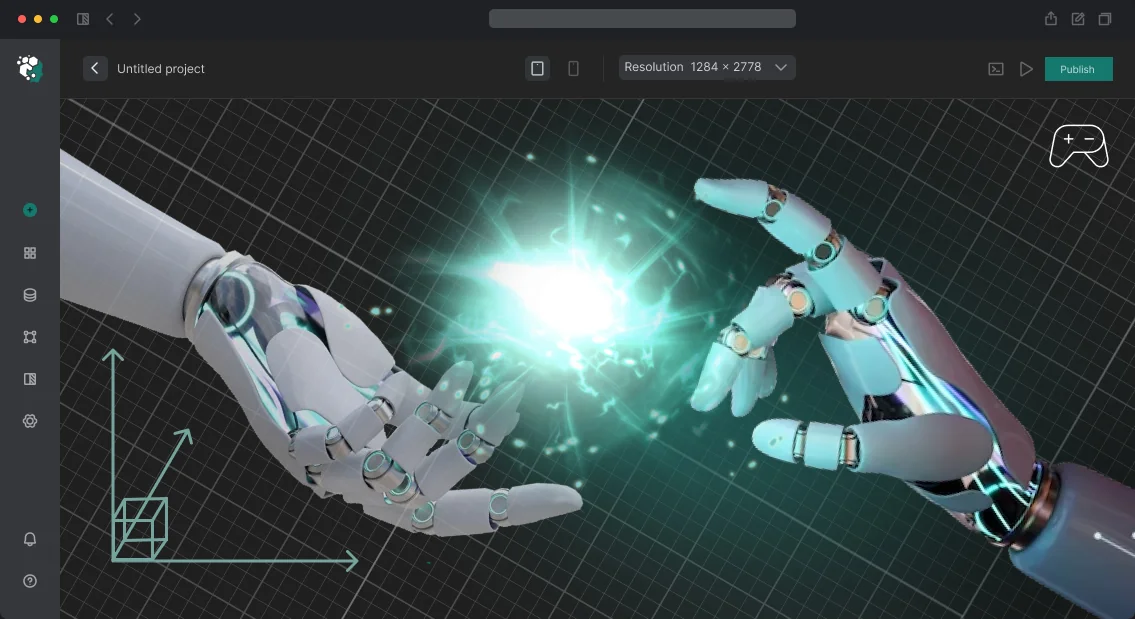
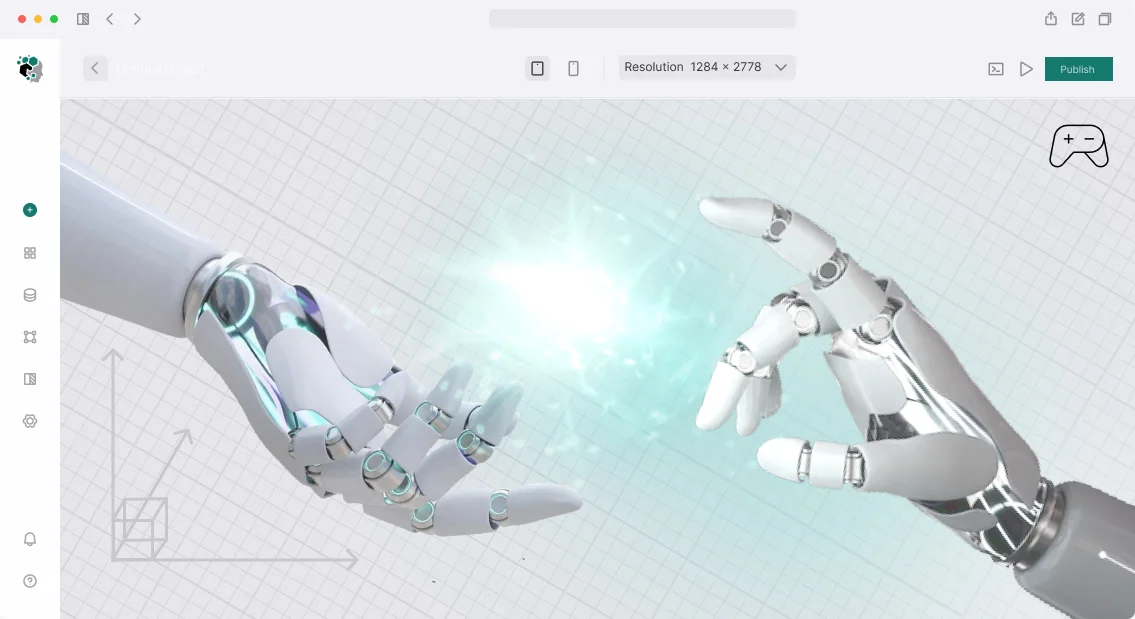


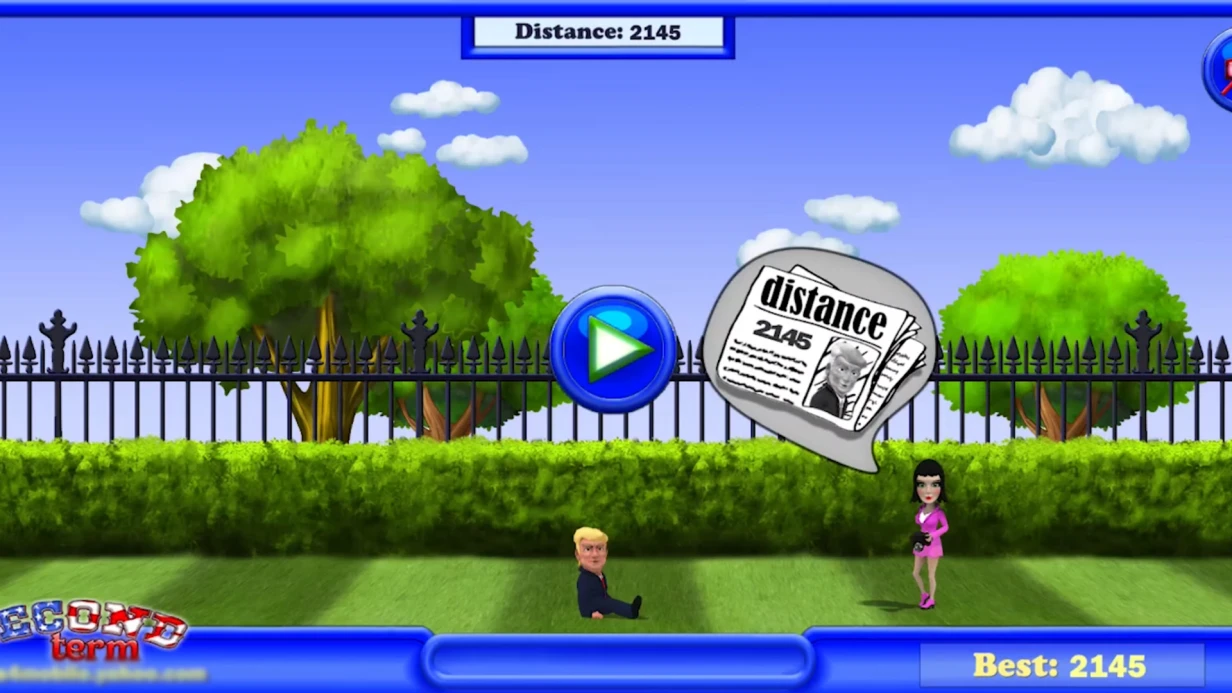
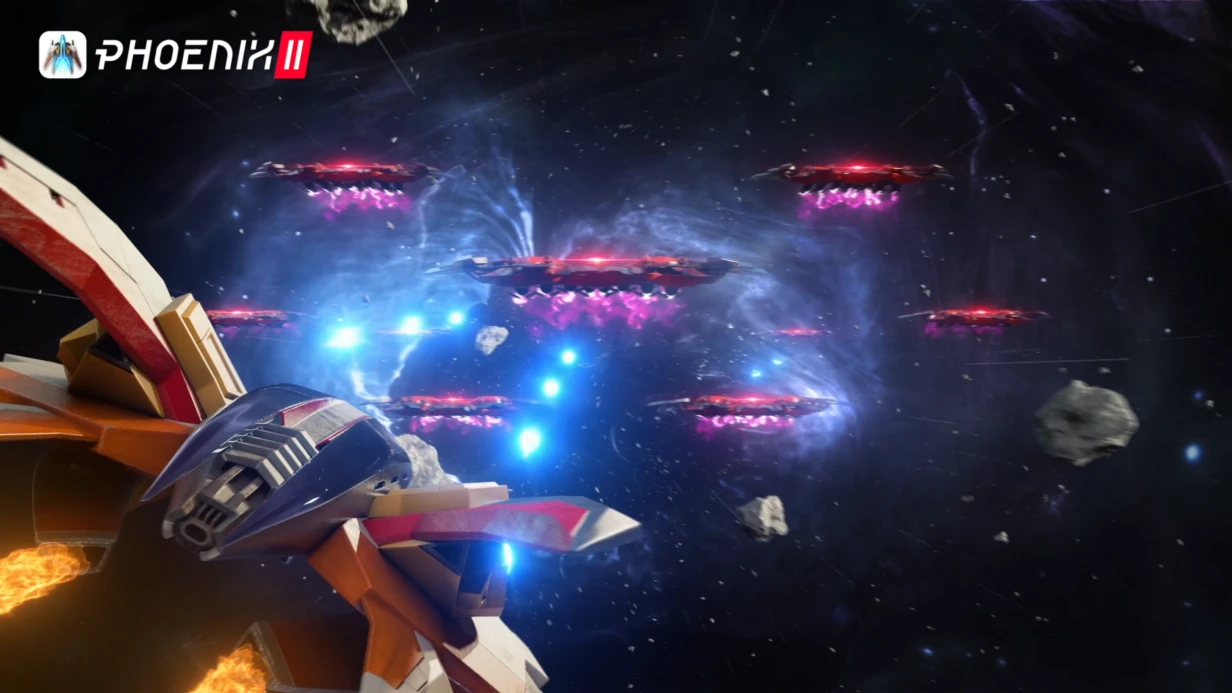
Why Unity HDRP projects look expensive and how to achieve it
A lackluster picture is a silent loss of profit. Users size up a product's quality within seconds: dim lighting, flat materials, "toy-like" shadows — all of this instantly erodes trust and drives them to competitors.
For an interactive project, visuals are part of the sale itself; attention, reach, and conversion depend directly on them. Nobody pays for a product that looks cheap, even if it's excellent underneath.
Unity HDRP already includes tools for cinematic graphics: realistic lighting, depth, living materials, detail. But premium visuals are born not from the availability of features, but from configuring them correctly for the specific project's tasks.
A technical artist builds the product's visual language: making the image expressive, stable, and not overloaded. That's why one project looks like a high-budget blockbuster and another — like a stock template.
What does the client get? A product that is perceived as more expensive without increasing the advertising budget. The audience holds attention longer, returns more willingly, and shares impressions on social media — this is natural growth in brand recognition.
Interactive graphics become an advantage over competitors and pay off through higher conversion and repeat visits.
We help Unity HDRP projects reach a premium level. We work remotely, on professional equipment, with well-tuned processes — you get a predictable result within agreed deadlines and without distracting your team. Tell us about your project — we'll show you how to make its visuals truly premium and profitable.
What a technical artist brings to your Unity HDRP project
At the start of a project, the picture usually looks promising: artists paint atmospheric scenes, game designers craft strong moments. But at the build stage, light turns out to behave unpredictably, and each new scene requires weeks of tweaking. The result — revisions, release delays, and a frayed team.
A technical artist closes the gap between the idea and the engine. They configure Unity HDRP to the project's tasks: building an environment for stable graphics, setting the rules for lighting and optimization.
The team no longer picks settings by trial and error — it immediately gets the right level of realism without performance drops.
For a manager, this is a direct payoff in money and timelines. Instead of long approvals and rework — a predictable process: artists work within clear rules, programmers receive correct data, the producer sees the stages and how long each one takes. Development speed grows because scenes don't have to be redone after sign-off.
Plus, risks are reduced at every stage. The technical artist checks scenes before they go into the final build, catching graphics problems early rather than when the project is almost ready.
There are fewer revisions, and the image quality is equally high in both promo videos and the game itself — and that's what the player notices first.
That's exactly why having such a specialist pays off before release: stable graphics, a clear team workflow, and not a single missed deadline due to art and code incompatibility.
Work formats: from one-time consultation to full support
Every project is unique: someone needs a quick answer to a specific question, someone is already preparing a release and looking for a specialist for several months.
A technical artist covers graphics, optimization, and pipeline tasks — but it isn't always worth keeping one on staff. That's why we offer flexible formats: from a one-time consultation to full development support.
Below is a table that will help you choose the right option for your deadlines, budget, and expected result.
| Format | For whom | What the client gets |
|---|---|---|
| One-time consultation | Those with a specific question about graphics, lighting, or performance in Unity HDRP | A quick answer and a step-by-step action plan without long-term commitments |
| Project audit | Teams that want to understand the weak spots and growth points of their project | An objective picture of the technical side, a list of priority tasks, and an effort estimate |
| Development support | Studios where a technical artist is needed regularly — during production or before release | A dedicated specialist who handles graphics, optimization, and pipeline tasks end to end |
If you're not sure which format is right for you, start with a consultation — we'll break down your task and offer the optimal option.
You'll get practical recommendations you can apply right away, and if needed, we'll continue in a convenient format — with a clear plan, deadlines, and an understandable result.
How the work proceeds: stages for the client
The client doesn't need to dive into technical details — what matters is understanding which stage the project is at and when the result will be ready.
That's why we've built the process so you always have checkpoints: from the first brief to the final launch, you know what's happening and what the deadlines are.
We work within the Unity HDRP stack — this lets us get a high-end image without wasting time on experiments. Here's how it goes, step by step.
-
Brief and task definition. We discuss your task: what the project is, what visual goals, timelines, and budget parameters. You send references — we refine expectations and lock in the scope of work.
-
Project audit and work plan. We examine your current project or a task from scratch. We put together a plan broken down by stages, deadlines, and checkpoints — you see what will be ready and when.
-
Plan approval. We show you the plan, timeline, and the format of intermediate results. We make changes if needed, and only after your "ok" do we start work.
-
Implementation. We create graphics and set up lighting, materials, effects, and optimization. At this stage, you receive intermediate versions — you see progress and can give feedback.
-
Intermediate demos. Every few days, we show the result in action. You check how it looks in your project and suggest changes — we make revisions right away, not at the end.
-
Final check and handover. We test the project in the target environment and make sure everything works. We give you the final files and integration instructions if needed.
-
Post-launch support. We stay in touch: answer questions, help with implementation, and fix any issues that might arise.
This order removes the main risk — uncertainty. You always know which stage the project is at, what's already done, and when the launch will happen.
What's included in the delivery: a complete kit for your product
We hand over not just a result, but a complete kit that your team can continue working with after us. No black boxes: you get source files, documentation, and training. Everything created within the Unity HDRP project remains at your disposal.
What exactly is included in the delivery:
- Project source files — all materials, scenes, settings, and assets created for your task. This is your intellectual property; you don't depend on us after completion.
- Clear documentation — a description of settings, how everything works, and recommendations for use. Artists and developers will figure it out without our involvement.
- Artist guide — instructions for working with materials, lighting, and effects: folder structure, naming rules, templates for new objects. The team will continue working to a single standard.
- Optimization recommendations — what affects performance and how to control it. You plan resources in advance and avoid surprises at launch.
- Team training — a short session where we show the project structure, walk through typical scenarios, and answer questions. The knowledge stays with your employees.
- Walkthrough recording and integration checklist — a step-by-step plan from checking materials to launch. No lost details.
This kit removes the main risk — dependency on the contractor. You get a manageable product that the team can develop independently. Source files, documentation, and training stay with you and keep working for your product.
Case study: vivid graphics boosted visitor engagement
An ordinary display window with a presentation video no longer holds the eye — visitors walk past in a couple of seconds.
That's why the Orion mobile retail chain came to us with a request: create a display window that doesn't just show the product, but draws people into a game with the brand.
They needed bright graphics that would make the store stand out from its mall neighbors and make passersby stop.
We built an interactive display on Unity HDRP. Instead of a static picture — a living scene that can be controlled with gestures: rotate the model, change the color, assemble your own configuration.
For the shopper, it's a way to spend a few minutes at the screen without involving staff; for the store, it's an extra reason to come inside.
What the client got
We measured the results over a weekend during mall foot traffic. The average time at the display grew from 7 to 45 seconds — almost six times. The number of screen touches tripled, and one in four visitors returned to the display for another look.
Some visitors came into the store already with a specific question about a product — so the interactive display also became a source of engaged traffic.
We also noted the returns: people brought friends and family to show them the display, and several people would gather at the display at once. For the chain, this means more live interaction near the sales area and a higher chance that someone who stops will make a purchase.
The client was pleased with the result and ordered a second display for another store, without even a preliminary brief.
How to choose the right work format and not overpay?
The optimal format for working with a technical artist is determined not by price, but by the scope of tasks your project needs. For a Unity HDRP game, this could be a one-time visual setup, performance optimization, or systematic support across the entire development cycle.
If you understand what needs to be done, it's more profitable to order a specific job; if tasks come up regularly, it's cheaper to sign a long-term format with fixed hours.
The main risk of overpaying is ordering more than you need. A technical artist often handles tasks faster and more simply than it seems: leveling out lighting, preparing assets, fixing rendering errors.
Before we start, we hold a consultation, walk through the project, and honestly tell you which work will actually produce a visible result and what can be postponed to the next stage.
Timelines also influence the choice of format. For an urgent demo or an investor presentation, a one-time task with a fixed deadline and a clear result is enough.
If development runs for several months and you need ongoing support — from new scenes to final polish — it's more sensible to allocate regular hours for the artist. That way you know the budget in advance and don't overpay for urgency.
We'll help translate the project's goal into a concrete list of tasks and offer an option where you get maximum value for your money.
Common concerns: what if something goes wrong?
Any project is in motion, and sometimes it feels like everything could go off plan. Especially when it comes to visuals, deadlines, and your audience's expectations.
We built our process specifically so there are fewer doubts: we have a clear set of rules, fixed stages, and open communication.
At every stage, you see intermediate results and can influence the process. If something doesn't match expectations, we don't argue — we simply fix it. Thanks to our experience with Unity HDRP, we spot bottlenecks in advance and prevent them. Technical support stays with you after the project is delivered.
What if we don't like the result?
We work in iterations: we show intermediate versions and incorporate feedback before final delivery. If something is wrong, we go back for refinement without panic and extra approvals.
Who is responsible for technical issues?
We take on all risks related to the operation of tools and equipment. We have backup solutions and buffer time for unforeseen situations.
How do you structure the process to avoid risks?
At the start of the project, we set up the rules: stages, deadlines, and acceptance criteria. You always know what's happening and what happens next.
What about the warranty after handover?
After the final handover, we stay in touch and fix errors that appear during operation free of charge. The warranty is our responsibility for the outcome.
Can changes be made after launch?
Yes, we support the project after launch: we'll help add new elements or adapt the visuals to new tasks. Technical support is part of our service.
Start with an audit: first results in 3 days
An audit is a fast way to see the real growth points of your graphics before you invest time and budget in development. In 3 days, we break down your current Unity HDRP project, find the spots that most affect the image and performance, and prepare a clear action plan.
You don't need to understand technical details — you get ready-made solutions: what to improve first, how long it will take, and what result it will give. After the audit, you'll have a clear work plan that can be used to launch the main phase of the project.
What you get after a short request:
- Audit of current scenes and graphics settings — within 3 business days.
- A list of priority improvements with an assessment of their effect on the image.
- Recommendations for performance optimization without losing quality.
- A stage-by-stage work sequence — from quick fixes to major changes.
- Estimated timelines and scope of work for each task.
- A concrete project start plan — understandable even to those far from development.
Leave a request — and in 3 days you'll know exactly how to strengthen your product's visuals. From there, we'll turn the plan into working changes, and you'll get a predictable process and a result that improves the players' impression and boosts conversion.