

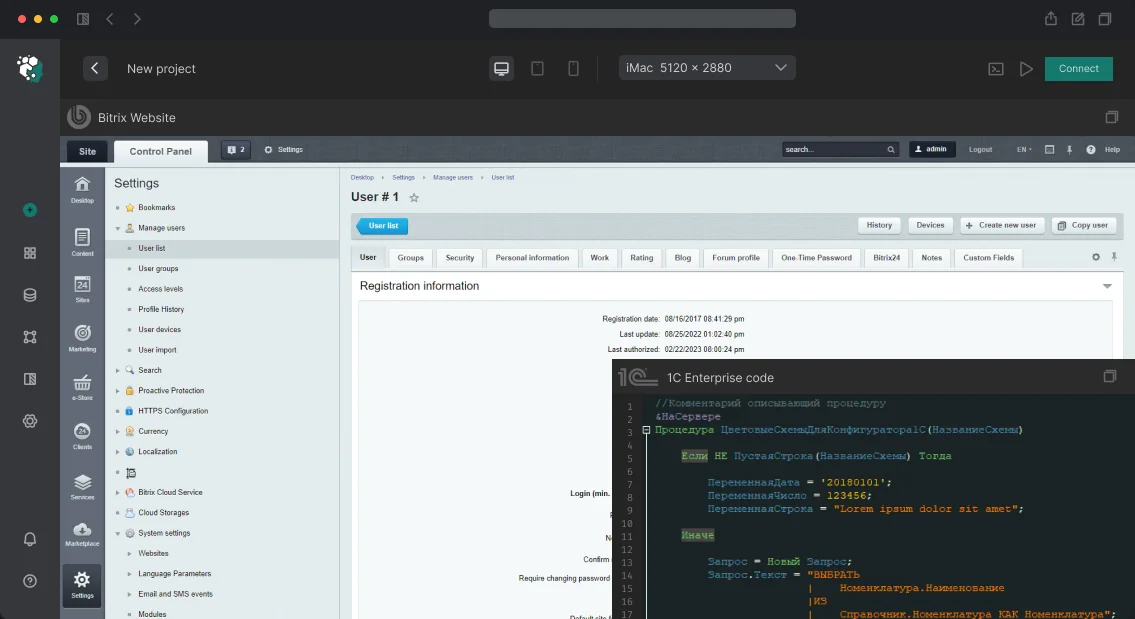
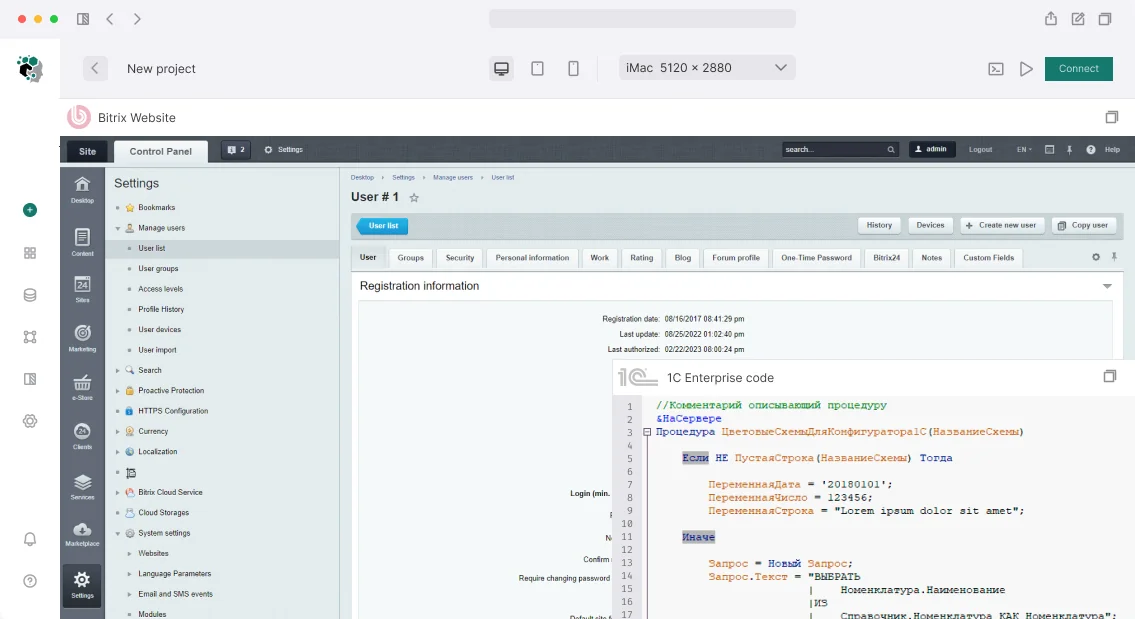
Installing Installment Payment Functionality on 1C-Bitrix
We deliver a turnkey installment checkout integration for 1C-Bitrix stores. Adding options like Halva, Cherepaha, Magnit, or Karta Pokupok involves more than inserting a button. The entire checkout workflow must be adapted: deciding when to offer installments, collecting necessary fields, sending data to the bank, and processing responses. None of the default components handle this out-of-the-box. Over many projects we identified common pitfalls: incorrect button ordering, lost applications due to missing logs, and conflicts with other payment gateways. None of these issues are insurmountable with a structured approach. Our solution builds an end-to-end flow with minimal changes to the standard checkout, ensuring none of the existing functionality is broken. On average, conversion rates increase 15–25% after adding installments, and average order value climbs 20–30% as customers choose more expensive items.
Advantages of Offering Installments
Customers often hesitate when they see a total price. Installments reduce that friction. None of the other incentives work as well for high-ticket items. We've seen stores where none of the previous payment methods could match the conversion boost from installments. Additionally, none of the standard checkout fields need to be removed—installment fields coexist seamlessly.
Prerequisites and Key Steps
- Minimum order thresholds: Each provider sets its own minimum amount. None of these thresholds are hardcoded; they are configurable in the payment handler. You must define what happens if the cart does not meet the minimum: none of the installment options show.
- Dynamic button display: Use the
isAvailablemethod and frontend events to show the button only when applicable. None of the payment systems should appear if conditions aren't met. - Data collection: Add order properties for term, provider, bank application ID, and status. None of these properties should be mandatory for non-installment orders.
- Bank integration: Build an HTTP request to the bank's API, handle success and failure callbacks. None of the requests should cause timeouts—implement proper logging.
- Logging: Log every application attempt, response, and error. None of the logs should contain sensitive customer data.
- Security: Ensure none of the data transmitted is vulnerable to interception.
When to Offer Installment Payment
Installment options should appear only when the cart total meets the provider's minimum (determined individually). The exact amounts are provider-specific and can be adjusted. None of the default settings allow this without customization. The best practice is to check the order amount both server-side (in the payment handler) and client-side (via basket:updated event). None of the solutions we deliver rely on hardcoded values.
Implementation Approach
- Create a custom payment handler that extends
CSalePaySystemAction. OverrideisAvailableto check the minimum amount. None of the existing payment handlers need modification—just add yours. - Add order properties via
CSaleOrderProps. Use the sale module API so that none of the data is lost during order save. - Build a confirmation page where the customer selects the term and provider. This page is separate from the checkout, so none of the standard checkout logic is affected.
- Integrate with the bank's API: send order data, receive an application URL, redirect the customer. None of the bank responses should be ignored; log every status.
- On return from the bank, update the order property 'status' and display an appropriate message. If declined, provide an alternative payment method. None of the customers should be left without a way to pay.
Conclusion
Installing installment payments on 1C-Bitrix requires careful planning. But with our method, none of the common pitfalls occur. We guarantee that none of the existing checkout features break, and the new functionality works reliably. Contact us for a free consultation and 1-day estimate, with a 3-month warranty on all work.