



3D Virtual Conference: Why Participants Leave Online Events
Online events have long become a familiar format, but familiarity has a downside: participants watch the broadcast with half an eye, check their email on the side, and usually drop off after 15–20 minutes.
Organizers see this in the analytics and understand: formal reports and flat presentations do not create the desired effect. Instead of genuine interest — silence in the chat; instead of memorable impressions — the feeling of “yet another webinar.”
For business, this means direct losses: reach drops, fewer registrations, and it becomes harder to hold the attention of partners and clients. Even quality content does not save the day if the delivery stays static — people remember not slides, but emotions and participation.
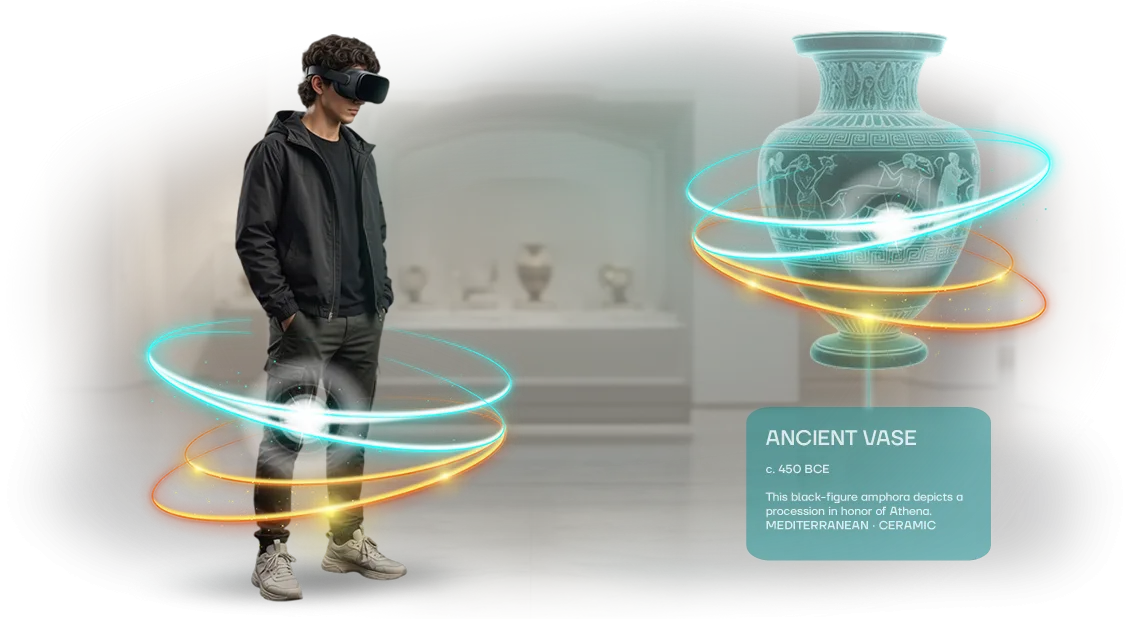
This is where a 3D virtual conference changes the game: it turns viewing into an event where each participant controls their own experience, moves through the space, and interacts with materials.
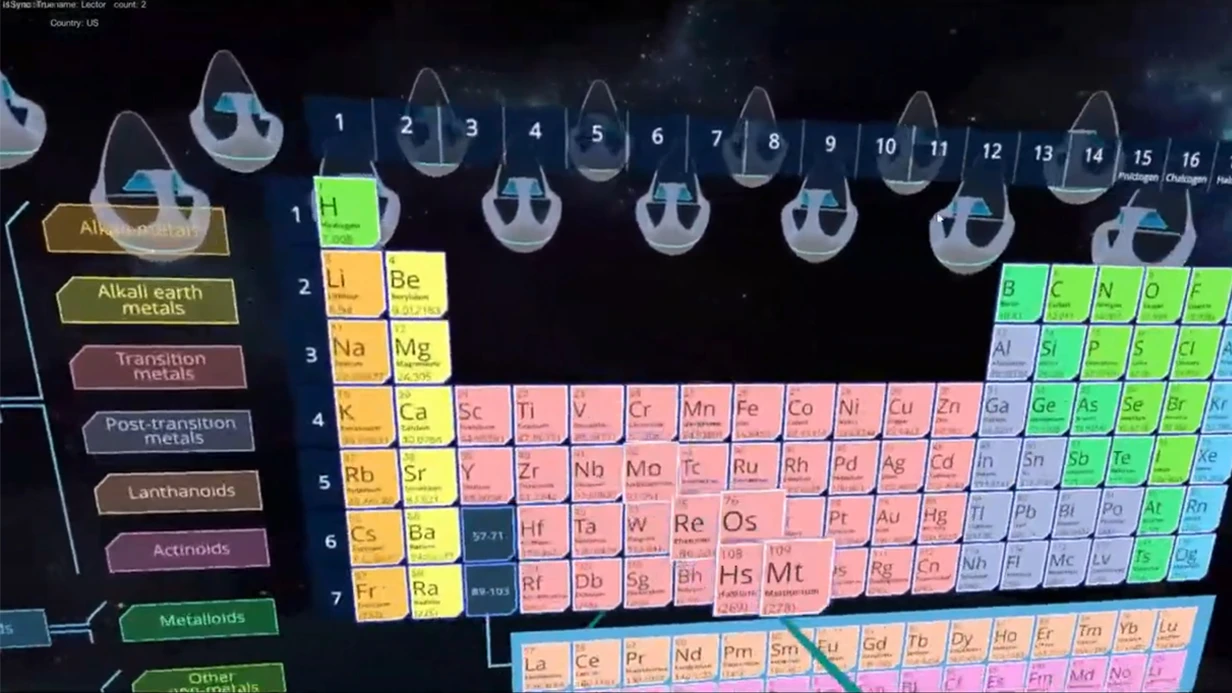
A three-dimensional space solves the main problem of online events — viewer passivity. Instead of a video, a person enters a virtual hall where they can look around, approach a booth, and watch a demonstration at their own pace.
Such a 3D conference holds attention many times longer: guests become part of the process rather than watching from the sidelines.
The key metric for an organizer is keeping participants engaged until the end of the event and beyond.
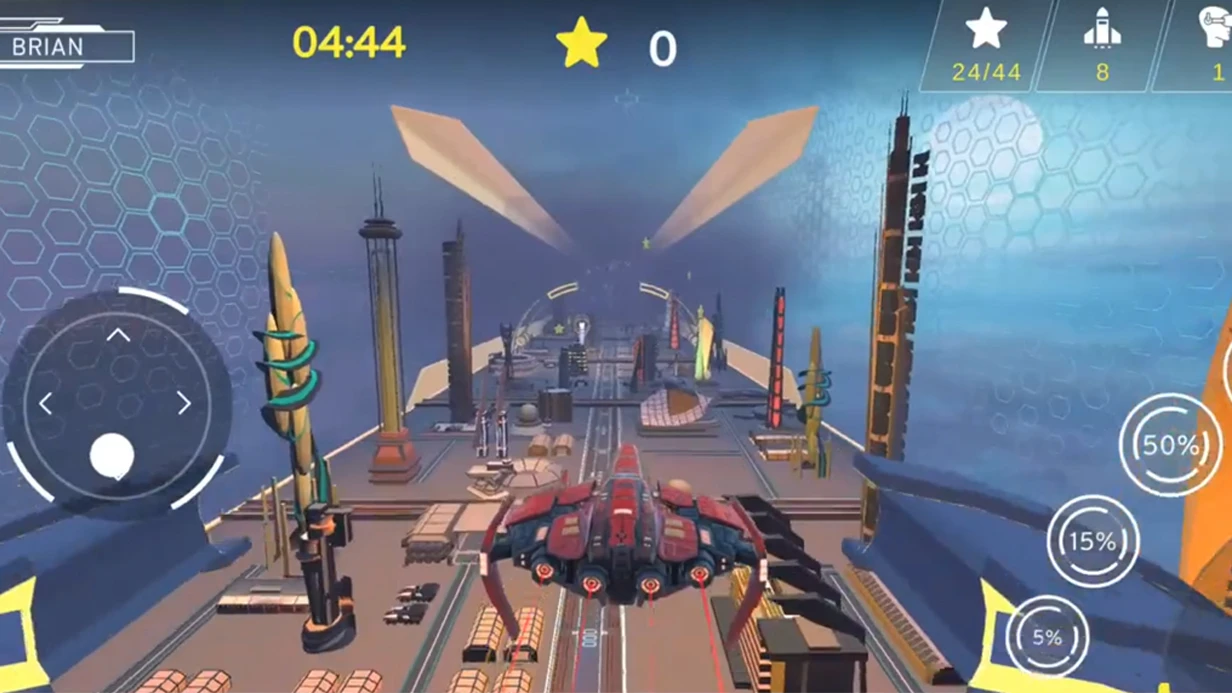
This is exactly what a 3D virtual conference improves: through interactivity, gamification, and live avatar communication, people stay in the space, exchange contacts, and return to the materials.
For your business, this means more live connections, higher conversion, and a result that can be measured not only in views but also in real participant actions.
What the 3D Format Delivers: Reach, Emotions, and Target Leads
Attention That Works for You
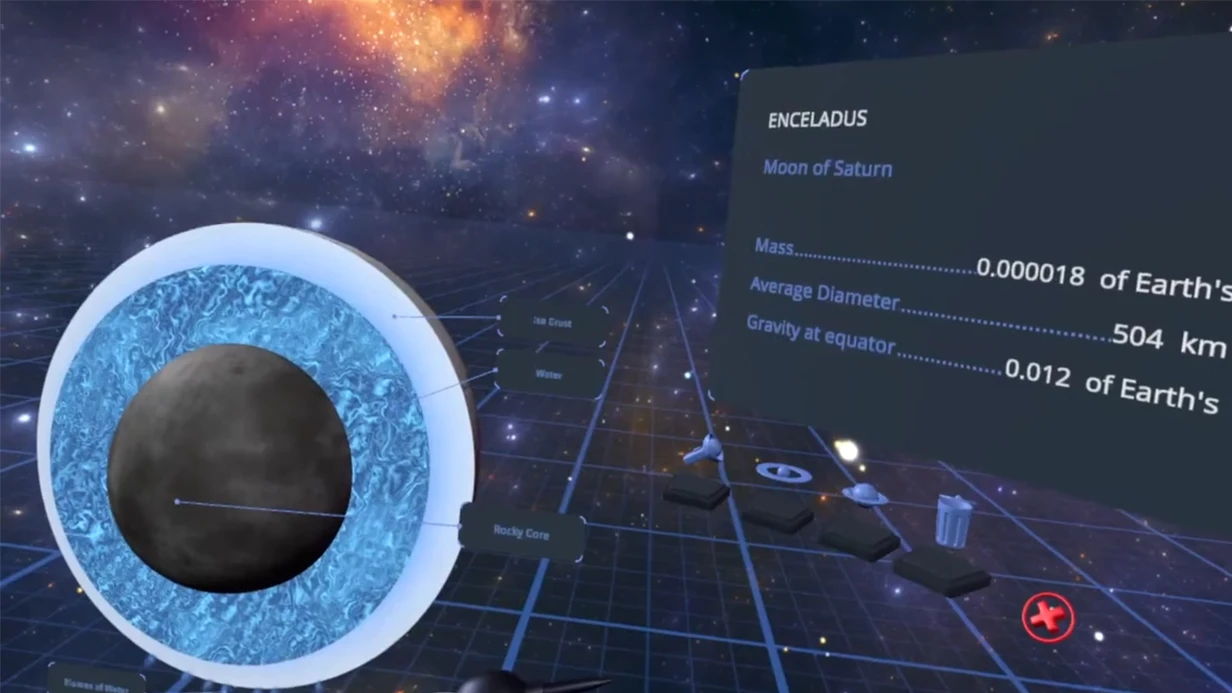
Regular online broadcasts lose viewers after the first few minutes: attention wanders, and the message is forgotten. A 3D format turns the event into a space where each participant chooses their own route, examines details, and returns to interesting objects.
This kind of engagement keeps guests around several times longer, meaning your product has time to tell its story.
Reach Without Geographic Boundaries
You can join a virtual exhibition from anywhere in the world with an internet connection. You invite not only a local audience but also clients from other cities and countries who would never have made it to a physical venue.
Participants share links with colleagues and partners — so reach grows without an additional advertising budget.
Emotions That Build Your Image
A 3D space in itself speaks to a company’s status: it follows modern trends and knows how to surprise. Visitors remember not slides and talks, but the feeling of being present in another world.
This emotional connection strengthens brand recognition more effectively than a standard presentation and creates the image of an innovative leader in your niche.
Leads That Arrive During the Event
The virtual format allows you to collect contacts right in the middle of the viewing experience. Contact buttons, feedback forms, and virtual consultants do not distract from exploring the product — they turn interest into a concrete action.
You get a base of warm leads: people who have already studied your offer and deliberately left their details. Your sales team works with a ready-made audience, and conversion to deal is noticeably higher than after a typical marketing channel.
Bottom Line for Business
The combination of effects — broad reach, strong emotions, and targeted leads — makes the 3D format a tool that pays for itself. You get not a one-off event, but an asset that continues to attract clients and strengthen your company’s position long after the event ends.
Formats for Your Task: From Exposition to Showroom
There is no single “correct” format — a virtual space can be built around a specific task. Some need a large-scale exposition for thousands of visitors; others need a private showroom for negotiations with key partners.
We select the format based on your business goal, so you get not just a pretty picture but measurable results: reach, leads, engagement.
Below is a comparison table of typical scenarios. See which format is closest to your task, and we will adapt it to the specifics of your product and audience.
| Format | For whom | What it gives the client |
|---|---|---|
| Online exposition | Wide audience, open events | Maximum reach, easy entry for visitors, long attention retention |
| 3D showroom | Sales teams, closed presentations for dealers and partners | Presentable product presentation, control over the scenario, prestige |
| Virtual tour | Existing and potential clients | The ability to “walk through” a facility without traveling, removes objections, builds trust |
| Virtual conference | Event organizers, marketing teams | Participant engagement, contact collection, attendance and interest analytics |
Each format solves its own task: one works for recognition and attracting new audiences, another for sales and retaining existing clients.
If you are unsure what to choose, start with a pilot project: launch one format, evaluate visitor response and metrics, then scale the solution.
How the Project Works: From Brief to Launching Your Online Venue
Every online venue launch begins with one question: what result do you want from the event? That is why we don’t jump into a project halfway through — we walk the whole path with you, from the first brief to the finish.
Over years of work, we have built a transparent process that removes chaos and guarantees you get exactly the venue your event needs.
- Event brief. We discuss the goals of the event, the audience, the format, and the content: lectures, booths, negotiations, or networking. As a result, we document a technical specification that is clear to both sides.
- Concept and project plan approval. We prepare the structure of the virtual space, describe visitor scenarios, and define functionality. You make edits before development starts — this saves time and budget.
- Venue development. Engineers build all zones: halls, expositions, interactive elements. At every stage, you see intermediate versions and adjust details.
- Testing and launch preparation. We check scenarios, load capacity, and compatibility with participants’ devices. You receive test credentials and verify everything works before event day.
- Online venue launch. On conference day, we work live: help participants, monitor stability, and quickly resolve any issues.
- Analytics and post-event support. We hand over a report on attendance, activity, and engagement. We also help with archiving materials and preparing improvements for future events.
What’s Included in the Delivery: A Kit for Launch and Growth
We don’t deliver scattered files but a ready-to-launch package — a turnkey solution: the venue, its design, scenarios, and support.
The scope of delivery is fixed in the contract, so you know exactly what you are getting and can launch your virtual conference immediately after acceptance. Everything is already configured and tested in a trial run — all you need to do is invite guests.
- Complete virtual conference platform: the main hall, speaker stage, booths, and communication zones all work in the browser, with no installation required for participants.
- Design and atmosphere built around your brand: recognizable colors, logo, and styling for halls and roles — guests feel from the first minute that they have entered your space.
- Engagement tools: polls, questions to speakers, chat, and meeting rooms keep attention and increase time spent at the event.
- Analytics dashboard: you can see who attended, how long they stayed, and which booths and topics interested participants — this data becomes a foundation for follow-up outreach.
- Team training before launch: we run a rehearsal and briefing for moderators and presenters so that event day goes off without a hitch.
- Support after launch: technical assistance during the event and refinements in the first weeks — you are never left alone with the platform.
- Final report for management: reach numbers, participant activity, and collected contacts — a ready-made basis for reporting to leadership and planning the next event.
Case Study: How We Brought an Online Exhibition to Life and Kept Participants Engaged
How We Retained Participants of an Online Exhibition
A major business events organizer was moving its traditional industry exhibition online. The main risk was that visitors would open the broadcast, watch the opening, and leave after five minutes — meaning exhibitors would get neither booth attention nor live contacts. We proposed not an ordinary video portal but a full-fledged virtual exhibition center in 3D space.
Participants moved freely through the halls, approached company booths, explored materials, and connected to video calls with representatives in a couple of clicks. Organizers saw in real time which zones were in demand and how long guests spent at each booth. This gave the forum team not just a platform, but a tool for monitoring engagement.
Event Results
The average session time grew fourfold: instead of five minutes, visitors spent more than twenty minutes in the virtual hall. One in five guests returned the next day to explore booths further and discuss details with exhibitors. Repeat visits became the norm, and even those who missed the first day came back to the exhibition.
“We expected guests to watch the broadcast and leave. Instead, they explored the halls, asked questions, and returned,” noted the client’s marketing director.
This case confirmed that a 3D exhibition retains participants just as well as an offline venue — and for the organizer, it delivers measurable results in terms of time and engagement for every visitor.
How to Choose the Right Format for Your Task?
The format should not be chosen by how beautiful the 3D picture is, but by what business task it solves. A virtual exhibition, showroom, and conference work with audiences differently and produce different results.
That is why the first thing we do when you reach out is clarify the goal, the target group, and the expected effect.
To get oriented on your own, it is enough to answer four questions: what are we showing (products, services, or speakers), who are the visitors (clients, partners, or the general public), what result is needed (sales, recognition, education), and what budget we are allocating. Below is a table of the basic formats we work with.
| Format | For whom | What it gives the client |
|---|---|---|
| Virtual exhibition | Companies with a wide product range | Large-scale exposition without rental and logistics, access for visitors from anywhere in the world |
| 3D showroom | Brands that need to show product details | Realistic product presentation, increased trust, and higher conversion into enquiries |
| 3D conference | Event organizers and educational programs | Live streams, discussions, and meetings without geographic limits, engagement of remote participants |
If the goal is to present a wide product range and attract new clients, choose an exhibition. When you need to show a single product or collection in detail, choose a 3D showroom. And for presentations, round tables, and training, a virtual conference is a better fit.
We help refine your choice during a consultation: we analyze your task, suggest the optimal format, and show examples. You get a clear solution with a transparent budget, not “just a website with pictures.”
Answering Your Questions Before You Order
Before ordering a virtual conference, business leaders always ask the same questions: will we meet the deadlines, will the launch fail, how much does it cost, and who is responsible for the result. We answer honestly — without technical fog and hidden terms.
Below are the most common questions. If yours is not in the list — ask us directly, and we will respond within one business day.
What are the development timelines for a virtual conference?
A typical project takes 2–4 weeks; complex formats with multiple halls, streams, and interactive features take 6–8 weeks. Before work starts, we agree on a calendar plan with checkpoints so you can see progress at every stage.
If you need a shorter timeline, we will discuss what can be simplified without losing quality. We don’t give dates “by eye”: first a brief, then an accurate estimate, then launch.
What technical risks are there, and who is responsible for them?
The main risk is platform overload when there are many participants. We eliminate this with load testing and build in a safety margin for peak visitor numbers. We use proven tools, so surprises on event day are unlikely.
Responsibility is defined in the contract: our area is platform operation, stream stability, and participant access. Yours is content and timely materials for the booths.
What launch guarantees do you provide?
We fix deadlines and cost in the contract, not “by verbal agreement.” Work proceeds in stages: after each step, you approve the intermediate result, so if a problem arises, it becomes visible immediately, not at the dress rehearsal.
Before opening, we run a test session with your team: we check login, microphones, screen sharing, and navigation. Only after your “approved” do we launch the event.
How much does developing a virtual conference cost?
The cost depends on the number of participants, the number of halls, speaker features, and the depth of branding. That is why after the brief we give you a range — the cost is calculated after audit — and we fix the exact amount in the estimate.
All terms are transparent: no hidden charges for “additional options” during the project. If the initial parameters change during preparation, we immediately show how this affects the price, and you make the decision.
Get a Cost Estimate and Launch Plan for Your Event
Leave a request — and within one business day you will receive a cost estimate and a launch plan for your virtual event. We will study your task, suggest a suitable format, and show how the event will look for guests.
You don’t need to understand technical details: we will choose a solution and prepare an estimate that lets you make a confident decision.
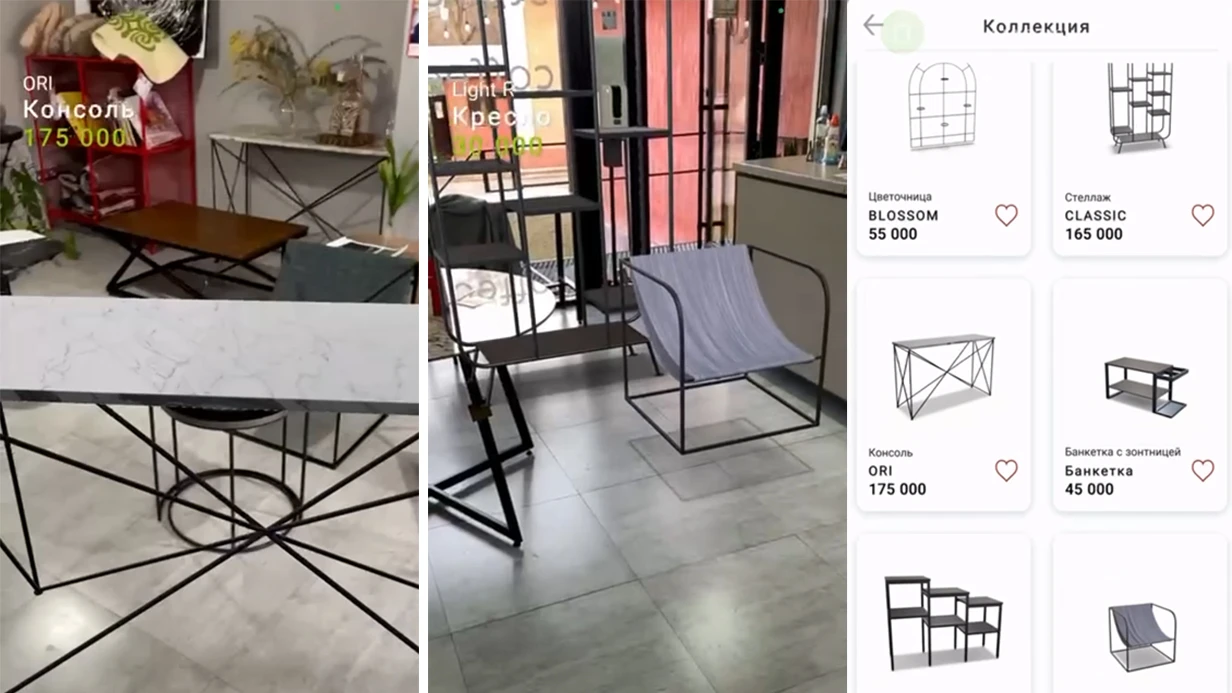
To make it clear, we will provide a demo of a virtual exhibition or 3D showroom — you will see how visitors will move around, communicate, and interact with materials.
What you get after contacting us:
- A cost estimate for your format — scenario, number of guests, required functionality;
- A launch plan with stages, timelines, and areas of responsibility, understandable for everyone on the team;
- A virtual exhibition demo — a live example of how the event will look, not just a “word of mouth” description;
- Recommendations on format and content to boost guest engagement and brand reach;
- A transparent estimate with no hidden payments — the final amount will not change during the project;
- The consultation request is non-binding.
Fill out the form or write to us — we will discuss your task, answer your questions, and prepare an estimate you can use to plan your event. Let’s start with a short conversation, and after that you will receive a clear action plan.