



Virtual Showrooms: Why Clients Leave for Competitors
A client cannot "touch" a product with their eyes while seeing only flat photos and a standard description. Doubts arise: what does the item look like from the other side, how accurately are materials and details conveyed?
If you don't answer these questions, the buyer goes where the product is already shown in three dimensions—to those who use virtual showrooms and 3D displays for business.
The cost of such a loss is not only a missed deal, but also a long decision-making cycle, returns "it didn't match the photo," and overall distrust of the brand.
While you explain in correspondence, the competitor is already demonstrating the product in motion, with the ability to zoom in on a detail and see it from any angle. This removes the main objections before the conversation with a manager even begins.
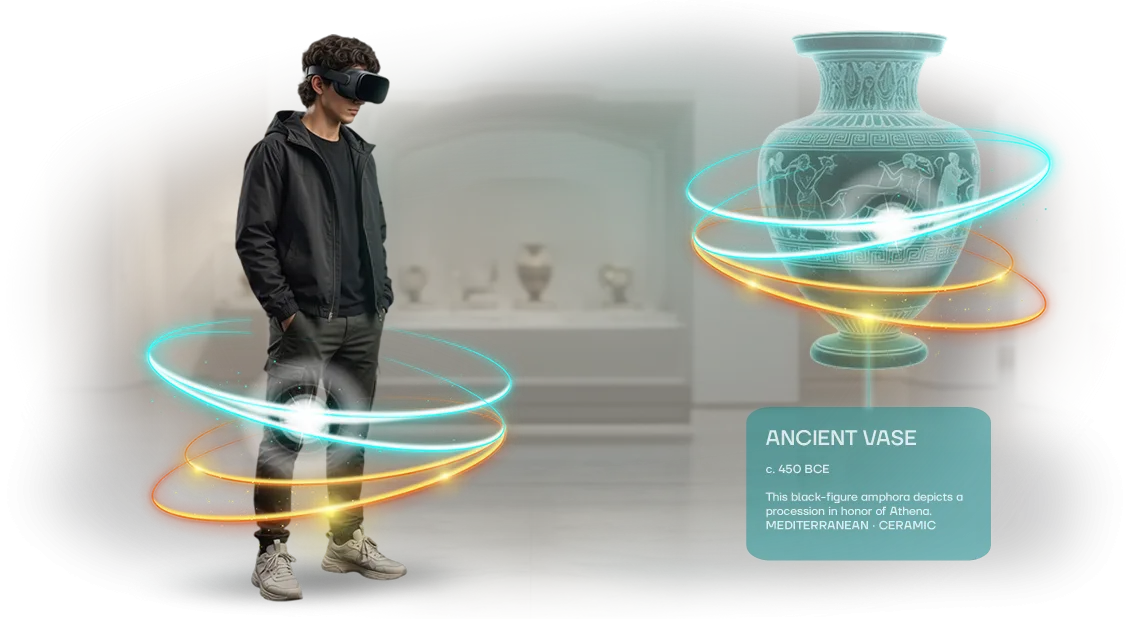
A virtual showroom is an interactive product presentation that works like your best salesperson. The client controls the inspection themselves: rotates the model, changes the angle, examines the texture and configuration.
An online product catalog turns from a static list into a space where the buyer feels as if they are already holding the product in their hands.
The result is natural: higher conversion, faster decisions, fewer returns and disputes. Virtual showrooms pay for themselves because clients spend less time doubting and more often place orders with you.
We help businesses implement such 3D presentations—with fine detail work, server infrastructure, and adaptation to any device. You get a ready-made tool that brings in inquiries while competitors are still thinking.
What Business Gets from an Interactive 3D Presentation
An interactive 3D presentation from our team is not just a pretty picture, but a working sales tool. Unlike ordinary photos or videos, a virtual showroom lets clients actively interact with the product and gives businesses measurable results. Here are five key benefits you get after launch.
- Higher customer engagement. Visitors rotate the product themselves, inspect details, and change configurations. This holds attention 3–5 times longer than a static page. The longer the interaction, the higher the likelihood of purchase.
- Borderless reach expansion. The showroom is accessible from anywhere in the world at any time. There is no need to bring samples to an exhibition or wait for a client in the office—just send a link. This opens new markets without logistics costs.
- Brand awareness. Interactivity is memorable, and clients share it on social media. Reach grows without an advertising budget, and the immersive experience itself becomes part of the brand identity.
- Higher conversion into inquiries. A request form or a "book a demo" button can be embedded inside the showroom. Clients leave their contact without leaving the presentation—the path from interest to deal is shortened.
- Savings on demonstration halls. No physical showrooms or exhibition space rental needed. One virtual project works around the clock and pays for itself within a few months.
These are the advantages of a 3D showroom that directly affect revenue: higher engagement, wider reach, stronger brand, and more leads. Each benefit pays off quickly, so a virtual presentation is a reasonable investment in sales, not just a beautiful experiment.
Virtual Showroom Formats for Your Task
Virtual showroom formats differ not in the "picture" but in the sales logic. For a furniture salon, it's important to show scale and materials; for a kitchen, ergonomics; for a car dealership, details and options. If you choose the wrong format, even a beautiful 3D tour won't generate inquiries.
We've put together three basic options—from full immersion to a quick catalog. Consider how your client makes decisions and how complex the product they are buying is.
Format Comparison
| Format | For Whom | What It Gives the Client |
|---|---|---|
| VR showroom | Furniture salons, car dealerships, exhibition booths | Full immersion: the client "walks" through the space, changes fabrics and colors, opens doors. Maximum engagement—suited for expensive products with a long decision cycle. |
| 3D tour | Kitchens, real estate, finished interiors | Quick overview from any device without installing apps. Shows the product in a real environment—clients see how the item will fit into their lives and agree to a meeting faster. |
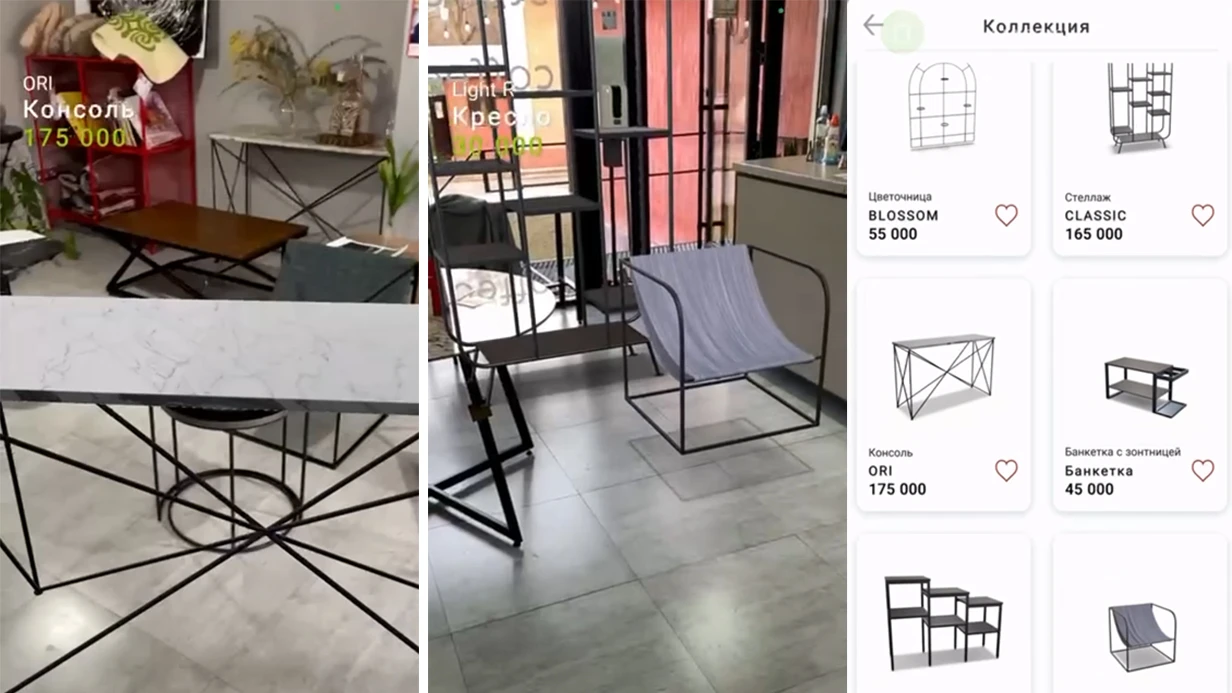
| Interactive car showroom | Car dealers, catalog sales | Customizable auto showroom: body color, wheels, interior trim—all change with one click. Clients configure their version and send an inquiry. Ideal for sparking desire and collecting contacts. |
Whatever you choose, we handle production, hosting, and support—you get a ready-made tool that works 24/7. Send us a description of your task, and we'll recommend the optimal format and show examples from your industry.
How Development Works: From Brief to Launch
Developing a virtual showroom is a process where the client sees results at every step. We don't work like a "black box": you get a clear plan, approval checkpoints, and exact deadlines. Below are the stages a project goes through with our team.
- Brief and task immersion. We capture the showroom's goals, visitor profile, and the set of exhibits and products. The output is a document with key requirements that becomes the foundation for all further work.
- Plan and milestones. We propose the architecture of the virtual space, room formats, and deadlines. You know in advance when you'll receive the layout, a test version, and the final tour.
- Layout approval. We show the visual concept, navigation structure, and transition logic. At this stage, you make edits without reworking the finished product—this saves time and budget.
- Implementation. We create the virtual showroom: graphics, interactive zones, and adaptation for computers, tablets, and smartphones. We regularly send intermediate versions for review.
- Virtual tour launch. We test performance on different devices, publish the project on your domain or our platform, and connect visit analytics.
- Project support. After launch, we stay in touch: update the exposition, add new exhibits, and help with integration into your website or email campaigns.
This workflow guarantees you stay in control of the project and get a showroom that precisely matches your task. All stages are fixed in the contract, and edits during layout approval are included in the cost.
What Result and Package You Get
A virtual showroom is not just a 3D model, but a ready-made sales tool that starts working immediately after acceptance. You receive a complete package: from the model itself to staff training and warranty support.
The delivery includes:
- A finished 3D model of your product, space, or exhibition booth with enough detail for a realistic presentation to clients.
- An interface for visitors: simple navigation, zooming, viewing from different angles, switching between products—everything that helps present the product in the best light.
- Instructions for staff: short guides on launching, populating, and managing the virtual space without involving developers.
- Training for your team: we conduct a demo and review typical scenarios—from receiving visitors to selling through the screen.
- Product warranty: during the warranty period, we promptly fix errors and refine important nuances, and afterward remain available for consultations.
- Rights to the result and source materials: you remain the owner of the showroom and can develop it on your own or with our support.
In the end, you get a solution that starts working for brand awareness and conversion growth within days after launch. Everything is configured, employees know how to use it, and the technical side is reliably secured by contract and warranty.
Case Study: How We Helped a Brand Increase Sales
Many brands face the problem that photos and product descriptions don't convey scale, texture, or how the item looks in an interior.
The client hesitates, postpones the decision, and goes to competitors—this is exactly where a virtual showroom becomes a sales tool, not just a website decoration.
We developed such a project for the furniture brand "Dom i Uyut". Instead of a static catalog, the client received an interactive 3D hall featuring a new sofa collection.
Visitors could freely "walk" through the showroom, examine every piece from all sides, change upholstery colors, and even see how a model would fit into a typical living room.
This removed the main barrier to purchase—the fear that "it might look different in real life."
The results were noticeable within the first month. Average time on the page grew from one and a half to four minutes—visitors weren't scrolling through photos but exploring the product.
The number of consultation requests increased two and a half times, with over 70% of inquiries coming after viewing the showroom. This shows that buyers decide faster when they see a product realistically and can "feel" it with their eyes.
Importantly, the project paid for itself in a month and a half, after which the client ordered two more showrooms for other collections.
For business, this means a simple formula: a high-quality 3D presentation shortens the deal cycle, increases conversion, and reduces returns because client expectations match reality.
A virtual showroom isn't an expense for a "pretty picture," but an investment that directly affects sales.
How to Choose the Right Format for Your Task?
Choosing a virtual showroom format starts not with the picture, but with answering three questions: who your audience is, which product you're showing, and what result you expect from the project.
This determines whether you need a simple 3D overview of a few products or a full exhibition space with navigation and interactivity. The right format choice saves budget and delivers a clear, measurable effect—from increased awareness to direct product inquiries.
Start with the audience. If your clients are wholesale buyers or dealers, speed and detail matter to them: the ability to quickly inspect the product, see dimensions, and understand the construction.
For end consumers, emotion plays the key role—an atmospheric 3D showroom with distinctive presentation is enough to hold attention and encourage a purchase.
Imagine how a visitor interacts with the exhibition: do they just want to look, or do they need to compare models, change colors, or configurations? This will determine the depth of interactivity.
Next, look at your budget, not as a limitation but as a prioritization criterion. If the task is to quickly show a product to a wide audience, a compact showroom with several items and basic interactivity is sufficient. It launches faster and doesn't require a large investment.
For image-driven projects—presenting a new collection, participating in an exhibition, attracting partners—it's worth allocating budget for a thoroughly designed space that will work for brand awareness for several years.
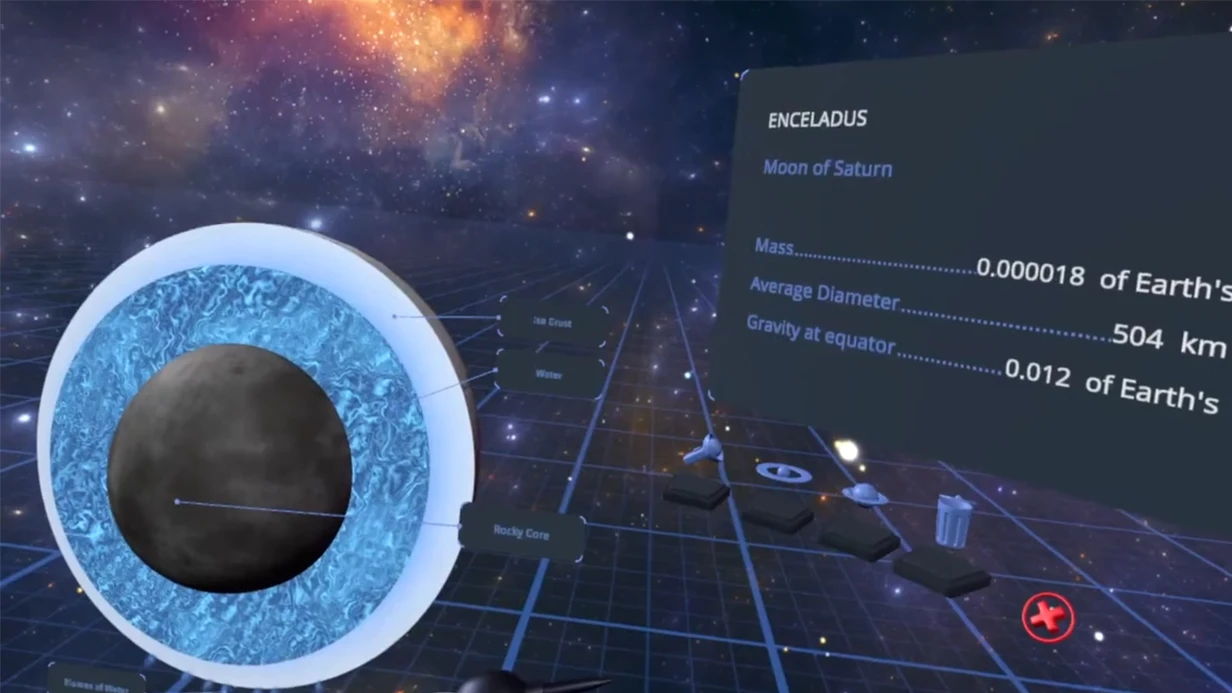
The product type also matters. Complex equipment, machinery, or custom furniture require detail and the ability to examine the object up close—a format with detailed inspection and parameter adjustment works well here.
Abstract services or digital products are more about atmosphere and scenario than realistic visuals. Rely on the specifics: what is more important to show—form, functionality, or usage context?
If you're unsure, start with one scenario and an industry-specific scenario, then scale.
We invite you to look at examples of our work and discuss your task—in a 30-minute consultation, we'll recommend which format will deliver results within your budget and timeline, without unnecessary spending on unneeded functionality. You'll get not just a 3D model, but a working tool for sales and promotion.
Frequently Asked Client Questions Before Ordering
Before ordering a virtual showroom, clients usually have doubts about three things: how convenient it will be for guests, what equipment is needed, and how much support will cost.
We've collected typical questions and answered them briefly—based on experience with dozens of launched virtual spaces.
Is it difficult for visitors to learn to use a virtual showroom?
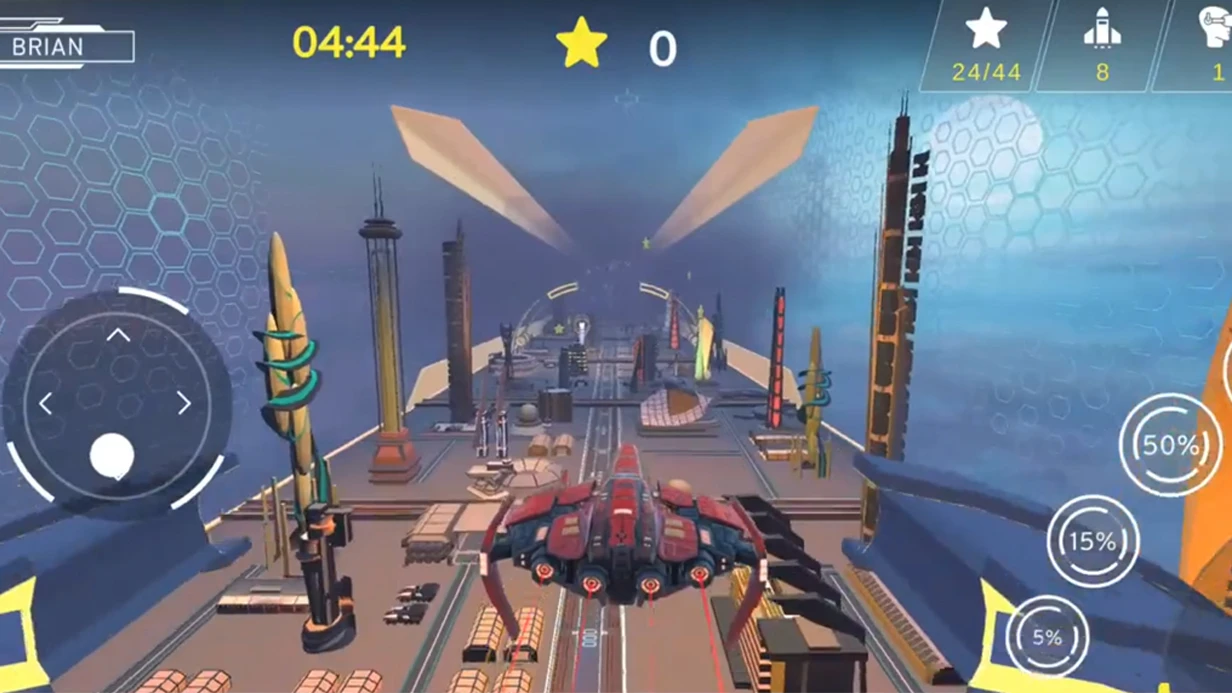
Everything is designed so that a guest enters the space with one click on a link—without installing software or registering. The controls are intuitive: like in a computer game or when viewing a panorama.
For staff, a short training session we conduct at launch is enough—it usually takes no more than an hour.
What equipment do visitors need?
Any modern computer, laptop, tablet, or smartphone will work. Special glasses and powerful graphics cards are not required.
The space automatically adapts to the screen: it's equally convenient to view the showroom on a large monitor in a meeting room or on a phone—while traveling or at an exhibition.
How do I update content and how much does it cost?
Updates are part of the working scenario. You change texts, prices, photos, and even videos yourself through a simple admin panel, without a programmer. If you need new scenes, additional languages, or interactive elements, we'll prepare a cost estimate for the specific task. For regular changes, we offer support plans to keep your showroom always up to date.
As you can see, most doubts are resolved upon closer inspection. If you still have questions, ask them directly, and we'll show you a showroom tailored to your task.Ready to Discuss Your Project?
Every virtual showroom project starts with a task: show a product, overcome venue limitations, surprise a client, or accelerate sales. We help you define the goal and choose a format that solves exactly your problem—without unnecessary spending on unneeded options.
Leave a request for a consultation—we'll review your situation, assess the scope of work, and propose 2–3 implementation options. We'll also provide a preliminary project estimate so you understand the budget and timeline before you start.
What's included in the consultation and estimate:
- Analysis of your task and audience—who the exhibition is for and what actions visitors should take.
- Format selection: a full 3D showroom, virtual tour, interactive catalog, or a combined solution.
- Timeline and stage assessment—a clear plan from brief to launch without unexpected delays.
- An approximate budget for your scale: number of objects, level of detail, integrations.
- Examples of similar solutions from our practice—you'll see how it works in your industry.
- Content recommendations: what to prepare to speed up the process and reduce cost.
You'll get a complete project vision and can decide whether to order a virtual showroom now or postpone it. No pressure, only facts and figures.
Fill out the form or message us—we respond within one business day. Make sure your product is available to customers at any time, from anywhere in the world.