



Window and Door Customers Are Going to Competitors Because of Dull Displays
A trade show visitor walks past dozens of booths with the same window and door samples. Even high‑quality products get lost in the crowd: eyes grow accustomed to showcases, catalogs, and consultants who all say the same thing.
An hour after browsing, a potential customer remembers only two or three brands—and usually not yours.
That is why some inquiries go to competitors before the final decision is made. The buyer isn't comparing technical specifications—he is comparing impressions. Where a product was shown in action, “touched” with the eyes, and made part of the selection process, attention stays. In a traditional display, a window or door is static, and therefore invisible.
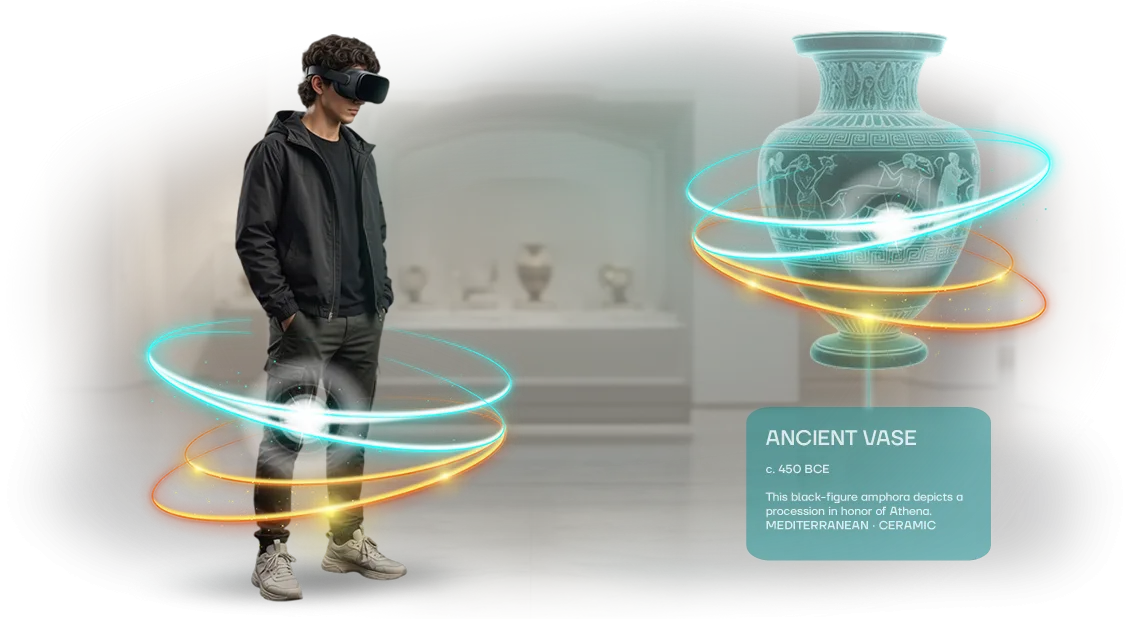
Virtual exhibitions and 3D showrooms change the rules of the game. The client sees not just a sample but a finished solution: how the profile looks in an interior, how the door opens, how light falls.
This kind of presentation holds interest for much longer and is remembered—which means it brings back the inquiries that used to go to brighter booths.
We help turn your exhibition into a format that sells on its own. You get a tool that works at trade shows, in customer correspondence, and on your website. A 3D showroom created once keeps bringing in buyers—without renting floor space or sending a team to every event.
What You Get from a Virtual Window and Door Showroom
A window and door buyer cannot “touch” the product online. He needs to see how a profile will fit into a house, which color suits the facade, and how the hardware works. Ordinary photos don't convey that feeling—the customer goes to those who present the product visually.
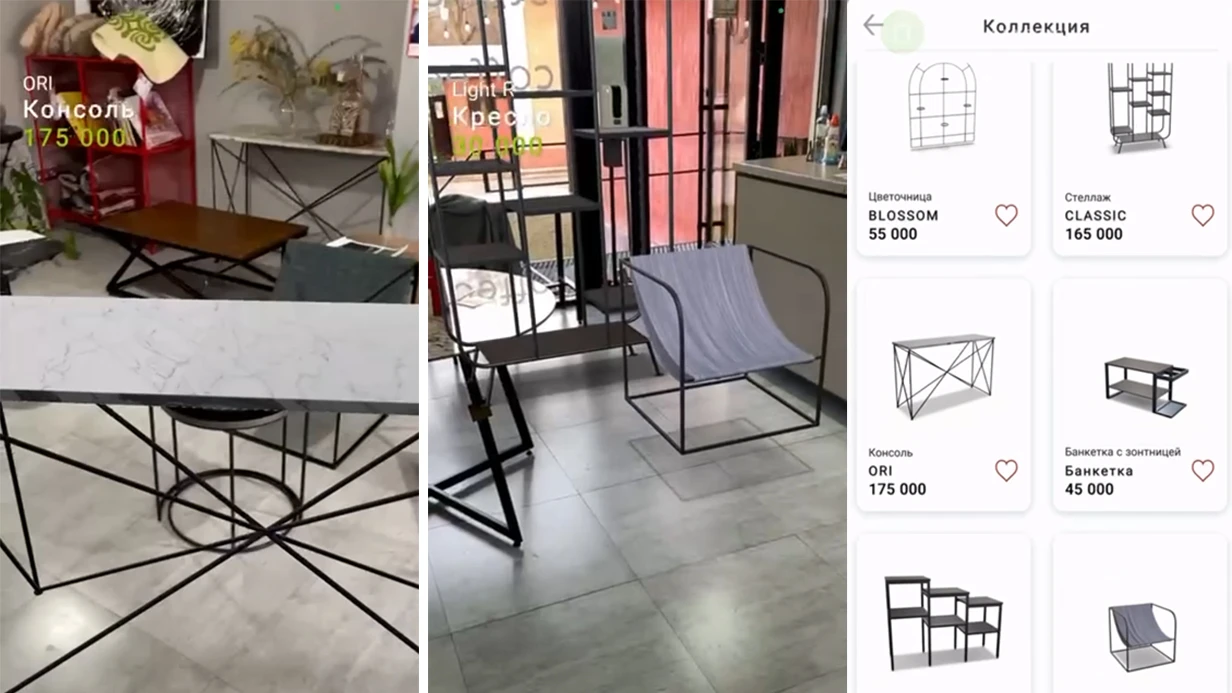
A virtual showroom closes that gap. While competitors send a PDF catalog, you give the buyer a live 3D fitting experience, just like market leaders such as VEKA. Here is what you get after launch:
-
Higher engagement. The visitor changes the profile color, looks at opening options, rotates the model, and “enters” a room with a finished window. Time on page increases many times over—the person studies the product instead of flipping through photos.
-
Broader reach. The showroom is available through a single link from ads, email, social media, or a QR code at an exhibition. You show the product to customers in any city, and your booth becomes a source of traffic to the virtual presentation.
-
Stronger brand recognition. An unusual format is remembered, talked about, and shared. Every screen carries your logo, brand colors, and style—this reinforces the image of a modern, reliable company.
-
Lead collection. Inside the showroom there are forms: “get a consultation,” “book a measurer,” “find out the price.” We set up automatic transfer of inquiries to your accounting system or directly to your managers.
In the end, you get a sales tool that pays for itself with higher conversion and average check. We handle development, content, and support—you just receive inquiries and close deals.
Virtual Exhibition and 3D Showroom Formats
When you need to present products to dealers or wholesale buyers, a photo catalog is not enough. Windows and doors are products that have to be “fitted” to an object: see the profile in a finished opening, assess the color and the opening mechanism.
So the format of presentation directly determines how quickly the customer makes a decision and wants to place an order.
Format Comparison
| Format | For Whom | What It Gives the Customer |
|---|---|---|
| Virtual exhibition | Manufacturers with a wide catalog and branches in different regions | Dealer coverage without business trips or venue rental. The visitor chooses exhibits himself, and you see which models were viewed most often |
| VR showroom | Companies that sell through a showroom or work on custom projects | A chance to show products in a realistic interior. This removes the main objection: “what will it look like in my place” |
| Hybrid solution | Trade show organizers and those who combine online and offline events | Combines a physical booth with a virtual space. Offline visitors get augmented reality, online visitors get full access to the exhibition |
Which Format Suits You
If your main goal is to quickly reach many dealers and regions, choose a virtual exhibition. It works as an always‑available catalog with a sense of presence: the customer walks through halls, opens interesting items, and you collect demand data.
For premium windows and doors, a VR showroom is better—it lets you place the products into a finished apartment or house interior and show them at 1:1 scale. This is especially important when a buyer is unsure whether the profile fits his project.
A hybrid format is the choice for annual industry events when you need to combine live communication at the booth with broad online coverage.
We will help you choose the best option for your task, design the navigation, and adapt the solution for any device—from laptop to smartphone.
How the Project Goes: From Brief to Launch
To make sure you get a showroom that really sells windows and doors, we have built a transparent process. At every stage you know what is happening and make key decisions—no surprises, no endless approvals.
- Brief and goals. A short conversation about your task: which assortment to show, who your audience is, and what result you need—more inquiries, awareness, or a convenient catalog. We agree on deadlines and immediately suggest a format.
- Concept approval. We show the hall structure, navigation, and visual style. You see how a visitor will move through the showroom and make changes before development starts—this eliminates rework at the finish.
- Creating 3D models. We model your windows and doors with realistic textures and colors. We send preliminary renders—you approve each item, and only then we move on.
- Assembly and setup. We place the models in the virtual space, add information points, the ability to change colors and materials, and “get a consultation” buttons. You receive a working version and test it on your computer or phone.
- Launch. We publish the showroom on your website or a separate page and check that it works correctly in all popular browsers. If needed, we connect an inquiry form or integration with your accounting system.
- Post‑launch support. We monitor stability, fix issues quickly, update models, and add new items on your request. You are never left alone with the product—we stay in touch.
The whole project takes from two to four weeks—the timeline depends on the number of models and scene complexity. You get not just a pretty picture but a commercial tool that helps customers choose windows and doors without visiting a showroom.
What Is Included in a Virtual Showroom Delivery
When you order a virtual showroom at our team, you get not just a 3D model but a ready‑to‑use sales tool. The package includes everything your managers need to start giving tours and receiving inquiries from visitors right away.
- Accurate 3D model of the exhibition — your windows and doors look as they do in real life: profile texture, glazing units, hardware, opening methods.
- Interactive elements — the visitor changes the frame color, chooses glazing type, opens and closes the sashes. This holds attention and moves the visitor closer to a purchase decision.
- Catalog with parameters — specifications, options, and price are shown right in the showroom, so the customer does not leave for another website.
- Training materials — short instructions and a recorded tour for your managers: how to work with the showroom, what to show first, what questions to ask.
- View analytics — you see which models are viewed most often, how long people spend in the showroom, and which options they choose. This is data for your marketing and purchasing departments.
- Support and maintenance — we update models on your request, fix details, and answer questions from your staff.
After handing over the showroom, we don't disappear: we hold a short webinar for your team, give access to training materials, and stay in touch. The result is a working sales channel that pays for itself through a higher volume of inquiries.
Case Study: How We Helped a Client Recover Their Investment
An ordinary website does not show a product “in action.” A customer who wants to buy windows or doors sees only a catalog with photos—and cannot imagine how the product will look in his own apartment.
That leads to hours of back‑and‑forth with a manager, doubts, and lost deals: the buyer goes to someone who can clearly show the result.
We faced this task in a project for the window and door manufacturer Okna-Briz. Instead of flat images, we built a virtual showroom: the visitor enters a realistic three‑room apartment where he can change profiles, glazing units, door colors, and hardware.
In a couple of minutes, the person sees the future interior—exactly as it will look after installation.
The results were measured in money, not impressions. Average session time grew from one and a half minutes to five minutes, conversion to inquiry went up by 38%, and the average check rose by 15%.
Buyers began to choose more expensive configurations more often: when the benefits are clearly visible, no persuasion is needed.
The payback came faster than people usually expect from digital tools. Two months later, the number of inquiries rose by 40%, and the sales department no longer had to explain “what it will look like”—the showroom answers that question before the phone rings. Six months later, the client came back to us for a second module for their dealer network.
This case shows: a virtual showroom for windows and doors is not a display window but a working sales tool that quickly returns the investment. We are ready to repeat the same result for your business—with your product line and your goals.
How to Choose the Right Virtual Exhibition Format?
There is no universal “best” virtual exhibition format—it is determined by your task. For windows and doors, it is important not just to show the product but to demonstrate how it works in an interior: light, texture, opening, combination with finishes.
So first answer this: what do you want to get—a flow of inquiries from the website, an impressive presentation at an exhibition, or a tool for managers to work with clients?
The second criterion is your audience. If your buyers are individuals who choose windows once every few years, they need a clear and visual option—for example, a virtual showroom tour where they can “step into” each room.
If you work with designers and builders, a 3D showroom with realistic visualization and a focus on the technical details that professionals care about is more suitable.
The third point is budget and timeline, but not as a limiter—rather as a planning framework. Often it is enough to start with an interactive 3D catalog and later expand it to a VR presentation or a full exhibition space. That way you avoid overpaying at the start and get results within a few weeks.
The good news is that the format does not have to be the only one. Many of our clients use a combination: a virtual showroom for the website and outdoor advertising, and compact 3D modules for presentations and manager work. In any case, the right choice starts with your business goal, not with a trendy technology.
We will help you choose a format that fits your task and your budget so that every amount invested works toward a measurable result—inquiries, meetings, and contracts. Tell us how you plan to use the virtual exhibition, and we will suggest the best solution.
Common Doubts Before Ordering a Virtual Exhibition
Doubts before developing a virtual exhibition are normal. Any budget you plan to invest, you want to evaluate in advance: will the project bring new clients, and when will it pay off? Here we address the three most common fears and show they can be resolved.
What if the project doesn't pay off?
A virtual showroom works around the clock. A visitor can review your assortment at any time—for example, window and door profiles at real scale, compare colors and textures—without waiting for a manager's call.
This kind of clarity speeds up the purchase decision and increases conversion—the investment pays off with the very first deals.
How long will development take?
A standard project takes two to four weeks. The exact timeline depends on the number of items and the level of detail, but you immediately get a phased plan with dates. We work remotely and don't block your processes: it's enough to send photos and floor plans.
What if the product breaks or becomes outdated?
We use professional tools supported by manufacturers and give you an instruction manual. The project is never left unattended: at launch we help set everything up, and when the collection changes we add new models. The exhibition grows together with your catalog.
Every project is secured with a contract with fixed deadlines and a guarantee on the result. This is not a gamble but a calculated step toward sales growth.Book a Showroom Consultation
Don't know what your brand will look like in 3D space? A consultation is your chance to see it before development starts. We will show you with examples how a virtual showroom helps sell windows and doors, attract customers, and stand out from competitors.
What you get on the consultation:
- An analysis of your task and target audience—who exactly you are showing the product to.
- A demonstration of real projects from our clients so you can “eyeball” the format.
- A preliminary structure of your future showroom: halls, displays, product presentation scenarios.
- Recommendations for interaction scenarios: detailed viewing, configuration selection, placement.
- A clear understanding of the timeline and development stages without technical details.
- Answers to your questions directly from the project engineer, without intermediaries.
How the consultation works:
- You leave an inquiry on the website—this takes a minute.
- We contact you during the business day and agree on a convenient time.
- On the call, we analyze your task: which products to show, who will use the showroom.
- We demonstrate relevant examples and describe how your brand will look in virtual space.
- We record the outcome: you get a clear picture of the product and a plan for next steps—with no obligation.
The inquiry does not obligate you to anything. You get an expert assessment, and in the future—a working sales tool that brings in inquiries every day.