

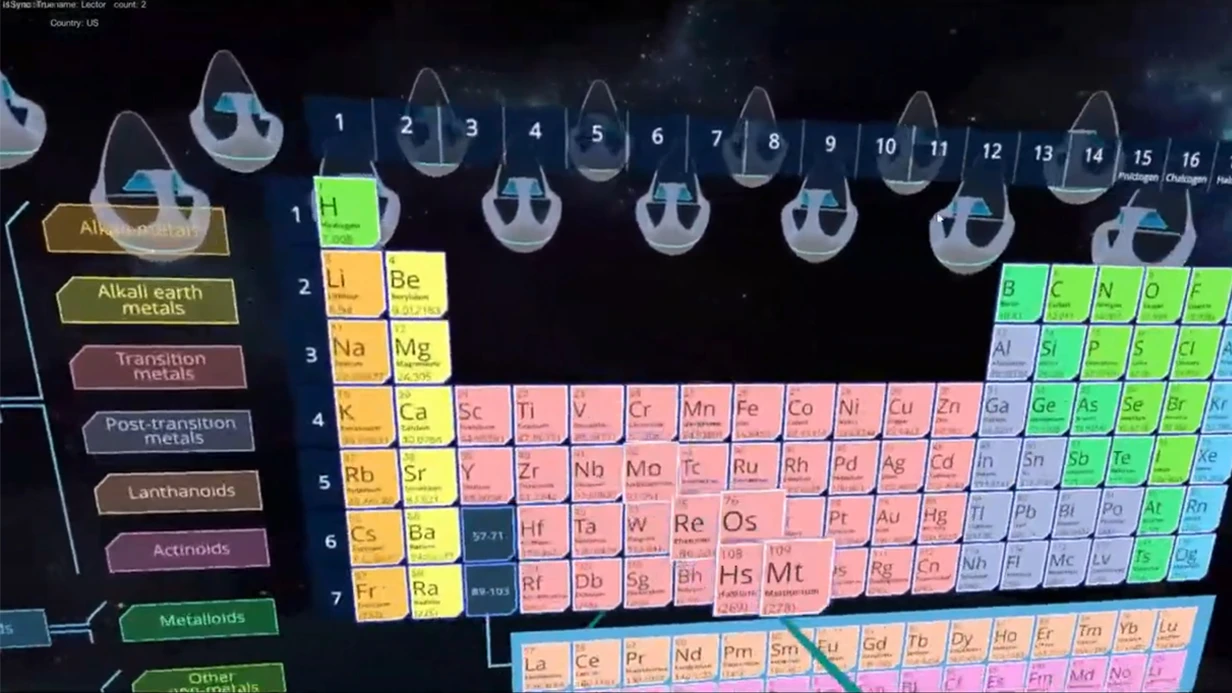


Why virtual meeting 3d is changing the rules of exhibitions
Old exhibition formats are losing effectiveness: floor rental is getting more expensive, the geography of participants is limited, and visitors are increasingly less responsive to standard booths. Business needs a digital format that works to attract customers, not just imitate offline.
A virtual exhibition based on a 3D showroom solves this problem — it is accessible from anywhere in the world and requires no logistics budget.
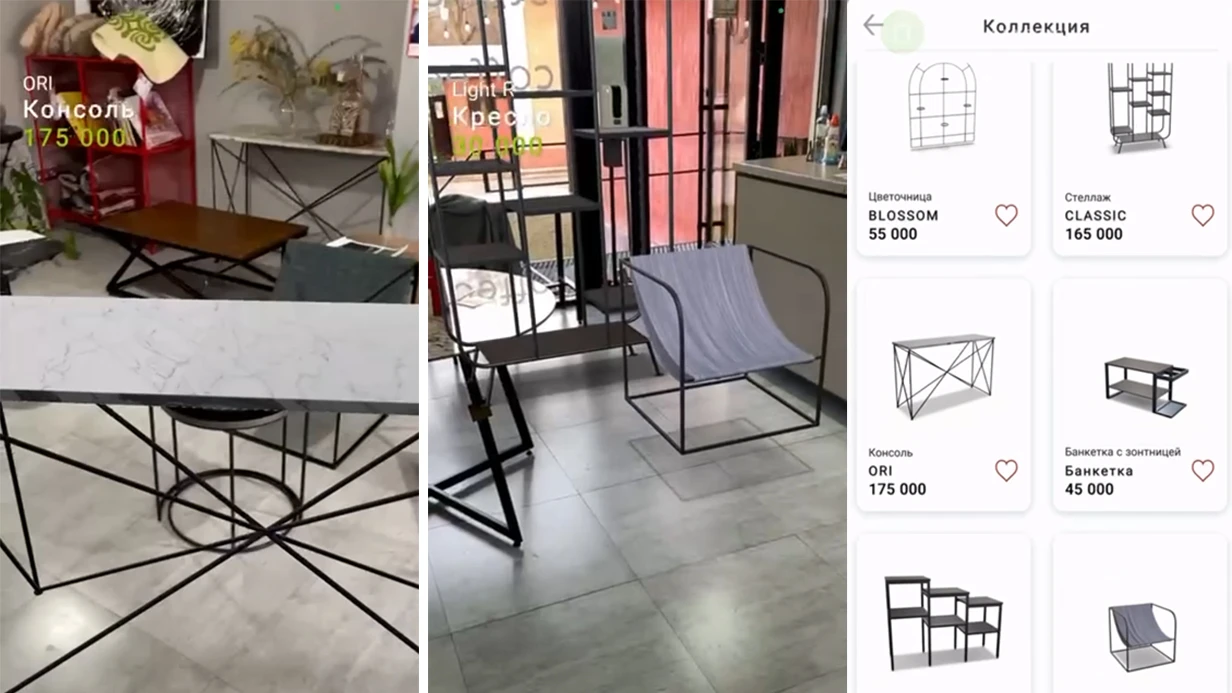
Market leaders have been using such solutions for a long time: for example, IKEA builds interactive spaces where shoppers "walk through" rooms and examine products. The same approach is moving into B2B events, and virtual meeting 3d is becoming a key sales tool.
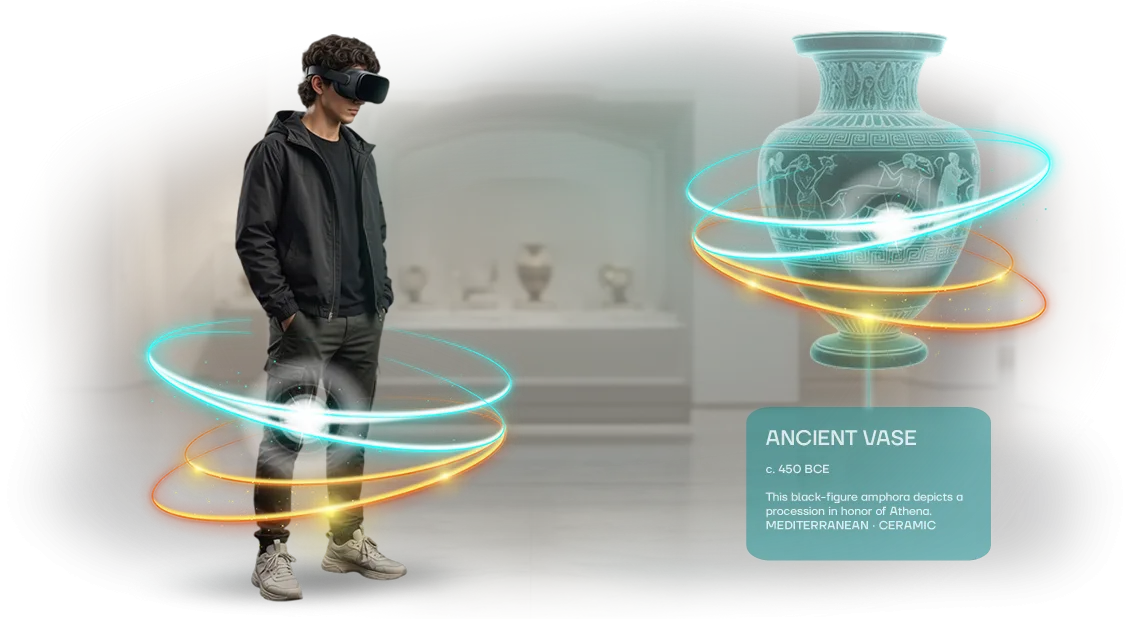
A 3D showroom makes it possible to hold a virtual event with the effect of personal presence: visitors move through halls, interact with exhibits, and communicate with brand representatives in real time.
This holds attention 3–4 times longer than a regular website or presentation and turns every guest into a potential customer.
We meet this need: we design and launch virtual exhibitions and 3D showrooms turnkey — from concept to technical implementation. The client gets a modern sales channel that pays for itself by expanding reach and increasing conversion.
What benefits does business get from virtual events
Virtual events remove the limitations any business faces with offline events: venue rental, logistics, being tied to one city and one day. Instead, you get a tool that simultaneously works on reach, engagement, contact collection, and a memorable brand image. Below are the key benefits we build into every project.
| Benefit | What it means for business |
|---|---|
| Audience reach | Guests from different cities and time zones participate — without travel costs or hall rental. |
| Engagement | Interactive zones, live sessions, and 3D spaces hold attention and increase visit duration. |
| Lead generation | Registration, surveys, and activities collect contacts that immediately enter the sales funnel. |
| Brand awareness | Brand identity and unconventional product presentation are remembered, and guests share their impressions. |
Note which of these is most relevant to your business right now:
- Expand customer geography without increasing the travel budget;
- Increase the depth of product familiarity and time spent engaging with the brand;
- Get a ready-made database of interested contacts for the sales department;
- Create a vivid company image that people talk about after the event.
Each point is covered by our platform: we design the scenario so that the guest moves step by step from first introduction to submitting a request. You don't just hold an event — you get measurable results in all four areas.
3d formats for virtual meetings and presentations
Each 3D format addresses its own business challenge, and the choice directly affects the outcome. A virtual tour shows the entire space, a 3D presentation helps explain a complex product, and a virtual showroom replaces a physical catalog. We match the format to your goal, so you don't overpay for unnecessary options.
Below are typical scenarios clients come to us with. We work with professional tools, including solutions at the level of Matterport, but we build the project around your task rather than using an off-the-shelf solution.
| Format | Who it's for | What it gives the client |
|---|---|---|
| Virtual tour | Companies with offices, showrooms, facilities | Shows the space without travel, builds trust before the visit |
| 3D presentation | Sales and marketing departments | Visually explains the product, shortens deal time |
| Virtual showroom | Manufacturers and distributors | Access to the full catalog 24/7, growth in repeat orders |
| 3D meeting | Event and training organizers | Live interaction among participants, sense of presence |
A virtual tour is especially useful when a client is choosing between you and competitors: they "walk through" the facility without spending time on the road.
A 3D presentation holds attention during a sales meeting — instead of flat slides, you show the product in volume. A virtual showroom works like a permanently open storefront: clients return to the catalog at any time and reorder familiar items.
To understand which format will deliver maximum effect for your task, start with a consultation. We'll analyze your audience, usage scenarios, and propose a format that will pay off from the first launch.
How the project goes: from brief to launch
A virtual exhibition project is not "send us the materials and get a link a month later." It's a live process with clear stages and checkpoints: you always know what's happening, what's next, and how it affects the result. We've structured the work so that you make decisions rather than dive into technical details.
-
Brief and interview — we capture goals, objectives, and audience. We determine what the platform should deliver: more leads, partner engagement, visitor education, or reaching a new audience. The outcome is an agreed-upon document everyone can reference.
-
Plan and estimate — we show the schedule, stages, and budget. No hidden costs: you understand what you're paying for and when you'll get the finished solution.
-
Prototype and scenario — we map out the structure of the space: what zones there will be, how the visitor moves, where they interact with exhibits. At this stage it's easy to make edits before 3D assembly begins.
-
Design and 3D graphics — we create a visual style for your brand and work out the space and objects. You see intermediate renders and approve key decisions.
-
Assembly and content — we place content: presentations, descriptions, videos, interactive elements. We set up online meetings and transitions between halls.
-
Testing and launch — we check performance on different devices and internet speeds and eliminate bottlenecks. We publish the platform and train your team to manage it.
-
Support and development — we stay in touch: update content, add sections, help with new events. The project keeps working after launch.
In the end, you get not just a 3D platform, but a measurable business tool and a transparent partnership process where every stage brings you closer to the goal — without surprises or downtime.
What's included in the delivery and what you get
When the project is complete, you don't get "developers on call" — you get a working asset: a virtual exhibition that can be opened on any device. All documentation, access, and source materials remain with you — you don't depend on us for day-to-day operations.
Below is a typical delivery package. If you have a special case, we adapt it to your business needs.
- A ready-made 3D platform: a virtual space that works in the browser with no installation. It's a permanent venue for your audience's meetings.
- Exhibition content: booths, exhibits, videos, up-to-date materials. Everything your first visitors need on launch day.
- Admin panel: you update content, change texts, and add new exhibits yourself without involving developers.
- Team training: a session after which your employees can conduct tours, invite guests, and answer questions in chat.
- Documentation and access: instructions for administrators and visitors, accounts, source files — everything needed to use the platform fully.
- Technical support after launch: for an agreed period, we help with questions, updates, and refinements as the project grows.
- Attendance and user behavior analytics: you see which booths are viewed most often, how long visitors stay, and what to improve next.
Case study: how a virtual exhibition increased leads
A regular exhibition means rental, logistics, and significant expenses, and the reach is limited to a few days and one city.
Our client, industrial equipment manufacturer PromTech, came with the task not of "building a website" but of getting a working sales tool: showing products to dealers from different regions and collecting requests without business trips.
We created a virtual 3D showroom where visitors could examine equipment from every angle, open specifications, and immediately book a meeting with a manager.
The goal wasn't a pretty picture — it was an online platform that genuinely replaced attending an exhibition, with live communication, presentations, and working contacts.
The results exceeded expectations: in one month, 2,500+ people from 14 regions visited the virtual exhibition — 6 times more than attended the company's previous offline exhibition. We held 180 negotiations, and 47 dealers left qualified requests.
The company got 3 times more qualified leads, and the cost per lead was 60% lower — even accounting for platform development.
After the event, 30% of participants continued contact with managers: the company signed 9 new supply contracts. The virtual exhibition paid for itself within two weeks and became a permanent format — PromTech now holds it quarterly, saving on rental, logistics, and travel.
This case shows: 3D space doesn't replace live communication; it expands the sales funnel without increasing the marketing budget.
How to choose the right format for a virtual exhibition?
There is no one-size-fits-all format: what works perfectly for presenting a new product fails during long-term engagement with an existing audience. So the main step is defining the event's goal: mass reach, training, negotiations, or demonstrating a complex product. Each goal needs its own interaction scenario, and the choice follows from there.
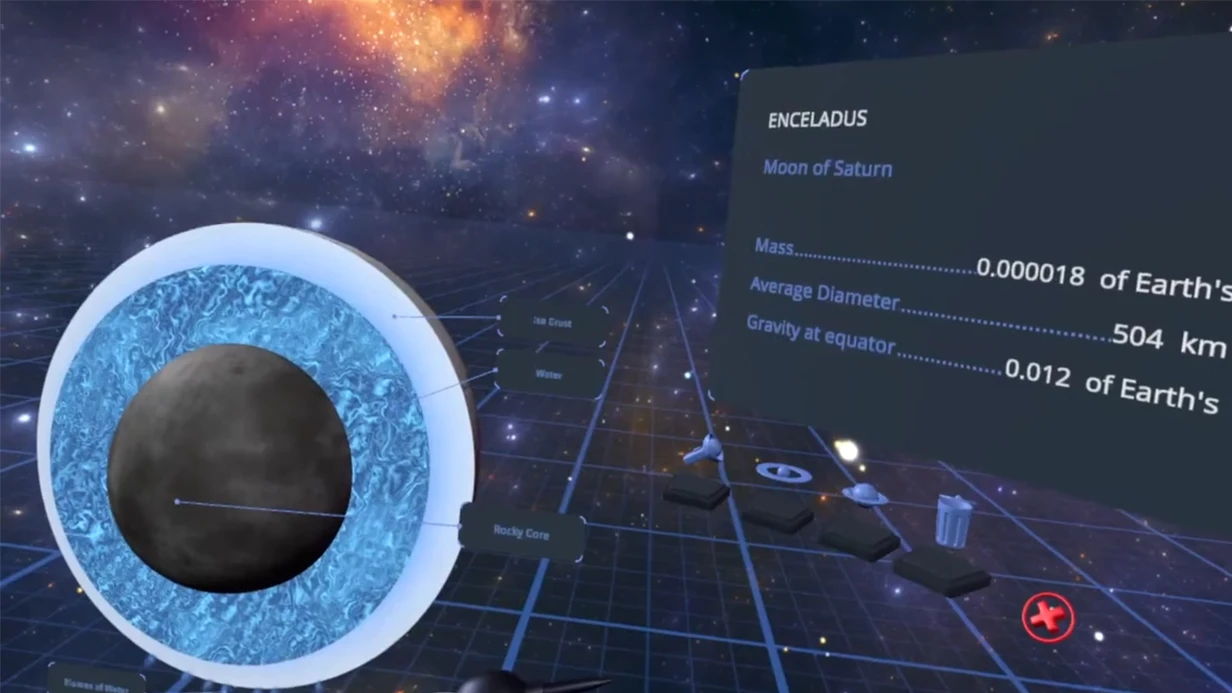
For businesses with a large product assortment, a full 3D showroom is more effective, where visitors wander through halls and examine products from different angles.
Companies selling complex services or working with a small number of key clients are better served by virtual meeting rooms with a manager present.
For a broad audience, a bright exposition with a live stream and chat is sufficient — it requires no deep interaction and scales easily.
The second factor is the specifics of the industry. A furniture manufacturer needs to show texture and scale, so we choose realistic materials and free navigation.
A wholesale supplier needs to move guests quickly through the catalog and take orders — built-in forms and integration with an accounting system matter more here. In every case, we choose the format based on how guests actually make decisions, not on abstract trends.
In the end, the right logic is from task to format, not the other way around. We start with a short analysis of your product and audience, then define guest scenarios and design the platform around them. That way a virtual exhibition becomes a working sales tool, not just a flashy picture.
Frequently asked questions about virtual exhibitions and their solutions
Clients often hesitate before launching a virtual format: will visitors figure it out, will there be enough time to prepare, and who will support the project after it opens. We answer these questions directly — without complex technical details, only what matters for your result.
How long does it take to launch a virtual exhibition?
Usually two to four weeks from concept approval for a standard showroom. At the start we lock in the timeline and show intermediate results stage by stage — you always know what's happening.
For large-scale projects, timelines are discussed individually and are always stated in the contract.
How quickly will visitors figure out the space?
We design navigation so the visitor's path is intuitive: clear signs, hints, and guidance on first entry. Before launch, the platform is tested with real users, so you get a user-friendly interface by opening day. If a guest still has a question, chat support is provided.
Who will update the showcase after launch?
We handle the maintenance. On your request, we change materials, add new sections, and monitor service stability. You focus on negotiations and promotion, and we handle the technical side.
How do we know the virtual exhibition is delivering value?
We prepare analytics for you on attendance, interest in sections, and visitor behavior patterns. You see how many people came, which zones they explored, and where they lingered. That's enough to assess reach and understand which exhibits draw attention.
Let's discuss your project: get a plan and estimate
Leave a request — and within one business day we'll hold a consultation. We'll break down your task: who will use the virtual space, what scenarios are needed, and how the 3D format will affect reach and deal velocity.
After the conversation, you'll receive a work plan and a cost calculation tailored to your budget. No vague "from-to" numbers without details — only concrete stages, timelines, and the result you'll see from the start.
What you get after contacting us:
- a work plan with stages and timelines — you understand what will be ready and when;
- a cost calculation in two or three options — from basic to expanded;
- a consultation — we answer questions about scenarios and formats;
- recommendations for integration with your website and social media;
- a commercial proposal with the team composition and guarantees.
This is not binding: even if you decide not to launch the project right now, you'll have a clear estimate and a plan you can move forward with.
Leave a request — and we'll discuss your virtual exhibition or 3D showroom this week.