



Is Your Tourist Complex Losing Guests? Here's How to Fix It
A tourist complex loses guests because it gets lost among hundreds of similar offers. A client scrolls through websites, sees the same photos and descriptions — and doesn't understand what makes you different. They choose the property that managed to impress them before the trip.
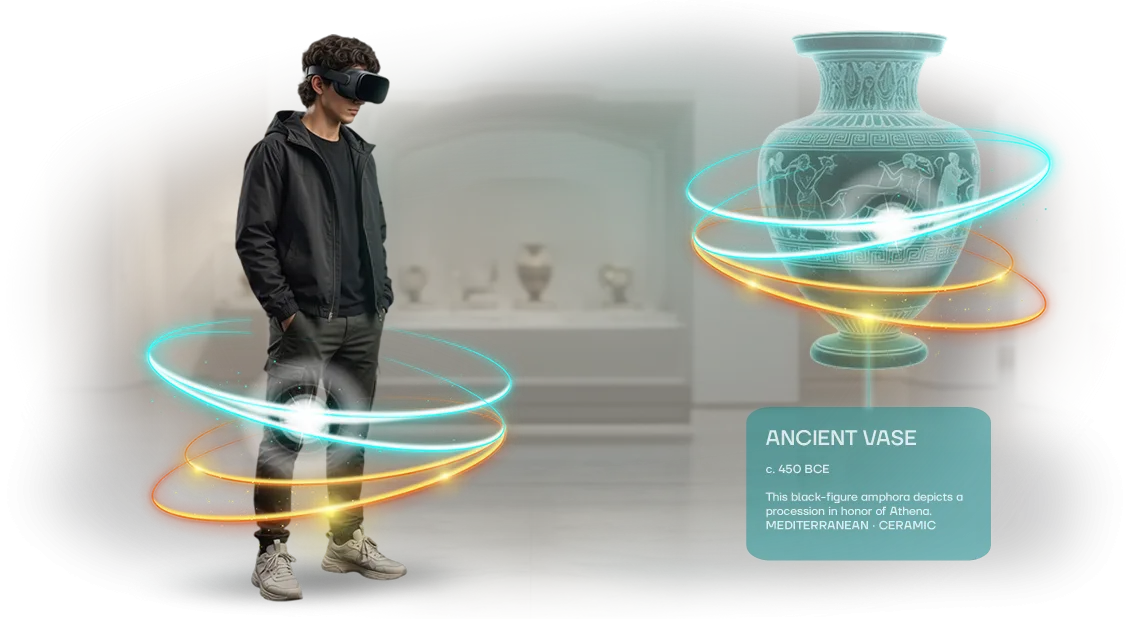
A virtual tour becomes a guest attraction tool: it shows your complex in action before guests even arrive.
Modern technology in tourism is no longer just a "stylish decoration." A virtual tour builds an emotional connection with the place: a guest can stroll through the grounds, look into rooms and common areas, see the atmosphere of evening lighting, or take in a panorama from a viewing platform. Such a journey takes 2–3 minutes, but it is exactly what removes doubts at the moment of booking.
For a tourist complex, the benefit is obvious: fewer empty bookings and more direct inquiries. When a guest has already mentally visited your property, they are more likely to choose your option at the comparison stage.
As a result, booking depth grows, along with the share of repeat visits and the average check through add-on services: spa, restaurant, excursions. All of this leads to revenue growth without extra advertising spend.
We create virtual tours tailored to the specific needs of each property: for one complex, showing the grounds is more important; for another, the lobby or restaurant. We shoot with professional equipment, assemble the tour, and integrate it into your website and social media.
You get a tool that starts attracting guests immediately after launch and pays off through new bookings.
What Benefits Will a VR Tour Bring to Your Property
Tourists often choose a complex based on photos and reviews, but that's not enough to remove doubts before a trip.
A virtual tour gives guests an honest feeling of "I've already been there" before booking: they see the grounds, rooms, views, and infrastructure, so they more willingly decide in your favor. This means more requests and bookings without expanding your ad budget.
Engaging guests is the second important effect. The VR format holds attention noticeably longer than a regular video, and the emotion "I want to see this with my own eyes" triggers the desire to plan a trip.
A satisfied guest shares the link with friends and talks about their experience, so brand awareness grows together with live recommendations.
For tourism marketing, this is a universal tool: a virtual tour can be placed on your website, in social media, and on travel platforms, and it works at exhibitions and offline points of sale.
Unlike one-off ad campaigns, a tour stays with you for years and keeps bringing in new guests without constant investment.
To keep the image smooth and truly "alive," we use professional equipment and proven development tools, and we adapt the final solution for different devices — from smartphones to VR headsets.
We support the project from idea to launch, so you get not just a video but a ready-made marketing asset that increases guest engagement and makes your tourist complex recognizable anywhere in the country.
VR Tour Formats for Different Tasks
A tourist complex has several tasks: show guests the grounds, interest them in a room or entertainment, and let them "sample" the atmosphere before arrival.
One format rarely covers everything — so we match the virtual tour to a specific goal: overview, detailed, or interactive.
How to Choose a Tour Format
| Format | Who it's for | What it gives the client |
|---|---|---|
| Overview tour | For tourists choosing a destination | Shows the grounds and key facilities, creates the desire to visit. Increases booking conversion. |
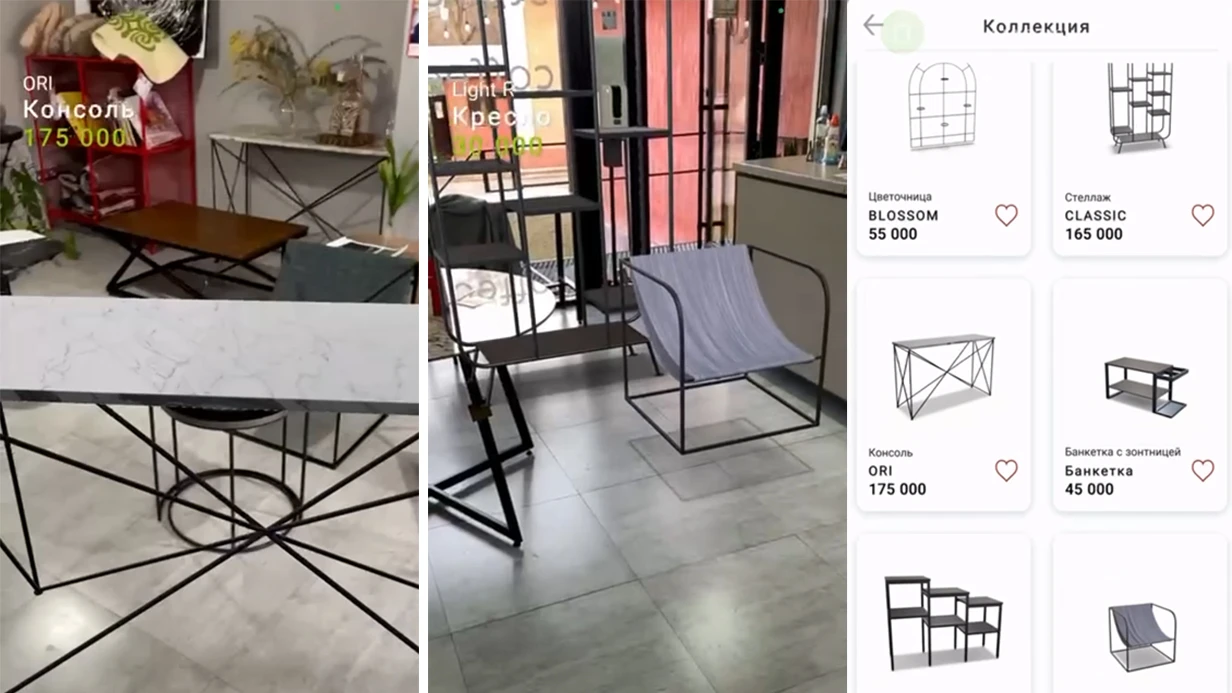
| 3D showroom | For guests unsure about a room or hall | Detailed inspection of rooms, restaurant, conference halls. Removes "doesn't match the photos" objections. |
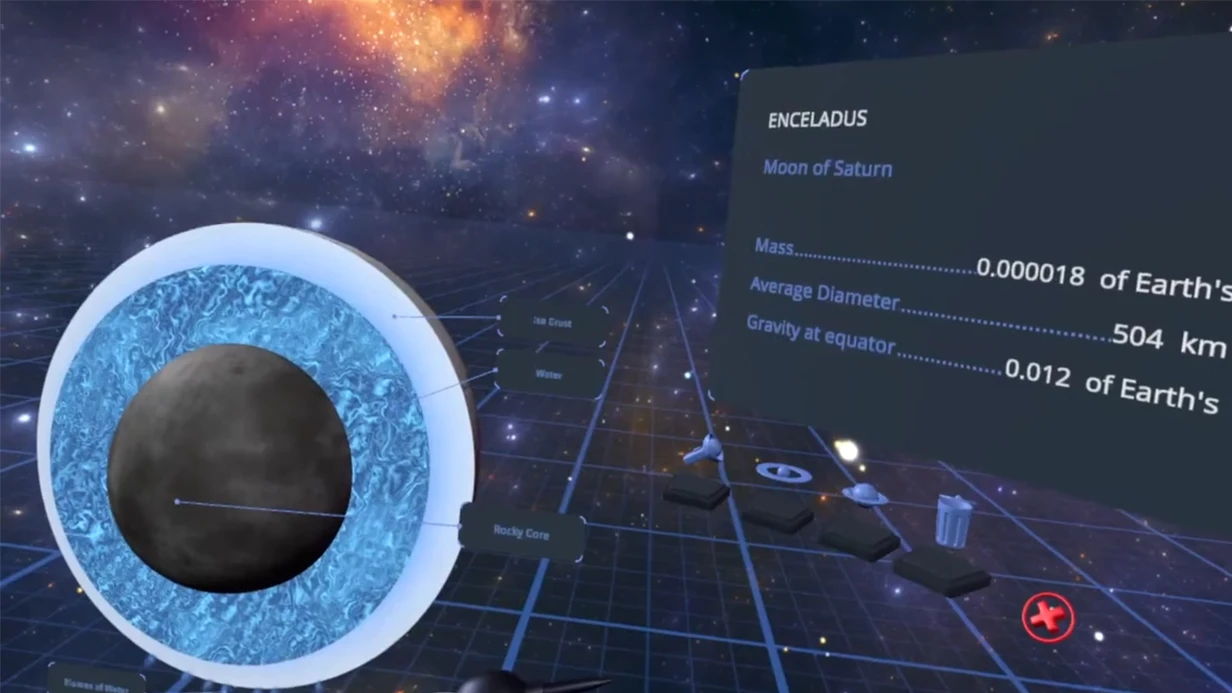
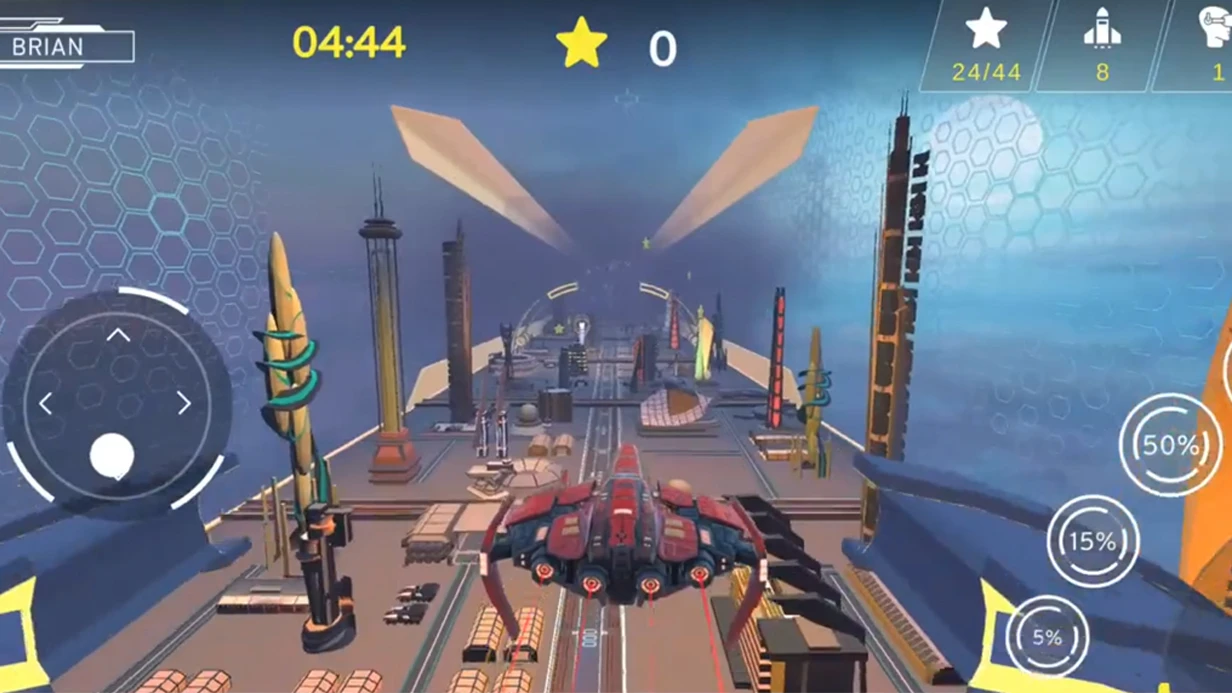
| Interactive tour | For families and young people | Game scenarios, quests around the grounds, hotspots with stories. Holds attention 2–3 times longer than regular video. |
After this kind of format, guests feel the complex before they arrive and book more confidently. For you, it's also ready-made content for your website, social media, and aggregators.
We have already created virtual tours for country hotels and ethno-parks. After launching a 3D tour, the number of requests from the website grew multiple times, and repeat visits from guests who had "been there" in advance became more frequent.
How We Create a VR Tour: A Step-by-Step Process
We structure the work on a VR tour so you always know what's happening. The development of a virtual tour is divided into six clear stages: from brief to launch. At each stage, you see the result and approve the next step — no surprises.
- Brief and goals. We listen to what matters for your tourist complex: which places to show, what atmosphere to convey, who your audience is. We agree on the timeline and tour format.
- Scenario and plan. We map out the route around the grounds: entrance area, main facilities, viewing platforms. You approve the scenario before work begins.
- Material gathering. We create panoramic photos and spatial models, then connect them into a single tour with navigation and prompts.
- Project review. You look at the draft version and make edits: change points, add texts, fine-tune details. We include edits until you're comfortable.
- Optimization and testing. We adjust loading speed, check performance on different devices, and make sure guests can easily understand the controls.
- Launch and support. We publish the tour on your website and social media, train your team, and stay available for updates.
This process is transparent: from the very start you understand the stages of creating a VR tour and control the quality. That allows you to launch the project on schedule and get a solution that enhances guest experiences and interest in the complex.
What's Included in the VR Tour Delivery
The "VR tour delivery package" for a tourist complex includes everything needed to put the project to work from day one.
You get not just files but a complete solution: the tour, instructions, equipment, and support — nothing needs to be figured out or ordered separately.
What exactly you receive
-
Ready-made virtual tour. A fully edited tour of the grounds with an audio guide, smooth transitions between locations, and interactive points. Visitors can immediately immerse themselves in the journey — from the entrance to the viewing platform.
-
Staff instructions. A simple guide on launch, daily equipment checks, and actions in non-standard situations. Employees can get up to speed within an hour; no in-house technician needed.
-
Visitor instructions. Clear tips: how to put on the headset, how to move around, and how to interact with objects. QR codes at the desk lead to a short demo video — every guest can easily start on their own.
-
Equipment setup and testing. We deliver professional headsets, calibrate them on your premises, and test the entire route before opening. You launch the tour without installation work or surprises on the big day.
-
Technical support. A dedicated communication channel with an engineer. We help with failures, answer questions during working hours and peak complex hours. If something goes wrong, we resolve it quickly so your guests don't notice.
-
Content updates. When new facilities appear or the route changes, we supplement the tour. One request — and in a few days the updated version is ready for you.
-
Training materials and documentation. Video instructions, printed checklists, and access to a private knowledge base. All this helps train new staff and quickly solve routine tasks.
This package covers everything — from launch to daily operation. And if you need help, you always know who to contact.
Case Study: A Historical Site — 40% Growth in Visits
How we did it
The historical complex The "Tikhy Bereg" Estate has a unique territory and museum collection, but the flow of guests was limited to the nearest region. Tourists from other cities didn't want to travel "blind," and young people saw the museum as a boring place.
That's how the VR tour case study came about: a virtual tour of the estate, park, and exhibition with an audio guide and interactive points.
Now visitors can walk along the alleys, look into the halls, and feel the atmosphere in advance. This removes the barrier of the unknown: a person sees the value before the trip.
For the complex itself, the tour became a working sales tool — it was integrated into advertising campaigns and the booking page.
Numbers after launch
The implementation result exceeded expectations: in the first tourist season, visitor numbers grew by 40%, and the share of guests from other regions nearly doubled.
Online ticket sales rose by a quarter, and the average time spent on the site with the virtual tour tripled — people aren't just looking, they're planning their visit.
We also note the increase in repeat inquiries: tourist groups and schools began booking tours after already seeing the route in advance. The complex's director emphasized that the virtual tour paid off through the increase in visitor flow, not just as an image project.
This case shows: a VR tour is not a website decoration but a guest acquisition channel. If a property has history and atmosphere, a virtual introduction converts interest into real visits.
How to Choose a Format for Your Property and Goals?
It's hard to answer this question directly because there is no ideal format — only the one that solves your problem.
Before ordering a virtual tour, decide what matters most to you: showing the scale of the territory, selling a specific tour, or keeping a website visitor's attention for more than 30 seconds. Everything depends on this: depth of detail, navigation method, and the cost of the project.
If your goal is quick reach and a clear overview of the territory, panoramic photography with transitions between key points is enough: entrance, embankment, restaurant, room inventory.
A website visitor gets a sense of presence and understands the layout of the complex in a few minutes. This format is ideal for first brand touchpoints and works as a "preview" before the visit.
When you need to show not only the territory but also interiors, furniture, and the view from the window — choose a 3D showroom format with detailed objects.
It costs more to produce, but it creates a "walking" effect without a human guide: the guest decides where to go and what to look at. For premium complexes or properties with unique infrastructure, this becomes the main booking argument.
The third option is a guided tour with a virtual guide. It doesn't replace free exploration but leads the visitor through a narrative: showing landmarks, local legends, and seasonal activities.
This format solves two tasks at once: it increases time on site and says what a sales manager would say. The guest arrives already "in love" with the property.
In practice, we often combine formats: a panoramic overview of the territory + 2–3 detailed points with a guide. This covers the needs of different audiences: some want to quickly assess the map, others want to be inspired by an emotion.
Tell us which visitor group you want to attract and what they should feel after viewing — and we'll offer a specific solution without overpaying for extra functionality.
Frequently Asked Questions About VR Tour Implementation
The first questions about VR tour implementation from a tourist complex owner aren't about technology but about risks: will the equipment break, who will train the staff, how quickly will the project start to deliver value. We've collected the most common concerns and answer them briefly — without technical details.
How long does VR tour implementation take?
A typical turnkey project takes 2–4 weeks. That includes content creation, equipment setup, and training your staff. If the tour is needed for just one facility, launch is possible even faster.
Do we need to hire a technical specialist?
No. We train your team in one day, and technical support is provided for the duration of operation. For daily launches, the "start" button is enough — everything else is automated.
How quickly does a VR tour pay off?
With a steady flow of guests, additional sessions and a higher average check return the investment within one season. The tour itself becomes a point of attraction, a reason to return, and a reason to recommend the complex to friends.
What if the equipment fails?
We quickly resolve issues under warranty, and for seasonal properties we provide backup equipment. The tour doesn't stop even on peak dates — visitors won't notice a thing.
If your question isn't on the list, ask us directly. We'll tell you whether a VR tour is right for your complex and how to integrate it into your existing route.Order a VR Tour for Your Tourist Complex
For a tourist complex, a virtual tour is the first point of contact with a guest before the trip. Travelers choose places based on photos and videos, but only a VR tour conveys the scale of the territory, the atmosphere of the space, and the real details of the rooms.
A person has already "been" to your property, so they book more confidently, and the number of inquiries grows.
We handle the turnkey development: from scenario and shooting to placement on your website and social networks. To order a virtual tour for your tourist complex, just go through a short checklist.
- Leave a request on the website — during working hours we'll call you back within an hour and answer your questions.
- Tell us about the complex: area, key facilities, infrastructure, target audience. That's enough for an initial assessment.
- Receive a format proposal: panoramic tour, territory flyover, interactive points with information, or a combined solution.
- Approve the scenario, timeline, and acceptance stages — at every step you see what we're doing.
- Accept the finished VR tour, and we'll help embed it on your website and prepare materials for social media.
- One month after launch, we'll show you view statistics — you'll see the real guest response.
That's what a turnkey order looks like: you define the task, we bring it to a finished product and publication. If you're unsure which format suits your tourist complex, leave a request — we'll consult you and offer a solution that strengthens recognition and brings new guests.