



Why a Zoo Loses Visitors and How to Restore Interest in the Exhibit
Visitors come to the zoo for emotions, but over time the familiar exhibit stops surprising. Even well-kept enclosures and rare animals don't help: the audience has seen it before, and interest in the exhibit fades. As a result, the zoo loses visitors, and with them income from tickets, cafes, and souvenirs.
The problem is not that animals have become less interesting. The classic "look at the inhabitants" format has simply exhausted itself for regular guests.
Families with children come once or twice a season, and then they need a new reason to return — otherwise they choose other leisure activities.
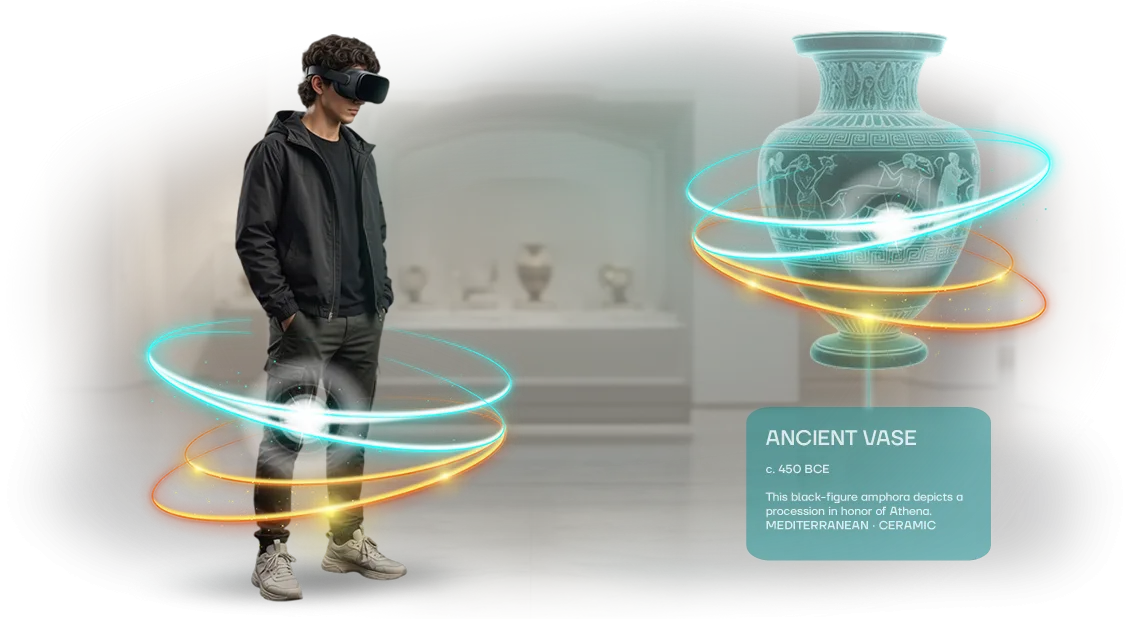
A virtual tour creates exactly such a reason. It turns an ordinary trip to the zoo into an exploration: you can look into enclosures that are usually hidden from view, see animals up close, and learn stories that aren't on information signs. Guests get a new experience, and the zoo gets an additional argument for a return visit.
Moreover, a virtual tour also works beyond the territory. Remote viewers who haven't yet decided to visit see zoo life from the inside and want to see it live.
Schoolchildren study the material in an unusual format, and adults share links on social media — this is how people who haven't been yet learn about the zoo.
We help zoos restore interest in the exhibit through such digital formats. Over the years, we've made virtual tours for different spaces and know how to turn them into a tool for increasing attendance. We'll tell you how this could look for your zoo in particular.
What a Virtual Tour Gives a Zoo Beyond the Regular Exhibit
The classic zoo exhibit attracts only those who can come in person. A virtual tour removes this limitation: the viewer can stroll through the enclosures without leaving home, and this is exactly what opens up new opportunities for zoo development.
The first and main benefit is growing interest in the institution. People who hesitated to travel from afar or doubted whether it was worth their time get the chance to see the inhabitants in advance.
This lowers the barrier and increases the number of real visits: a virtual acquaintance often becomes the first step toward an in-person visit.
The second benefit is reaching a remote audience. Schoolchildren from other regions, families with small children, people with limited mobility — all of them remained outside the reach of the regular exhibit.
A virtual tour includes them in zoo life, turning a one-time event into an ongoing educational resource that can be used again and again.
The third benefit is visibility. A virtual tour easily integrates into a website, social media, and educational programs. It is shared in messengers, biology lessons, and family groups — every view works for the zoo's brand.
Such content doesn't become outdated but attracts attention for years, supporting interest both in the animals themselves and in the zoo's activities as a whole.
Finally, a tour provides a unique experience that cannot be gained in an ordinary visit: close-ups of animals in their familiar environment, access to closed areas, and views from unusual angles.
This is what sets the zoo apart from competitors and builds a loyal online audience that eventually turns into regular visitors.
Virtual Tour Formats for a Zoo: Overview and Thematic Tours
Before launching a virtual tour, it is important to understand what the visitor should do after watching: come to the zoo for emotions, prepare for a school project, or become interested in an event. The tour format depends on this.
Overview and thematic tours solve different tasks and therefore require different budgets and shooting volumes.
| Format | For whom | What it gives the zoo |
|---|---|---|
| Overview tour | Families with children, tourists, anyone who wants to get to know the zoo | Quickly shows the main enclosures and atmosphere, motivates a personal visit. Launches quickly, provides broad reach |
| Thematic tour | School groups, special-project participants, audiences with deep interest | Immerses in a theme ("Savannah," "Night Dwellers"), holds attention, and strengthens educational programs. Creates a reason for a return visit |
If the budget is small and the goal is to make a statement, choose an overview tour: it works as a showcase and brings in the majority of guests. The thematic format is more effective when you need to highlight an event or attract a target audience to an educational campaign.
We'll help you choose the right option for your goals, and if necessary, we'll put together a combined tour — an overview part plus thematic scenario zones.
All formats are available for viewing on a smartphone and computer, without installing additional software: the visitor follows a link and immediately immerses themselves in the zoo's world.
How a Virtual Tour for a Zoo Is Created in 6 Steps
We have structured the virtual tour creation process so that at every stage you understand what is happening and why. No "black box": you get a clear plan, deadlines, and approval checkpoints — from the first brief to publication. This approach allows you to make edits on time, without surprises or rework at the end.
- Brief and task immersion. We discuss the tour's goals: what is important to show, who the target audience is, and which zoo locations should be in the tour. We identify key scenarios — an overview walk, an educational route, a special project for an event.
- Concept and scenario development. We define the structure of the journey: viewpoints, transitions between enclosures, interactive prompts. We prepare a storyboard and approve it with you — so the tour solves exactly your tasks.
- Creation of 3D models and space. We work from your materials (photos, diagrams, drawings) and from on-site video to achieve authenticity. If necessary, we add branded elements and information plaques.
- Virtual tour assembly. We combine the models into a single space, set up movement logic, and add an audio guide or text descriptions. We check that the tour works equally well on computers, tablets, and smartphones.
- Testing and approval. We send you a test version. You go through the tour as a visitor, make edits — we make changes until you are satisfied with the result.
- Launch and publication. We place the tour on your website, mobile app, or a separate page — your choice. We provide brief instructions for the team so staff can answer guests' questions.
After launch, we stay in touch: we'll advise on how to update the tour, add new animals, or rework the route for the opening of a new enclosure. The entire process — with clear communication via messenger and fixed checkpoints — usually takes 2 to 4 weeks depending on scale.
What Is Included in the Ready Virtual Tour Package
We put together the delivery package according to the zoo's needs — so that after launch you don't return to development every month. What is included in the tour is specified in the contract and delivered with the finished product.
- A ready virtual tour around the zoo grounds: viewing enclosures, recreation areas, and infrastructure. Visitors walk through the 3D space right in the browser — without installing apps or special glasses.
- Adaptive versions for smartphones, tablets, and computers. The tour looks clean on any device, and guests easily share the link on social media — this expands reach without additional advertising.
- Project materials: 3D scenes, panoramas, processed photos, scenario texts, and files. You receive them in open formats so you can update content yourself if needed or hand it to external contractors.
- An audio guide with a professional narrator and subtitles. The story about the animals is adapted for different guests, including people with hearing impairments and foreigners — the tour becomes truly accessible.
- Content rights: under the contract, you receive exclusive rights to the tour or a non-exclusive license — whichever is more convenient. Legally, you are free to use the tour on your website, social media, and at events without our approval.
- Launch and setup instructions for your administrator: how to publish the tour, embed it on a page, and update information. Additionally, we conduct a short training webinar for the team so you can manage everything yourself.
This package resolves questions at the start: you have a working product, rights to it, and clear instructions. And when new tasks arise — we're in touch and can help expand the tour.
Case Study: Returning Visitors After Launching a Virtual Tour
Minsk Zoo came to us with the familiar pain of many parks and leisure spaces: visitors come once or twice a year, and then they are lost. After the visit, guests have no tool to "touch" their impressions — there is nothing that draws them back.
We proposed a virtual tour: a keeper leads around the grounds, shows the enclosures, and the visitor moves from one point to another and decides for themselves where to go in the real park.
The tour was launched on the website, and within the first month it became the top section by time spent. In 45 days, 40,000 people went through the tour — comparable to an entire summer season of offline visits for a small park.
It was especially pleasing that 30% of virtual guests were residents of neighboring regions who had not previously planned a trip to the zoo.
Attendance and Performance Figures
Repeat visits increased by 22% in the first month after launch, and bookings for guided tours rose by a third. The average session lasts 2-3 minutes: enough time to get to know several animals and want to see them live.
The zoo director noted in feedback: "The virtual walk works like a trailer — people arrive already in love with the characters." So three months later we received a repeat order — the same format for a new pavilion with rare birds.
That is the best performance indicator: a client returns only when they see concrete benefit for their budget.
How to Choose a Tour Format for Your Task?
Choosing a tour format for a zoo starts not with technology but with a question: what exactly do you want to give visitors, and what result does your business need?
If the task is to show rare exhibits that are hard to see in person, or to create educational content for school groups, a virtual tour with movement through the enclosures works well.
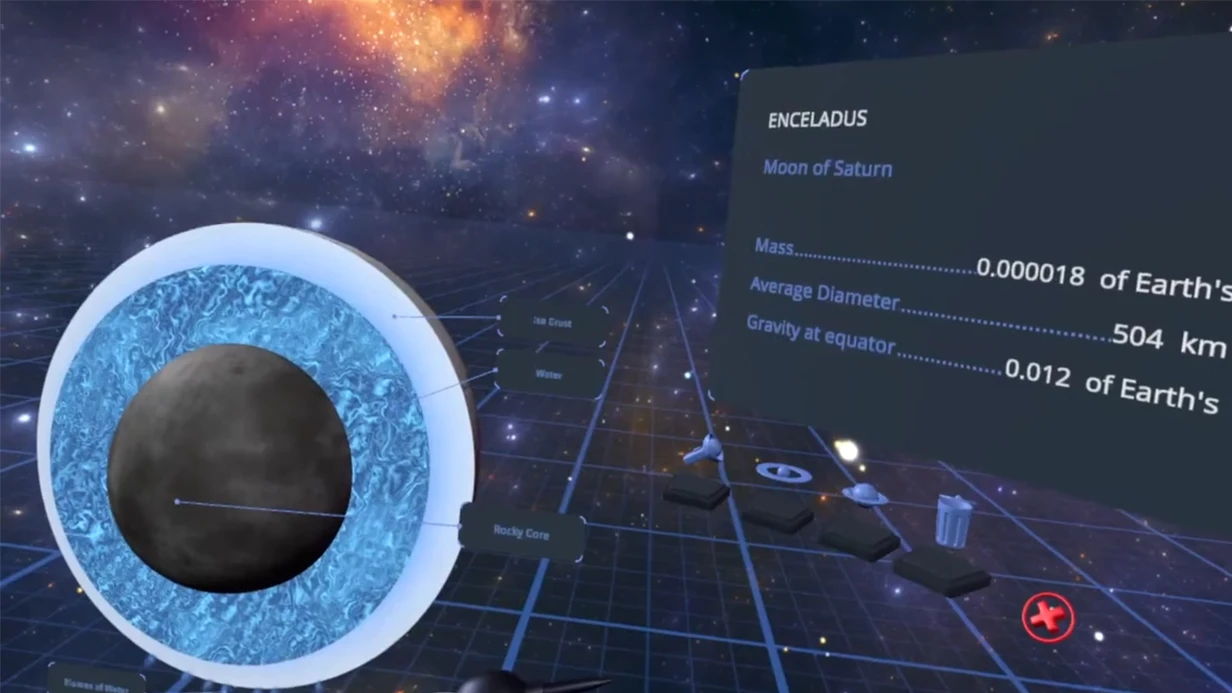
If you need to present a future pavilion or an interactive zoo map on the website, 3D showrooms with detailed examination of objects work better.
Before making a decision, honestly answer three questions. First: who is your audience — families with children, tourists, educators, corporate clients? Each group needs its own scenario: bright and short for children, informative for adults, engaging for young people.
Second: how long do you plan to use the tour — as a permanent section of the site or as a temporary promo project for an event?
Third: what budget are you willing to allocate for development and subsequent content updates, because new animals and zones appear in the zoo, and outdated material reduces visitors' trust.
The answers directly affect the format. A panoramic tour with an audio guide is a budget solution that launches quickly and is easy to update.
A full VR tour with a controller and free movement provides the maximum immersion effect but requires more production time and special equipment on the visitors' side.
For most zoos, a hybrid option is optimal: a 3D model of the grounds on the website plus a virtual route for mobile devices — it covers both those who stumbled upon it and those seeking an in-depth introduction to your collection.
If you're unsure how to choose the right format for your task, you don't need to figure out the details yourself. We offer a consultation: we discuss your goals, audience, and budget — and propose a solution that will work for zoo visibility and attendance growth.
This is not binding: you'll get a clear action plan and priorities. Just ask us — and the choice will no longer be difficult.
Frequently Asked Questions from Clients About Virtual Tours
The appearance of a virtual tour usually raises the same questions from clients: how quickly will it be done, how easy will it be to manage the tour, and what if something breaks?
Below are short answers to these and other objections, so you know in advance how the work is structured.
How long does it take to create a virtual tour for a zoo?
Timelines depend on the number of locations and level of detail. A basic tour of one or two pavilions can be ready in a few days; a full tour of a large zoo takes 2–3 weeks. We fix the exact schedule in the contract and stick to it even under tight deadlines.
Would it be difficult for our team to manage the tour without developers?
No. You receive a visitor link and a simple control panel: staff can change animal descriptions, add promotions, and adjust work schedules themselves. Such an update takes a couple of clicks, and training takes less than an hour.
What happens if the virtual tour stops working or breaks?
We support the project after launch. If the issue is related to our server architecture, we fix it on a priority basis, usually within one business day. So the risk for you is minimal: the zoo continues to receive guests while we monitor stability.
How often should a virtual tour be updated and what does it cost?
The tour should be updated when the exhibit, prices, or schedule change — usually once a season. Such edits take 1–2 days and cost significantly less than the initial development.
If you want to update the tour regularly, we can set up subscription maintenance — then the price will be even lower.
Didn't find an answer to your question? Contact us — we'll show examples of zoo tours and calculate timelines for your task.Start Your Virtual Tour Project with a Consultation
To start a virtual tour for a zoo, you don't need to understand technologies or look for a contractor blindly. Simply leave a request — then we handle all the questions: from idea to finished product.
At the start, we'll hold a short consultation where you tell us about your task, and we'll propose a format that provides maximum benefit to your visitors.
After contacting us, you immediately receive:
- Confirmation of your request and a convenient time for the consultation — within one business day.
- A short conversation with an expert who has already done similar projects; you'll get answers without technical jargon.
- A preliminary project vision: which scenes to include, which animals to provide access to, and how the tour will connect with the zoo grounds.
- A cost and timeline estimate based on scale — clear, with no hidden items.
- A plan for next steps: what we'll ask from you at the start, what materials will be needed, and when work will begin.
- If the project suits you — a confirmation of the start: we reserve a slot in the schedule and begin creating the tour.
The entire consultation is non-binding. Even if you're not ready to launch a project yet, you'll get a structure for a future tour that you can use to make decisions.
Allow yourself to see your zoo from a new angle — leave a request, and we'll take the first step together.