

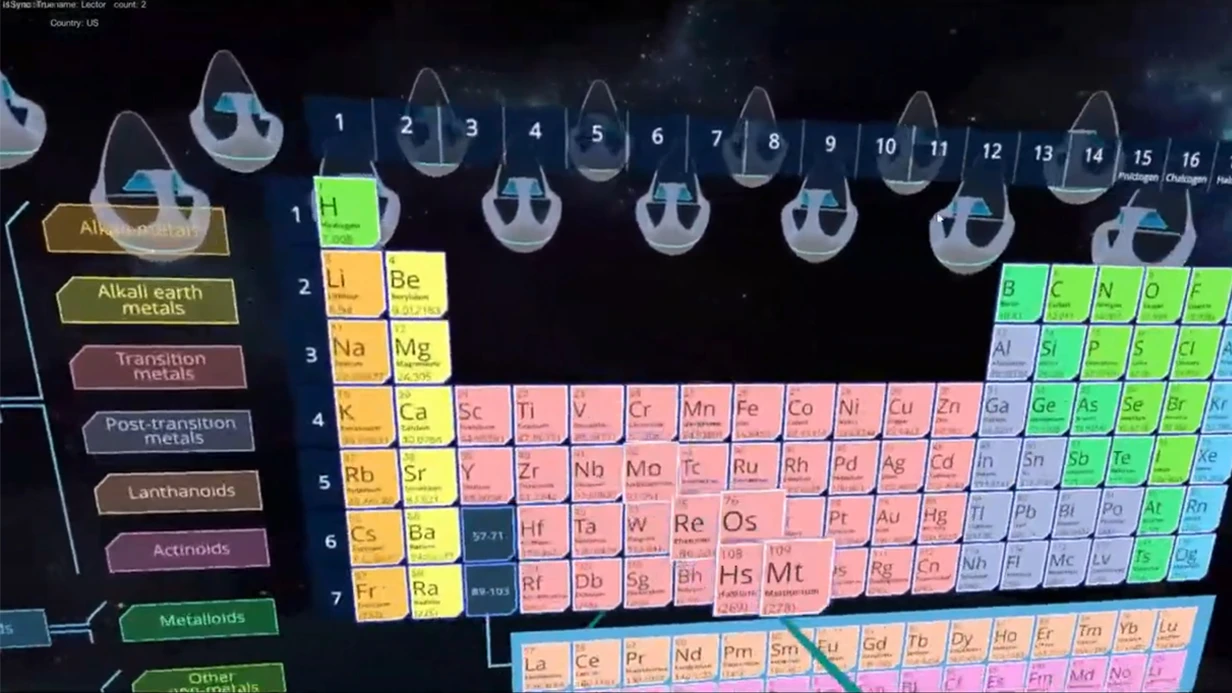


Virtual 3D Museum: How to Attract and Retain Visitors
An ordinary museum is tied to a building and opening hours — younger visitors increasingly stay online, where they can view the collection at any time and from any device. As a result, venues lose audiences, and with them the interest of sponsors and partners.
A virtual 3D museum removes this limitation: it is open around the clock and accessible to anyone with a phone, tablet, or computer.
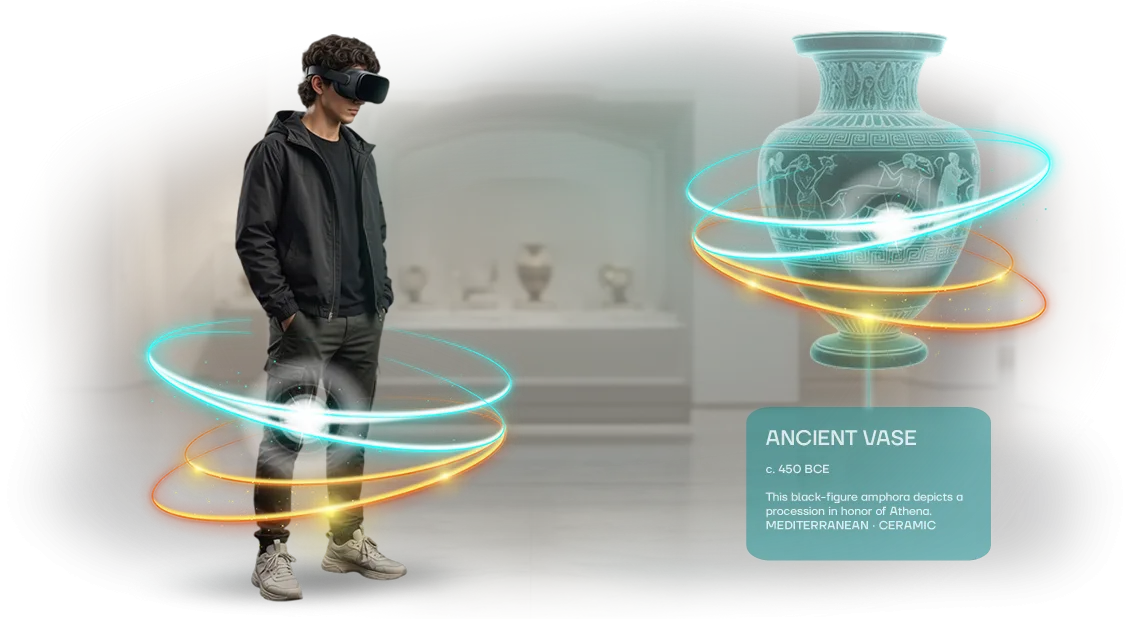
A 3D tour of the halls creates a sense of personal presence, even if the guest is in another city or country.
The online exhibition does not replace the physical space but expands it: it attracts schoolchildren from other regions, foreign tourists, and busy adults who would never have made it to the museum.
Each such guest leaves contacts or subscribes to social media — the museum gains measurable reach growth and a base for repeat invitations.
But attracting visitors is only half the task. A virtual 3D museum holds attention through convenient navigation: visitors choose halls themselves, zoom in on exhibits, read descriptions, and return to collection updates.
The museum acquires a tool for regular events — virtual exhibition openings, lectures, and guided tours that gather an audience without renting additional space.
We help museums, galleries, and exhibition spaces launch such online venues turnkey.
Our engineers handle shooting, processing, and assembly of the exhibition, while museum staff receive a clear content management system — they can independently change descriptions, add exhibits, and publish news.
As a result, a virtual 3D museum becomes an independent channel for attracting visitors: it works around the clock, reaches audiences outside the city, and delivers measurable results.
Below we examine online exhibition formats — from simple 3D tours to full-fledged virtual halls — and help you choose the right one for your space.
What Benefits Does a Digital Exhibition Bring to Your Brand
An ordinary exhibition lives for a few days and ties you to a single venue. A digital exhibition works around the clock and is accessible from any device — from home, office, or on the go.
Barriers of geography and time disappear, and your audience is no longer limited to those who could travel to a particular place.
For the brand, this means a fundamentally different reach. Every visitor can send a link to the virtual 3D museum to a colleague or share it on social media — the exhibition continues to attract attention even after the official project ends. Brand awareness grows through constant presence in digital space.
Visitors get emotions comparable to a real guided tour, and sometimes brighter ones. They can examine exhibits in detail, watch videos, and explore history — without waiting in line or adjusting to a schedule.
This experience is memorable, and the brand becomes associated with a modern, open, and tech-savvy approach.
Importantly, a digital exhibition does not just increase loyalty — it delivers measurable business results. Visit counters, views, and completed request forms turn the exhibition into a source of new leads. You see which exhibits generate the most interest and use that data to develop your direction.
All this makes the virtual 3D museum a growth tool that works for the brand all year round, not just during the event days. We help build such a digital exhibition to meet your goals and support its evolution after launch.
Implementation Formats for Your Business Task
Each direction has its own task: a museum wants to show its collection to those who physically cannot visit, a brand wants to impress partners and clients, and an organizer wants to attract as many people as possible to an event.
That is why we do not offer a single template but choose a 3D-space format together with you based on your specific goal and audience. In any case, you get not just an image, but a working tool for communicating with visitors.
We implement all formats turnkey: from script and shooting to launching the virtual tour on your website or chosen platform. You receive a finished product that starts attracting attention immediately after delivery, while we handle the technical part, integration, and support. All you need to do is tell your audience about the new opportunity.
| Format | For whom | What it gives the client |
|---|---|---|
| Virtual 3D museum | Museums, galleries, exhibition halls | Round-the-clock access to the collection from anywhere in the world, increased attendance and recognition without expanding physical space |
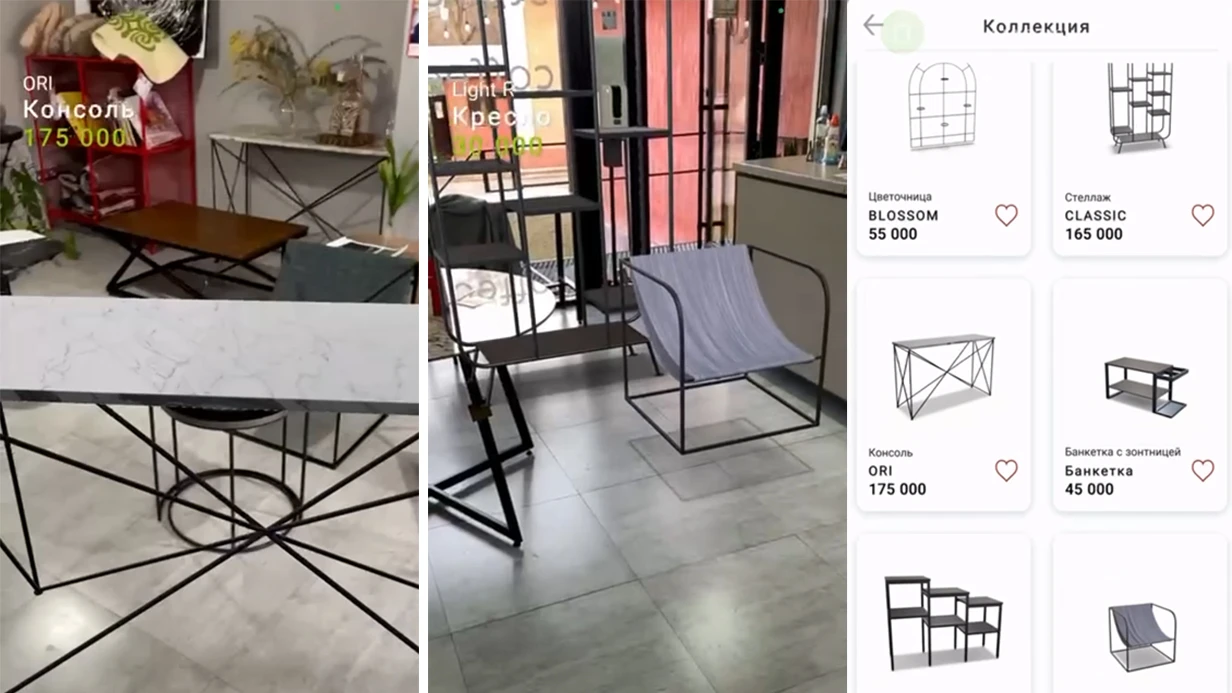
| Brand 3D showroom | Manufacturers, dealers, showrooms | Detailed product display, attracting out-of-town clients, increasing time on site and share of enquiries |
| Interactive event platform | Organizers of forums, conferences, exhibitions | Participant engagement, new formats for sponsors, collection of contacts and visit statistics |
Formats can be easily combined: for example, a virtual museum tour can be used as a basis for a 3D showroom or an interactive zone at an event. We will help you choose the best option and calculate the cost based on your budget.
How the Project Process Works
We understand how important it is for a client to see the project's progress and understand what they will get at each step. Therefore, we divided the work on a virtual museum into seven clear stages — from the first brief to post-launch support.
You always know what stage the project is at, what is ready, where you can make edits, and when the result will be delivered.
-
Brief and goals. We discuss who your audience is, what emotions the exhibits should evoke, and what action is expected from the visitor. We ask questions that help see the project from your guests' perspective, not just the technical side.
-
Plan and estimate. We define the scope of work, timelines, and budget. You receive a clear description of stages and outcomes so you can monitor the project without diving into details or wasting time on unnecessary approvals.
-
Concept and script. We design the structure of the virtual space: how visitors will move around, what they see first, and where they will pause for a closer look. This is where the user journey is born, making the museum convenient and memorable.
-
Design and 3D mockup. We create the visual look of the halls and objects: lighting, materials, angles, atmosphere. You see what the virtual exhibition will look like and make edits before final development begins — this saves time and budget.
-
Assembly and content filling. We connect the space, upload descriptions, photos, videos, and audio guides. We check how everything works on different devices so that every visitor gets a consistent experience whether they join from a phone or a computer.
-
Testing and approval. We go through scenarios of ordinary visitors: we look for weak spots, fix errors, and speed up loading. You receive a link for review and approve the final version with a full picture of the result.
-
Launch and support. We publish the virtual museum, connect analytics, and help embed it into your website and social media. We stay in touch for updates and refinements — the museum continues to live and develop together with your collection.
The entire process takes from two to eight weeks depending on scale — exact timelines are confirmed at the second stage. You always know who is responsible for what and can promptly influence the outcome.
What Is Included in the Final Delivery
The final delivery includes not just a ready 3D platform, but a complete package your team can use independently. We put it together so that you get a working tool, clear documentation, and support at all stages — from launch to regular work without depending on us.
- Ready Virtual Space. Designed for your task, with configured navigation, styling, and uploaded exhibits. The visitor enters a complete 3D museum, not a set of disconnected pages.
- Content Management Panel. A simple system through which your staff can independently change exhibits, descriptions, images, and texts. No need to contact developers for every small detail.
- Training Materials and Instructions. Step-by-step guides for administrators and editors — in English, without technical jargon. Any employee can quickly get up to speed.
- Team Training. We conduct an online session and walk through real scenarios: how to add a new exhibit, fix a description, update a banner. After training, the team works confidently.
- Documentation and Procedures. Brief reminders on content updates, backups, and typical actions. All processes are transparent and recorded — you do not depend on a single “knowledge holder.”
- Warranty Support. After launch, we stay in touch, respond quickly to questions, and promptly fix issues. The warranty period is specified in the contract, so you know what to expect.
All items are recorded in the contract and technical specification — you know exactly what you get for your money. We accompany the project until full launch and remain nearby afterward, as a partner interested in your results.
Case Study: How the Exhibition Attracted New Guests
For the museum-reserve “Gorodishche”, we created a virtual 3D museum: digitized key halls, added an audio guide, navigation, and interactive markers on exhibits.
Previously, only those who could visit in person saw the exhibition; now the tour works as a virtual branch — accessible from any device at any time.
Results appeared within the first few months. The number of virtual visitors grew sevenfold, and average time in the tour was 11 minutes — people do not just glance while passing by; they explore the halls, listen to audio stories, and return.
The museum director noted the key fact: about 35% of online guests visited an in-person tour after the virtual tour. Thus, the virtual tour became an entry point that brings new guests to the museum's ticket office.
What this exhibition delivered
- Expanded audience: school groups from other regions appeared, for whom the tour became their first introduction to the museum.
- Increased loyalty: one in three visitors returned to the tour after 2–4 weeks to view additional halls.
- Organic reach emerged: guests share links on social media, and the museum receives free traffic.
Importantly, the museum achieved attendance growth without hiring new staff or purchasing equipment. The tour is hosted on our servers; the museum only pays for maintenance.
The case confirmed: a virtual museum tour is not a passing fad but a working tool for increasing reach and attracting real guests.
Which Museum Format Is Right for You?
Choosing the right virtual 3D museum format depends on the task you are solving: attracting new visitors, making the exhibition accessible to people from other cities, or preserving fragile exhibits in digital form.
There is no universal solution — the format must match your collection, resources, and audience expectations.
A full 3D tour makes sense when a museum has a large permanent exhibition where visitors can move freely through halls, zoom in on details, and explore accompanying materials.
This format creates a sense of presence, increases interaction time, and leaves a deep impression of the collection. It is chosen when you want not just to show exhibits, but to immerse people in the museum environment.
A lightweight online hall is a quick and convenient way to introduce audiences to an exhibition, especially if you need to launch the project in a tight timeframe or offer visitors a preview before a real visit.
It works well on mobile devices, requires no special software installation, and allows you to reach those who are not ready for a long immersive experience. This format is often used for temporary exhibitions, promotional campaigns, and educational projects.
We help you navigate between these approaches and do not lock ourselves into templates. First we analyze the museum's goals, the specifics of the exhibits, and the audience profile; then we propose the optimal format — sometimes combining a full tour with light overview versions.
The point is for you to get not just a “website with a model” but a working tool that increases attendance, makes the museum accessible and memorable. Tell us about your exhibition — we will advise what suits you best.
Frequently Asked Questions About Ordering and Timelines
Ordering a virtual 3D museum is easier than it seems, but before starting, clients usually have the same questions: how much does it cost, how quickly will we see the result, and what happens after launch. We answer directly — no fine print and no hidden conditions.
How long does it take to develop a virtual 3D museum?
A standard project takes 3 to 8 weeks depending on the number of exhibits and scene complexity. We show the first interactive version within 1–2 weeks after the brief, so you can see the direction and make edits early.
If you need an accelerated launch for a specific date — we discuss it separately and choose the optimal scope for your timeline.
How much does a virtual 3D museum cost?
The cost depends on scope: number of halls, model detail, audio guide, multilingual support, and integration with your accounting system.
We provide an exact estimate after a brief — the cost is calculated after audit and typically falls within a range appropriate for your project. We also offer stage-by-stage payment: you pay for each completed stage rather than the full amount upfront. This reduces risk and lets you control the budget.
What equipment and hardware do visitors need?
The virtual museum works in a regular browser — no apps or powerful computers required. Visitors only need a smartphone, tablet, or laptop with internet access. For maximum effect, we can add VR headset support, but this is an option, not a requirement. On your side, you only need a website or a link to embed the museum.
What about support and updates after launch?
After delivery, we provide instructions and accompany the launch. From there, you can add new exhibits, change descriptions, and run temporary exhibitions — or delegate this to us under a support plan.
We remain available after the warranty period as well: we help with refinements, update content, and ensure the museum runs smoothly on all devices.
What if visitors or staff do not like the museum?
Before launch, we run test sessions together with you and make edits at every stage. You see the result gradually, rather than receiving a ready-made “black box” at the end.
The contract specifies stages and acceptance criteria — if something does not meet expectations, we refine it until your approval.
Did we answer your question? If you like, we can calculate the timeline and cost of your virtual 3D museum within one working day — send a link to your exhibits and a description of the halls, and we will prepare a transparent proposal with a fixed price.Let's Discuss Your Project and Show Examples
Every virtual 3D museum begins with a consultation: we listen to your task, show similar projects from our portfolio, and propose a format that will attract visitors and present your collection. Only concrete examples and honest cost calculation before work begins.
Leave your request — we will discuss the details within one working day. After your inquiry, you will receive:
- Consultation on the script and structure: from navigation to interactive zones.
- Portfolio with implemented exhibitions in your field — see how we solve similar tasks.
- Cost estimate within an understandable range, not “after the fact” — we fix the budget before work starts.
- A clear plan with stages and timelines — you know exactly what you get and when.
- Guarantee of fixed price and post-launch support — no hidden surcharges.
- Test access to the prototype — evaluate the experience before final payment.
We work remotely and have been creating virtual spaces for museums, galleries, and brands for over a decade. Our processes are streamlined so you get a predictable result on time — without surprises in the estimate or endless approvals.
Leave your request right now — we will show examples, calculate the cost, and offer a solution that will increase interest in your collection. Let's start with a conversation: it will save you weeks of searching.