



VR Tour of a Congress Center: How to Keep Clients' Attention
Visitors to congress centers are used to static halls and one-size-fits-all presentations. Even an interesting program fades when guests can't explore the space, gauge its scale, or picture themselves at the event.
Without an interactive format, audience attention drops — and with it, the venue's status and the loyalty of organizers choosing where to hold their events.
For business, this is a direct loss: hall occupancy declines, attracting new clients becomes harder, and event marketing requires more and more budget for acquisition.
Plain photos and layouts no longer work — clients want to see the hall from a participant's perspective, understand the logistics and atmosphere before signing the contract.
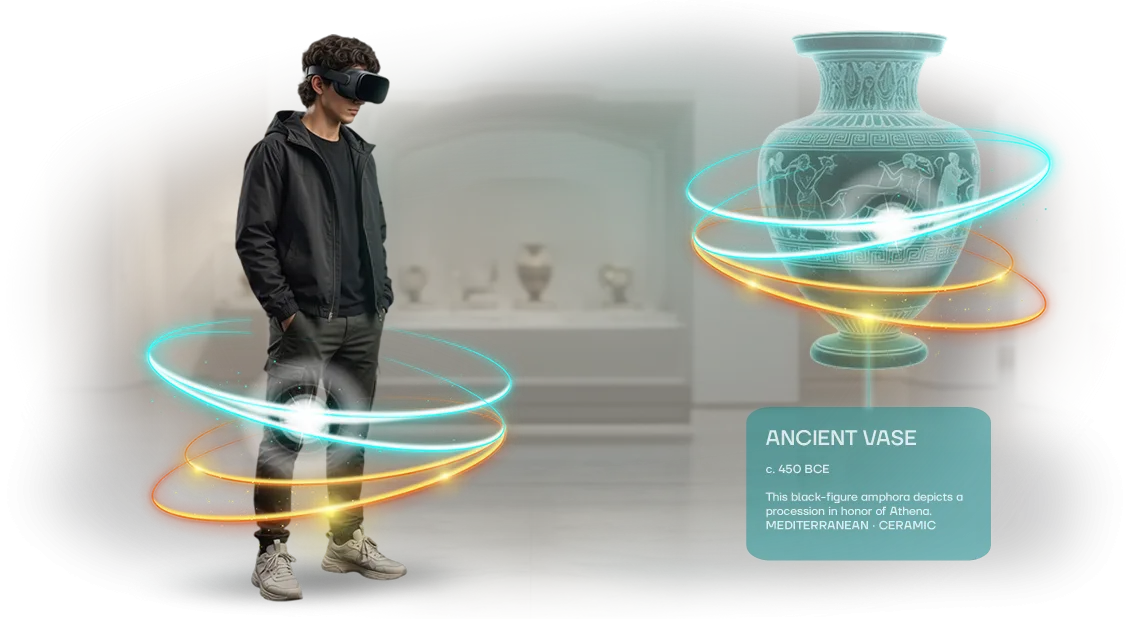
A virtual exhibition or 3D showroom in the format of a VR tour of a congress center solves this problem. An interactive tour lets guests move through the halls on their own, examine details, and feel the scale of the space — at any time and from any device. This boosts engagement before the event even starts and addresses objections at the booking stage.
The client gets not just a "picture" but a sales tool: the virtual tour becomes part of the pitch for tenants, attendees, and sponsors.
This approach strengthens the image of a tech-forward venue, sets it apart from competitors, and creates a "wow" effect — guests remember the event and come back again.
We specialize in developing virtual tours for congress centers and exhibition spaces. We'll help you create an interactive tour that holds clients' attention and strengthens your event marketing — from idea to launch.
Advantages of Virtual Exhibitions for Your Business
For a congress center, a virtual exhibition is a tool that strengthens brand image and delivers measurable value. A modern 3D showroom shows partners and visitors that the venue is keeping up with the times — and that inspires trust. That perception sticks and builds recognition after the event is over.
Audience reach no longer depends on hall capacity or participant geography. A virtual tour of a congress center is accessible to anyone with a smartphone or computer — from the next office or another city.
Guests don't need to spend time and money traveling, so they register more readily and stay longer at the exhibition.
Leads collected at a virtual exhibition don't get lost after the pavilions close. Visitors return to the 3D showroom a week and a month later, re-examine booths, and leave inquiries right in the interface. For you, that's a stream of qualified requests without manually collecting business cards.
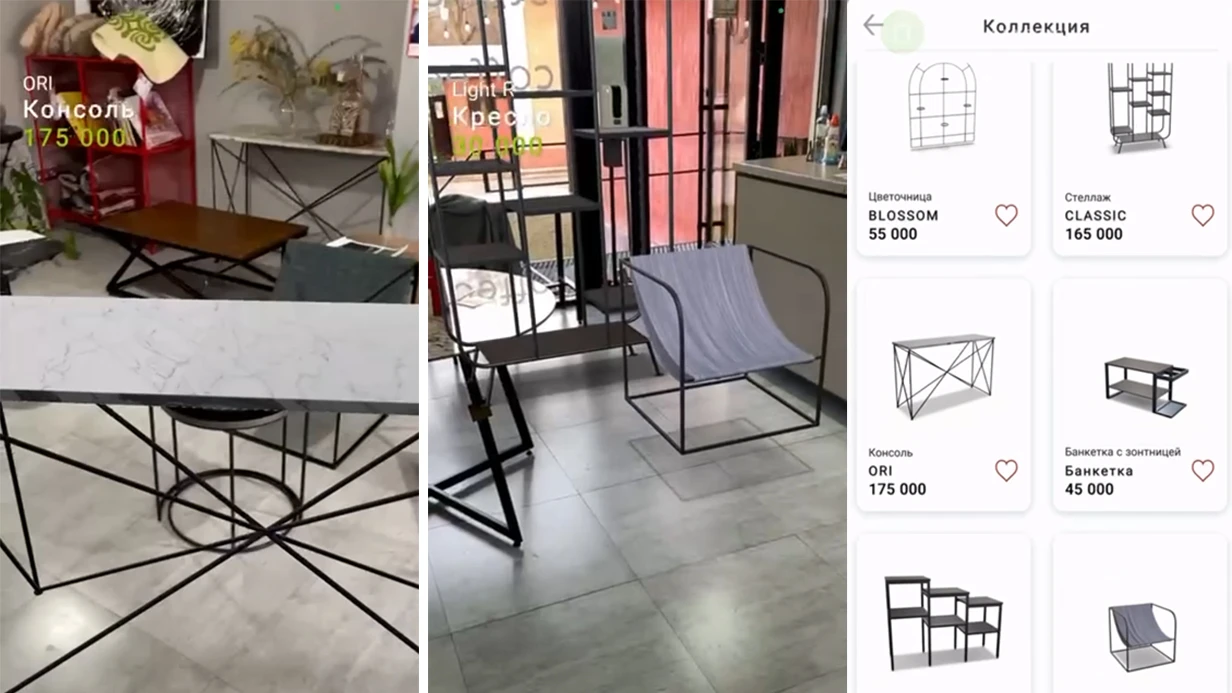
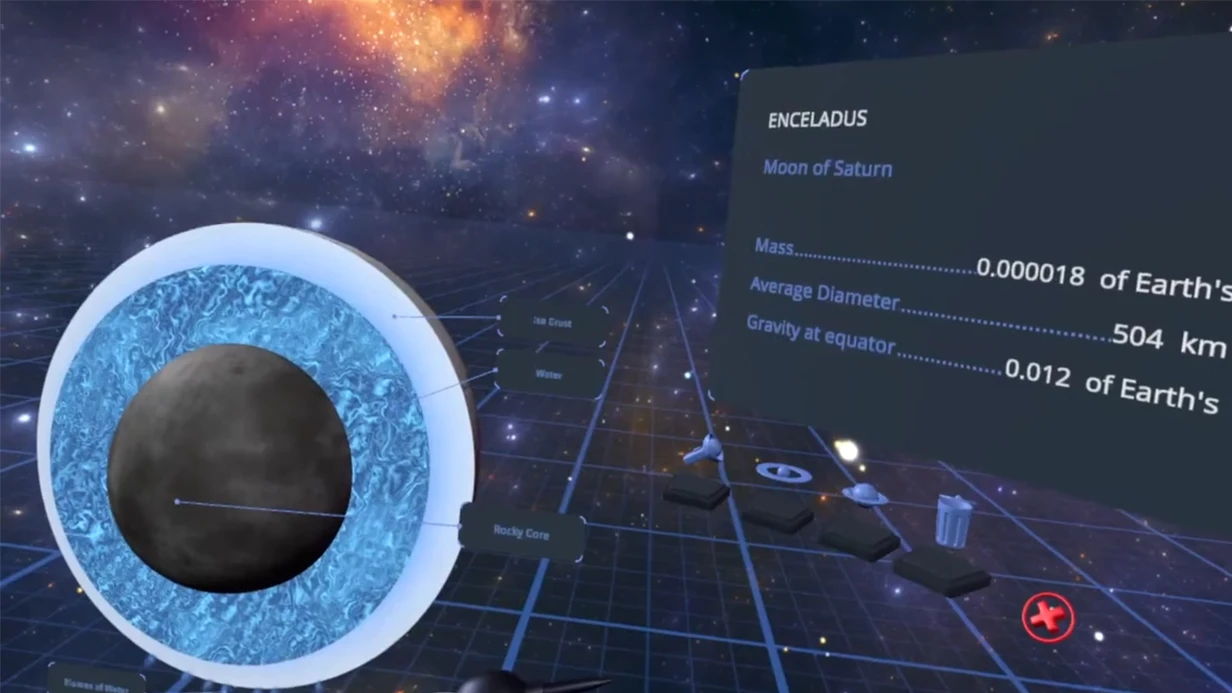
Guest convenience directly affects results: they can examine exhibits from any angle, open a presentation or video, get a consultation — no queues, no hassle.
And you see the full picture: how many people visited the exhibition, which zones are in demand, and what draws the most attention.
We develop virtual exhibitions tailored to your business needs — from a virtual showroom to full-scale congress center tours. We work with professional equipment and proven tools, so you get a reliable result within the agreed timeline.
Let's discuss your project — tell us about your goals, and we'll propose a solution that strengthens your image, expands your reach, and brings in leads.
VR Tour Formats for Congress Center Needs
A congress center tackles several tasks at once: showing halls and meeting rooms to potential clients, hosting a hybrid event, accommodating partner exhibitions. There's no one-size-fits-all solution — so we select a format based on the specific scenario and audience.
| Format | For whom | What it gives the client |
|---|---|---|
| Panoramic 3D tour | Organizers who need to quickly show the venue to out-of-town clients | Saves time on personal site visits, helps them decide to book without a visit |
| Interactive demo hall | Technical and event teams preparing an event | Lets them check furniture layout, lighting, and stage before the event, reducing the risk of mistakes |
| Virtual exhibition | Marketing and sales departments attracting partners | Creates a permanent exhibition that works around the clock and brings in new exhibitors |
Once the format is clear, we develop the scenario: how the visitor moves through the space, where they stop, which objects they examine, which materials they download.
For a congress center this is especially important — navigation between halls, registration areas, and coffee-break zones must be intuitive and reflect the real event plan.
In the end, the client gets not just a "picture" but a sales tool: the tour can be embedded in a website, newsletter, or presentation.
Guests get familiar with the venue in advance, move through registration faster, and ask the organizing committee fewer routine questions. And the commercial team gets a tangible argument for negotiations.
How We Organize the Project: Stages from Brief to Launch
Every virtual exhibition or 3D showroom project for a congress center starts not with technology but with your business goals. We structure the work so that at every stage you understand what's happening, control the timeline, and get the result you need. You always know where the project stands and what comes next — we use a clear six-step process.
- Brief and immersion in the task. We discuss goals, audience, and exhibition content, collect examples and preferences. We start speaking the same language from day one.
- Project plan and timeline. We define stages, scope of work, and checkpoints. You get a clear schedule showing what will be ready, when, and what's needed from you.
- Scenario approval. We work through the visitor path: where they start, where they go next, and where they pause. We approve the concept before production begins — this eliminates rework.
- Development and content. We build the exhibition space and place your descriptions, photos, and videos. We show interim versions, and you provide feedback along the way.
- Testing and refinement. We check how everything works on computers, tablets, and smartphones and fix errors. We polish the solution until it's easy to use on its own.
- Launch and support. We publish the virtual exhibition on your website or a dedicated page. We set up attendance tracking and stay in touch for future updates.
In the end, you get a predictable launch with no surprises and a working tool that represents your congress center around the clock.
What's Included in the Virtual Exhibition Delivery
A virtual exhibition for a congress center isn't just a 3D image; it's a full-fledged tool that helps guests navigate and helps you raise venue awareness. We hand over the project fully ready to launch — with setup, documentation, and support. Below is the delivery package.
- Scope of work and schedule — we define stages, deadlines, and responsible parties at the start. You see the entire process and control the outcome instead of waiting for "surprises" at the end.
- Ready-made VR tour of the congress center — convenient navigation through halls, booths, and exhibitions. Works on visitors' computers, tablets, and smartphones, no apps required.
- Website and social media integration — the tour is embedded on the event page, and access is set up for guests and partners. You don't need to order additional work from other contractors.
- Training for your team — we run a session for administrators and organizers. After it, your staff can independently update content, change exhibits, and manage access.
- Instructions and guidelines — checklists for launch, common guest questions, and quick troubleshooting. All written in plain language, no technical jargon.
- Support on event day — our specialists are available while the exhibition is running. If a question arises, we respond within minutes, not "during business hours."
In the end, you get not a "raw model" but a ready-made promotion tool: a prepared team, clear documentation, and technical confidence during the event. Everything you need for launch is included in the delivery.
Case Study: A VR Tour That Brought 40% More Visitors
In the Crocus case, we approached a major congress center not with a pitch but with a problem to solve. Event organizers often delayed bookings: to evaluate a hall, they had to visit in person, check the lighting, entrance groups, and participant logistics.
Flat photos and diagrams didn't convey the scale, so some inquiries just stalled at the "I'll look later" stage.
We proposed creating a virtual tour of all key spaces: exhibition halls, meeting rooms, foyers, and coffee-break areas.
Instead of an album of pictures, the organizer gets an accurate sense of the space — they can mentally map the guest route and see whether their stage and equipment will fit.
Result: Attendance and Inquiries
Within just two months of publishing the tour on the website and in mailings, page views of the venue spaces grew by 40%. Rental inquiries started coming in more prepared: clients specified which hall they wanted to use for a session and how to arrange the zones.
The conversion to booking grew by about 1.5 times — for the center, that's dozens of additional events per year.
Testimonials and Brand Impact
Organizers noted in their feedback that the tour removed the main fear: "We'll show up and the hall won't work." One company, after its forum, used the tour to report to partners and came back the next season.
Congress center staff admitted that negotiations became shorter: just send a link, and the client sees all the possibilities themselves.
Today the tour works as a permanent sales tool: it's embedded in commercial proposals, mailings, and landing pages. The center doesn't spend budget on reshoots and receives inquiries even from clients who can't physically visit before making a decision.
How to Choose the Right Format for Your Scenario?
Choosing a format always starts with questions: why is the event being held and who will attend. For a closed presentation to partners, detail matters; for a large congress, accessibility from anywhere in the world; for a showroom, a striking product showcase. The budget determines which of these priorities can be met without compromise.
Straight answer: there is no "best" format — only the one that fits your scenario. A virtual tour is simplicity and reach: it's easy to embed on a website and share via link, so guests see the space before they arrive.
A 3D showroom provides more detail and interactivity, while a VR tour delivers full immersion and a wow effect. Our task is to suggest the option that solves the event's main challenge.
To avoid overpaying, we analyze which scenario elements are critical. If guests need to inspect the venue before the event, a virtual tour is enough. If the event includes product demonstrations, a three-dimensional showroom with interactive booths is better.
A VR tour makes sense when you need to create a sense of presence and emotional engagement that will be remembered for a long time.
In every case, we're ready to prepare an estimate that fits your budget and timeline. Get in touch, describe your scenario — and we'll advise which format will deliver the desired result.
You'll receive not a technical recommendation but a clear business solution that pays off through guest engagement and their return at future events.
Common Concerns: What If Guests Find It Uncomfortable?
Many worry: guests will come to the congress, and the VR tour will be awkward, break, or require installing apps. Here's how we eliminate those risks during the preparation phase.
Will guests find VR goggles hard to use?
We specifically design the tour for simple actions: look, click, move on. Guests with no experience get the hang of it in 15–20 seconds, and there's always our administrator on site to help participants.
What if some guests have incompatible devices?
We prepare the tour in three formats: VR goggles for full immersion, a regular screen on a tablet or computer, and projection onto a large screen. Each guest can choose the convenient option — all they need is a modern browser, no installation required.
What happens if there's a technical failure?
Before the event, we do a full run-through at your venue and check connectivity, power, and equipment. On the event day, a technician is nearby: most issues are resolved within a couple of minutes without stopping the zone.
How do you ensure guest safety?
We use professional equipment with fall protection, and the VR tour area is fenced off and monitored. If a participant feels uncomfortable, they can take off the goggles at any moment — it's safe even for beginners.
What guarantees do you provide?
We take responsibility for the result under the contract: we set launch timelines, approve the scenario, and provide technical support throughout the event. In 10+ years of experience, we've never had a single failed event.
Request a VR Tour Quote for Your Venue
Leave a request — and we'll turn the task "we need a VR tour of our congress center" into a clear plan with numbers and deadlines.
You'll get not just a cost estimate, but a transparent process: from the first call to the launch of a finished tour that will boost venue recognition and reduce time spent on rental approvals.
Below is exactly what you receive after getting in touch.
- Fast response on a business day — we call back within a few hours and clarify the task and tour goals.
- Format consultation — we help you choose an option: overview tour, hall zoning, space transformation demonstration.
- Cost and timeline estimate — we provide an accurate cost for your venue: number of capture points, floors, and functional zones.
- Commercial proposal with details — we define the scope of work, stages, and result so you can show it to management.
- Technical specification and adaptation — we tailor the scenario to your clients: tenants, event organizers, or guests.
- Support at every stage — we stay in touch from layout approval to posting the tour on your website and social media.
After your request, you'll know exactly what you'll get for your money and by when. No hidden work and no "fine print": only what will genuinely increase reach and simplify venue sales. We work remotely across the country, so the estimate and consultation aren't tied to geography.
Request a VR tour quote — and within a day you'll have a clear commercial proposal with options tailored to your budget.