



Is your corporate university short on applications?
A corporate university invests hundreds of hours into developing programs, but employees don't sign up. Lectures and webinars are perceived as an obligation — interest fades at the announcement stage, and training applications trickle in one by one.
You see empty groups in your dashboard and hear from managers: “no time for studying, we're already overloaded.”
The training department has to send reminders and persuade managers, while staff development plans remain unfulfilled. Leadership keeps asking what impact the training delivers, and you find yourself explaining again why coverage is low.
Meanwhile, training could be a growth point for the business, but for now it looks like an internal formality.
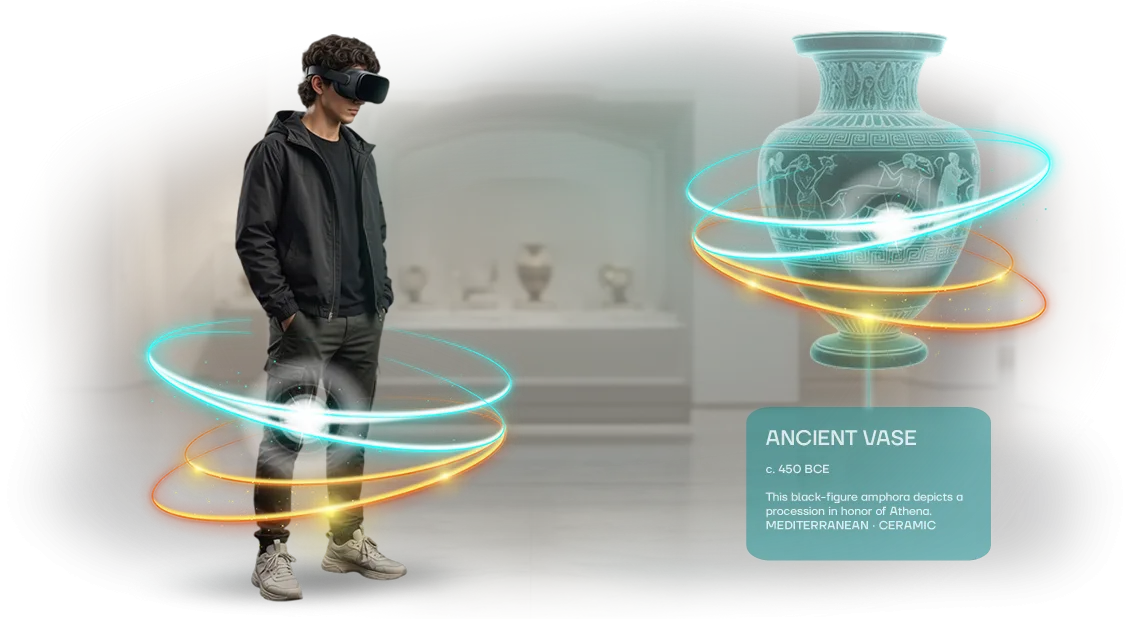
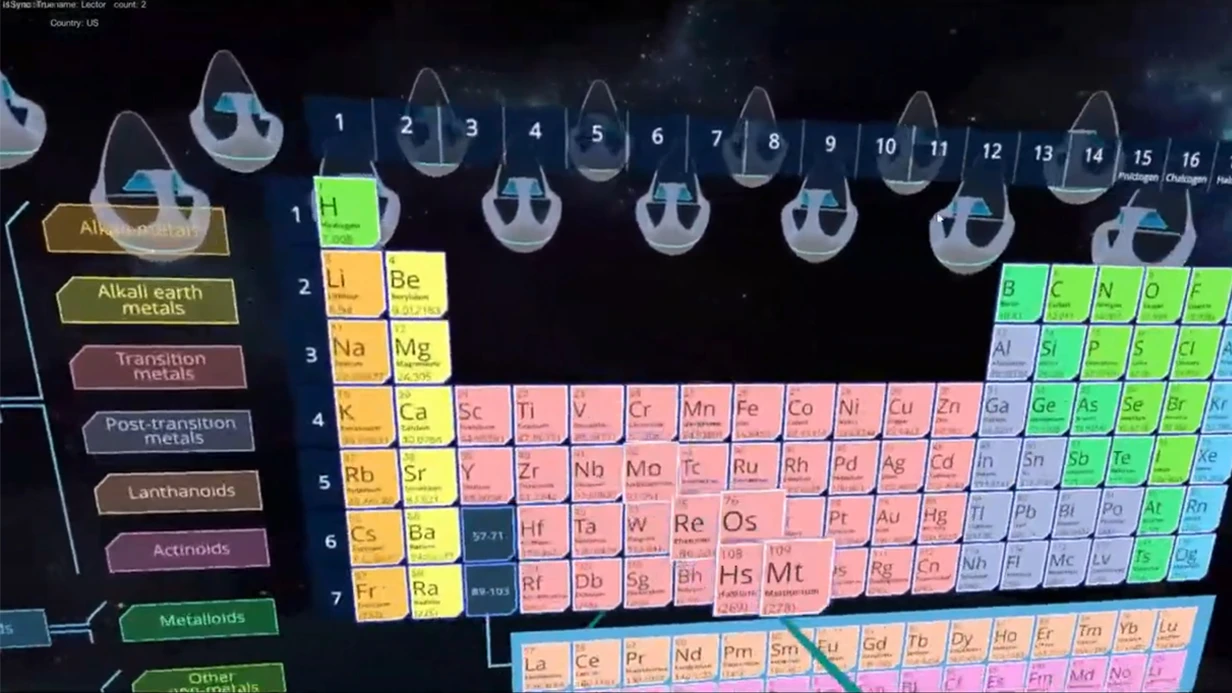
The solution — a virtual exhibition for business. An interactive exhibition for your company presents programs in a 3D showroom format: employees walk through the stands themselves, watch short videos, read results, and immediately submit an application. This is corporate training promotion that works through interest, not compulsion.
This way you increase training applications without additional advertising. Reviewing the materials takes five to seven minutes, after which the employee is left with a concrete decision — to submit an application.
Employees see the value of the program, share their impressions with colleagues, and the university gets a stream of motivated participants. The format suits onboarding of new hires, announcing new courses, and annual development programs.
We create interactive virtual spaces that turn training into an event. Tell us about your programs — we'll show you how a virtual exhibition will bring in applications.
What benefits does a virtual exhibition bring to a business
For a business, a virtual exhibition is not just an online platform but a tool with measurable results. Especially when it comes to a corporate university: it helps showcase training programs, engage employees from different cities, and collect applications without extra costs.
We've been building such projects for over 10 years — here's what they deliver to the client.
- Higher audience engagement. An interactive 3D space holds attention 2–3 times longer than a regular presentation or catalog. People explore the exhibit on their own, watch videos, and come back to the materials.
- Wider reach. A virtual exhibition is accessible from anywhere in the world — no need to rent a hall, pay for business trips, or worry about logistics. All branches, partners, and external candidates who were previously cut off by geography can participate.
- Brand recognition. The corporate style, thoughtful design, and unconventional presentation stay in memory. Such an exhibit strengthens the HR brand and sets the company apart from competitors.
- Leads for corporate training. Application forms, webinar registrations, and consultations can be embedded inside the exhibition. A visitor goes from “just looked around” to a potential learner or partner.
- Event effectiveness. You see how many people visited, which stands were viewed longest, and which topics drew interest. This data helps improve educational programs and work with the audience in a targeted way.
Want to get these results for your corporate university? Order a virtual exhibition development — we'll show you examples and calculate the project around your goals.
Which exhibition formats suit a corporate university?
A corporate university needs to show employees and partners how training works: the campus, labs, classrooms, mentors. The virtual exhibition format should engage participants and answer their questions without extra phone calls.
Each task has a suitable scenario — from an overview virtual tour to a full-fledged 3D showroom with learning materials.
| Format | For whom | What it gives the client |
|---|---|---|
| Virtual university tour | All employees, candidates, partners | Quick introduction to infrastructure and atmosphere without business trips |
| 3D showcase of training programs | Training department, HR | Visual presentation of courses, simulators, and learning outcomes |
| Online exhibition booth | Event organizers, open days | Attracting attention to the university, collecting applications and registrations |
| Interactive project exhibition | Students, mentors, management | Showcasing achievements, alumni portfolios, feedback |
This modular structure scales easily: you can launch a campus tour first and later add a 3D showcase or booth. All formats run on a single platform, so guest activity data is collected in one window — you see which sections are in demand.
This eliminates the need for separate developments for every event and allows you to build a long-term training system. The client gets not just a “picture” but a tool with clear metrics: view counts, time in the exhibition, interest in specific courses. Decisions about developing learning materials are made on this basis.
How work on a virtual exhibition proceeds: stages for the client
We structure the work so that at every stage you understand what is happening, what resources are needed, and when results will appear. The process of developing a virtual exhibition for a corporate university consists of seven steps — from the brief to launch and support. All key decisions are agreed with you in advance, so surprises at the finish line are ruled out.
-
Brief and immersion into the task. We meet with you, discuss the exhibition's goals, audience profile, management expectations, and examples you like. The result is a clear technical specification, project plan, and timeline.
-
Aligning the concept and structure. We define the exhibition sections, navigation logic, and the scenario visitors will follow. You receive a layout of the future space and approve it before work begins.
-
Content preparation and adaptation. We gather your materials — presentations, videos, photos, documents. If something is missing, we suggest how to fill the gaps quickly. Everything is brought to a unified format so it looks cohesive on screen.
-
Building the virtual space. Based on the approved structure, a prototype is created, then a full-fledged exhibition with navigation, information points, and interactive elements. We work with professional equipment and proven tools, so the space loads quickly and looks polished.
-
Intermediate preview and revisions. You receive a link to the working version, walk through the exhibition as a user, and leave comments. We make changes — this is a standard stage, not an exception.
-
Testing and launch. We check how it works on computers, tablets, and phones with different internet speeds. Then we publish the exhibition on your domain or provide an embed link for the university website.
-
Post-launch support. We update content, monitor access stability, and help with refinements as the training program grows. You can always reach out with a question and get a prompt response.
What's included in the virtual exhibition delivery: the full package
The complete virtual exhibition package is not just a 3D model but a ready-made solution for your corporate university. We put it together so you get a working tool from day one: from the interactive space to instructions for your team. Below is everything included in the delivery.
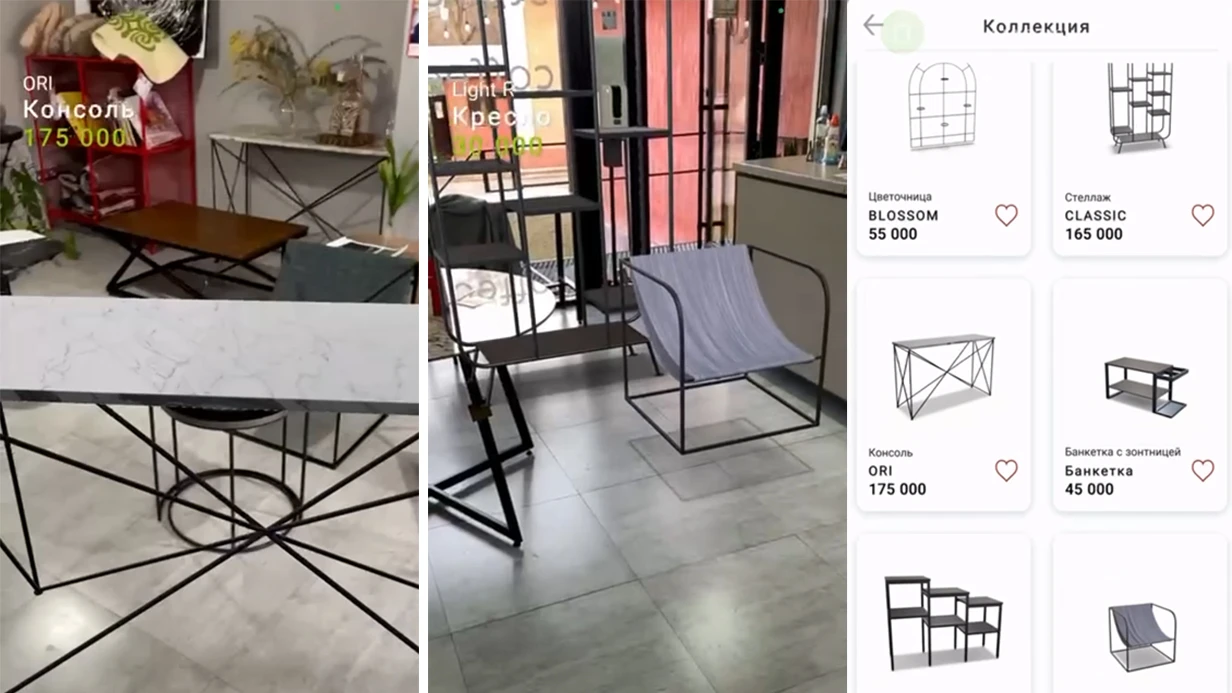
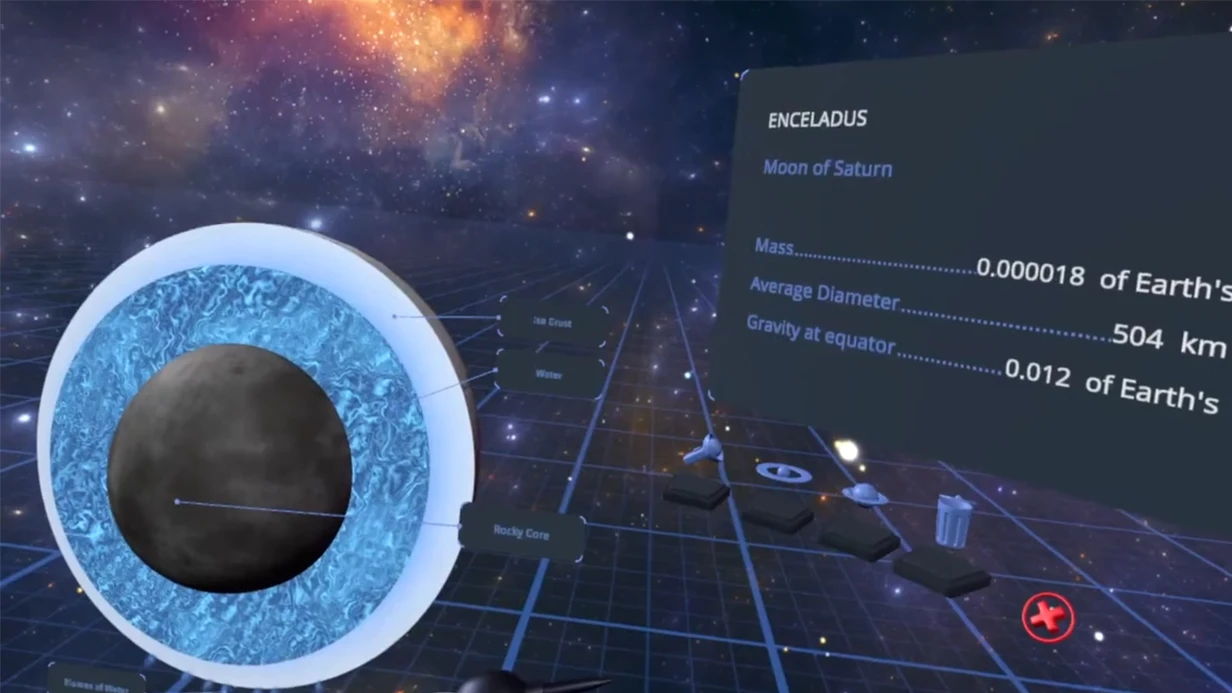
- Interactive 3D space: virtual halls, stands, and exhibits. Visitors move freely, just like at a real exhibition, and can enter from any device — computer, tablet, or smartphone.
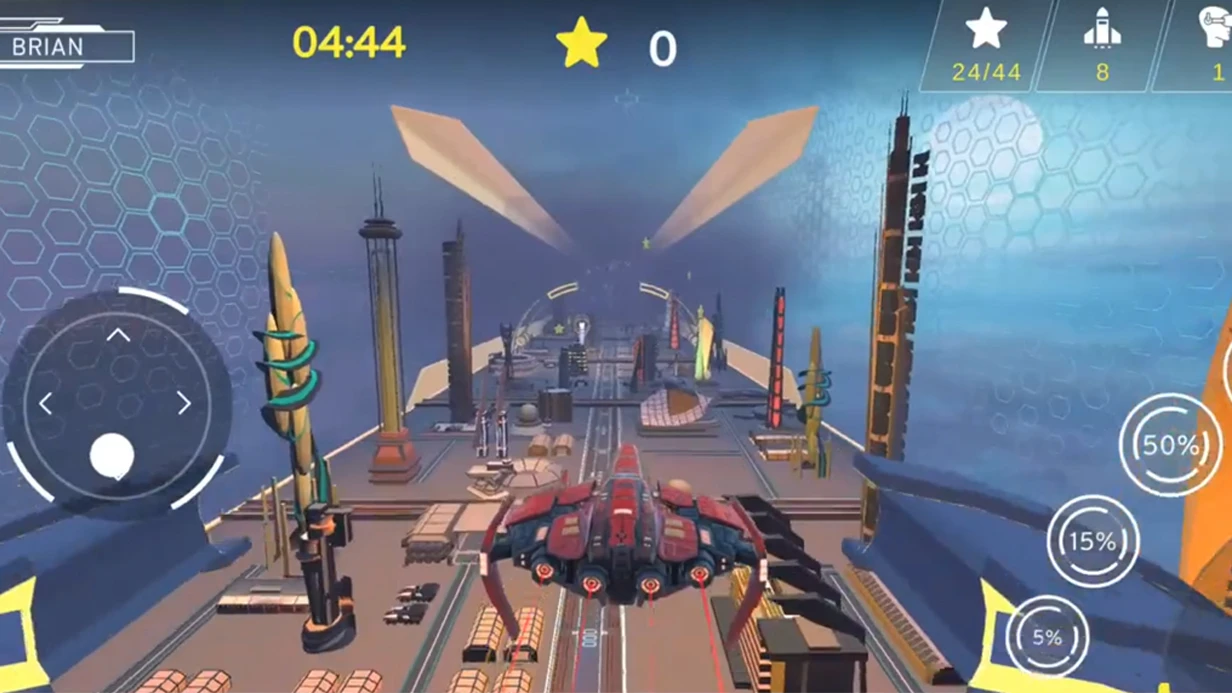
- Gamification elements: quests, quizzes, and points for activity. This keeps participants engaged and motivates them to complete the entire route.
- Virtual event analytics: a dashboard with data on attendance, visitor actions, and interests. You see which stands attracted more attention and can improve future sessions.
- Staff training: video lessons and step-by-step instructions for administrators and moderators. Your team quickly gets the hang of the system without involving developers.
- Control panel: you update content yourself — change exhibits, add news, edit the schedule. No need to wait for programmers for every tweak.
- Technical support: we stay in touch at launch and throughout the entire operating period. We help resolve issues and quickly fix any problems.
All of this comes in one package, so you don't need to look for contractors separately. The project is delivered turnkey: you get access, a trained team, and full documentation — all that's left is to invite participants.
Case study: attendance and applications grow after launching a virtual exhibition
Virtual tour results: attendance grew—and so did applications
One of our clients runs a corporate university for training employees and partners. Offline open days attracted few participants: logistics, busy schedules, and sometimes inconvenient times.
Launching a virtual exhibition solved this problem — we built a 3D showroom with interactive stands and recorded lectures.
In the first quarter alone, attendance at university events grew by 47%, and applications for training programs rose by 32%. Employees started visiting the virtual tour at convenient times: from phone or computer, on the way home, or during a break. The virtual exhibition case showed that access convenience matters more than a “spectacular” venue.
| Format | For whom | What it gives the client |
|---|---|---|
| 3D showcase | HR, corporate university | Presenting educational programs without in-person meetings |
| Interactive stands | Department heads | Visual presentation of materials, growing interest in courses |
| Video lectures and presentations | Remote employees | Access to training anytime and from any device |
| Online registration | Marketing | Automatic application collection and measuring interest in each program |
Virtual exhibition metrics were tracked in real time: we saw which stands were studied most often, how many minutes were spent on each screen, and which cities users came from. This analytics helped the client adjust the training content and strengthen the most in-demand topics.
Employee feedback on virtual exhibitions also confirmed the results: “no need to go anywhere, everything is clear and accessible,” “I can view it whenever it suits me.” Six months later, the client ordered a new season of the virtual exhibition — this time with an expanded program and additional stands.
This successful virtual event experience shows that by investing in infrastructure once, a company gets a working sales and training channel for years to come.
Frequently asked questions about virtual exhibitions: answers for the client
Most often, virtual exhibition clients ask the same questions: how difficult is it to implement, what will it cost, when will it be ready, and who will support it after launch.
For a corporate university, these doubts are especially understandable — you need to show results to management and keep control at all stages. We've collected answers to the main questions so you can make a decision with no uncertainty.
Isn't a virtual exhibition too difficult to implement in a corporate university?
No, the process has long been refined. We handle the entire technical side: digitizing the space, uploading materials, and setting up navigation. All we need from you is a brief with information about the exhibits and scenarios. Usually 2–3 joint calls are enough; after that, we work according to the approved plan.
How much does developing a virtual exhibition cost?
The cost depends on the size of the space, the number of interactive zones, and the level of detail. We always calculate it individually after the brief, because an exhibition for three halls and a full-fledged 3D campus are different budgets.
But you always get a transparent estimate with no hidden fees, and the final price is fixed in the contract before work begins.
What are the development timelines for a virtual exhibition?
A standard project takes 3 to 6 weeks. If you need a basic version for one or two rooms, we can fit it into 2–3 weeks. After delivery, we don't disappear: for a month, we make revisions for free so you can present the exhibition to management and employees in the best light.
Is it difficult to integrate a virtual exhibition with our systems?
We know how to embed the exhibition into a website, corporate portal, or LMS. You won't have to change your familiar tools: just place a link or embed the module. Technically, this is handled on our side; your IT specialists won't have to dig into how the 3D platform works.
Who supports the virtual event after launch?
We stay in touch after delivery: we help update exhibits, add new materials, and monitor stable performance. If the exhibition is needed for a specific event — such as a project defense or an open day — you can order dedicated support for the duration.
Our goal is for you to get a working tool, not “just a 3D picture.” That's why we answer questions before we start, lock agreements into the contract, and support the project after launch. This way, a virtual exhibition for a corporate university becomes a reliable part of your training and presentation infrastructure — not a one-off campaign.Order a virtual exhibition for your task
Employees in different cities, tight schedules, constantly changing materials — a corporate university needs a way to present knowledge visually without losing engagement. Regular PDFs and videos don't hold attention, and live trainings are hard to scale.
A virtual exhibition solves this: it's available anytime, on any device, and leaves employees with the feeling they've walked an interesting path — not just completed another course.
We've been developing turnkey virtual exhibitions and 3D showrooms for over 10 years. We start with a consultation, choose the format for your business task, and take it to launch without burdening your team. You describe the goal — we propose a solution and show the estimate before work begins.
Check what you get after submitting your request
- Consultation and format selection: virtual tour, 3D showroom, interactive booth, or a combined space.
- Turnkey virtual exhibition development: from scenario and design to content and technical implementation — you're only involved in approving key stages.
- Adaptation for a corporate university: route logic, material structure, navigation for different employee roles.
- Stable performance on any device thanks to professional equipment and proven tools.
- Launch and support: exhibit updates, technical support, and clear attendance analytics.
- Fixed timelines and scope of work — no hidden fees or surprises.
Submit a request for a virtual exhibition — and get a tool that works for the appeal of training, onboarding of new employees, and internal company PR.
If you're unsure about the choice, start with a consultation: we'll tell you which solutions deliver the best results in corporate training and propose a format for your goal.
What if I need a custom virtual exhibition format?
Yes, a corporate university often needs exactly a custom virtual exhibition format. Standard tours provide a general overview but don't cover specific tasks: onboarding new employees, knowledge assessment, or visual demonstration of department achievements.
So we design the exhibition around your requirements rather than forcing your request into a ready-made template.
A custom virtual exhibition format can include training scenarios, interactive tasks, and personalized routes for different user categories.
For a corporate university, this turns the tour into a full-fledged staff development tool: employees don't just watch the stands — they complete a quest, answer questions, and get a result that's recorded in the training system. This approach increases engagement and material retention.
Custom development allows us to account for any special exhibition requirements: unconventional design, integration with existing learning platforms, corporate network restrictions, or support for hybrid events.
We work out the concept, logic, visual style, and technical implementation according to your requirements.
Over a decade of work, we've delivered complex projects for large companies and understand how to adapt functionality to your goals while maintaining stability and user convenience.
If your request doesn't fit into standard solutions — that's not a problem, it's a task for our specialists.
We'll propose a custom virtual exhibition that hits your metrics: from higher completion rates for training programs to a convenient way to showcase the university's capabilities to partners. You get a result that precisely matches your goals.