



Why Shoppers Choose a Shopping Mall with Virtual Exhibitions?
Shoppers are used to discounts and promotions — over time, these stop surprising anyone. Every week, malls compete for attention with the same tools, and the guest simply stops noticing them.
Without a new reason to visit, people choose the complex closest to home rather than the best one. To bring back interest, a venue needs something new — something people want to see, photograph, and tell others about.
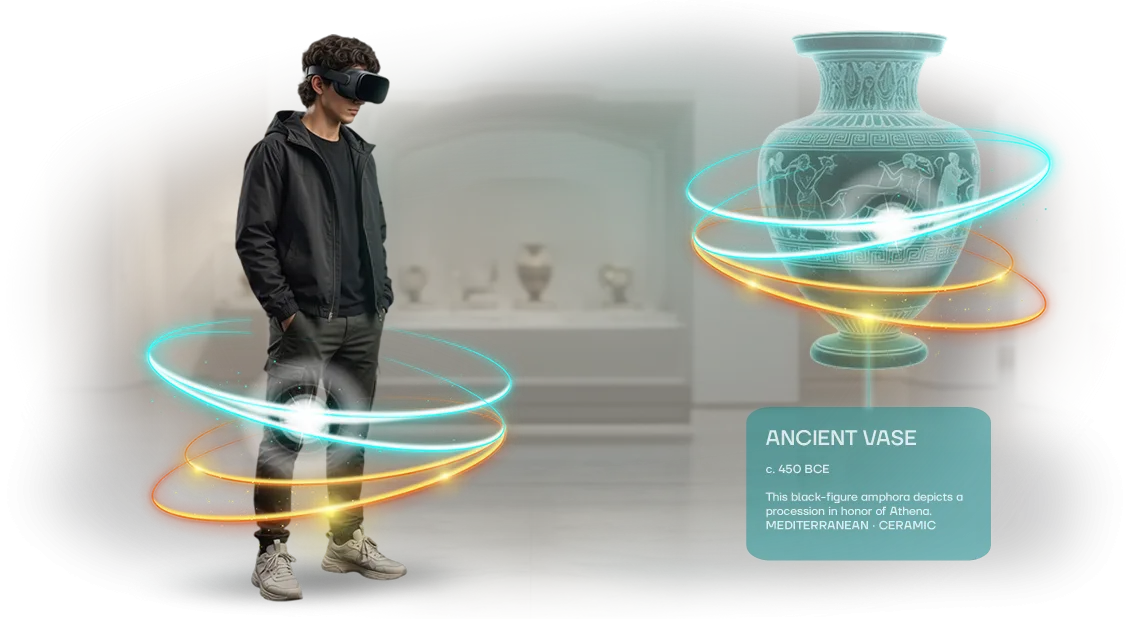
A virtual exhibition delivers exactly that: it turns an ordinary trip to the mall into an event. Even before visiting, a person sees what awaits them, plans their route, and arrives with a specific purpose.
An interactive 3D showroom works like a living billboard — it shows the space, the tenants, and the new arrivals in advance, bringing in people who are already interested.
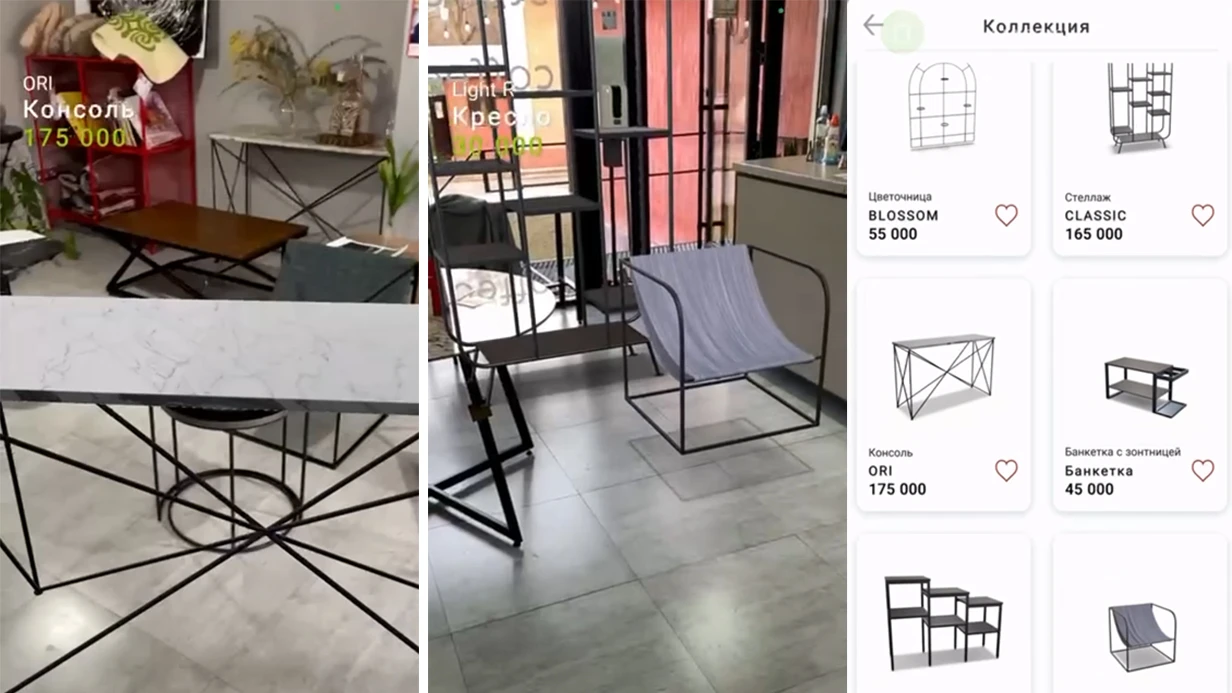
For tenants, this is also a direct benefit: a virtual storefront attracts shoppers who are ready to buy, not just "browse." Visitors stay longer, enter more stores, and return more often — so a virtual exhibition works both to attract visitors and to boost revenue for the entire complex.
We have been working on such projects for more than 10 years and know how to turn an idea into a ready-made marketing tool.
We will advise you on which areas to start with and handle the entire implementation — from concept to launch — so that your mall stands out, brings back interest, and attracts new guests.
What Benefits the Client Gets from the Virtual Format
For a mall owner, a virtual exhibition is not just a flashy format but a working tool that strengthens marketing and keeps delivering value after launch.
A 3D showroom for business is a way to present space and products so that visitors are interested even before they arrive — and then turn that interest into real visits.
Live Visitor Response
An interactive format engages visitors far more than static photos or a regular website. Guests can "walk through" the halls, examine details, and open storefronts — this creates emotion and a desire to visit the mall in person.
The benefits of a virtual exhibition are obvious: it gives visitors a new experience worth sharing with friends — which means more real visits.
Increased Brand Awareness
A virtual tour is easy to share in messengers and social media, so it spreads quickly among the target audience, including residents of other cities. This is brand awareness growth without extra advertising spend.
People remember the mall's brand as modern and tech-savvy, which strengthens its image and sets you apart from competitors.
Additional Leads for Tenants
A 3D showroom becomes a source of inquiries for tenants. When a visitor is interested in a specific store or service, they can leave their contact details immediately. This way, you pass on not just traffic to tenants, but ready potential customers.
This helps both retain current tenants and negotiate with new ones — because you are offering them not only floor space but also a digital promotion channel.
This approach turns an ordinary exhibition into an ongoing asset that works for your marketing and partner trust. And we handle the entire process — from creating the model to launch and technical support.
Formats of Virtual Exhibitions and 3D Showrooms for Your Goals
Client goals vary: some need to display products on an online storefront, others need to guide visitors through an entire building.
There is no one-size-fits-all solution, so we have split the service into formats — from a compact virtual exposition to a full VR tour of the premises.
Each format is delivered turnkey: we shoot the space ourselves, build the navigation, and set up visitor access. All you have to do is get the finished link or QR code and launch it for your customers.
Formats of Virtual Exhibitions and 3D Showrooms
| Format | For Whom | What It Gives the Client |
|---|---|---|
| Virtual exposition based on 360 panoramas | Museums, galleries, stores, exhibition participants | Shows the space and exhibits without an offline venue. Convenient for press releases, invitations, and a preliminary look at the exposition |
| Turnkey 3D showroom | Manufacturers, dealers, showrooms | Allows a detailed look at the product from all sides, increases inquiry conversion and trust in the product. Works as a storefront open 24/7 |
| VR tour of the premises | Shopping malls, business centers, landlords | Helps tenants and visitors evaluate the layout, entrance groups, and transport accessibility. Speeds up location selection and reduces calls asking "what does it look like inside?" |
If you are not sure which format suits you — during the consultation we will show examples of similar projects and calculate the budget together.
As a rule, one room or one storefront is enough for initial tests, and within a few days you will have a working link for your clients.
How Virtual Exhibition Development Works: Stages and Timelines
We understand what a typical project looks like without timeline management: a vague brief, the layout approved at the last moment, and the launch postponed.
To keep virtual exhibition development from turning into an endless process, we structure the work into clear stages with checkpoints. You always know what stage the project is at, what is already done, and what happens next — with no sudden surprises.
-
Brief and technical specification. We define the goals of the virtual showroom, the list of exhibits, the navigation logic, and key visitor scenarios. The output is a document you can refer to at every stage.
-
Layout and structure approval. We show the space layout, zone locations, and transitions between halls. You make edits before content creation begins — this saves time and budget.
-
Collection and preparation of materials. We receive photos, descriptions, videos, and 3D models from you. If something is missing, we will advise how to quickly reshoot or render objects so the exhibition looks cohesive.
-
Creating the virtual space. We build the 3D showroom, refine lighting, textures, and interactive elements: viewpoints, pop-up cards, transitions between halls. At this stage, you see intermediate versions and comment on details.
-
Testing and revisions. We check performance on different devices: computers, tablets, smartphones. We fix inaccuracies, speed up loading, and achieve stable operation without freezes.
-
Launch and handover. We publish the exhibition on your website or a separate domain, connect visit analytics, and hand over access. After launch, we stay in touch — if you need to add or change something, we do it promptly.
VR tour development timelines depend on the number of halls and the level of detail: a basic configuration takes 2–3 weeks, a large-scale project with hundreds of objects — up to a month and a half.
The key thing you get is a predictable schedule with clear approval points and a final date that we fix in the contract.
What Is Included in the Deliverable and What You Get After Launch
We hand over a finished product: a virtual tour of the shopping mall that works in the browser and on visitors' smartphones. You get a complete launch kit — no hidden stages and no "we'll finish it later."
What is included in the virtual exhibition and the deliverable:
- A ready-made 3D showroom with your spaces, storefronts, and brands — visitors immediately see the layout and can "walk" through the floors.
- Content rights: all models, textures, and the scene remain yours; we do not block access to the project and hand over source materials.
- A control panel: you can change promotions, add new tenants, or replace banners yourself without contacting developers.
- Launch instructions: a short guide for administrators and a memo for staff — how to open the tour, how to help a visitor, and where to view statistics.
- Staff training: we hold an online session for your team so managers and administrators can confidently use the tour in their work.
- Technical support during the launch period and a VR tour update plan: we agree in advance on how often to add new points and seasonal materials.
After the handover, we do not disappear: we support the launch, check loading on your equipment, and adjust details. You get not just a link, but a working tool for marketing and leasing. All documentation and access are in one dashboard so the team can get up to speed quickly.
Case Study: How a Virtual Exhibition Increased Attendance
One of our clients was a shopping mall preparing to open a new gallery. The task was not simple: not just to show the space on a layout, but to collect preliminary inquiries from tenants and confirm audience interest before launch.
our team digitized the premises and built an interactive tour — a virtual 3D showroom you can "walk through," examine panoramas, and immediately leave a rental inquiry.
The marketing department got a working tool for negotiations: instead of a presentation, they sent potential tenants a link to the tour, which immediately separated the interested from the casual.
The results were measurable. In the first month, the tour attracted more users than typically pass through the mall in a day. Every third view ended with a form submission, and 40% of those who left inquiries moved on to a personal meeting. Tenants saw the future spaces in detail, so the deal cycle was cut almost in half.
The main business result of the case: lease renewals and an expanded pool of anchor tenants. The virtual tour became an ongoing asset: it delivered results during the tenant acquisition phase and continues to attract visitors who explore the gallery before coming to the mall.
The virtual tour paid for itself within the first two months thanks to the high conversion into negotiations.
Why It Worked
The secret is not in the technology but in the scenario. We did not start from "a pretty picture" but from the user journey: entering the mall, transitions between floors, viewing spaces of the required format, and panoramas at key points.
For marketing, this is ready-made content for newsletters, social media, and advertising screens — with no extra cost for on-site shooting.
What to Take from This
This virtual exhibition case shows: the results of a 3D showroom are measurable when it addresses a specific goal — increasing attendance, speeding up negotiations, or securing lease renewals.
If you have a similar request, we will prepare a scenario for your property and estimate the expected effect in advance. All that is left is to discuss the details.
How to Choose a Virtual Exhibition Format for Your Goal?
Choosing an exhibition format starts not with technology but with the goal: what should the user do — quickly view new arrivals, study the assortment in detail, or take a virtual walk through the space. This determines what fits best: a virtual exhibition, a 3D showroom, or a VR tour of the mall.
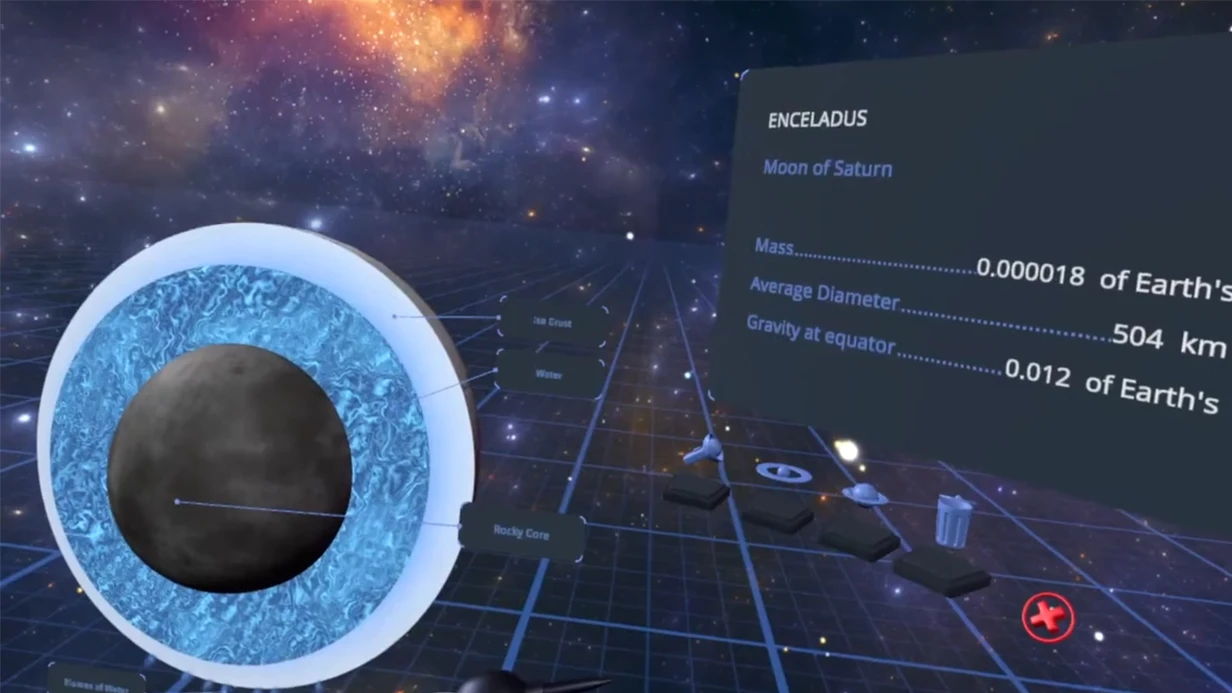
If you are preparing a temporary presentation for a collection launch or an event, a virtual exhibition works better: it guides the visitor through a scenario and collects statistics on interest in each object.
For a permanent exposition where customers return and explore products at their own pace, a 3D showroom is more convenient — it offers freedom of navigation and is easy to update when the assortment changes.
When it comes to a large physical space — for example, a VR tour of the mall — the key is not the catalog but the atmosphere and the route. This format helps visitors understand the layout in advance, find the stores they need, and feel confident before they even arrive. This lowers the entry barrier and increases the flow of real visitors.
When choosing a format, it is worth answering three questions: who is your audience, how often does the content change, and what result do you want to measure.
If the audience is broad — choose a 3D showroom; if the event is one-off — a virtual exhibition; if the goal is to bring people to a physical location — a VR tour is a strong solution.
We help with VR tour selection: during the format consultation, we analyze the audience, budget, and timelines, and propose a solution that will deliver a measurable result, not just a pretty picture. Get in touch — we will advise you on the option that suits you best.
Frequently Asked Questions About Development and Guarantees for a VR Project
A client ordering a virtual tour of a shopping mall worries less about the visuals and more about stability: will the tour load for visitors, who will support the project in a month, will you meet the deadline for opening a new pool of tenants.
That is why we fix guarantees in the contract in advance and take on the technical side after launch.
This means you get a finished VR project, not a "raw" draft: working navigation screens, fast response on any device, and simple tools for updates. Let us go through the common questions mall owners ask before starting.
What guarantees do you provide for the VR tour?
We specify delivery timelines and performance criteria in the contract. If a navigation, loading, or display error is found after acceptance, we fix it at our expense within the warranty period, which is 12 months by default.
What happens if the equipment breaks down on site?
You keep access to the tour from any device, and for interactive zones we provide a backup kit. If the main equipment fails, a replacement happens within 24 hours in your city or remotely via a backup channel — visitors will not notice any downtime.
What are the development timelines for a virtual tour of a shopping mall?
A typical project takes 2–3 weeks: crew visit, panoramic shooting, tour assembly, interactive point setup, and device testing. The exact launch date is agreed at the brief and fixed in the contract — it does not depend on external contractors because we handle all work in-house.
What does virtual exhibition support include after launch?
Updating tenant information, promotions, and events, changing navigation, as well as monitoring loading speed and compatibility with new browsers. You simply send your edits via messenger — we implement them and return the finished version.
We manage the virtual tour on professional equipment, so outages are ruled out even on the busiest days for the mall.
Order a VR Tour of Your Shopping Mall and Get a Cost Estimate
A VR tour of a shopping mall turns an ordinary shopping trip into a vivid experience: visitors explore the layout, look into stores, and are more likely to come back. For the venue owner, this means greater appeal and an extra argument in negotiations with tenants.
Leave a request — we will hold a 3D showroom consultation, review your goals, and prepare a cost estimate for a virtual exhibition tailored to your property. No abstract proposals: you will see the numbers, timelines, and scope of work.
After contacting us, you will receive:
- An estimated cost calculation for the VR tour with stages and timelines.
- A 3D showroom consultation: we will select a scenario for your goal — attracting visitors, tenant presentations, or a promo campaign.
- Tour placement options: website, social media, navigation kiosks, QR codes.
- Examples of tours for shopping malls and promotion recommendations.
- A dedicated manager and clear work stages: from brief to launch.
To order a VR tour, leave a request — we will call you back within one business day, answer your questions, and finalize the estimate.
We start with a short call, and after the brief you will receive a complete solution: how much the development costs, how long it will take, and what results it will bring to your shopping mall.