



Why Cosmetic Brands Lose Sales on the Shelf
When a customer stands in front of a shelf of cosmetics, they have only a few seconds to choose. If your packaging doesn't stand out among dozens of similar ones, you lose sales. Cosmetics sell on emotion: people want to touch, imagine the result, and feel cared for.
An ordinary tube or box can't deliver that. The customer walks past to a competitor whose packaging speaks their language.
Losing sales on the shelf is not a design problem—it's a communication problem. Interactive marketing changes the game: packaging stops being just a container and becomes a mini display.
Customers simply point their smartphone camera, and the brand comes alive: a 3D model of the product appears, along with the brand's story, a virtual shade try-on, or a stylist consultation. This experience not only holds attention but also creates a reason to choose your product.
Promoting cosmetics today is a battle for the buyer's time and trust. AR packaging turns every product touchpoint into a brand interaction. The customer doesn't just read the ingredients—they engage, take photos, and share them.
That's free reach that keeps working even after the purchase. Brands that use augmented reality gain a real advantage at the moment of choice.
We help cosmetic brands solve this pain point. We design AR scenarios that integrate with existing packaging and launch without requiring any app downloads. You don't need to change your production line—we work with what you already have.
The result: higher shelf conversion, more impulse purchases, and stronger brand recognition. Most importantly, customers remember the emotion and come back again.
What the Client Gets from an Interactive Installation
An interactive installation for a cosmetic brand serves business goals on several fronts at once: it engages visitors, strengthens brand recognition, collects contacts, and nudges people toward a purchase. The client gets not just a flashy zone but a tool with measurable results.
The first benefit is audience engagement. Instead of passively looking at the booth, people interact with the product: they try on makeup, change shades, and play with the packaging.
Contact time grows from a few seconds to several minutes, and the emotion from that experience becomes more strongly linked to the brand.
The second benefit is brand recognition. An interactive zone is impossible to miss, and its participants become carriers of advertising themselves: they take photos and videos, post them on social media, and tag the brand page.
The reach continues after the event—people who weren't there learn about you. The zone becomes a point of attraction: visitors come back to show it to their friends.
The third benefit is contact collection. Interactive experiences let you ask for an email or a messenger subscription before starting the scenario, and people readily leave their data. That's a ready-made base for newsletters and warming up future purchases. Contacts enter your client database right during the event.
The fourth benefit is sales growth. Immediately after the interactive experience, you can issue a promo code, offer a mini version of the product, or book a consultation.
This turns entertainment into a measurable result: engagement, recognition, contacts, and repeat orders all work for your business.
AR Packaging and VR Zone Formats for Different Goals
Different tasks require different interactive formats, and the choice of format directly affects the outcome.
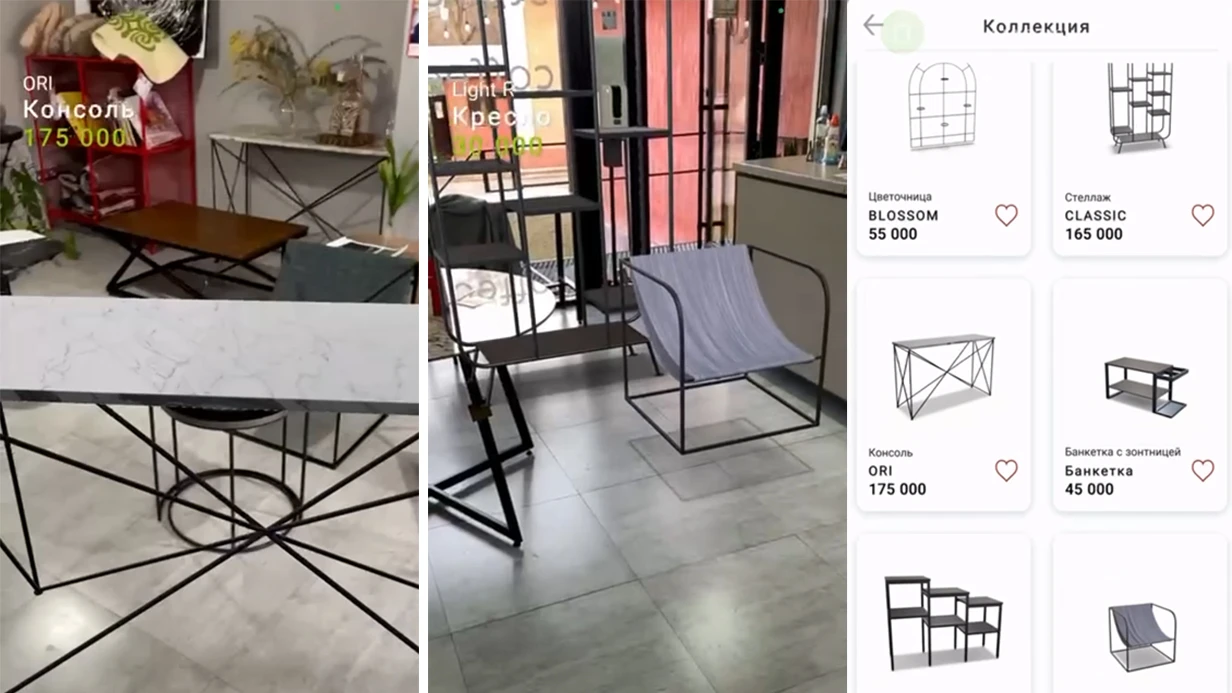
For a cosmetic brand, AR packaging works best: a customer points their camera at the box and sees the product "come alive"—texture, light play, and usage examples. This turns an ordinary bottle or tube into a reason to shoot a video and share it.
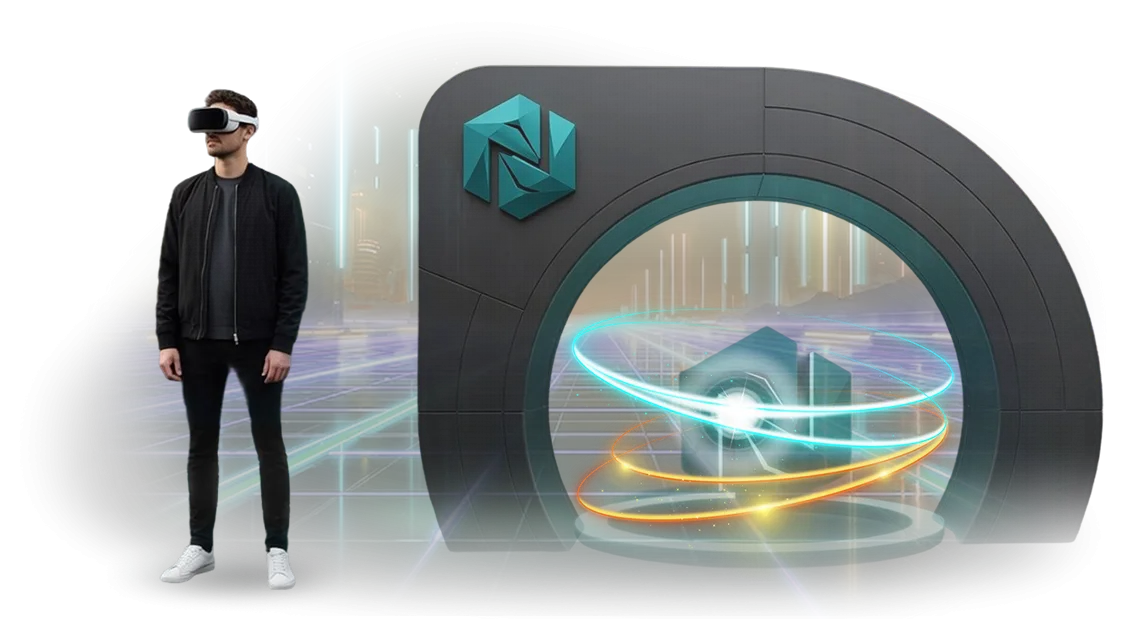
For an event or museum, a VR zone or physical installation that provides full immersion in the topic is more suitable.
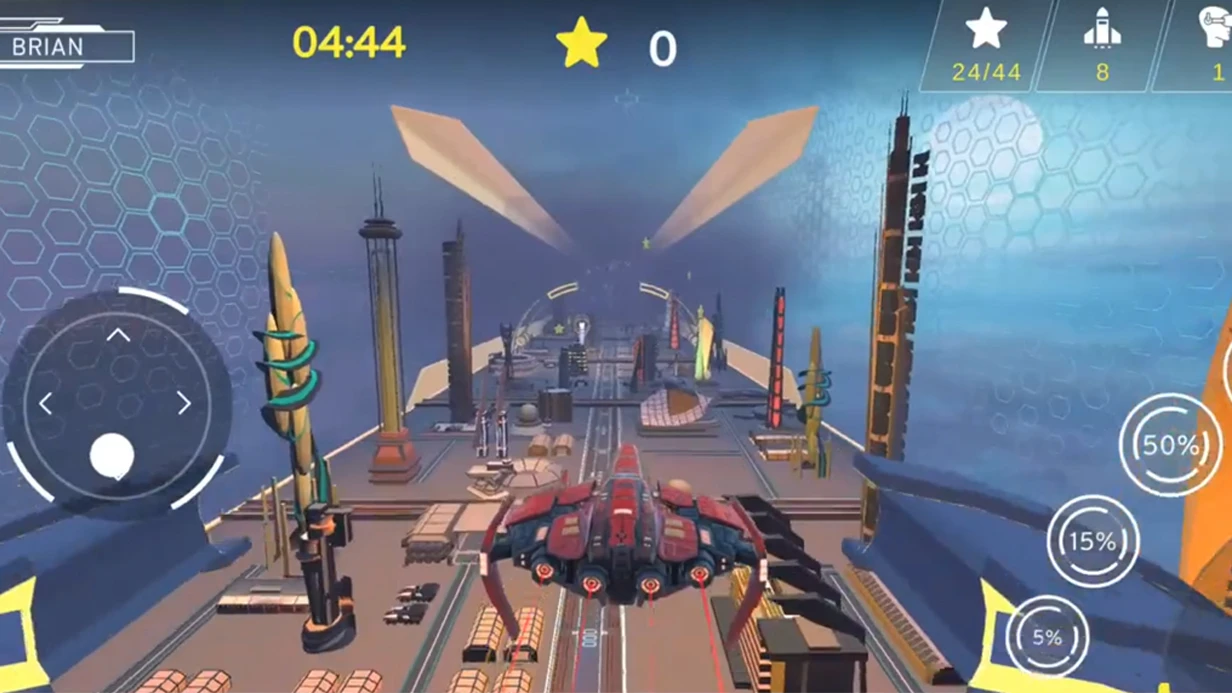
We match the format to your specific task: need a sales boost—we focus on AR packaging and promo mechanics; need to keep guests on-site—we suggest a VR attraction or an interactive wall.
In any case, the client gets not just a "technology" but a tool that drives recognition, engagement, and repeat visits.
| Format | For Whom | What It Delivers |
|---|---|---|
| AR packaging for cosmetics | Brands selling through retail and online | Stronger brand recognition, enriched product selection experience, natural social media mentions |
| VR zone at an event | Event agencies, conference and festival organizers | Foot traffic to the booth, unique experiences, vivid photos and videos to remember |
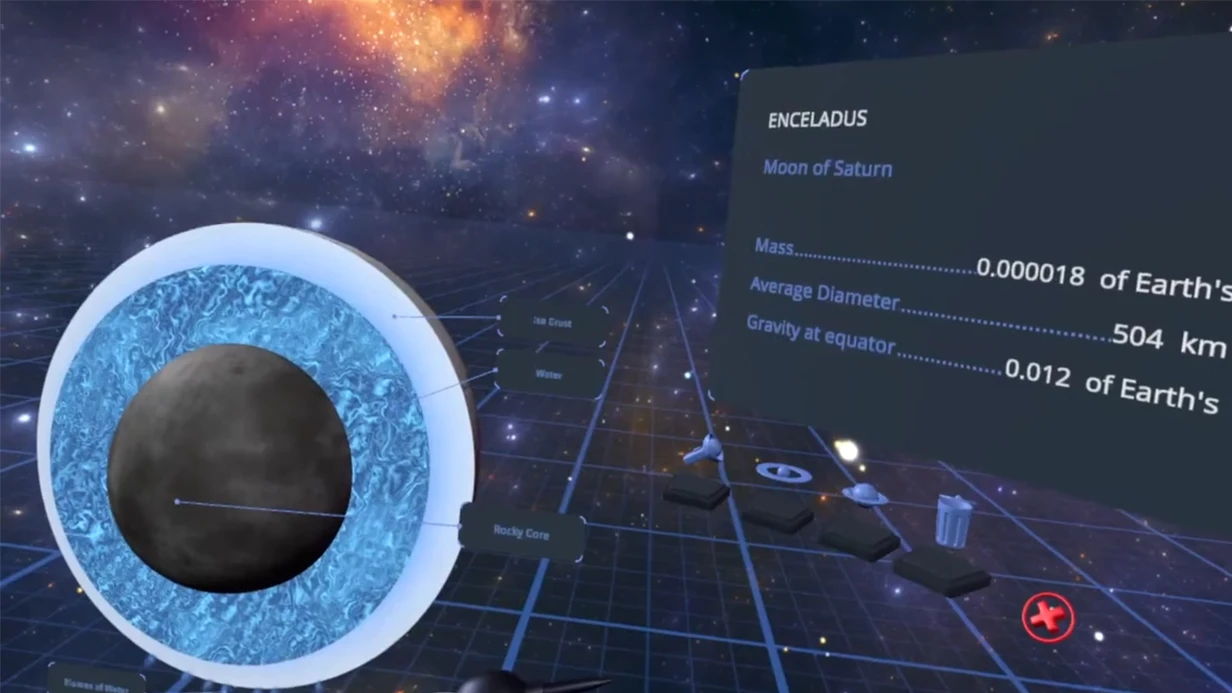
| Interactive installation for a museum | Museums, exhibition venues | Engagement of visitors of all ages, clear explanations of complex topics, longer dwell time |
| VR tour for project presentations | Developers, architectural firms | Visual demonstration of a future property before construction, quick layout decisions |
This is a basic classification—in practice, formats are easily combined. For example, AR packaging can be complemented by a QR code on a display, and a VR zone at an event can work alongside an installation.
The key is that every element solves your business goal and is understandable to the end user: the buyer, the guest, or the museum visitor.
How a Project Goes from Brief to Launch
For an AR installation for your cosmetic brand to really perform at an event, it's important to follow a clear path from idea to launch. We've structured the process so that you see results at every stage and can influence them. No magic and no surprises—just clear steps and transparent agreements.
-
Brief and project immersion. We study your product, audience, and event goals. For cosmetics, we pay special attention to the premium feel and the brand's visual code—you get a clear technical specification that eliminates any misinterpretation before development begins.
-
Installation concept development. We propose an interaction scenario: how visitors will see the packaging, what happens when they point their smartphone, and what emotional impression remains. We align the visual style so it strengthens product recognition and fits the event design.
-
Concept approval. We show the mockup and how the logic works live—you see the future experience before production starts. You provide feedback, and we make adjustments without losing time or breaking the budget, then we lock in the final version.
-
Technical implementation. We build the installation itself: we create the graphics, assemble the scenario, and adapt it for the various devices visitors may use. Along the way, you regularly receive intermediate versions so you stay in control.
-
Testing and launch at the event. We test everything on real equipment and at the actual venue. We make sure everything works reliably under heavy foot traffic, and on launch day an engineer accompanies the installation from start to finish.
-
Support and analytics. We stay available during the event, help guests, and quickly resolve any issues. Afterward, we hand over data on interaction counts, session times, and visitor activity—you see the real response to the installation.
What's Included in an Interactive Installation Delivery
When you order an interactive installation, it's important to know what's included in the delivery and how it affects the result. We put together a turnkey package: from equipment to on-site support on the day of the event. This frees you to focus on guests and brand communication instead of the technical side.
- Hardware — professional equipment (projectors, sensors, VR headsets, or AR markers) with a safety margin. It's set up for your venue and runs without failure even under high visitor flow.
- Adapted content — an interactive scenario tailored to your brand's specifics and event goals. For cosmetics, that's virtual try-ons, scent games, or AR packaging—everything that creates an emotional connection and lasting memory.
- Assembly and setup — our specialists deliver the package, install it, check all modes, and calibrate everything for your specific space and lighting. You get a ready-made location without involving your own team.
- Staff training — we train your employees to quickly start and restart the installation, switch scenarios, and handle basic issues. This gives you independence in small matters and confidence at all times.
- Technical support during the event — on the day itself, we stay on call and, if needed, are present on site to fix any issue within minutes. Guests notice nothing, and you get peace of mind.
- Dismantling after the finish — we take down the equipment and remove it without any hassle for your team. No additional action required from your side.
This package ensures that the installation works exactly when you need it and delivers the reach and emotion you ordered it for. That's what a turnkey interactive installation delivery means.
Case Study: AR Packaging Increased Repeat Cosmetics Purchases
The cosmetic brand Maison de Beauté came to us with a pain typical of the market: the product was high quality, but it went unnoticed on the shelf, and there were dozens of competitors nearby.
A shopper would spend less than a minute at the rack, try a few jars, and leave without making a repeat purchase. We needed to create a reason to stop, examine the packaging, and remember the brand.
We proposed turning an ordinary box into a customer touchpoint. When a smartphone was pointed at the packaging, a short video guide appeared: the product's story, shade matching by skin tone, and an interactive application diagram.
Instead of boring text on the label, there was a living story that people wanted to explore to the end and forward to a friend.
We measured the results three months after launch. Repeat purchases increased by 27%, and the time shoppers spent at the shelf with the product tripled.
Every third box was scanned in store, and at the exhibition the brand's booth became the most photographed point—visitors lingered for 5–7 minutes and shared content on social media on their own. That gave the kind of reach that previously had to be paid for through advertising.
The brand's marketing director summed up the project:
We expected interest, but we got measurable growth in sales and loyalty. AR packaging has become a tool for us that works on the shelf, at exhibitions, and in digital channels—customers talk about the product themselves.
For us, this confirms a simple rule: when you give customers an emotion at the moment of choice, they come back. If you want the same result for your product, let's start with a short brief and show you how AR packaging fits into your line.
Answers to Frequently Asked Questions About Ordering an Installation
Before ordering a VR/AR installation, clients always ask the same questions. We've gathered them together with practical answers so you know in advance how the work goes and what results you'll get.
How long does installation development take?
Timelines depend on the complexity of the scenario and the volume of content. Typically, two weeks is enough from brief approval to launch—that's time to prepare the mockup, test it, and train your team. What matters more is that we fix the date in the contract and stick to it.
How reliably does the installation work on the day of the event?
We use professional equipment and run multiple tests before showing up. On the day of the event, an engineer monitors everything and quickly resolves any issues. For you, this means the installation won't let you down at the most crucial moment.
How does the installation integrate into a current marketing campaign?
We adapt the solution to your goals: we can use brand colors, embed contact collection, or include a call to action. The installation becomes part of your funnel rather than a one-off attraction—and then you see measurable results.
How much does such an installation cost?
The cost depends on the format, duration of the project, and the need for custom content. We prepare a transparent cost estimate after the brief, where every stage is clear.
Often after the first project, clients come back with new ones—because the return on investment is visible immediately.
How to Choose the Right Format for Your Task?
There's no universal answer: you choose a format based on the task, not on trends. For a cosmetic brand, "VR or AR" isn't about technology—it's about the scenario: what your guests should feel and do.
If the key goal is to surprise and engage, interactive brand experiences are built around live experiences, not around a screen.
When you need to introduce a new product and let people "try" it without opening the bottle, choose AR. For example, AR packaging: a visitor points their smartphone and sees the texture, the shade, the application method, or the effect on skin.
Such an installation works at exhibitions, in stores, and on social media—people share what they see on their own.
If the goal is to immerse guests in the brand's philosophy, show the creation story, or reveal the laboratory where the product is born, VR is the fit. A guest puts on a headset and finds themselves inside a garden, a catwalk, or a research center.
That's a powerful emotional anchor: it's remembered for a long time and gives people a reason to talk about the event again and again.
For large events—a line launch, a brand anniversary, a boutique opening—a compact AR zone with virtual try-on or an interactive mirror is often enough.
For a museum or permanent exhibition, a stationary VR installation with multiple scenarios and content that changes with seasonal collections makes more sense.
So the answer to "how to choose a format" starts with clarifying: where will the installation live—one day, a month, or permanently—and how many guests will pass through it.
We help with the choice during a short brief: we analyze the venue, visitor numbers, goals, and expected outcomes. You get technology with a purpose, not technology for its own sake—a tool that pays off through reach, memorability, and loyalty to your cosmetics brand.
Launch an Interactive Installation—Leave Your Request
When a customer chooses cosmetics, it's not just the formula that decides—it's the impression. AR packaging lets them try on a shade, show the product's story, and give a reason to share on social media. To make an installation work for your image and sales, you need a clear process without surprises.
We've structured the launch so it's always obvious what's happening at every step. Leave your request and you'll receive:
- A quick cost calculation for your task: format, number of interaction points, timelines.
- A fixed estimate after the brief—no hidden surcharges during implementation.
- A slide plan of the project: from concept to installation, with approval checkpoints.
- 24/7 technical support for the entire time the installation runs.
- A result guarantee: if anything goes wrong, we restore operation within an hour.
"We launched AR packaging for a new cosmetics line—over three thousand female customers tried it within a week. They didn't just look; they tried the product on and posted photos," shares the marketing director of one of the brands.
Ordering an installation is simple: leave your request, and within one business day we'll send the calculation and suggest a launch date.
From there, we'll take care of the concept, production, and setup—you'll get a ready-made experience that surprises guests and strengthens the brand.