



Customers Are Switching to Competitors — Jewelry Sales Are Falling
A shopper walks past a jewelry boutique window in a few seconds — and keeps walking. Even the most beautiful piece is lost among static displays and glass reflections.
Meanwhile, competitors offer customers a new format to look at, try on, and “touch” the jewelry — and they capture the shoppers’ attention for themselves.
In jewelry retail, a purchase is always an emotion. A person is not just choosing a metal alloy and a stone, but an image of themselves wearing that piece. An ordinary display window offers only a picture; it does not hold the gaze or create a desire to linger.
As a result, the boutique loses the most important thing — the customer’s time, which today directly determines sales growth.
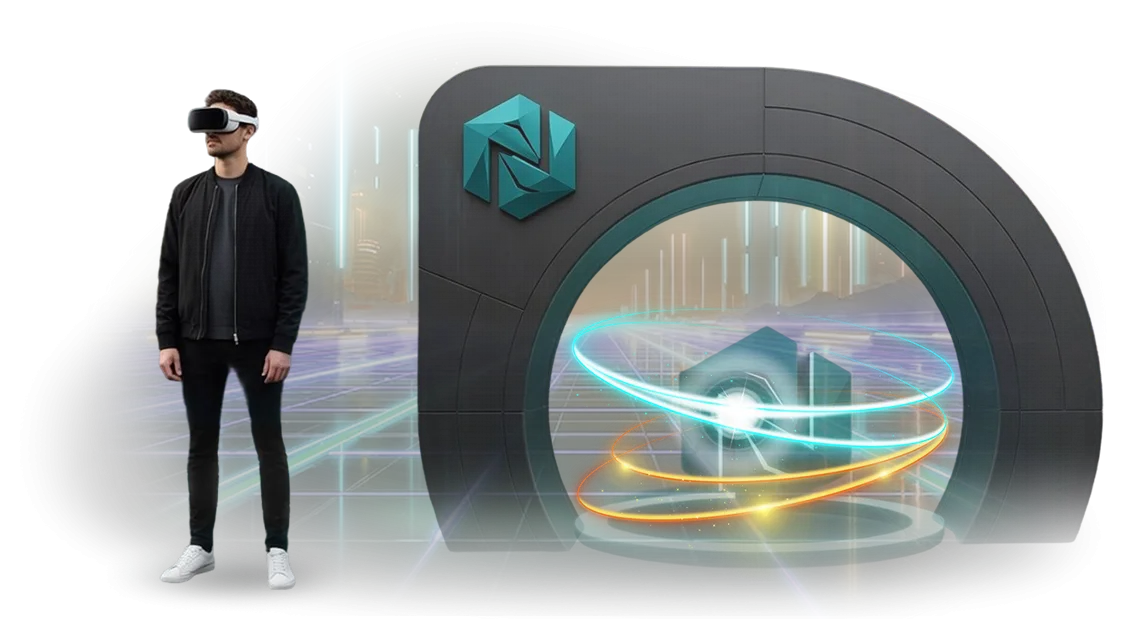
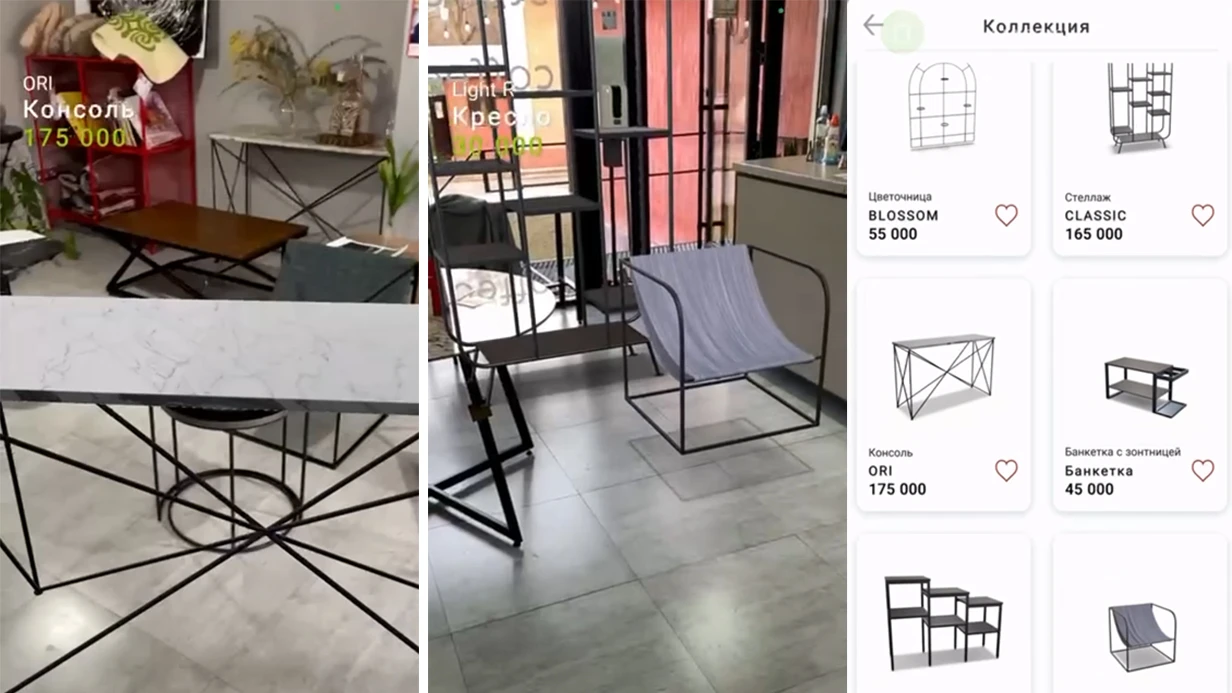
An interactive display window changes the rules of the game. Instead of just looking “through the glass,” the customer gets the opportunity to examine the piece in detail, virtually try it on, see how it works with different looks, send options to friends, and get advice.
Such engagement is not entertainment for hype — it is a working tool that holds shoppers’ attention and leads them toward a purchase decision.
Every extra minute at the display window is a chance for a sale, a repeat visit, and a recommendation to friends. When a piece of jewelry can be “brought to life,” its value in the customer’s eyes grows, while doubts diminish.
That is why we create interactive display windows for jewelry boutiques, museums, and brands: we help restore sales growth, not just decorate a window with technology.
We have already helped a jewelry boutique turn an ordinary display window into a magnet: shoppers began to stop, try on pieces, and come back again. If you notice that customers are switching to competitors — it is time to respond with the same tool they are using.
What You Get from an Interactive Presentation
Jewelry is bought with emotion. An interactive presentation turns choosing and giving a gift into an event: the client opens the box, points their smartphone — and the piece comes to life.
This builds the image of a premium brand that cares about details, and it stays in memory longer than ordinary packaging.
Customer engagement starts with the first touch. Instead of passively looking at a display, the person examines the piece from all angles, changes the metal color, or “tries on” the jewelry.
This format holds attention many times longer, and the desire to share with friends gives you free social media advertising.
An engaged customer chooses more and chooses more confidently. Augmented reality shows not just one piece but the entire collection, suggests combinations, and creates a sense of selection.
As a result, the average order value grows — the buyer leaves not with one ring but with a complete look.
This is also a competitive advantage. While competitors give standard boxes, you offer an experience that gets discussed and photographed. AR packaging sets you apart at an exhibition, in a showroom, or when presenting a gift, raises your status, and builds loyalty. All of this works to bring the customer back and make them choose you.
An interactive presentation also delivers measurable benefits. You can see how many people opened the packaging and what they looked at longer. This data helps you build sales and increase conversion — directly affecting profit.
Interactive Solution Formats for Your Task
In the jewelry business, a purchase is always an emotion, not just the cost of metal.
That is why we create interactivity not as a flashy “attraction” but as a tool that helps sell: it holds attention at the display window, sparks the imagination, and gives people a reason to share the experience on social media.
We do not force your task into one format. For a showroom, a compact AR display window works well; for a museum or exhibition, an interactive installation; for a collection presentation, a mobile installation.
The key is that the solution fits the space and delivers a measurable result: more customer time with the product, higher reach, and more repeat visits.
| Format | For Whom | What It Gives the Customer |
|---|---|---|
| AR display window | Jewelry salon, showroom, boutique | Try jewelry on the hand right from the screen — the customer stays at the display longer and chooses faster |
| Interactive installation | Museum, exhibition, gallery, brand showroom | The story of the collection or brand captures visitors, viewing time grows, and the visit is remembered |
| Mobile installation | Presentation, event, traveling exhibition | The stand attracts attention without staff involvement and collects guests’ contact information |
| AR packaging for jewelry | Gift segment, premium line | The box “comes to life” and becomes a reason to make a video — the brand gets free exposure in social media |
We build every format on professional equipment and proven tools — so it works reliably both on day one and after a month of use. To choose a solution, one brief is enough: within 1–2 days we will propose the format that covers your task and budget.
How the Project Work Is Organized
Every stage — from the brief to launch — is visible and controllable for you. We define approval points in advance so that the design, style, and technical solutions meet the brand’s expectations and require no rework. Below is a clear route that your project follows.
- Brief and brand immersion. We study your collections, target audience, and the task of the packaging: what the client should feel when opening the jewelry box.
- Concept and sketches. We propose two or three AR scenarios — from virtual try-on to the story of how a piece is created. At this stage, we approve the overall idea.
- Design approval. We develop visual elements, animation, text, and voice. You receive a mockup for approval; revisions are made before development starts.
- Installation creation and assembly. We assemble the AR project on professional equipment and proven tools. We test how the scene behaves on different devices.
- Test check. We give access to a test version. You try it on your own smartphones, and we make final adjustments based on response and details.
- Launch and support. We distribute the AR packaging in the print run, provide instructions for your team, and remain available for updates.
Request a test version — within two or three days we will show you what each stage produces on your own product.
What Is Included in the Full Package
We put together the full package so that after project handover you don’t have to buy or order anything extra. You receive a ready-to-work installation — from equipment to content and support — and can launch it immediately after setup.
The package includes:
- Installation equipment. Professional VR/AR systems, displays, and mounts configured for your location. Everything is tested and ready to work.
- Brand content. Interactive scenarios in which jewelry can be “tried on” or examined in detail. We adapt the content to your collection and brand identity.
- Software. Licensed components and proven tools for stable operation — the technical side is entirely on us.
- Installation and dismantling. Engineers visit the site, install everything, and check it before the event, then carefully dismantle it afterward.
- Instructions and training. A quick reference guide and a short session for your team so you can manage the installation.
- Technical support. A specialist is available during the event and handles any issues promptly.
- Warranty and updates. Warranty on equipment and work, and when your collection changes, we prepare new AR modes.
We confirm the full composition in the contract — you know in advance what you will receive. No hidden items or extra payments, only a working installation that draws attention to your jewelry and creates a reason for photos and conversations.
Case Study: Interactive Display Window for a Boutique
A jewelry boutique visitor rarely makes a spontaneous decision — they want to “try on” the piece, understand how it looks, and only then buy. A classic display window only partially allows this: behind the glass, you cannot tell whether the ring will suit you.
We solved this problem for one of our clients by creating an interactive AR display window that turns viewing into live interaction with the product.
In the first month of interactive operation, the boutique attracted more than 2,000 visitors — almost twice the number that usually entered the sales floor during a similar period.
Purchase conversion rose by 40%, and the average order value increased by 18% because visitors added favorite models to a virtual fitting room and returned to them at the counter.
Sellers received a ready-made list of the client’s interests before a conversation even started — and offered exactly what the person actually liked.
Why It Worked
The secret is not technical complexity but the right scenario. A guest holds up their hand to the screen, selects a piece of jewelry, and sees it on themselves in real time. The doubt “how will it look on me?” disappears — and the purchase decision becomes easier.
For a jewelry brand, this is also a way to stand out: the interactivity creates emotion, guests share photos on social media, and the boutique gets free reach.
Payback and Results
The project paid back in two months — thanks to the growth in average order value and the number of repeat visits.
After the first season, the client ordered a collection update for the next release, which confirmed that the interactive format had become part of the business process, not a one-off “wow effect.” We adapt the same scenario for your boutique — to your target audience, product matrix, and sales growth goals.
How to Choose a Format for Jewelry?
You should not start choosing a format from trends but from the business task: what exactly should change after contact with the interactivity — awareness, time at the display, sales, or repeat visits. For jewelry, two scenarios usually work.
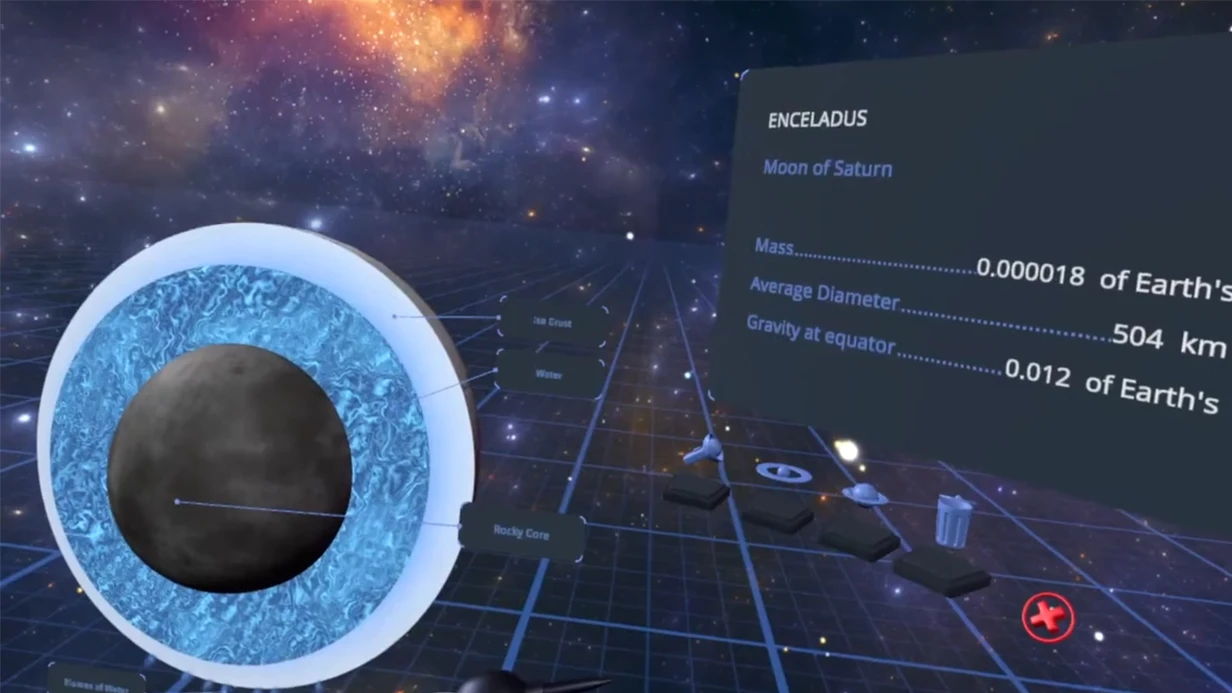
AR packaging “comes to life” from a smartphone — the client points the camera at the box and sees the story of the stone or the piece being worn. A VR zone creates full immersion: the guest “tries on” a ring on a digital hand or travels through the process of creating the piece.
Interactive experiences for jewelry business should be fast and simple: 30–60 seconds per session, no app installation, no staff training. Then it does not distract from the purchase but strengthens it — the person remembers the emotion, not the buttons.
A jewelry installation delivers measurable results: number of scans, time spent with the installation, number of social media posts using your hashtag. These metrics are easy to build into a sales plan and compare with an ordinary display window.
We help you get oriented at the start: during a short consultation we clarify the venue, audience, and goal, show which format will get the best response, and calculate metrics before development.
For example, in the gift segment, an AR effect inside packaging works more powerfully — the surprise moment stays with the client and encourages repeat gifting. For collection lines, a VR presentation of the jewelry story distinguishes the brand at exhibitions.
The final choice comes down to three questions: where does the client meet the product (shelf, showroom, installation), how quickly should the interactivity engage, and what action do we want from the visitor afterward.
Answer these before you start, and you will save budget and time — and we will select a format that actually works for your goals.
Frequently Asked Questions About Implementing Interactivity
Introducing AR packaging for jewelry is a way to show the product as close to the buyer as possible, preserving its value and exclusivity.
But before deciding, it is important to understand how the interactive experience fits into an existing display window or stand, and who is responsible for its flawless performance.
We have collected answers to the most common client concerns: installation, safety, warranty, and maintenance. Short and to the point — so you can imagine the process without technical details and complicated specifics.
Is it difficult to install the interactive system, and does the display window need to be replaced?
Installation takes from a couple of hours to one day, depending on the scale. The equipment is compact, plugs into a regular outlet, and requires no major changes. Our specialists deliver it, set it up, and test it before launch, and carefully dismantle it after the event.
Who will maintain the installation during the presentation?
Support is fully on our side. Before the event, the interactive system goes through a control check, and during operation we monitor its condition and resolve any issues promptly. You do not need to deal with the technical side — just watch visitors’ reactions.
What about the warranty if the equipment fails at a critical moment?
We provide a warranty on all equipment and work. If an emergency situation occurs, we replace faulty elements within a short time. Demonstrating jewelry in augmented reality is a key sales moment, so our job is to eliminate any risk of failure.
Is it safe for visitors and for the jewelry itself?
We use professional certified equipment that is safe for people. AR packaging does not require physical contact with the precious item — visitors look at a digital copy, so accidental touching and damage to the piece are excluded.
Ready to Discuss Your Project? Leave a Request
To make the solution deliver results — higher awareness, visitor interest, and repeat orders — it is important to build on a clear plan from day one.
After contacting us, you receive not general words but a personalized proposal: with format, timeline, stages, and a clear list of benefits specific to your project.
We work with event organizers, museums, and brands — including AR packaging for jewelry. Therefore, the proposal immediately takes into account the specifics of your audience, venue, and marketing goals. All you have to do is approve the details.
A request is the start of the work. We do not send standard documents: each time we assemble a solution for a specific task, so you can make decisions based on facts, not promises.
What will be included in your personalized proposal:
- Consultation on your task: we will analyze which format — VR, AR, or a combined installation — will solve your business problem.
- Solution selection for your location and visitor volume, with a focus on engaging guests and measurable reach.
- A commercial proposal with fixed cost, timeline, and stages — no hidden work or unexpected additional payments.
- A clear list of business benefits: what you get after launch — from increased awareness to growth in repeat inquiries.
- Examples of completed projects in your industry — so you can see how it works in practice.
- Support and maintenance guarantees: you are not left alone with the installation after launch.
Leave a request for a consultation — and within one business day you will receive a commercial proposal and a list of benefits for your project. You are under no obligation: you can calmly compare, weigh, and choose the best option.