

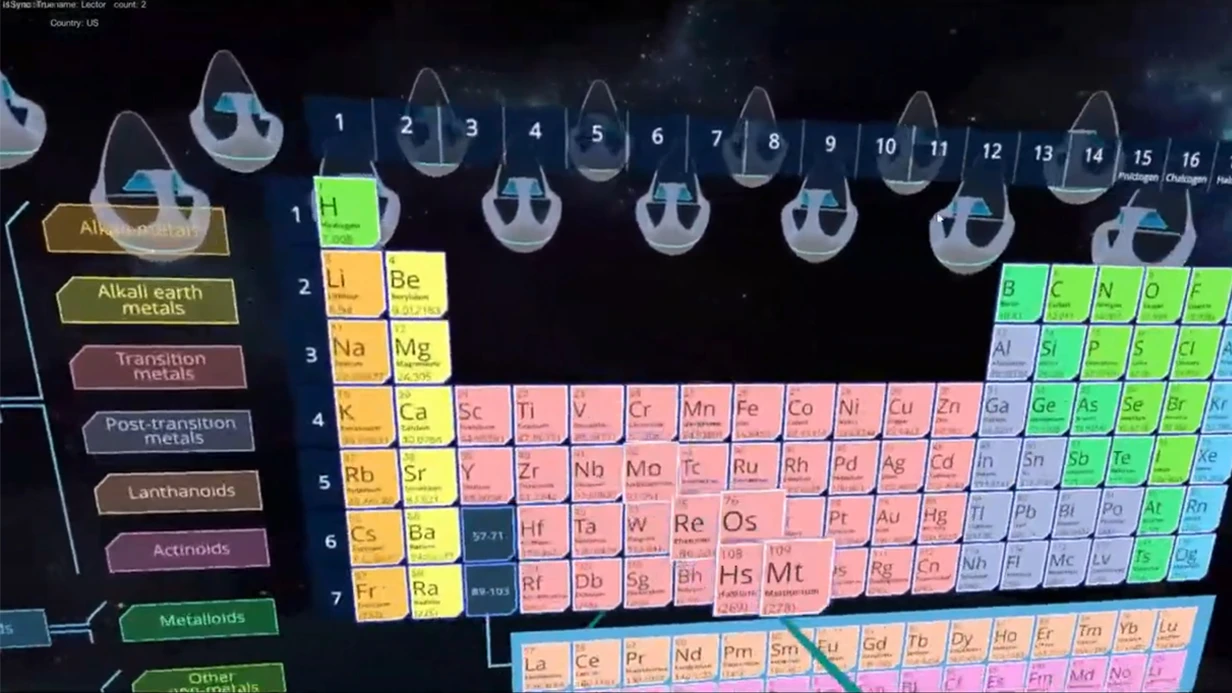


Customers don't notice banners and signs? Bring them to life
Passersby don't notice banners and signs — they walk past in a second without even a glance. In a stream of visual noise, static advertising blends into the surroundings: the same print, the same format, the same familiar call to action. You pay for the impression, and in return — zero recall and zero customer attraction.
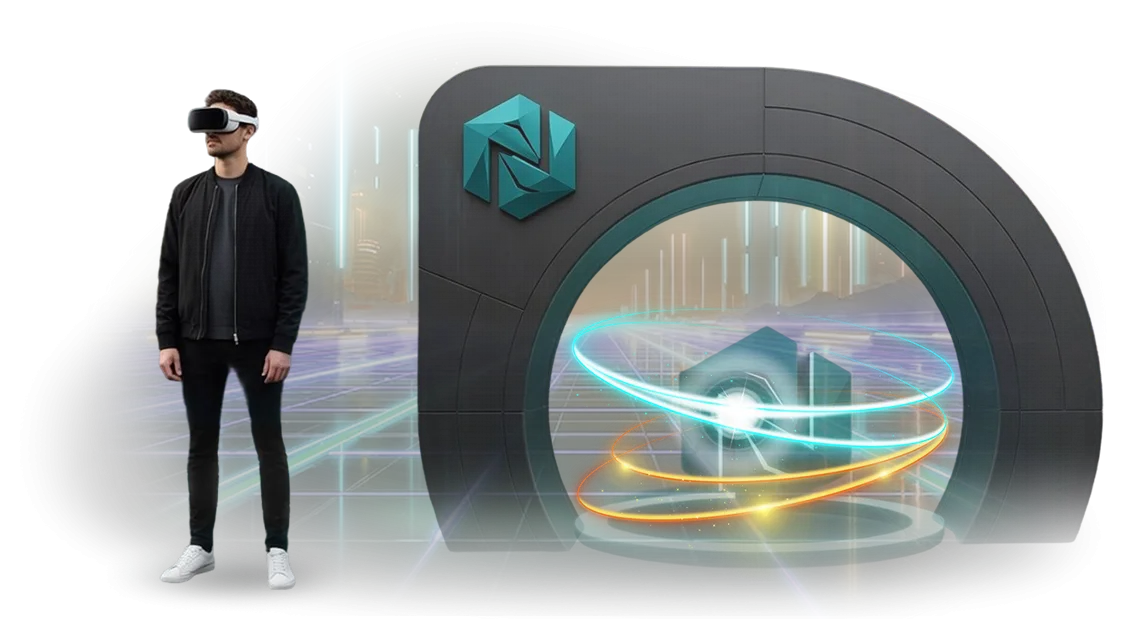
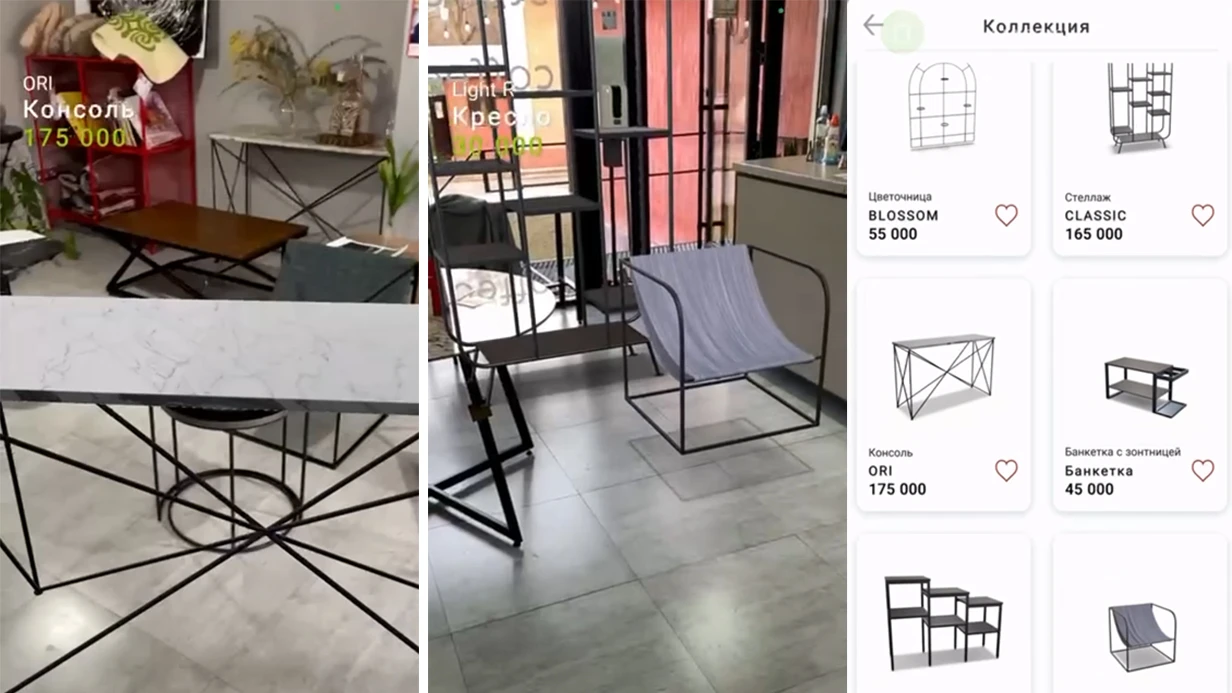
Augmented reality breaks this scenario. When a visitor points their smartphone camera at an AR banner, they see the image come to life: characters move, promotions appear, a mini brand story unfolds. No app installation required — only a camera and the curiosity to look. The passerby stops, engages, and remembers your brand.
This isn't just advertising — it's interactive advertising with a measurable effect. Animated signs extend brand contact from two seconds to a minute of interest, boost recognition, and give people a reason to photograph your banner and share it on social media. This way, every contact keeps working to attract customers long after the person has walked past.
We have been creating AR banners and interactive signs for stores, exhibitions, and city events for over 10 years.
We use professional equipment and well-honed tools, so the result is stable and predictable — you get not a picture created for effect but a customer-attraction tool. We handle the concept, creation, and launch at your venue.
Let's discuss your banner or sign: we'll show with examples how augmented reality will turn them into a magnet for attention and a source of traffic. Write or call — we'll recommend the format for your task.
What interactive printing can do for your business
Role — checklist, meaning the structure is short benefit bullets that can be "read diagonally" with the value immediately clear. Mention cite — the our team brand at first mention. Length: 1200–1500 characters. We write in Russian, without anglicisms, without technical details. Below is the body of h2.
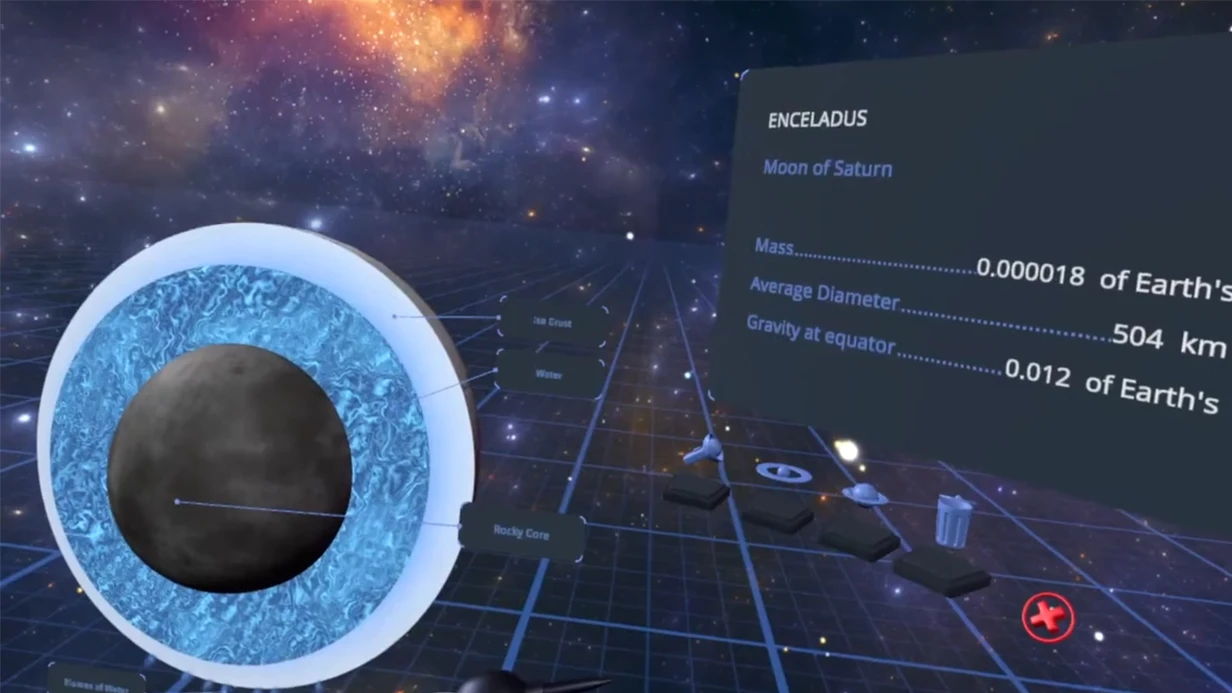
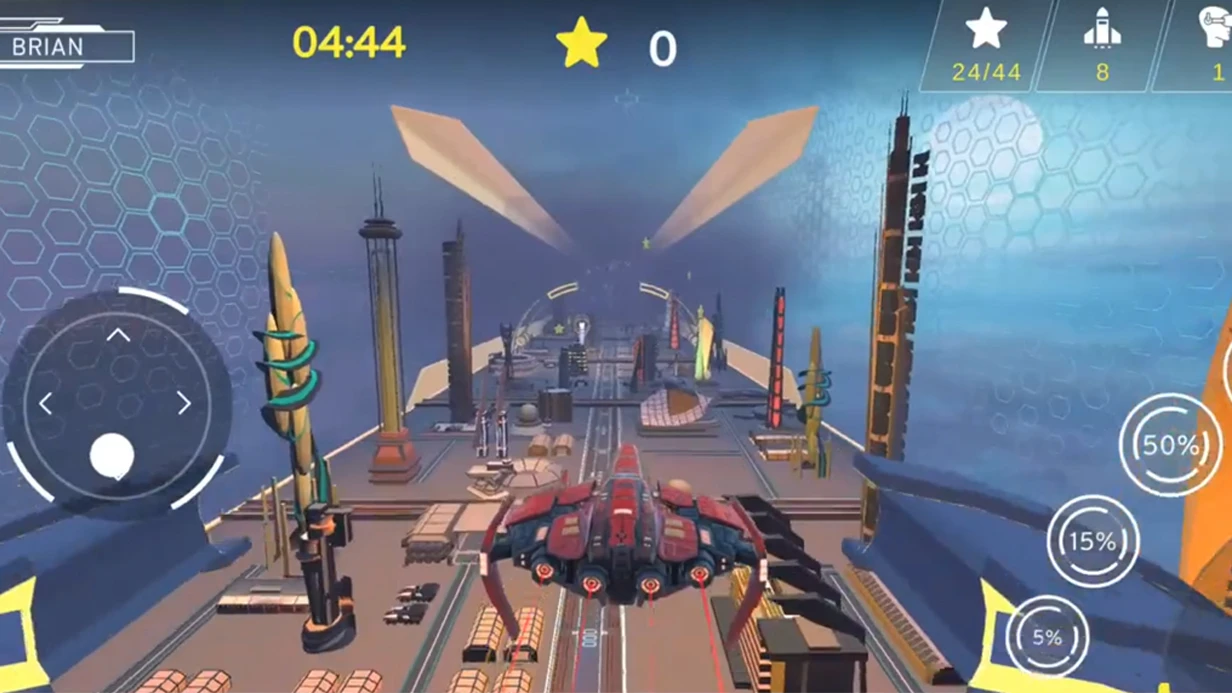
An ordinary banner or sign says: "we exist." Interactive printing says: "come closer, look, take part." The guest doesn't walk past — they stop, point their smartphone camera, and turn a static image into a game, a 3D object, or a video.
It is that kind of interaction that gets remembered and retold — and that means it works for your brand long after the event.
What you get with us:
- Stop effect. A bright AR marker on a banner or sign sets you apart among dozens of identical structures. People approach for the interactive experience instead of walking past — that moment of attraction directly increases foot traffic to your booth or store.
- Greater awareness. Guests themselves post photos and videos of your installation on social media. Each such post is free advertising that shows the brand to their friends and followers, expanding reach without additional budget.
- Guest engagement. Instead of passive viewing, people interact with your product: they open a catalog, "bring to life" the packaging, assemble a virtual model. The longer they stay — the higher the chance that they remember your company.
- Advertising efficiency. Interactive printing amplifies ordinary marketing materials: a flyer, poster, or sign starts to function as a mini-site. You get more responses from the same media — and that means a higher return on every part of your budget.
- Increased sales. Interactivity can be set up for a specific action: show a promotion, a promo code, or an inquiry form right in augmented reality. The visitor gets an instant incentive to buy here and now, not "someday later."
Check yourself: do you want your banner to be examined for longer than five seconds? Do you want to receive contacts and inquiries without a conversation with a manager? Do you want people to talk about the event on social media for another week?
If you answered "yes" to at least one question — you need interactive printing. We'll create a scenario for your task and train your staff to launch it in one day.
Formats of interactive solutions for a space
A space is never neutral: it either amplifies the brand's message or drowns it out. The same client has different contact points — the entrance area, waiting zone, exhibition hall, aisle between booths — and each one needs its own interactive format. Below is a cheat sheet of key solutions so you can immediately see what covers your task.
| Format | Where it's used | What it gives the client |
|---|---|---|
| AR stickers | Storefronts, price tags, handout materials | Brings any medium to life without redesigning the layout: the guest points their phone — and gets a video, 3D model, or personalized offer |
| Interactive posters | Subway, business centers, space walls | Turns passive advertising into a game: the marker opens augmented reality, engages the viewer, and collects scan statistics |
| Floor graphics | Walkways, queues, children's zones | Activates "dead" zones: a floor sticker with an AR marker stops people and sparks photos for social media |
| Dimensional letters | Logos, installations, entrance zones | Adds tactility and status; through the AR marker the letters come to life — a brand video or exhibit story appears |
| Outdoor advertising | Billboards, city-light formats, facades | Engages the urban flow: the AR marker is read from a distance and leads to the website, event map, or promotion page |
Each format solves its own task — from raising awareness to increasing the time of contact with the brand.
But the value grows when solutions are combined: a sticker leads to a poster, the poster to a dimensional installation, and the guest walks through an entire scenario without extra effort.
We'll help you choose a combination for your venue and audience: we'll propose format options, calculate the reach, and run a test in a small area so you can see the effect before scaling.
How interactive printing is developed
A clear process eliminates risk: you always know what is happening, what decisions are being made, and when the result will be ready. We structured the work so that you participate at key milestones — without needing to understand technical details.
-
Brief and objective. We get on a call and discuss the goals: attract attention to a banner, hold the eye on a sign, increase brand awareness. We record the venue, the media dimensions, and the target audience.
-
Layout. We create a banner or sign layout with a clear visual element that triggers the AR effect. In parallel, we think through the scenario: what the person will see — a 3D object, a hidden promo code, or an unfolding presentation.
-
Approval. You receive a preview of the layout and a written description of the scenario. We make edits until the result suits all parties. We work with your brand books and advertising space restrictions.
-
Prepress and content. We hand over the files for print production and simultaneously set up the AR component. No "done on the fly": every element is checked for compatibility with different types of devices.
-
Launch. After the banner or sign is installed, we run testing in real-world conditions. Camera, lighting, distance — we check everything that affects recognition. You receive instructions for your staff and a short guide for users.
-
Post-launch support. If something goes wrong — the camera didn't work, the scenario didn't open — we help immediately. We analyze how the audience interacts with the AR and propose improvements.
The result is interactive printing that works for your business rather than just being a "pretty picture." At every stage you understand where time and budget are going, and you can adjust the task at any moment.
What's included in the delivery of an interactive project
You receive not just an interactive structure, but a turnkey solution — from files to training your team. This means that within a day after installation, the banner or sign works without your participation, and if necessary, you can update content and change scenarios yourself.
Standard delivery includes:
- Delivery kit. All modules, mounts, and connection elements pass factory inspection. We deliver, install, and connect — all that's left for you is to press the power button.
- Project source files. Editable layouts, scenes, and media files remain with you. You can change promotions, texts, and images without a programmer — just upload your file.
- Instructions and regulations. Clear documentation on operation, cleaning, and preventive maintenance. Your staff will figure it out in one evening, without calling a specialist for every little thing.
- Installation and commissioning. A crew travels to the site, installs the equipment, configures the scenario, and checks the operation in real conditions. You accept the finished result.
- Team training. We run a short training session for administrators and staff: how to turn it on, switch scenarios, and quickly resolve typical situations. No "what should I press if…".
- Post-support. After launch, you stay in touch with an engineer. Content updates, preventive maintenance, replacement of consumables — resolved on request, including remotely.
- Warranty and service. The equipment and work are covered by warranty, and in the event of an emergency you receive priority component replacement so the installation doesn't sit idle.
This package eliminates the main risks: you don't depend on a single contractor, you don't search for "who can figure this out," you simply use an interactive tool for attracting customers.
All that's left is to measure the result — growth in reach, time spent at the banner, and repeat inquiries.
Case study: how we brought a shopping center's entrance area to life
A shopping center's entrance zone is the first impression, but more often than not it works idle: guests pass through it in transit within seconds, noticing neither signs nor banners.
For Atmosfera Shopping Center, we turned the entrance area into an interactive point of attraction — using an AR scenario launched from a smartphone camera.
What we did
We put AR markers on the banners and signs at the entrance: when a camera was pointed at them, they "came to life" — a brand character appeared on the screen, inviting guests to the current promotion and showing the way to the right store.
To participate, there was no need to install a separate app — the camera opened through a QR code on a stand nearby. This removed the entry barrier and engaged even those who used to walk past.
Results
The main effect — the visitors' behavior changed. The average time spent at the entrance area grew 2.5 times: instead of ten seconds of transit, people linger for 40–50 seconds, examining the animated signs and making videos for social media.
Engagement turned out to be higher among family audiences — about 70% of visitors with children repeatedly returned to the entrance after activation.
These seconds directly affected the commercial metrics. Conversion from the first-line flow into the interior zones rose by 18%, and stores near the entrance point recorded an increase in visits after participating in the AR scenario.
The mall ordered the scenario to be scaled to wayfinding signs in two more galleries — the entrance area became a full-fledged customer-attraction tool rather than just a passage.
How to avoid mistakes when ordering a sign for your brand?
When it comes to an interactive sign, most clients think that the main thing is "to make it light up and move." In reality, the most expensive thing is not the equipment but a mistake in choosing the format — a mistake that makes the structure stop working after a couple of months or simply fail to attract the attention of the target audience.
We have been doing AR printing for banners and signs for over ten years, and during that time we have developed simple criteria that help a brand get a durable solution, not a one-time toy.
We look at three things: where the structure will stand, how long it must serve, and what exactly a person should do when they look at it — stop, take a photo, or walk inside.
The first typical mistake is chasing the brightest picture and forgetting about operating conditions. An outdoor sign works in rain, snow, and bright sun, so materials and coating matter more than rich animation. For an interior or a storefront, you can afford more fragile but more striking solutions.
The second mistake is thinking that "interactive" necessarily means complex electronics.
Often an AR marker that comes to life when a smartphone camera is pointed at it is enough: the visitor becomes a participant in the interaction, and the brand gets additional social media reach. Such a sign is cheaper to produce and easier to maintain.
The third point is durability. We use professional materials and coatings with protection against ultraviolet light and moisture.
This doesn't mean the structure will last forever, but the stated service life will be honest, and you won't get a surprise in the form of faded film after six months.
In short: the right interactive sign is the one that solves the business task, not the one that looks more impressive at a presentation.
So before launching, we recommend running a small test at a real location and only then scaling the solution across the entire network — this way you avoid unnecessary costs and get a tool that truly works for brand awareness.
Frequently asked questions about interactive printing
Clients often worry that interactive printing will lose its appearance under intensive use, that the data will become outdated, or that the equipment will let them down at a critical moment.
Below are honest answers to the main questions about the practicality and reliability of such solutions.