



Guests not engaged? Interactive activities solve the problem
Passive guests are the main problem of any event. They come, watch, but don't remember either you or your program. The audience's attention scatters within the first minutes, and holding it without interactive event solutions is almost impossible.
A week later, only a couple of photos in a feed remain from the event, with no desired interest in the brand. That's lost investment and a missed opportunity to build an active community around the company.
Interactive activities for events change the very mechanics of participation: action instead of contemplation, emotion and a personal story instead of indifference.
When a person controls the scenario themselves, tries, fails, and wins, they live through the event rather than just attend it.
This kind of experience is memorable, and people want to share it—in conversations and on social media.
Audience engagement stops being a secondary task and becomes a working tool: guests stay until the end, get to know the product better, leave their contacts, and come back again.
Event interactivity is built around brand goals—from introducing a new product to launching a community of loyal customers. At the same time, guests don't feel any intrusiveness: play and emotion do their job naturally.
We design such solutions for a specific event and your audience, so we close the "guests not engaged" issue: we develop the scenario, choose the technology, and launch an activity that turns visitors into participants, and participants into long-term friends of the brand.
What community engagement brings: emotions, reach, and repeat visits
For any brand or venue, the main value of an event is not the number of tickets sold, but what remains in guests' memories after the final applause.
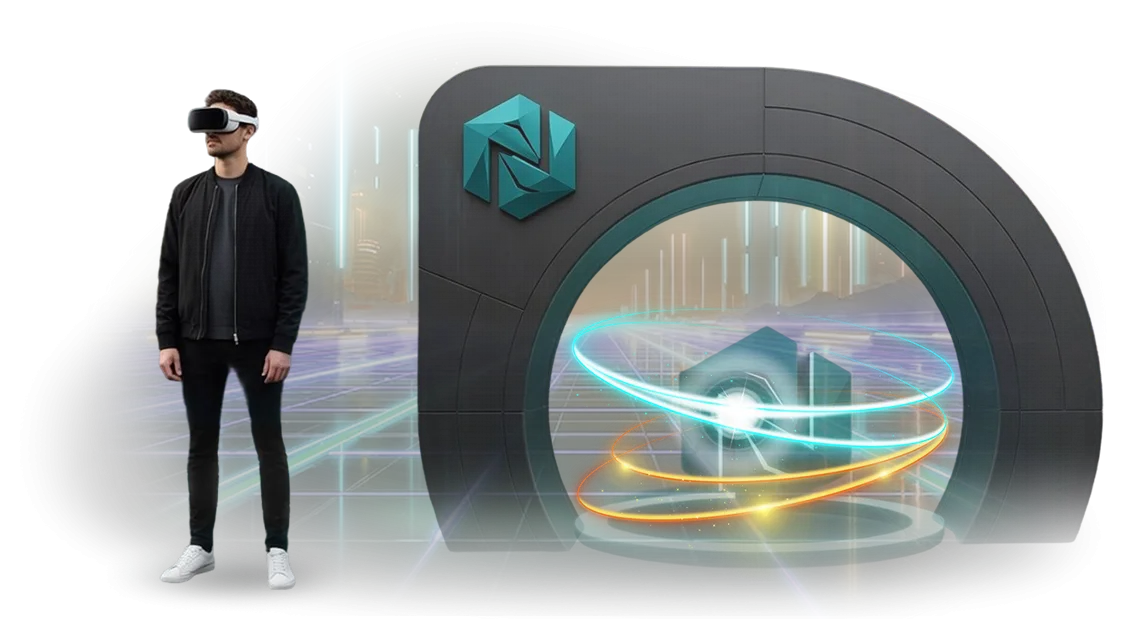
Interactive VR and AR installations turn visitors from spectators into participants: a person doesn't just watch—they interact, create their own moment, and share it. That's how an emotional connection with the brand is born, one that lasts longer than any promo video.
A strong impression—the foundation for conversations
People discuss what has moved them. When a guest puts on a headset and is transported to another world, or sees their drawing come to life on a wall, it becomes the main topic of the evening.
Such impressions don't fade the next day; people tell colleagues and friends about them and post photos and videos. Each of these stories is free advertising for your event.
Audience reach beyond the venue
One active participant brings dozens of new contacts: their posts are seen by followers, and reposts spread across adjacent communities.
An interactive zone is specifically designed to make people want to film it—striking shots and unusual angles naturally provoke the desire to share. As a result, the event's reach grows without an additional advertising budget.
Brand awareness you can feel
Familiar banners and logos in the background get lost, but the interactive experience stays.
The brand becomes part of the guest's personal story: "I controlled this," "I created this with their help." Such an experience builds a deep connection and sets you apart from competitors. People remember not the color of the booth, but what they felt.
Repeat visits and community growth
After a strong impression, guests want to come back and bring friends. If the installation changes or unlocks new levels, visiting becomes a tradition.
Regular events with interactive zones gather familiar visitors and turn them into a lasting community—and that's a stable audience for future activities.
Leads that come by themselves
Interactivity is a convenient reason to ask for a contact: "leave your email to get your result" or "send the photo to yourself." Guests willingly leave their data because they get value instantly.
This way, from each event you collect a database of interested people who can then be invited to new events or introduced to the product.
Formats for your task: from exhibitions to corporate events
Each format solves its own task: an exhibition should surprise and keep guests longer, a museum should bring history to life, a corporate event should unite the team.
That's why we don't sell "hardware"—we choose an interactive activity for your audience, venue, and budget. This is exactly what interactive community engagement activities are—a tool that creates a dialogue between the brand and people, not just broadcasting.
Below are the main formats we deliver turnkey: from idea and content to installation and on-site support on the event day. For each client, we adapt the scenario, visual style, and participation mechanics.
Main installation formats
| Format | For whom | What it gives the client |
|---|---|---|
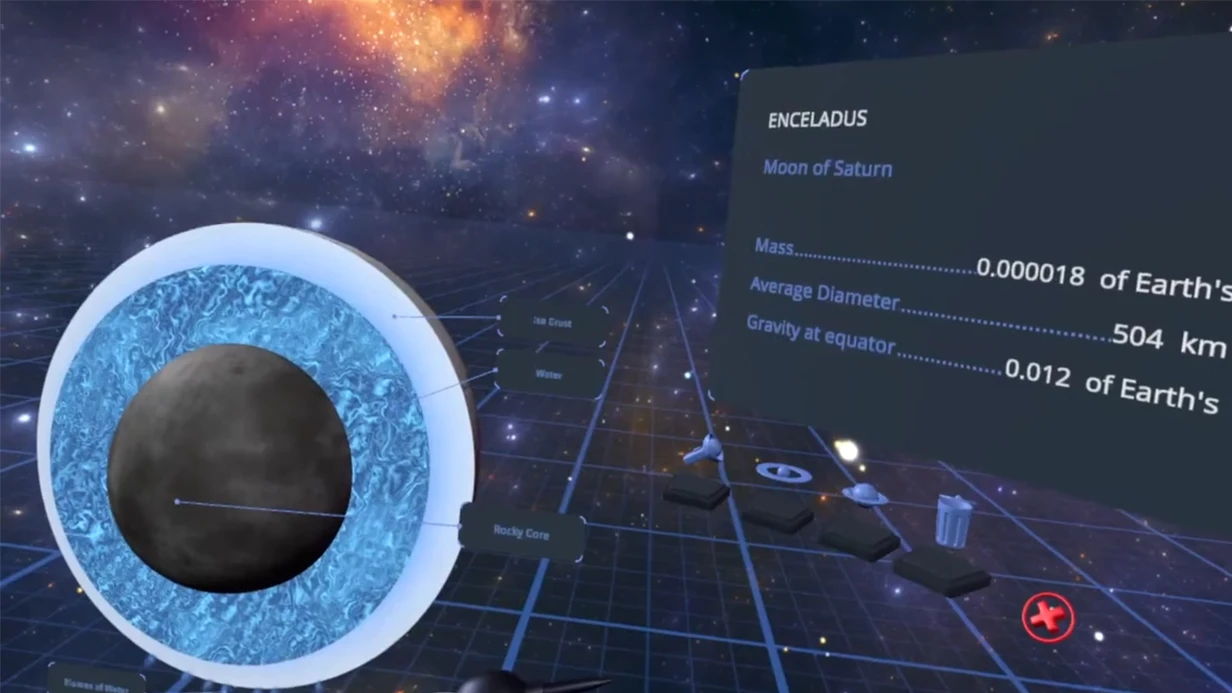
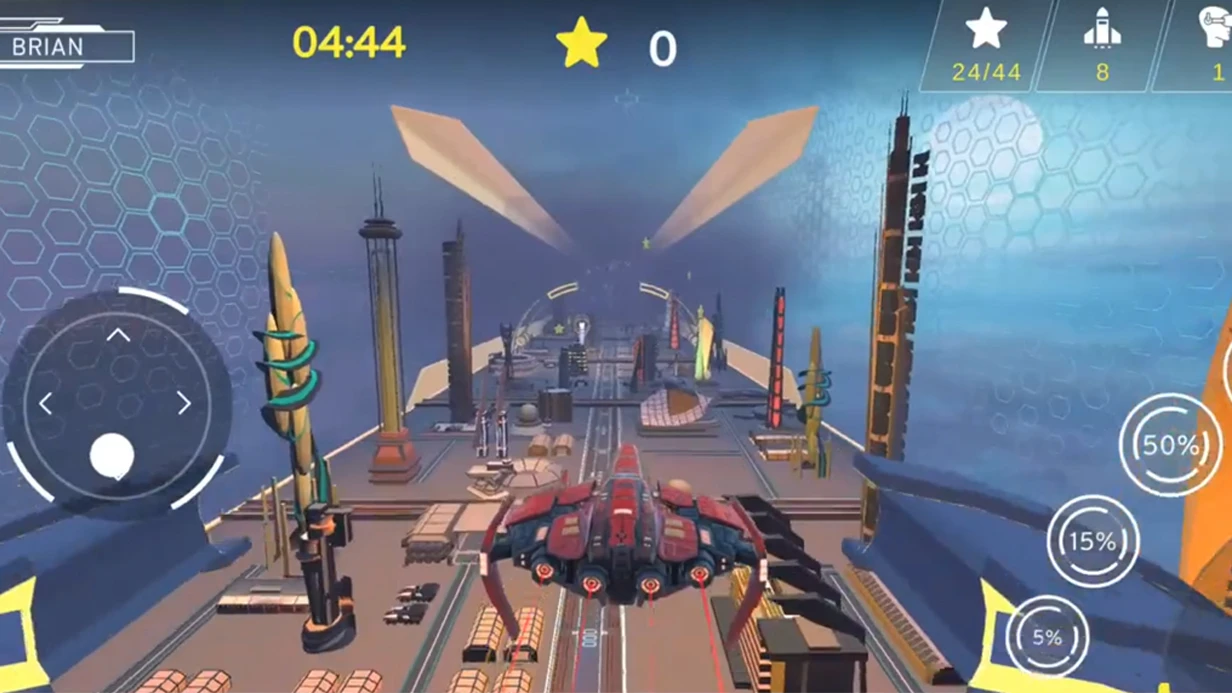
| VR virtual reality zone | Exhibitions, press events, brand booths | A steady flow of visitors and a lively queue; each guest spends 5–7 minutes in the brand's world and shares their impressions. |
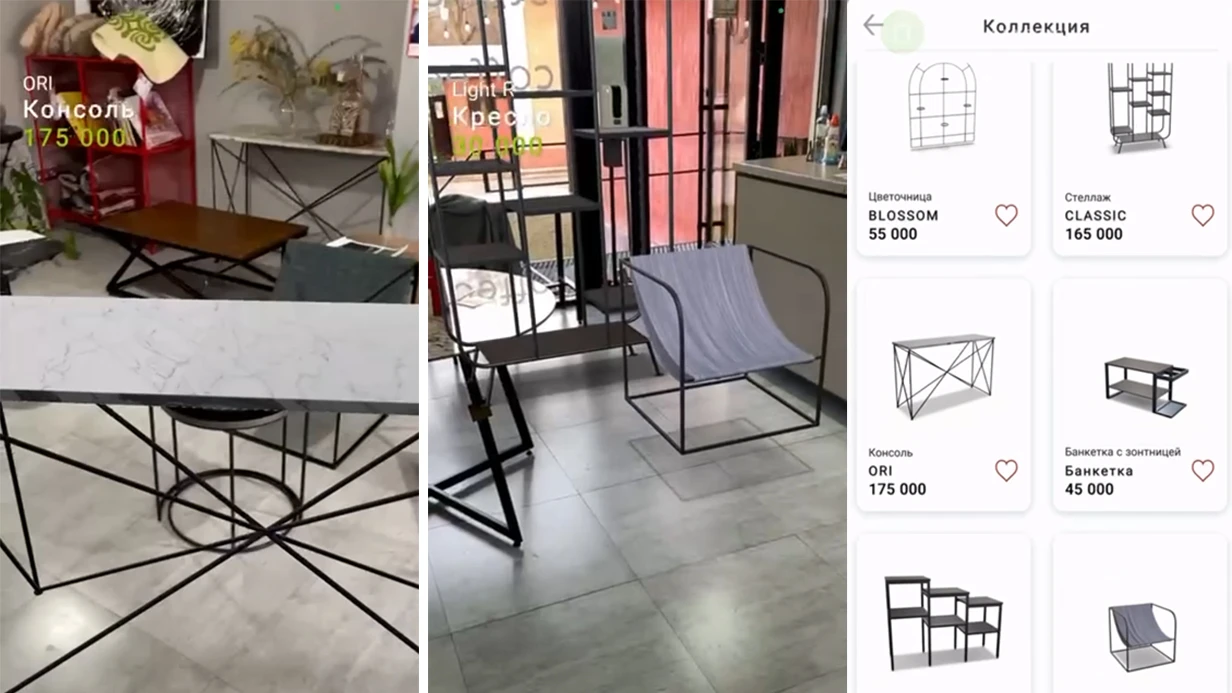
| AR augmented reality | Museums, galleries, city festivals | Brings exhibits to life, engages younger audiences, and creates reasons for photos and social media posts. |
| Interactive floor or wall | Shopping malls, family celebrations, corporate events | Brings families and colleagues together around one point, delivers emotions, and provides clear activity statistics. |
| Immersive show or installation | Product presentations, anniversaries, private events | Turns a presentation into a memorable event that people talk about after it's over. |
| VR quest and team games | Corporate team building | Unites employees in a shared adventure, breaks down barriers, and creates shared memories. |
All formats run on professional equipment—you get a stable result without failures on the event day. If you're not sure which format suits you, we'll send examples of similar projects and calculate a cost estimate for your venue.
How we work: from brief to launch and support
We've structured the process so you see results at every stage, not just at the finish. No surprises: a clear brief, a fixed cost estimate, realistic deadlines, and one person responsible for the project—a personal manager. Below is the typical path from idea to a working installation with on-site support.
Project stages
-
Brief and task. We discuss the event's goals, audience, and venue. We determine what kind of activity you want: attracting visitors, education, entertainment, or increasing brand awareness. We fix the budget and the desired outcome.
-
Concept and approval. We offer 2–3 scenario options with visual references. You choose the direction, we make edits and approve the final concept. No improvisation—you control every step.
-
Cost estimate and plan. We detail the estimate: production, equipment, installation, on-site staffing. We fix the timeline and project milestones. You get a transparent document with no hidden fees and understand what you're paying for.
-
Installation development. Our designers and engineers prepare content, assemble equipment, and show you intermediate demos. You see in advance what the activity will look like and have time to influence the details.
-
Installation and testing. We bring the installation to the venue, assemble it, and run a full test of the scenario. We make sure everything works stably before guests arrive.
-
Launch and support. On the event day, our specialists are nearby: they help guests, monitor the operation, and quickly resolve any issues. On-site support is included in the contract—you don't need to look for a subcontractor at the last minute.
What's included in the project: a kit for your event
To make the event deliver measurable results, we don't hand over equipment—we hand over a ready-made scenario for interacting with guests. The kit is assembled for your venue and task: you get a working installation, trained staff, and clear numbers for your report.
- Interactive scenario — a detailed description of the mechanics: how a guest approaches, what they do, and what they get. We take into account age, traffic, and event goals so the activity is clear from the very first step.
- Equipment for the event — professional VR/AR systems, touchscreens, and servers selected for the task. Our engineers bring everything, set it up, and test it on-site before the start.
- Installation and dismantling — we arrive at the venue in advance, assemble the zone, and test each scenario. After the event, we take down the equipment and remove it, so you don't have to worry about logistics.
- Technical support — our engineer stays nearby during the days the installation is running. Any operational issue is resolved on-site, without delays for guests or your team.
- Staff instructions — short guides for your employees: how to welcome guests, what to say, and who to refer complex questions to. They don't need to understand the technology.
- Analytics and report — after the event, we provide data: number of sessions, average time at the installation, peak hours. Based on this, you see the activity's real contribution to reach and brand awareness.
This kit covers everything needed to launch an interactive experience—from idea to numbers in your presentation. All you have to do is choose an event and invite guests.
Case study: how we helped a museum double visitor attention
A museum called Museum of Urban History came to us. People walked through the halls in 12 minutes and left; only 8% of guests returned for a second visit. There was an advertising budget, but "word of mouth" was silent—there wasn't enough emotion.
We proposed an interactive VR zone: a guest puts on a headset and finds themselves on a reconstructed street from the last century, can enter a shop, see how the city changed, and leave a virtual "trace." We handled the entire technical side—scenario, content, and professional equipment—so the museum only dealt with welcoming guests.
Each session takes 5–7 minutes, and entry is free—it complements the tour rather than tiring visitors.
Result for the museum
After two months, the average time spent in the museum doubled—from 12 to 27 minutes. The share of repeat visits over six months rose from 8% to 17%, and in a survey, 9 out of 10 guests named the VR zone the most vivid impression.
One in three visitors came specifically because of a friend's recommendation or from social media—the museum gained a free flow of new visitors. The average check at the café grew by a third: guests started spending more time and buying souvenirs more willingly.
The museum is happy and has ordered a second installation for its children's exhibition. That's the best indicator: the client comes back with a new task. We continue to support the project: we update the scenario for new exhibitions and answer technical questions. We'll tell you how to adapt the solution to your venue and budget.
How to choose a suitable format for a non-standard task?
A non-standard task isn't a problem—it's a reason for an individual solution.
Every day we work with requests that aren't in the catalog: drawing attention to a new product at a noisy exhibition, engaging visitors in the story of an exhibit, or building a community around a brand.
That's why we don't answer the question "what would suit us?" right away—we answer it together with you.
We choose the format backwards—from the result. First, we determine what should change: number of contacts, time spent at an exhibit, repeat visits, the emotional trace left after the event. Then we evaluate the venue, visitor flow, and the path people take.
Only then do we pick the technology and scenario—so the solution ends up being practical, not just impressive.
For example, for a high-traffic exhibition, several short activities of 2–3 minutes each work better, while for a private presentation, a single strong zone that gathers guests by itself is best. These aren't abstract thoughts—they're the result of 10 years of practice at events of all sizes.
So you don't have to guess which format will work, we offer a short consultation before you order. You tell us about the task, audience, and constraints—together we choose the right format: from mobile installations to large interactive spaces.
It's non-binding—but it's exactly this kind of conversation that gives birth to a solution that wows.
If you have a non-standard task—describe it in two sentences, and we'll suggest a direction. Even a rough idea we'll turn together into a working tool for engaging guests.
FAQ: safety, timelines, and cost
We understand: before launching an interactive zone, you have the same questions—is it safe for guests, will you meet the deadline, what happens if the equipment breaks down, and what makes up the price.
Our team has run hundreds of events over 10+ years, so we answer directly, without fine print or hidden conditions.
Below are the questions we hear most often. If new ones come up—just write to us: we'll discuss the details and, if needed, adjust the project to your venue and budget.
Is the equipment safe for guests and staff?
Yes. We use certified professional equipment that has been tested for use in public spaces. We hide cables in protective boxes, prevent overheating and sudden movements, and choose gentle operating modes for children's activities.
What are the development timelines for an interactive project?
A standard project takes 3 to 6 weeks: brief, scenario approval, production, and testing. If you need a larger installation or unique mechanics, the timeline increases, but we always fix the delivery date in the contract and show intermediate results at every stage.
What happens if the installation breaks down during the event?
That won't happen, because before launch we run multiple stress tests and keep spare components. In case of an emergency during rental, you get a hotline and the option of an engineer visit—in most cities that takes no more than a few hours.
What does the cost of the interactive experience consist of?
A transparent estimate: scenario and design development, production or rental of equipment, on-site installation, technical support, and dismantling. Payment is phased—you pay only after seeing a completed intermediate result. No hidden fees or "mandatory extras" at the last moment.
Do you provide a guarantee for your work?
Yes, all obligations are specified in the contract. We provide a guarantee of up to 12 months on development and installation, and the manufacturer's guarantee on equipment. If any issues arise during this period, we restore functionality or replace the component free of charge.
Discuss your project with our engineers
Before launching an interactive experience, it's important to align expectations, budget, and technical capabilities. Our engineers will hold a consultation where they'll examine your task from all angles: from idea to on-site implementation. It's non-binding.
After you reach out, you'll get the specifics you can use to plan the project:
- Cost calculation for your budget and event scale—no hidden surcharges.
- Selection of the interactive format: what will work best—a VR zone, an AR mask, or a hybrid solution.
- Engineering consultation: we'll assess implementation complexity, technical risks, and realistic timelines.
- A prototype of the future solution and pre-launch testing—you'll see the result before production.
- Turnkey interactive: from idea to installation and support from our specialists on site.
- Recommendations for integrating it into the program so the activity fits naturally into the schedule and strengthens guest engagement.
Leave a request for a consultation—we'll get in touch within one business day, answer your questions, and prepare a preliminary solution. You'll get clarity on cost, timelines, and format even before development starts.