



How interactive engagement games revive guests' interest
Guests arrive at an event with high expectations, but within half an hour their attention drifts: standard presentations and static zones give them no reason to stay. Organizers watch people disappear into their phones and realize — the program isn't resonating.
Each such guest means lost time, negative impressions, and missed opportunities. At that moment, event interactivity becomes not just entertainment, but a working tool for audience retention.
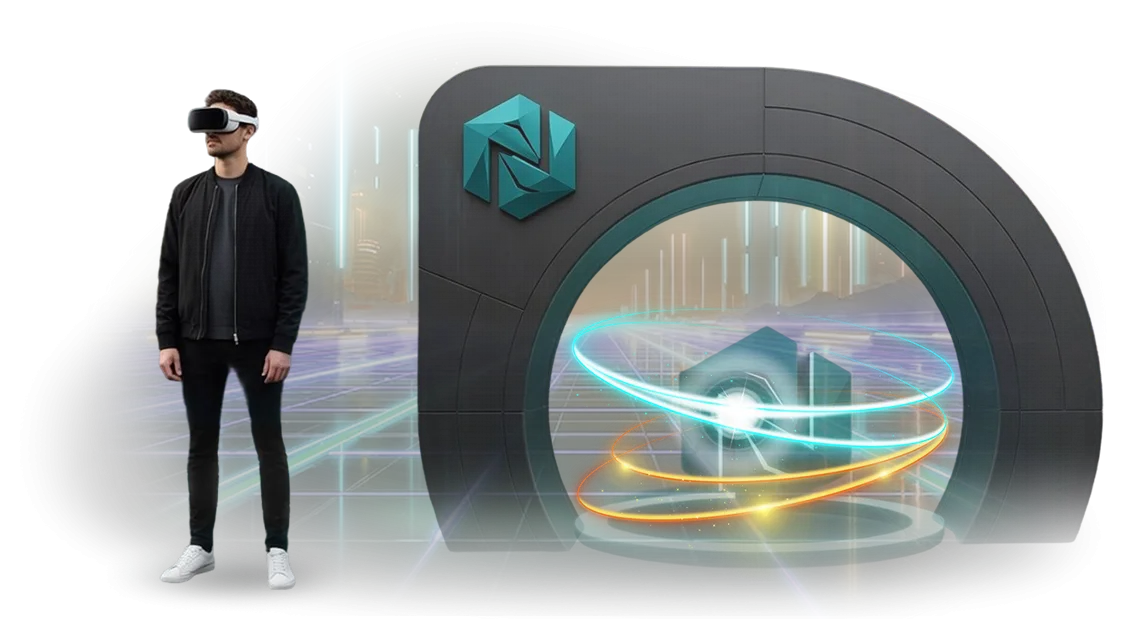
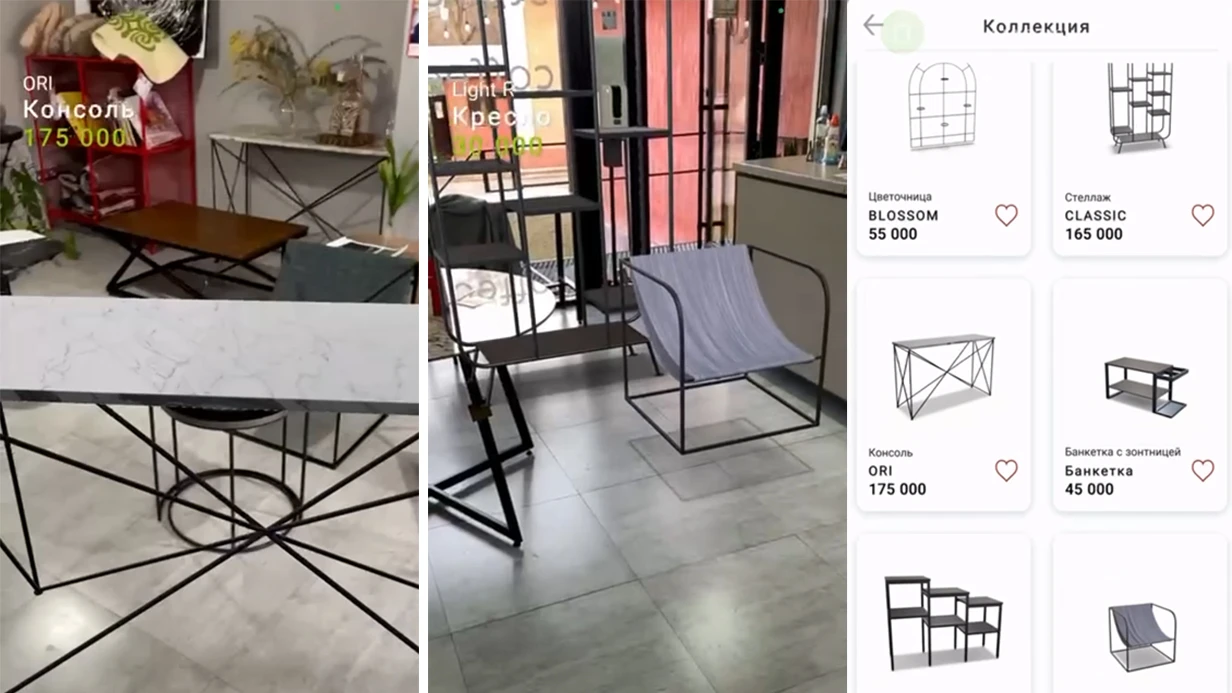
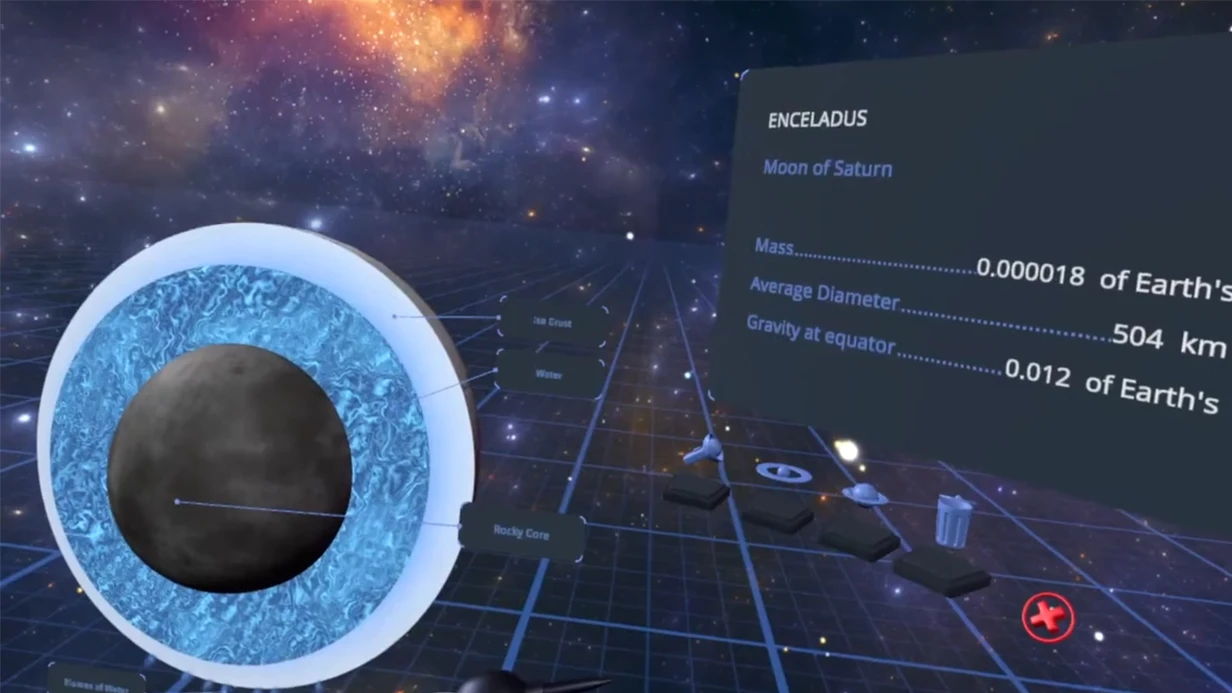
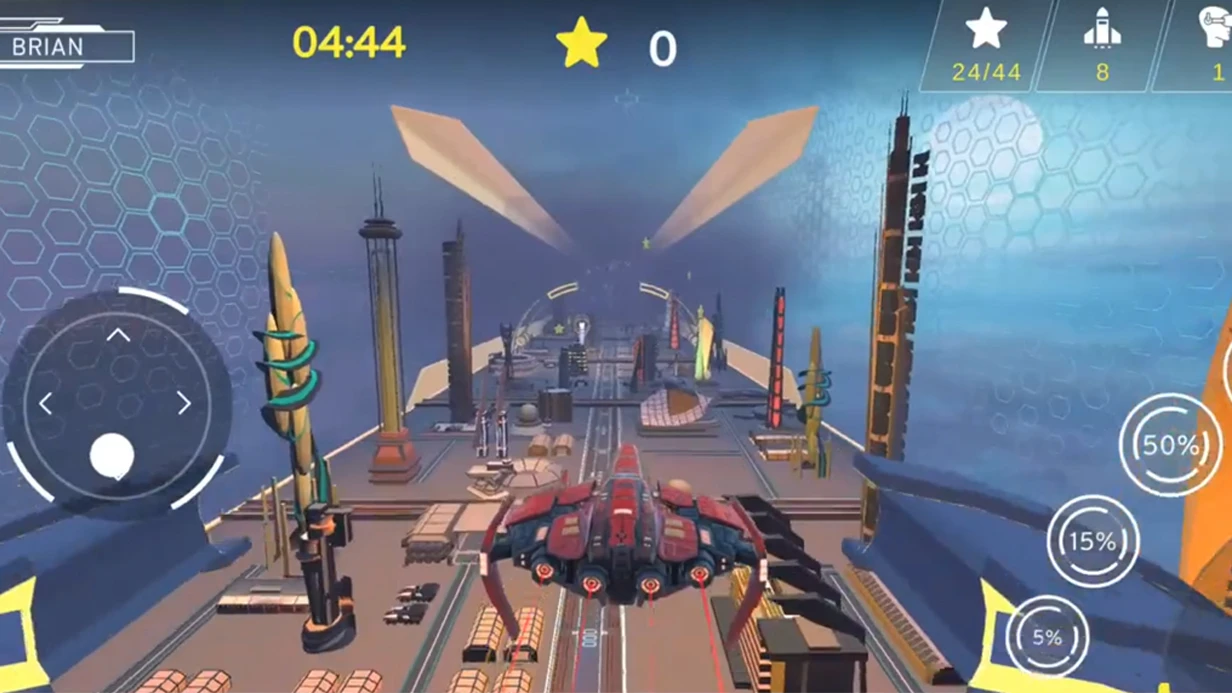
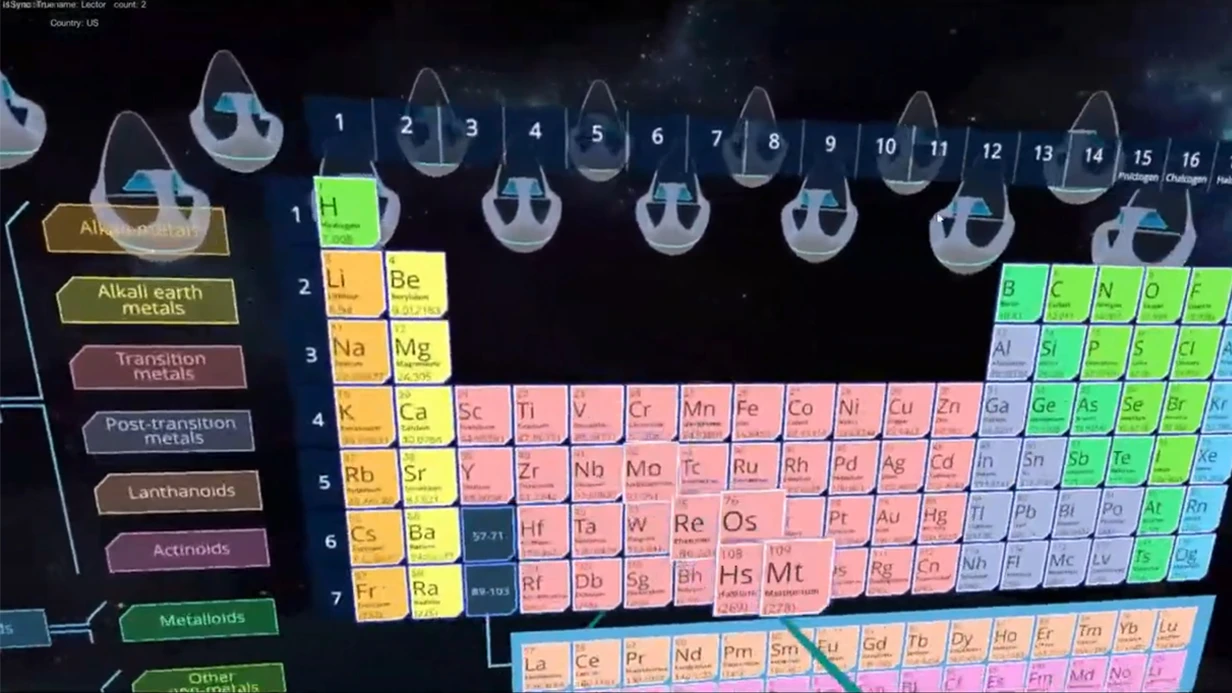
Interactive games engage guests through action and competition. VR attractions transport participants into another world where they control the story themselves, while AR installations turn familiar spaces into a living playground for exploration.
This format creates a vivid emotion that people want to share: photograph it, discuss it, come back to it. Guest engagement is built on the natural desire to try something new, test yourself, and win — and this works in any format, from a business conference to a city festival.
Why does this bring interest back? Because the guest stops being a spectator and becomes a participant. They influence the scenario, get quick feedback, and see the result of their actions.
This kind of involvement increases memorability of the brand and the venue, and participants themselves share impressions on social media, expanding reach without an additional advertising budget.
For the organizer, this means more satisfied visitors, positive reviews, and a desire to come again.
We design and launch such solutions turnkey: from idea to installation and support. Our engineers use professional equipment and well-tested scenarios, so you get a reliable result — no failures at the most critical moment.
We help you choose the right format for your venue, budget, and goals, so interactive games contribute to a concrete business result: guest retention, growth in repeat visits, and brand recognition.
5 benefits of interactive solutions for your brand
Interactive solutions turn a visitor from an observer into a participant, and that changes everything: from brand perception to contact collection. Instead of passively watching, a person gets involved in the game, remembers the emotion, and tells others about you.
-
Increased brand awareness. Unusual VR and AR zones become a reason for photos and videos. Guests share them on social media — the brand gets free reach long after the event. For example, Red Bull uses interactive stations to turn every visitor into an ambassador.
-
Broad audience coverage. Interactivity attracts even those who came “just to look.” The line at the zone becomes additional marketing: people around see the buzz and join in.
-
Event lead generation. Built-in contact collection mechanics — a participant leaves an email or phone number to get the game result or a photo. This way you get a base of interested clients without buying ads.
-
Increased loyalty. Positive emotions create a brand association. Visitors remember that you are interesting and are more likely to come back as customers.
-
Measurable results. We record the number of participants, interaction time, and other metrics — you see which activity brought the most value and understand your return on investment.
Each of these benefits addresses a specific business task — from awareness to repeat sales. Tell us your goal, and we will build a solution that delivers measurable results.
Interactive zone formats: choose according to your task
Interactive zone formats differ not by equipment but by goal: a museum retains visitors, an exhibition draws attention to a booth, a corporate event unites the team.
We select the format for the venue, audience, and expected business result so that a visitor gets involved in the game within seconds.
Interactive zone formats
| Format | Best for | What it gives the client |
|---|---|---|
| VR zone for museums | Families, school groups, tourists | Immersion in the exposition, longer dwell time, and more repeat visits |
| AR for exhibitions | Booth visitors, organizers | Product details added to the experience, hall navigation, engagement without queues |
| Corporate interactives | Team, partners, event guests | Team building, vivid emotions, ready-made photo and video content |
| Mobile installations | Promotions, city events | Quick launch, wide audience reach, easy operation |
These are basic scenarios, and within each one we customize the depth of immersion and complexity of mechanics: from educational quizzes to team competitions.
After the brief, we offer 2–3 formats with a cost estimate for your budget and help you choose the one that will give maximum reach and memorability. We support every installation from launch onward — guests enjoy themselves, and you calmly handle the other tasks of the event.
How the creation of an interactive zone works: 7 steps
We have structured the process so that you always know what stage the project is at and what you will get as a result. No “black box”: you participate in key decisions, and we take on the entire technical side and all risks. Below are seven steps for creating a turnkey interactive zone.
-
Brief and immersion in the task. We talk by phone or meet, discuss the event goals, audience profile, venue, and expected results. You get recommendations on which interactive formats will work best for your specific case.
-
Concept and scenario. Our engineers and designers offer 2–3 interaction options: from simple touch panels to full-fledged AR zones. You see how guests will move, what they will do, and what emotional trace will remain with the brand.
-
Project approval. We finalize the concept, scope of work, budget, and timeline. You receive a clear plan with stages and control points, as well as mockups of the future zone, so you can approve the design before development begins.
-
Development and debugging. We build the interactive, assemble the equipment, and test everything in our own environment. For you, this means that by launch time we already know how the system behaves in different scenarios — from peak load to power failures.
-
Preparation for the on-site launch. We arrive early, set up the zone, and carry out final calibration and rehearsal. You don't have to worry about how everything is connected and configured — you just accept the result.
-
Launch and support. On event days, our engineers are available by phone or present in person. Any little issue is resolved instantly so that the flow of guests is not interrupted and the zone runs without failures.
-
Post-event support. A few days later, we send a report: how many people interacted, average session time, and photos and videos from the venue. This data helps evaluate performance and adjust strategy for future events.
This approach has already helped dozens of organizers and brands, from intimate exhibitions to events with several thousand guests. You get not just a game, but a manageable tool that works before, during, and after the event. Start with a simple step — tell us about your task.
What the delivery includes: a complete launch kit
You get a complete launch package — no need to buy anything extra, find subcontractors, or figure out the technology. We handle equipment, content, installation, and support, while you focus on your guests and the meaning of your event.
What's included in the delivery:
- Task-appropriate equipment — VR headsets, sensors, screens, and audio systems. We select it based on the format and number of guests so that everyone gets a vivid experience without queues or delays.
- Rental or purchase, your choice — flexible terms: pay for use at the event, or keep the solution for permanent operation. We'll suggest the option that is more advantageous for your budget.
- Custom content for VR and AR — games and interactive scenarios developed around the theme of your brand, event, or exhibition. The content serves your goal: entertainment, education, or product engagement.
- On-site installation — we deliver, assemble, configure, and fully test everything before the event begins. Engineers leave only after they are sure everything works.
- Staff training — a short session on how to welcome participants, help with equipment, manage sessions, and handle common questions. Your people will feel confident from the first hour.
- Ongoing technical support — a duty specialist is on call, and for long projects, on-site. Any unusual situation is resolved quickly, without stopping the event.
- Guaranteed result — if equipment fails, we will replace it as soon as possible and continue working. You take no risk; we take responsibility for the technical side.
We work turnkey: from the brief to the moment the last guest takes off the headset. All you have to do is set a date and approve the concept — we handle everything else.
Case study: how we doubled guests' dwell time
For the federal electronics hypermarket chain iHome, we developed an interactive game for a city festival: guests caught virtual bonuses on a screen and exchanged them for real prizes at the booth.
The goal was not to entertain for likes, but to keep people longer and build a contact base for marketing.
What we did
Instead of the usual promoters with flyers — a short game mechanic lasting 3–4 minutes. The participant scans a QR code, completes three levels, and at the end leaves an email to get a bonus.
We see real-time statistics: how many people made it to the end, at which stage they dropped off, and which prizes create excitement. This allows us to change the difficulty and rewards on the fly, without waiting for the event to end.
Numbers for the decision-maker
Before and after — how it looked from the business side:
| Metric | Before the interactive | After the interactive |
|---|---|---|
| Average time at the booth | 1.5 minutes | 6 minutes |
| Share of guests who left a contact | 8% | 41% |
| Conversion from participant to buyer | 5% | 19% |
In three festival days, we collected 2,400 contacts — five times more than the plan. The average purchase value of game participants was 20% higher than for other guests.
The client saw these numbers without complex reports: we prepared clear analytics where every metric is tied to business outcomes.
Repeat order
Two months later, the chain came back to us and asked us to adapt the game for a winter in-store promotion. We reused the mechanics, replaced the virtual objects and prizes — the launch took only three weeks. That is the main sign of success: the client returns because the interactive paid off.
How to choose the right interactive format for your task?
Choosing an interactive format starts not with technology but with three questions: what emotion do we want to evoke in the guest, how many people will participate at the same time, and what are the venue's limitations.
These parameters determine whether it will be a VR zone, an AR experience, a projection game, or a hybrid solution. There is no universal “best” format — there is only the one that solves your task.
Choosing a format is a compromise between impact and venue conditions. In a small museum hall with fragile exhibits, AR scenarios work better: the digital layer does not require contact with objects.
For a large-scale event with a flow of 500+ guests per hour, you need interactives with quick participant rotation. The more accurately you describe the venue and audience, the more precise the solution will be.
Venue specifics even affect lighting, noise, and traffic routes. We visit the facility, measure conditions, and test the scenario to avoid surprises on the opening day. That's why an audit and concept come first, then implementation.
How to choose the right interactive? Look for a team that asks questions before proposing a solution. If you are immediately told “let's do VR” — that's a warning sign.
We start with task analysis and choose the format based on audience, budget, and venue specifics, not the other way around. That way you get a tool that fits naturally into the space and works toward results.
In the end, the interactive attracts attention, increases dwell time, and collects contacts. And you don't need to dive into technical details — we handle everything: from concept to launch and support.
Frequently asked questions about VR and AR installations
Before ordering a VR or AR installation, clients most often ask about price, timelines, and risks. We answer the main questions so you can plan the project calmly and not worry about the technical side.
How much does a VR/AR installation cost?
The cost depends on the scale: one zone or several, the number of guests, and the level of immersion. A turnkey project usually fits within a cost calculated after audit — this includes interactive development, equipment rental, installation, and support on the event day. We provide an exact estimate for your scenario after the brief.
What are the implementation timelines?
A standard project takes 4–8 weeks, from concept to on-site testing. If the date is already close, we have an express format — we adapt existing solutions in 1–2 weeks while keeping the same level of quality.
What happens if the equipment breaks?
A duty engineer comes to the site for the duration of the installation, and we have a spare kit for key components. Replacement takes 15–20 minutes, so guests won't notice any failure. All risks are included in the cost — no additional payments in the middle of the event.
What guarantees do you provide?
We work under a contract with a fixed estimate and timeline. The installation is guaranteed for the entire day of the event, and the software for 12 months after launch. If questions arise, we respond within 24 hours.
Didn't find your question? Write to us — we will send a detailed cost estimate and recommend the optimal format for your task.Leave a request — we'll create an interactive that will be remembered
Leave a request — and within a day you'll receive a cost estimate and format options for your task. You don't need to understand technology: you describe the audience and goal, and we select mechanics that deliver results.
For the exhibition <cite>Живая экспозиция</cite>, we built an interactive AR zone: in the first weekend, more than two thousand people visited it, and the next project came back without any additional presentations.
After you contact us, you receive:
- cost and timeline estimate within one business day;
- three interactive formats to choose from — from a simple screen-based solution to a VR/AR zone;
- a scenario describing guest actions, timing, and expected emotional response;
- a clear implementation plan with control points — you see what happens at every stage;
- a fixed cost estimate with no hidden payments and no need to “finish things separately”;
- post-launch support: our engineers stay in touch and quickly make adjustments.
We develop interactives on professional equipment and proven tools, so breakdowns and freezes at the most critical moment are excluded. You get not a “raw prototype,” but a ready-made solution that works at your event — from a private presentation to a city festival.
Leave a request on this page, specifying the venue and number of guests. We'll respond within an hour, ask a couple of clarifying questions, and offer a solution with a clear budget.
That way you order an interactive that has already proven itself at live events — and you know what you are paying for.