

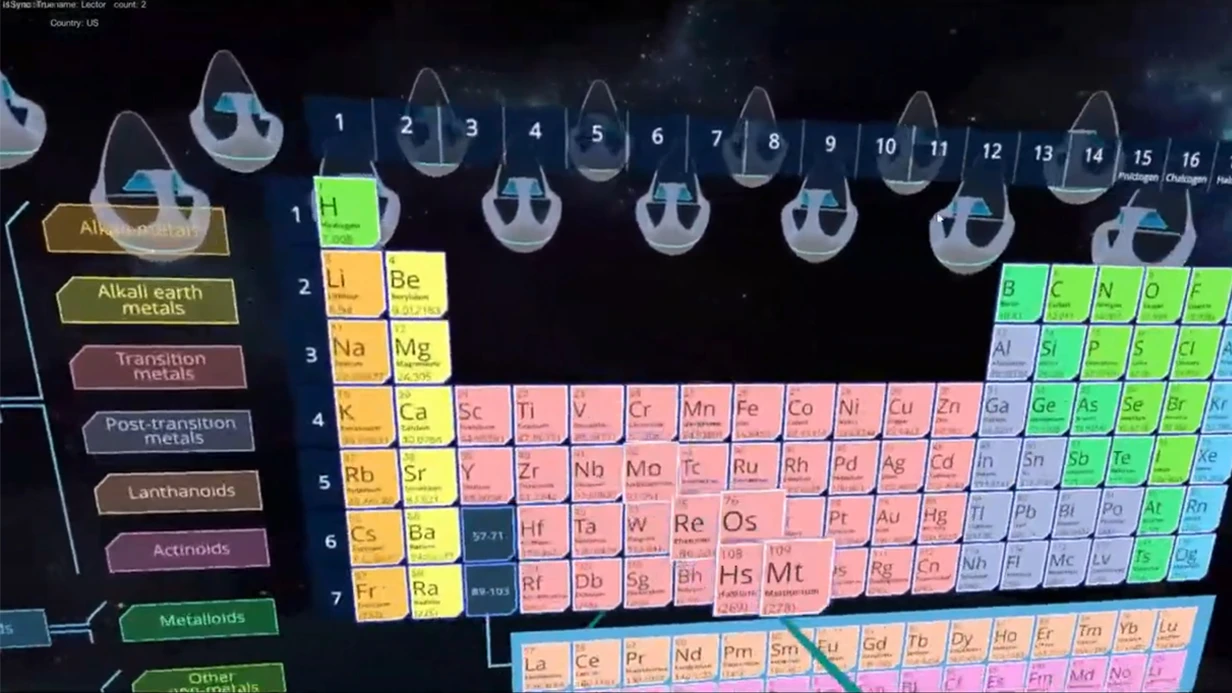


Interactive Event Installations: Why Guests Walk Past
Guests come to an exhibition to be amazed, but most often they walk past booths in 10–15 seconds. Ordinary banners and video presentations do not hold attention: the eye glides on, and the budget spent on participating in the event does not deliver the expected effect. In the end, the company gets an expensive venue but no dialogue with the visitor.
Engagement requires a different approach — not presentation, but participation. An interactive event installation turns the viewer into a player and co-author: they touch the screen, move through the space, and influence what is happening.
This changes guest behavior — they stop, explore, take photos, and return to the booth again. This very retention of attention is the core value of interactive solutions that we help bring to life.
Our engineers build installations on professional equipment and well-honed tools, so the result runs reliably all day and does not let you down at the critical moment.
The team has dozens of projects for exhibitions, museums, and brands behind it: from compact touch zones to large-scale spaces that become the center of attraction of an event.
For example, at one industry forum, Innovation Expo, our interactive zone held guests for 4–5 minutes on average, and the queue at the booth did not run dry until closing.
An interactive installation solves several tasks at once: it attracts traffic, gives the guest a vivid experience, and turns them into a source of free advertising — photos and videos of the unusual zone spread across social media and keep working for the brand after the event is over.
You get not just equipment but a tool that is measured in genuine interest, captured contacts, and brand recall.
Growth in Engagement, Leads, and Brand Awareness
An interactive installation is a marketing tool, not just entertainment. It attracts attention, collects contacts, and anchors the brand in guests' memories. Brands like Red Bull use such installations — and for good reason.
Engagement That Is Noticed and Discussed
Guests spend 5–10 times more time at an interactive installation than at a regular booth. They get involved in the game and share the result on social media — that is how genuine interest in the brand is born.
Contacts That Come Without Pressure
A game or quiz motivates visitors to leave their data in exchange for a bright result. Contact collection reaches 40–60% of zone visitors — people give their email voluntarily and are more willing to enter further dialogue.
Loyalty That Brings Clients Back
A positive experience becomes linked to the brand on an emotional level. After such an interaction, a participant is more willing to return to the product and recommend it to friends — repeat orders and average order value grow.
Awareness and the Image of a Modern Brand
Photogenic scenes give a reason to share: each participant brings 2–3 free impressions on social media. The installation itself shows that the company keeps up with trends — this builds trust and sets it apart from competitors.
Event Installation Formats for Your Task and Budget
When choosing an interactive installation, it is easy to get lost in the variety of solutions. We match the format to your task: from a compact mobile zone to a full-scale museum space. Below are the typical scenarios our clients order most often.
Each option solves a specific business task: attract new visitors, increase dwell time, collect contacts, or strengthen the brand image. That is why the table lists not technical parameters but the benefit for your project.
Format Comparison
| Format | For Whom | What It Gives the Client |
|---|---|---|
| Interactive table | Exhibitions, showrooms, waiting areas | Engages guests, collects contacts, extends time at the booth |
| Projection mapping | Presentations, concerts, building facades | Turns a surface into a show that is remembered and filmed |
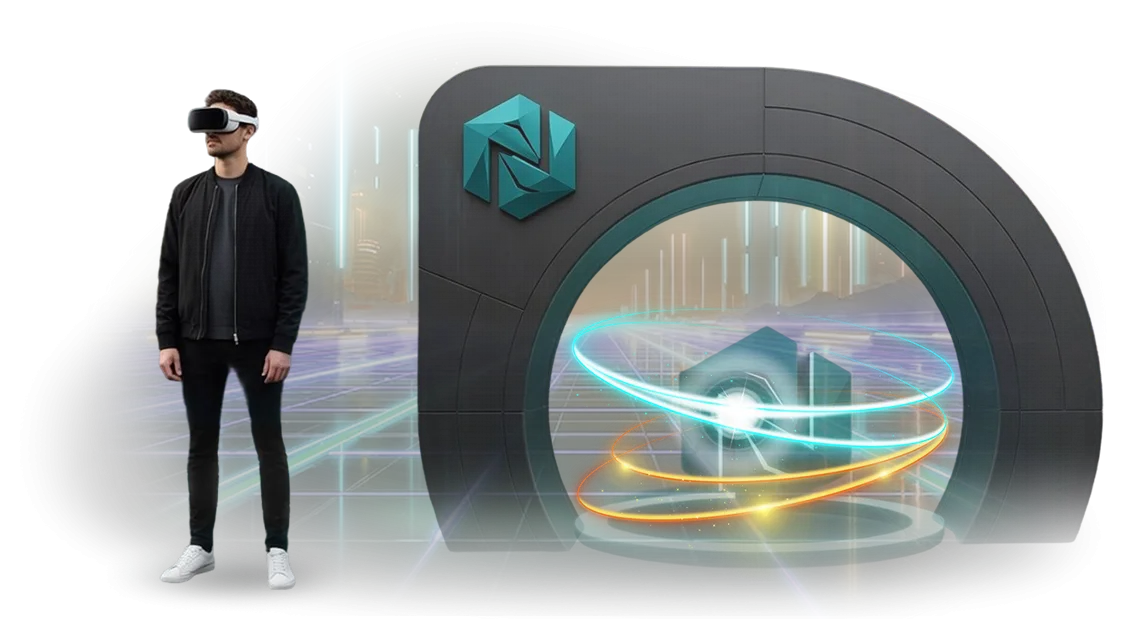
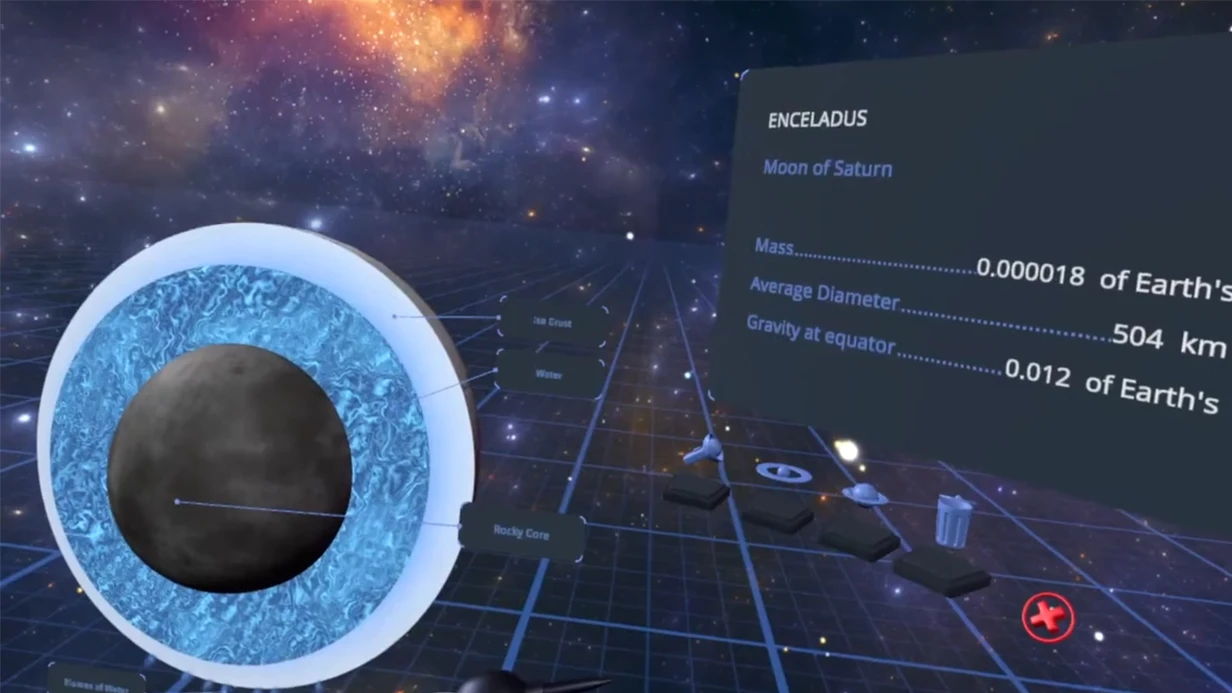
| VR zone | Events, parks, museums | Full immersion in a product or era, amplifies emotions |
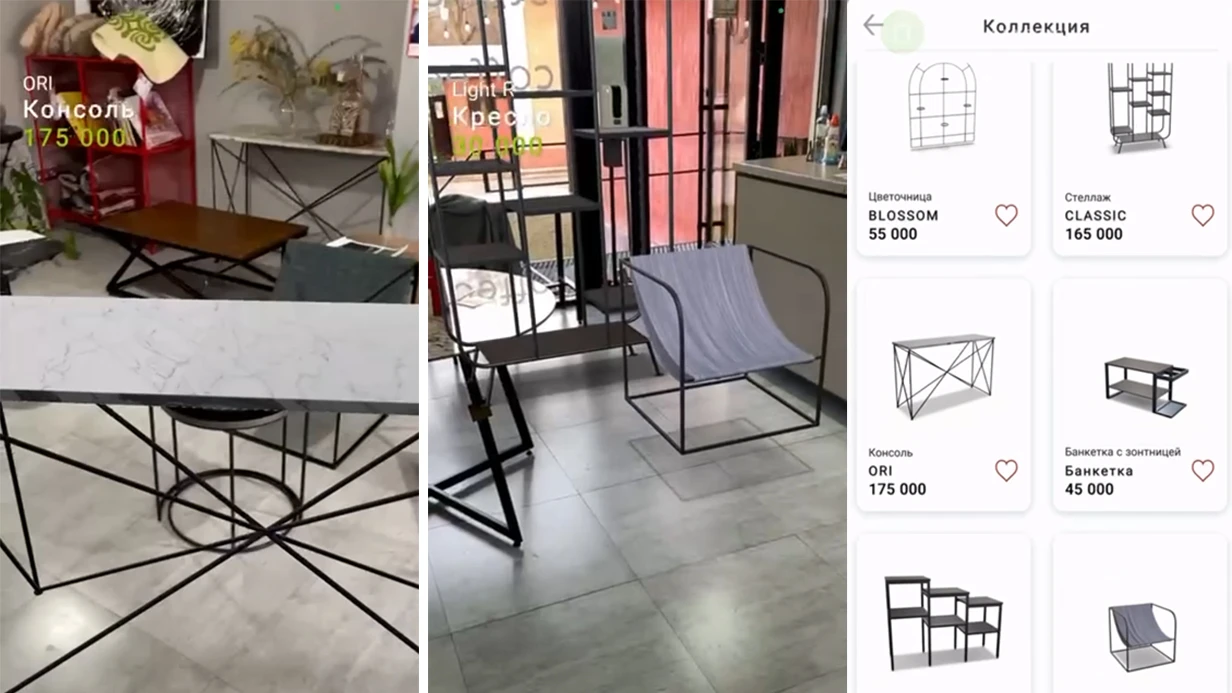
| AR filters | Social media, brands, events | Viral reach through guests' posts |
If you do not know which format fits, start with a consultation. Our engineers will help you choose a solution for your budget and tasks and will adapt any format to your scenario.
How Installation Development Works: From Brief to Launch
Developing interactive installations for events (interactive event installations) is a mini-production that combines idea, design, programming, and installation.
So that you can control the process and understand what you are paying for, we have broken the work into seven clear stages — from brief to launch at the venue.
Installation Development Stages
- Installation brief. We record the event goals, audience, and desired result. You answer the questions online — this takes about an hour.
- Concept and sketch. We propose 2–3 ideas and show how the installation will look at the venue. You choose the option and add your wishes.
- Estimate and timeline. We select equipment and solutions, and lock in the budget and dates. You know the cost and payment stages in advance.
- Layout approval. We finalize the visual style and scenario, incorporating edits based on your comments. You see how everything will work before production.
- Production and test. We create content, set up the equipment, and check it on a prototype. By the time of on-site installation, everything is fully ready.
- Installation and launch at the event. We deliver, connect, and configure on site, and run a final check. Our engineers accompany the project during the event.
- Post-event analytics. We hand over statistics: how many guests interacted with the installation and for how long. This data helps plan future projects.
What Is Included in the Solution Package
When you order an interactive installation, you get not a "raw" development but a ready-made turnkey solution. We take on the entire journey: from idea and prototype to launch at the venue and further support.
All you have to do is accept the result and reap the benefits — new guest impressions, growth in reach, and repeat visits.
The delivery package includes:
- Equipment for the installation. We select it for your tasks and the scale of the venue, configure it, and test it before installation.
- Installation and launch. We deliver, set up, connect, and run a test pass — so everything works from the first minute of the event.
- Staff training. We brief your employees: how to operate the installation, welcome guests, and handle typical situations.
- Technical support while it runs. An engineer is on call: they help remotely or promptly travel to the venue if something goes wrong.
- Content updates. We change scenarios, texts, and graphics for a new event or season — the installation never becomes outdated.
- Instructions and documentation. Simple cheat sheets for staff and a clear list of actions for unexpected situations.
- Warranty and post-support. We set warranty terms for the equipment and stay in touch after the project is completed.
This approach removes risks for you: you know exactly what you are paying for and get a working tool for achieving your goals — whether it is a brand anniversary, an exhibition, or a museum display. We support the project even after launch so that the installation keeps delivering results.
Case Study: How a Museum Doubled Attendance After Our Solution
For the regional museum Khraniteli Vremeni, we developed an interactive exhibition that turned passive viewing of exhibits into a living exploration.
Before the project, attendance had been declining for the third year in a row, and guests left after 15–20 minutes without any emotions.
How We Solved the Task
We proposed not separate screens but a holistic scenario: visitors take on the role of researchers, complete tasks, interact with projections, and control the exhibition with gestures.
Each hall became part of a quest, and the final installation created a collective art object from the actions of all participants of the day.
What Changed for the Museum
The results were measured two months after launch. Attendance grew 2.3 times compared to the same period, and average dwell time went from 20 minutes to an hour and a half.
The share of repeat visits reached 38%: guests brought friends and families to go through the scenario again and see how the installation changes.
Mentions of the museum on social media grew fivefold, and local media published four stories about the new exhibition. This brought not only ticket revenue but also sustained interest from schools, tour operators, and city event programs.
The museum is now preparing a second installation together with us — the best indicator that the project paid off. We know how to turn an exhibition into an event and are ready to deliver the same result for your space.
How to Choose the Right Format for a Non-Standard Task?
No universal installation solves all tasks. Choosing a format begins with three questions: what the guest should do, what matters for the venue, and what the budget and timeline are.
The comparison of interactive solutions is built on these answers — not on how "trendy" the technology is.
We assemble the installation for your non-standard task rather than offering a ready-made box. Four formats work most often: interactive projection, a VR zone with a short scenario, an AR filter for social media, and a touch table with a game.
| Format | For What Task | What It Gives the Client |
|---|---|---|
| Interactive projection | Holding attention at the booth | The guest stays in the zone longer; an "anchor" appears in the space |
| VR zone | Full immersion in the brand | A memorable experience that guests discuss after the event |
| AR filter or mask | Social media reach | Users share content; awareness grows without advertising |
| Touch table | Simultaneous participation of groups | The game unites people and helps talk about the product easily |
To avoid mistakes, we first conduct an assessment: we study the venue, the number of guests, lighting, and movement flows. Then we do a test run and adapt the scenario so that everything works without failures on the day of the event.
You get not just an installation but a tool with a measurable result: time at the booth, number of interactions, publication reach, and engagement. We accompany the project from format selection to the post-event report.
Answering Common Questions and Concerns
Interactive installations scare people with the unknown: it is unclear how much they cost, how quickly they can be made, and what will happen if the technology fails. We have been working with such projects for more than 10 years and know how to remove these risks. Below we answer the most common questions and explain what you get at each stage.
How much does an interactive installation cost?
The cost depends on the format and scale: a compact AR zone for an exhibition and a full-scale VR installation for a large event are priced after an audit of your requirements.
But this is not just an expense — it is an investment in the experience: the installation attracts visitors, creates content for social media, and increases repeat visits. We select a solution for your budget and task.
How quickly will you make the installation?
A typical project takes 2–4 weeks; a complex scenario takes up to 2 months. At the start, we lock in the event date and structure the work so that the project is delivered before launch. This way, you get the finished product exactly on time.
What guarantees do you provide?
We provide a warranty on the equipment and software. Before handover, we conduct a technical rehearsal, and an engineer is on duty during the event — they promptly resolve any issues so that the installation runs without failures.
What if guests do not understand how to use it?
We design the interface so that interaction is intuitive — usually guests simply walk up and start playing. We supplement complex mechanics with hints and tutor assistance, so every visitor gets the right experience.
Ready to Discuss Your Task? Write to Us
For us, every project is a task to be solved turnkey: from the first idea to installation at the venue.
We have already implemented dozens of interactive installations for events, museums, and brands, so we know how to turn a technology-driven idea into an impression guests will remember forever.
Tell us about your task — and we will propose the solution that suits you. Here is what you get after contacting us:
- Consultation: we will help you choose the installation format for your event goals and audience.
- Accurate cost estimate: we will prepare a quote in 2–3 days, without hidden fees or unnecessary costs.
- Custom scenario: we will adapt the interaction to your brand and objectives.
- Transparent timelines: we will lock in a schedule and keep you informed at every stage.
- Technical support at the event: our team will be there to ensure the installation runs without failures.
- Photos and video after the project: ready-made materials for reports, social media, and marketing.
To order an interactive installation or calculate the cost, leave a request on the website — we will contact you within one business day. We will start with a short discussion: you tell us about your task, and we will offer options and answer all your questions.
Write to us — the consultation is non-binding, but it will help you look at your idea from a different angle. Let's discuss how to make your event truly interactive.