



Why a Modern Amusement Park Loses Visitors and Profit
A visitor comes to the park for emotions but often leaves with the feeling of "I've already seen this a hundred times." Traditional attractions stop surprising: roller coasters and carousels are the same from city to city, which means the guest has no reason to choose your park over the neighboring one.
At the same time, the most expensive problem is not the cost of new structures but the sameness of entertainment. When attractions don't differ from competitors', the park quietly loses its main resource — the guest's time and desire to return. Guests quickly pass through the main points, don't linger, and take away a minimum of impressions.
Declining attendance drags profits down with it: average spending at cafes, souvenir shops, and add-on services falls. Repeat visits become rarer, and word of mouth — the main channel for parks — doesn't work because there's nothing to share. Outdated entertainment gives no reason for vivid photos or stories to tell friends.
In the end, the park risks becoming just another frozen site with structures that all look alike. Audiences seek fresh sensations and exclusive experiences, and if you don't offer them first, guests go where something new has already appeared.
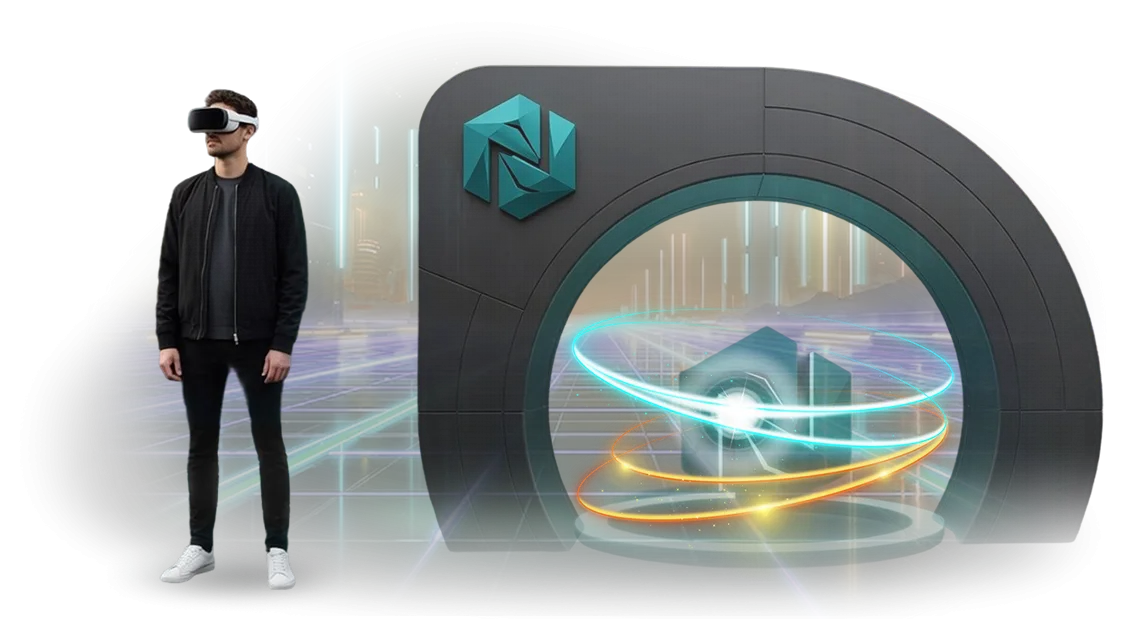
We help close this gap: we design and implement VR and AR spaces that turn an ordinary visit into an unforgettable adventure and create a reason to come back again.
Technology here is just a tool — the goal is to bring living emotions back to the park and, with them, a steady stream of guests.
What Benefits Interactive Technologies Bring
Interactive technologies today are not just entertainment but a tool that turns an ordinary park visit into an event. Guests come for experiences, and experiences are what make them stay longer, return again, and bring friends. That's why VR/AR installations are becoming a growth point for modern amusement parks.
Growth in Attendance
VR and AR zones create a news hook and set the park apart from competitors. The new format attracts guests' attention, and bright social media posts work as free advertising: people specifically plan a visit to experience unusual sensations. As a result, visitor flow grows, and the line for the installation only confirms its popularity.
At the same time, interactive content can be regularly updated — change scenarios, add new levels. Every time this becomes a reason to return, and repeat visits increase revenue without additional costs for attracting new customers.
Higher Average Spending
Interactive zones naturally stimulate sales of additional services: souvenir photos, merchandise tied to digital experiences, express queue passes.
A guest immersed in a game is more willing to spend — average spending in parks with VR/AR installations is noticeably higher than in ordinary ones.
After a session, many want to keep the emotions: a video of their adventure, photos with characters, a digital artifact. Such small things turn a one-time visit into a whole story that visitors are willing to pay for.
Guest Emotions and Engagement
VR and AR create a full-presence effect: the guest doesn't watch from the sidelines but becomes a participant in what's happening. This evokes vivid emotions that are remembered and spark the desire to share the experience — a free promotion channel for your park.
Interactivity engages all age groups: children dive into the game, teenagers compete, adults get new sensations. As a result, guests stay in the park longer and spend more at cafes, shops, and other attractions.
For a brand, such installations are a statement of leadership and modernity. Well-thought-out solutions pay off not only in money but also in reputation, which attracts corporate clients and private event organizers.
We'll help you implement an interactive installation tailored to your park's goals — from idea to launch and further development.
VR and AR Installation Formats for an Amusement Park
In an amusement park, a guest pays not for minutes but for emotions. If the impressions from rides and arcade games aren't enough, visitors go to competitors. VR and AR let you add new scenarios — from a solo adventure to a team quest — without rebuilding the territory.
We don't sell "hardware"; we match the format to your site: some things are installed in a pavilion, some work outdoors, and some can be easily moved between branches. As a result, the park gets new points of attraction and reasons for repeat visits. Here are the main installation formats.
| Format | Who it's for | What it gives the customer |
|---|---|---|
| VR stand | Parks with active visitor flow | Retains visitors, creates a "living" point of attraction, raises average spending |
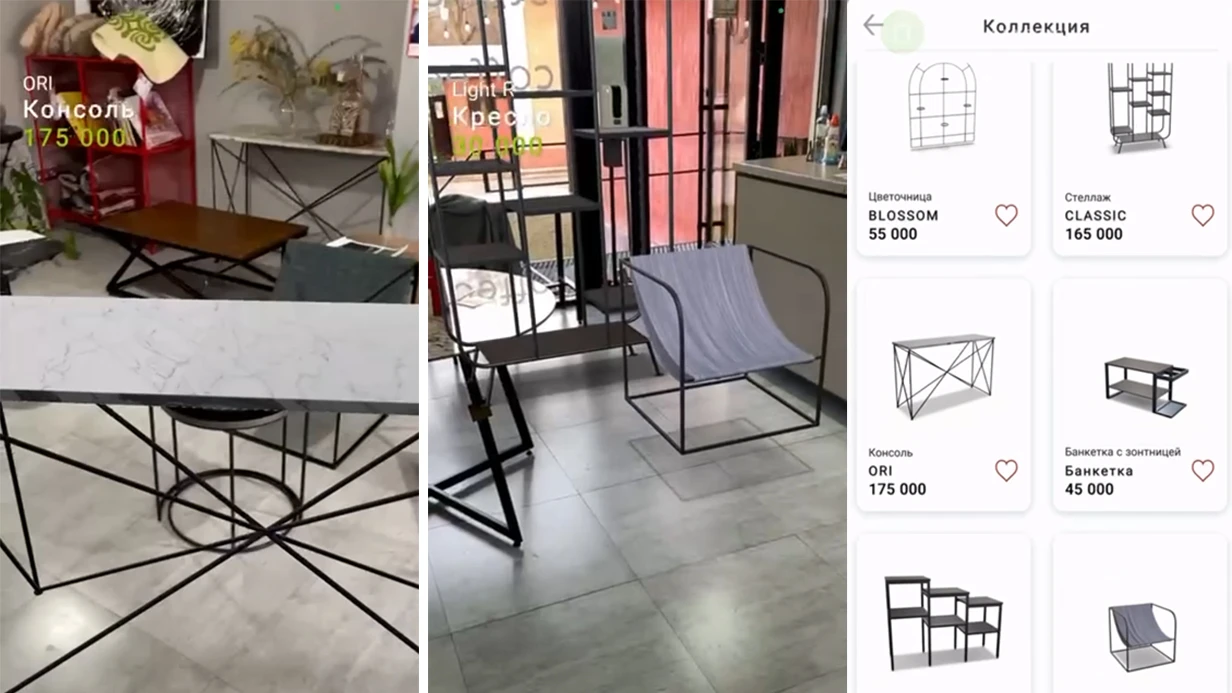
| AR installation | Waiting areas, photo zones, entrance group | Brings the space to life, gives guests a reason to share photos, reduces perceived wait time |
| VR attraction for 2–4 seats | Family and teenage zones | Increases throughput, sparks word of mouth |
| Mobile VR complex | Off-site events, temporary venues | Sets up quickly, attracts a crowd without capital investment |
How We Create an Installation from Brief to Launch
A transparent process is what saves the client from "surprises" like missed deadlines or unexpected extra costs. We've broken development into stages, and at each one you see the result and understand what's happening with the project.
- Brief and site analysis. You fill out a short questionnaire: how many guests per day, what the area is, and what's already in the park. We clarify the details and choose a format that fits your traffic.
- Concept and scenario. We show you a draft of what the guest will see: the story, session length, and how the interaction works. This is where the "wow" effect is born — the one that gets people queuing up.
- Project and budget approval. You approve the visual style, operating logic, and equipment list. All revisions happen before production starts, so the budget doesn't "drift."
- Production and testing. We assemble the installation, run it in test mode, and check its resilience to guest flow. At this stage, we find and fix weak points ourselves.
- Installation and on-site setup. We deliver and install the structure, connect lighting and sound, and configure the software. The park keeps operating; installation doesn't disturb guests.
- Launch and staff training. Your operators get simple instructions: how to start a session, handle common issues, and monitor the installation's condition.
- Post-launch support. We stay in touch: answer questions, perform scheduled maintenance, and help update the scenario for a new season or audience if needed.
This system gives you the main thing — predictability. You know in advance when the installation will be working, how long each stage will take, and where you can step into the process. No "let's just try it."
You get not just a ready-made point of attraction in the park but a durable attraction that raises average spending and creates a steady flow of photos and stories. And if after the first season you want new sensations — we'll adapt the scenario in a couple of weeks.
What's Included in a VR/AR Installation Delivery
We supply a VR/AR installation for an amusement park as a turnkey product: you get not a set of hardware but a working attraction.
All equipment, scenarios, installation, and staff training are included in the project — all you have to do is schedule sessions and welcome visitors.
The base delivery package includes:
- A professional VR equipment set: headsets, controllers, and sensors configured for the attraction's scenario and rated for intensive use.
- A control and launch module: a server device with automatic session start, queue management, and failure protection — the attraction starts at the operator's button press or on a schedule.
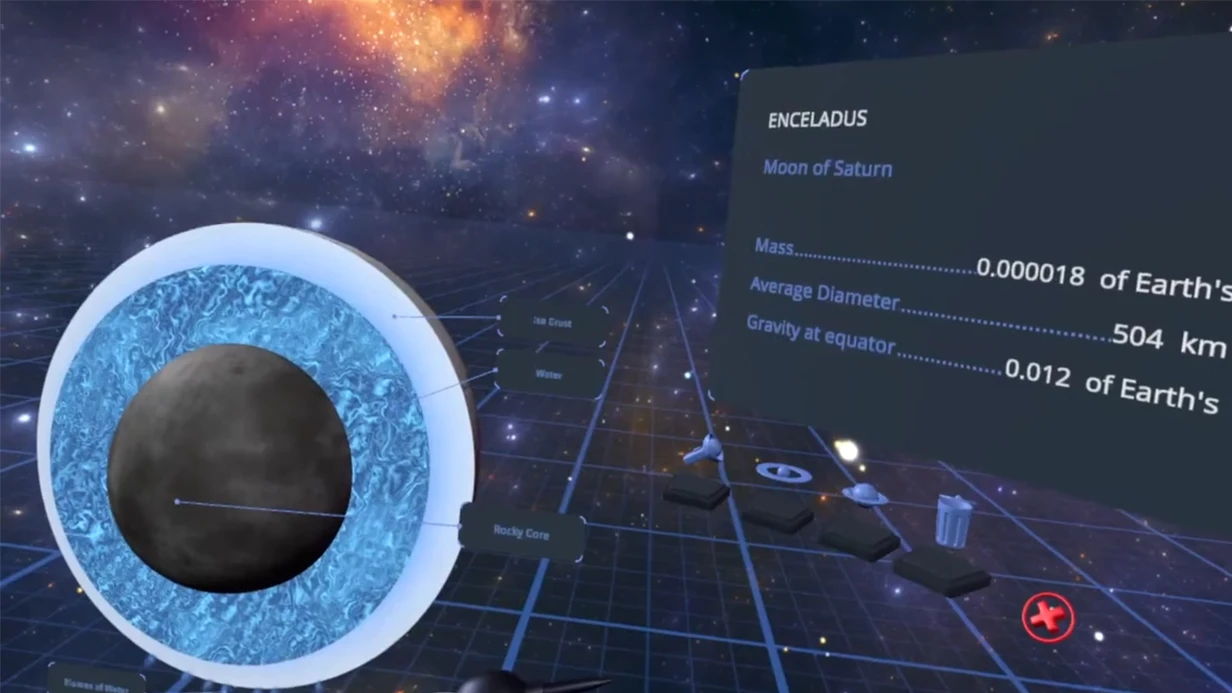
- Content themed to the park: from virtual rides to educational and entertainment worlds adapted to visitor age groups.
- Zone structure: barriers, fasteners, anti-vandal housings, and elements that ensure safety and match the site's style.
- Installation and commissioning: the crew delivers, installs, and tests the entire system on launch day, and you run your first session the very next day.
- Staff training: operator briefing, printed manuals, daily maintenance checklists, and quick troubleshooting guides for common issues.
Additional options that can be ordered separately:
- Extended warranty and service coverage for up to a year — with an engineer on-site within two days.
- Integration with the park's ticketing system and electronic visitor tracking.
- Analytics dashboard: attraction load, number of sessions, peak hours — data for marketing and queue management.
- Content updates and new VR scenario launches for seasonal campaigns and holidays.
In the end, you get a fully equipped attraction that can be launched in the park immediately after installation. We'll put together a package for your space, expected visitor flow, and theme — let's discuss the details on a short call.
Real Case Study: How We Increased Visitor Flow
When the amusement park "World of Wonders" reached out to us, its management was facing a typical problem: guests walked the central avenue in an hour and left without lingering in the activity zones.
Ordinary swings and carousels no longer delivered growth — they needed a format that would make people come back and share their impressions.
How the Launch Went
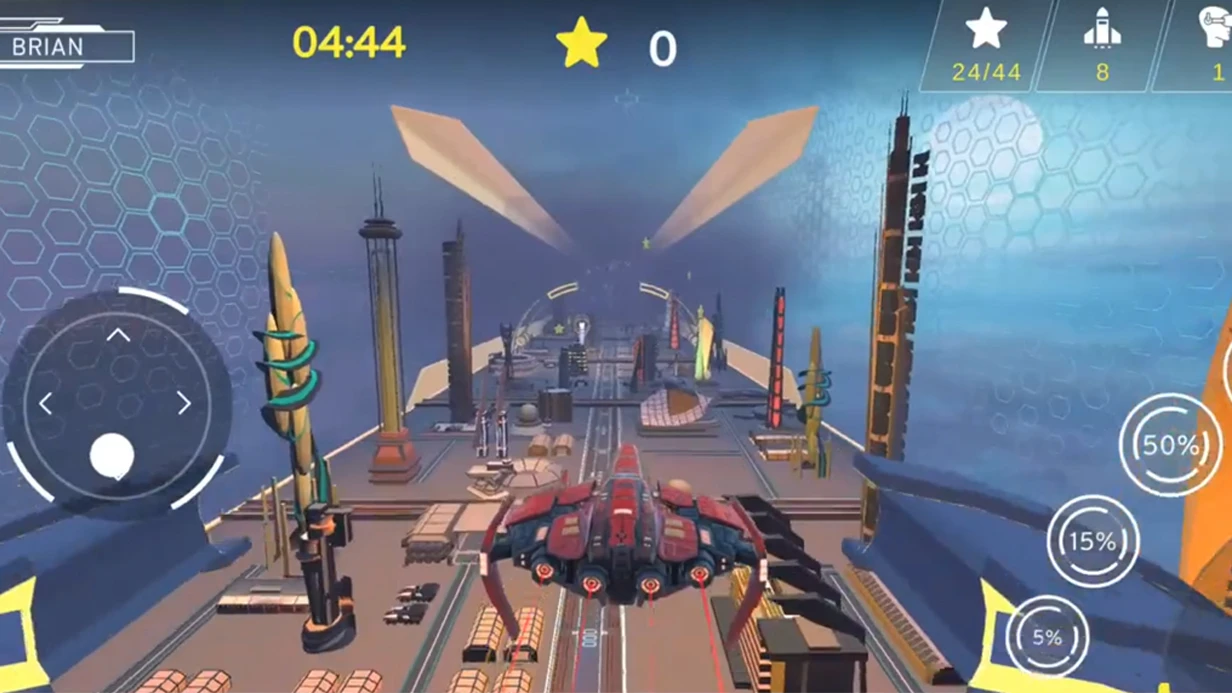
We designed a VR installation woven into the park's narrative: guests put on headsets and "flew" over its territory, collecting in-game bonuses.
This kind of installation example is not just entertainment but a tool for increasing dwell time and additional sales at cafes and souvenir shops.
In the first four weeks, the VR case showed measurable metrics: 12,000 guests went through the attraction, the average session lasted 4 minutes, and the queue became a separate photo spot.
Weekday visitor flow grew by 40%, repeat visits by 25%, and average time in the park increased from 2 to 3.5 hours.
Why It Worked
We bet on emotion and the social effect: each guest received a short video of their flight and instantly posted it on social media. That produced 1,800 mentions in a month — free reach and a new audience for the park's announcements.
Within three months, the park ordered a second VR location, and we launched it using the proven scheme without any changes.
This is a successful project that paid off through increased revenue from entry tickets and related sales.
Today the VR zone remains the park's most popular spot — and for us, that's confirmation that a properly designed installation solves a business problem, not just looks good.
How to Choose a VR/AR Format for Your Site's Goals?
How do you choose a format? You should start not from a list of technologies but from your park's goals: what the installation should deliver — a new attraction, guest engagement while queuing, a photo opportunity for social media, or a separate paid experience.
VR and AR solve different problems, and the right format is determined by the site, audience, and business goal.
First, we look at the space. If the park has a free area of 20–30 square meters, you can build a full VR quest or a simulator with its own ticket position.
If space is limited or you want to engage guests near cafes and exits, AR masks, interactive screens, or mobile VR stations are a better fit — they set up quickly and don't create queues.
Next — the audience and peak loads. A family park needs short, spectacular scenarios that both children and adults can easily understand. A teen-focused venue can handle a more complex story and longer sessions.
The key is that the installation serves the flow without long waits: nobody wants to stand 40 minutes for three minutes of virtual reality.
And finally — the goal of the event or season. If you need to quickly grab attention and gather guests in one spot, choose an AR zone with striking effects that practically begs to be filmed.
If the goal is to hold a guest for 30–40 minutes and deliver intense emotions, we build a fully immersive VR adventure. In both cases, we design the scenario around the park's theme so the installation doesn't feel out of place.
We don't sell a "black box" — we match the format to your throughput, theme, and guest expectations. At the start, we do a short site audit, propose the optimal solution, and after launch help integrate it into your events program. The result — an installation that delivers emotions, photos, and a returning wave of visitors.
Frequently Asked Questions About Installation Implementation
Installations for amusement parks operate in harsh conditions: high visitor flow, long shifts, minimal downtime. Naturally, questions about reliability, warranty, and maintenance come up before launch — let's address them in advance so you know what you're getting.
We support the project not only during installation. Over years of working with event venues and parks, we've refined processes that minimize the risk of breakdowns, and if something does happen — we quickly bring the installation back online.
What warranty applies to a VR/AR installation?
We provide a warranty on all equipment and work under the contract. The term depends on the project's complexity, usually from 1 year. If a malfunction occurs during this period due to our fault, we'll fix it with no extra cost to you.
What happens if the equipment breaks down in the middle of the park's busiest hours?
For these cases, we have a rapid-response procedure. At high-load sites, we pre-stock spare components and set up remote monitoring: we can see most problems before visitors even notice a failure. If a replacement is still needed — we come to the site or send a backup module.
Who will maintain the installation after launch?
Our specialists perform regular preventive maintenance — checking fasteners, updating content, cleaning sensors and optics. We'll train your staff on the basics: powering on, restarting, quick diagnostics. Support is available remotely and with on-site visits.
How long does installation and setup take?
A typical park installation is ready for operation in 1–3 days, including assembly, calibration, and test runs. Before handover, we conduct staff training.
If the project is complex — an expanded pavilion or integration with the park's central management — we lock the timeline in at the brief stage.
What if visitors don't understand how to use the installation?
We design the interface so that even someone with no experience can figure it out intuitively. In extreme cases, we include hints and operator assistance.
The key point: the simpler the interaction, the more people complete the scenario — which means higher throughput and happier guests.
These are common questions, but every park has its own specifics. Tell us about your site — we'll propose a solution and describe in advance how support will work specifically for your case.Get a Custom Proposal for Your Space
An amusement park lives on new experiences: visitors come for emotions they can't get at home and return to places that surprise them again. A ready-made VR installation from a catalog often doesn't fit a specific space — a different layout, a different audience, different goals.
That's why we develop installations individually: for your park, your visitor flow, and your objectives.
Order turnkey VR — we'll build the concept, select scenarios and equipment, launch, and support the project. To get a proposal calculated specifically for your space, leave a request: we'll respond quickly and substantively, showing options and numbers.
What you'll get after reaching out:
- An individual VR zone concept that accounts for the park's layout and visitor flows.
- Load calculations for the installation point and a daily session forecast — to assess payback.
- Scenario and format selection for different age groups: children, teenagers, adults.
- A clear launch plan: from delivery to staff training and integration with park operations.
- A transparent budget and realistic timeline — no hidden costs or surprises.
- Post-launch support: content updates, technical support, and refinements.
You can calculate your project in one step. Write to us, briefly describe the space and the task — we'll prepare a proposal with solution options and answer all your questions. We'll start with a consultation; after that, it's just a matter of execution.