



Losing Visitors at an Exhibition of Children's Entertainment and Education?
An exhibition of children's entertainment and education is a battle for the attention of young audiences and their parents. Visitors walk past dozens of booths, and they have only a couple of seconds to decide whether to stop or keep moving.
If your booth is just a stand with brochures and a banner, it quickly gets lost among neighbors who are already using interactive formats and drawing crowds. A child has no interest in looking at posters — they want to try, play, and interact.
As a result, you lose not just passers-by, but potential clients, partners, and distributors who could have remembered your brand. The participation budget goes toward floor space but delivers no return because the booth does not engage.
Worse — children and parents remember emotions, and a week later they recall the booth where it was fun, not the one handing out business cards.
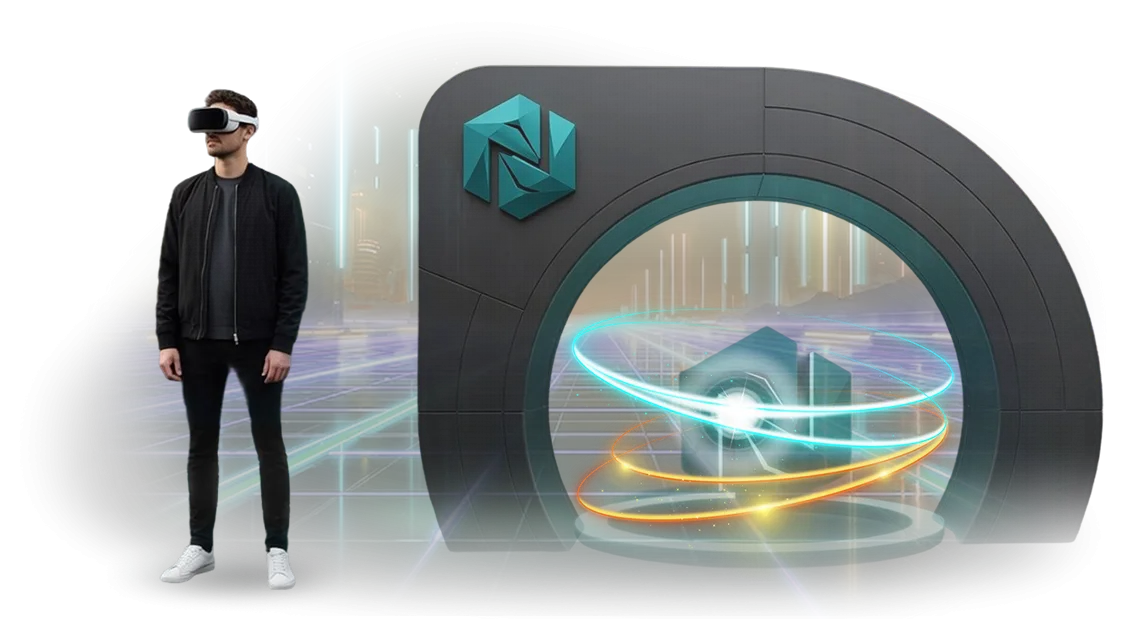
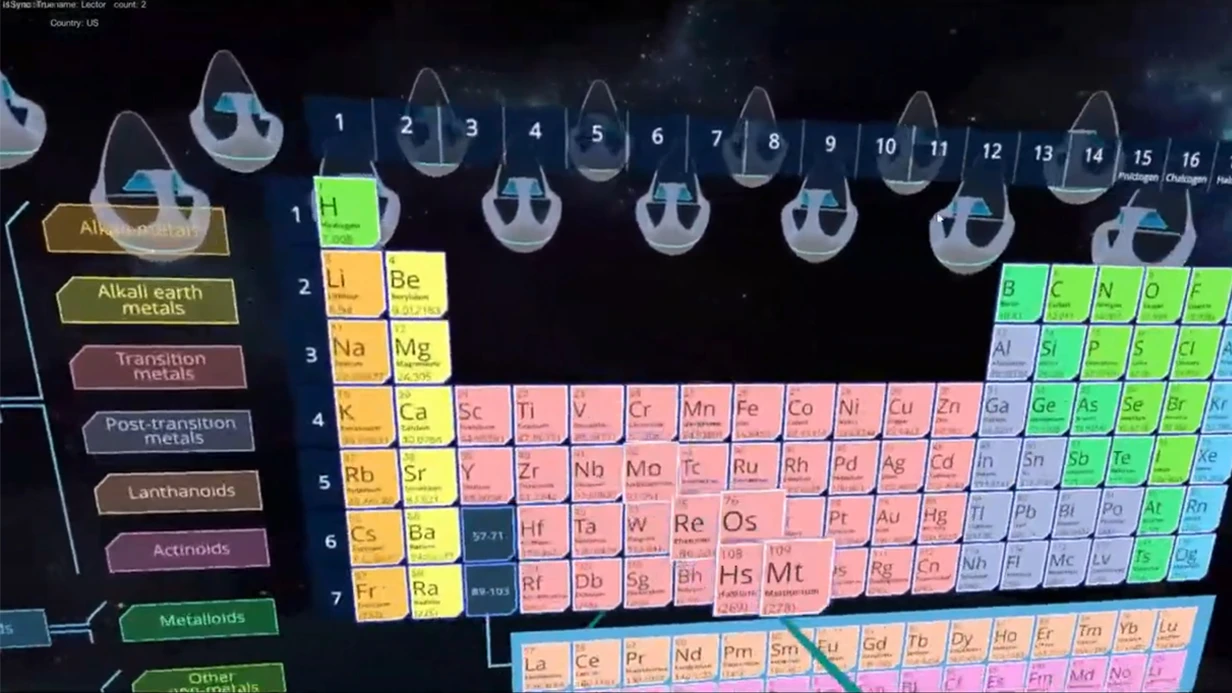
We solve this with a VR booth for exhibitions that turns your stand into a center of attraction. An interactive booth at the exhibition lets every child dive into the virtual world of your brand, while parents get to see the product in action.
Visitor engagement happens naturally: guests line up on their own, film what is happening on their phones, and share it on social media.
We handle the design, setup, and technical support of the installation turnkey, so it runs reliably all day and makes your exhibition participation worthwhile.
What a VR Booth Gives Organizers and Guests
A VR booth at an exhibition of children's entertainment and education is not just a technical novelty, but a tool that solves the organizer's goals: it attracts visitors, keeps them at the exhibit, and builds the image of a modern venue.
Guests are looking for emotions and experiences — an interactive zone delivers them in full, while the organizer gets measurable value.
Here is what a VR booth gives both children and you:
- A flow of visitors to the booth. A bright VR zone stands out among ordinary exhibits — children pull their parents over, a line forms, and the space fills with genuine interest.
- Up to 5 minutes of live attention. During this time, a child is fully immersed in the virtual world, while parents have a chance to see your product and talk to your managers without rushing.
- Free social media reach. Guests film the experience on their phones and post it on their accounts — mentions of your brand spread on their own, without an advertising budget.
- Brand reinforcement. The association with modern technology and care for children sets you apart from neighboring exhibitors.
- Loyalty and repeat visits. A zone that people enjoyed becomes a reason to come back next year and recommend you to others.
A trade show organizer where our team created the VR zone shares: “Children lined up before the doors even opened, and every second visitor posted photos from the booth. For us, that is the best indicator of interest.”
Such a booth pays off through increased attendance, collected contacts, and the longer time guests spend at your site. You only need to launch the interactive zone once — and it keeps working for you throughout the entire exhibition.
Interactive Zone Formats for Your Event Type
Every event solves its own problem: an exhibition needs to attract visitor flow, a museum needs to hold attention on the exhibit, a celebration needs to entertain guests, and a brand performance needs to create a wow effect.
We do not choose a VR installation format “from a catalog” — we select it based on your scenario, venue, and audience, so that the technology works for results rather than being just an expensive decoration. Below are the typical options we work with most often.
| Format | For Whom | What It Gives the Client |
|---|---|---|
| VR attraction for events | Organizers of exhibitions of children's entertainment and education | Draws a line to the booth, gives children bright emotions, and gives parents a reason to stay and explore your product |
| Interactive zone for a museum | Museums, cultural spaces | Turns a static exhibit into a living experience; visitors stay in the hall longer and return more readily |
| VR zone for a celebration or anniversary | Event agencies, companies | Entertains guests of all ages, breaks the ice, and creates shared topics for conversation and photos |
| Brand performance | Marketing departments, brands | Immerses visitors in the product story, provides striking social media content, and gives people a reason to talk about the event |
We adapt every option to the specific event format: from a compact zone of 10 square meters to a large-scale installation across several locations.
You get a ready-made turnkey solution — technical support, protection against failures on the day of the event, and a host who helps guests quickly join the experience. Need a VR attraction for an event or an interactive zone for a museum? Leave a request — we will suggest a format that fits your scenario and budget.
How VR Zone Development Works: From Brief to Launch
To ensure that a VR zone at an exhibition of children's entertainment and education becomes a center of attraction rather than a source of stress, the development process is broken down into clear stages.
You always know what is happening and what comes next, while we take care of all the technology and organization.
How We Work
-
Brief — a conversation about your goals. We clarify the target audience for the zone and the desired outcome: a line of children, social media photos, booth activity. We identify the venue and its constraints.
-
Concept and scenario. We propose a VR installation format that will amaze guests and fit the event theme. We show visualizations and describe the user journey — from approaching the zone to taking off the headset.
-
Contract and production plan. We record the equipment list, timeline, and budget in a transparent document. You receive a precise readiness and launch schedule.
-
Production and assembly. We create the content, assemble the installation, and calibrate it at our own facility. All elements are tested before the on-site trip — this guarantees stable operation on the day of the event.
-
Test installation at the venue. We bring the equipment, set it up, and check the scenario on location. We make sure the zone works without failures under real visitor flow and requires no complex management.
-
Support and feedback. During the days of the exhibition, our specialists remain on call or stay nearby. After the event, you receive a report on attendance and recommendations for the future.
In the end, you get not just “equipment for rent,” but a ready-made story for your guests. Every stage of creating a VR booth is aimed at letting you focus on your event rather than technical details.
What Is Included in the VR Booth Package for Your Event
Clients often think a VR zone is just headsets and a couple of apps. In reality, the result depends on the whole package: from the scenario to technical support on the day of the event.
We put together a package for your task — exhibition, festival, presentation, or museum exhibit — and take responsibility for every detail.
The VR installation rental includes everything needed for stable operation of the zone from the first minute to the end of the event.
- VR zone equipment: headsets, controllers, tracking stations, and protective covers — the quantity is selected based on expected visitor flow.
- Event-specific scenario and application: we adapt the content to the exhibition theme — from children's educational programs to corporate presentations.
- On-site assembly and setup: we bring, arrange, connect, and test everything before your event opens.
- Zone branding: we design stands, screens, and barriers in your brand style — the photo zone works for brand recognition without extra advertising cost.
- Staff training: we teach your employees to greet guests, help them get seated, and monitor the equipment — no VR experience is required.
- Technical support throughout the event: an engineer is on call and, if needed, at the venue — replacements, adjustments, and handling force majeure.
- Backup equipment set: a safety net for load spikes or unexpected situations — the line of guests will not stop.
You get a ready-made turnkey zone: no need to search for equipment yourself, deal with wiring, or risk failures at the most critical moment. All that is left is to open the door and let guests in.
Case Study: VR Zone for a Science Museum Tripled Visitor Time
At the “Möbius” science museum, visitors usually spent about half an hour: they looked at the exhibits and left without lingering. There were interactive zones, but they did not hold attention — visitors lost interest after a few minutes.
The task was simple: create an attraction point that would make people stay longer and start coming back.
We developed a VR installation — a virtual journey through the internal systems of the human body. Guests “entered” inside the organism, could see how organs work, and even control some processes.
Within two weeks, the average time spent grew from 28 minutes to 1 hour 25 minutes — nearly tripled. Visitors began planning their visit specifically to experience the VR attraction and brought friends along.
The installation also became a data collection tool. The system recorded which scenarios guests chose, how many sessions ran per day, and which zones generated the most interest. The museum uses these numbers to refresh its exhibits.
The director noted: “We did not expect the VR zone to become the main attraction point — attendance grew by 40%, and time spent at the exhibit tripled.”
For us, this is confirmation: proper interactivity does not just entertain — it changes audience behavior and delivers measurable results for the business.
This is the approach we apply in every project, from exhibitions to brand spaces, and your museum can achieve a similar effect.
How to Choose a VR Zone Format for a Non-Standard Space?
You do not need to look for a “standard” format that will perfectly fit your floor area — ready-made solutions rarely suit non-standard spaces. The right approach starts from the square footage, layout, and expected visitor flow.
Turnkey VR means the structure, number of stations, and logistics are adapted to your venue, not the other way around: from a compact zone in the lobby to a large hall with multiple entry points.
At an exhibition of children's entertainment and education, it is especially important that the zone works without queues and chaos. That is why, before development, we find out how many people will pass through per hour, and where the columns, steps, or low ceilings are.
This allows us to offer a non-standard VR booth — for example, with side partitions for sound insulation, two-sided access, or a quick-assembly structure that can be installed in a couple of hours.
Another question is autonomy and maintenance. An interactive experience for any venue should be independent of its features: all equipment is hidden in a stand or mounted to the ceiling so it does not interfere with children or adults.
We bring our own kit, set it up, and support it throughout the event. You do not need to think about power outlets, cables, or mounts — our team handles that.
So when choosing a format, look not at “boxed” options, but at the contractor's experience with similar spaces.
We have already created VR zones in museums with high ceilings, in shopping centers with complex layouts, and at outdoor children's festivals — in every case, the format was adapted to the specific venue. This is what a solution that brings results rather than headaches looks like.
Frequently Asked Questions When Ordering an Interactive VR Booth
Before launching a VR zone, clients ask the same questions: will the equipment break down at the peak of the event, will we meet the deadline, how will children and parents accept the new technology. A mistake at an event is expensive, so let us address common concerns and show how we handle them.
We work with professional equipment that withstands intensive traffic and adapt the scenario to the age of the audience in advance. Below are answers to frequently asked questions before ordering an interactive VR booth.
What happens if equipment breaks down on the day of the event?
We have backup kits and a technical specialist at the venue. A faulty device is replaced within 15–20 minutes without stopping the booth.
Is it realistic to prepare a VR zone in 2 weeks?
Yes, we can launch a basic booth within 5–7 days after the brief. The structure, signage, and scenario are prepared in advance, and only one day is needed at the venue for assembly and setup.
Is VR safe for children and adults?
We use headsets with drop protection and a parental control feature. The scenario is checked for age suitability, and quiet modes are available for younger visitors. The briefing takes 30 seconds.
Do you adapt content to our theme?
Yes, we start with a brief and select a scenario that matches your brand or event. Characters, plot, and difficulty are adjusted to the audience — from entertainment to educational quests.
Get a Ready-Made Solution for Your Event Today
Send a request for a VR booth — and get a cost estimate calculated after audit for your event today.
We do not offer a “standard product off the shelf”: we tailor the format to the venue, visitor numbers, and brand goals, so the installation works for recognition and engagement rather than just standing in a corner.
What You Get Immediately After Contacting Us
- An estimate tailored to your format — send us the dates, location, and approximate number of guests, and we will give you a budget range without “unknowns” surcharges. This is non-binding.
- A scenario selected for your audience — children under 7, teenagers, and adult visitors need different VR worlds, from simple “feed the dragon” to team quests. We will suggest what will hold the attention of your specific guests.
- An assembly and logistics plan — we will detail how much space, electricity, and installation time is needed so you can approve the venue without surprises. We arrive with our own equipment and staff.
- Technical support for the entire duration — our engineer stays at the venue while the booth operates: configures sessions, resolves equipment issues, and helps guests when needed. You do not deal with technology — you just accept the result.
- Ready-made announcement materials — photos and videos of the installation that you can use on social media and your website before and after the event to increase reach.
To order a VR installation, you do not need to know all the details in advance. Just call or leave your contacts — we will ask 5–7 short questions and prepare a commercial proposal within one business day.
After that, all that remains is to agree on the date — we will handle the preparation, assembly, and support.